Karsan recorded €330 million turnover in 2025 (growing 11%), with electric vehicles accounting for67% of revenues and plans for driverless operations (i.e. with no safety driver) starting in 2026. The company reports operations in 27 countries with an electric fleet exceeding 2,100 vehicles.
Karsan, releasing the 2025 results, sets targets for 2026 including increasing the share of electric vehicles in total sales to 80%, maintaining a 5% market share in Europe and reaching approximately 700 electric vehicle sales (which, by the way, is the same target the company declared for 2025), with a plan to expand the European electric fleet to more than 2,800 units. Confirmed orders already cover 65% of this volume, the manufacturer states.
A new electric bus model is expected for launch by end 2026.
In the medium term, we want to be among the top five brands in Europe in the next 5 years. We, of course, know that our presence in existing markets is not sufficient to do this, and we will expand into new markets. We will focus on some northern countries in 2026. We do not operate in the Netherlands, Sweden, Norway, or Germany. In these countries, we will first initiate our organizational structuring. These are all the most challenging countries in Europe to operate in. We will enter new markets and be stronger in Spain, for instance, which we penetrated last year. We also need to get stronger in Poland, where we have very serious plans for 2026
Okan Baş, CEO, Karsan
Karsan 2025 results are out (and good)
Karsan reports total turnover of €330 million in 2025, representing an 11% increase compared to €296 million in 2024. Electric vehicle revenues reached €220 million, accounting for 67% of total turnover and marking a €59 million increase year-on-year. Export revenues rose by 43% to €197 million.
The company states that electric vehicle exports reached 555 units in 2025, up 15% year-on-year, with exports representing nearly 60% of total turnover. The target is to exceed a 70% export share within three years.
In the European electric market, Karsan reports a 5% market share in 2025, increasing by 0.5 percentage points and moving from eighth to seventh position. According to the company, the e-Jest model holds a 30% share in the electric minibus segment, while e-Atak accounts for 25% in the midibus segment. The 10-meter e-ATA model reached a 26% share in its segment.
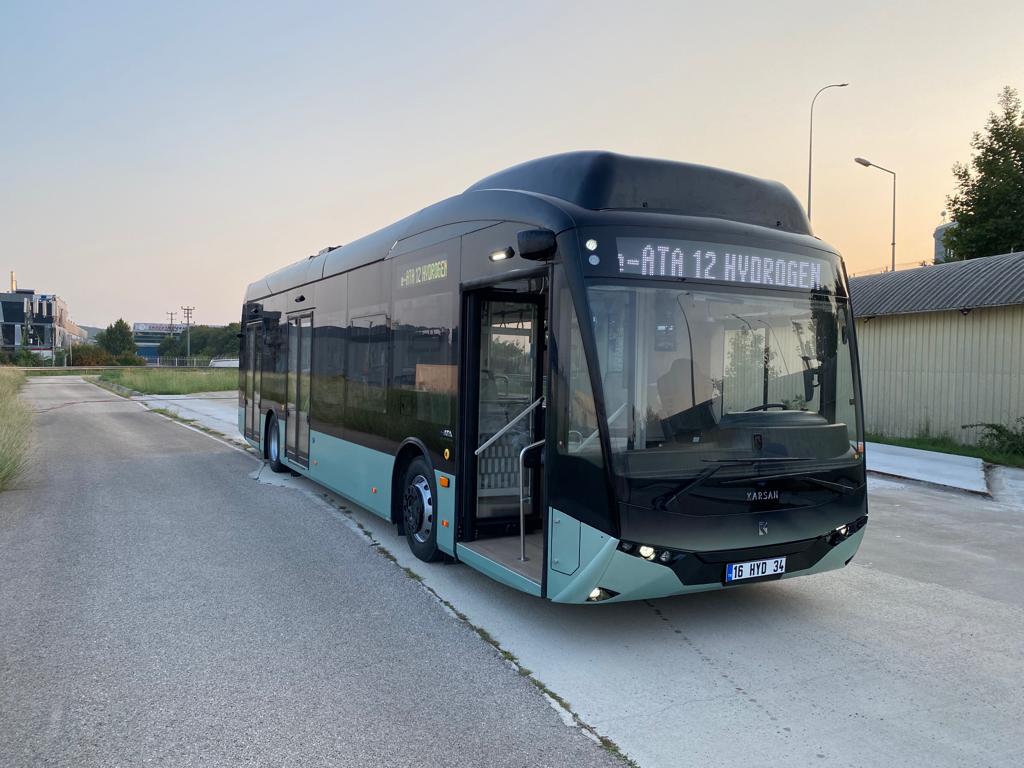
The company links its market positioning to its production base, stating that Turkey accounts for a significant share (half) of bus and midibus manufacturing for Europe and that Karsan represented 80% of electric minibus and bus exports from Turkey to Europe between 2019 and 2025.
Karsan indicates that its development strategy combines market expansion and technology deployment. The company also targets an electric fleet in Europe exceeding 2,800 units, corresponding to growth of over 30%, and approximately 700 electric vehicle sales in 2026, with 65% of this target already covered by confirmed orders, as already mentioned above.
Our country has produced one out of every two buses in Europe. Karsan conducted 80% of electric minibus and bus exports from Türkiye to Europe between 2019 and 2025. In 2025, we increased our electric vehicle exports by 15%, reaching 555 units. As of today, the part of our exports in our total turnover is nearly 60%. We intend to raise this rate to more than 70% in three years.
Okan Baş, CEO, Karsan
Expansion strategy and industrial footprint
Karsan reports that it ranks among the top four brands in nine European countries, including first position in Romania and Croatia, and second position in Italy and Bulgaria. The company also indicates positions within the top three in France, Portugal and Greece.
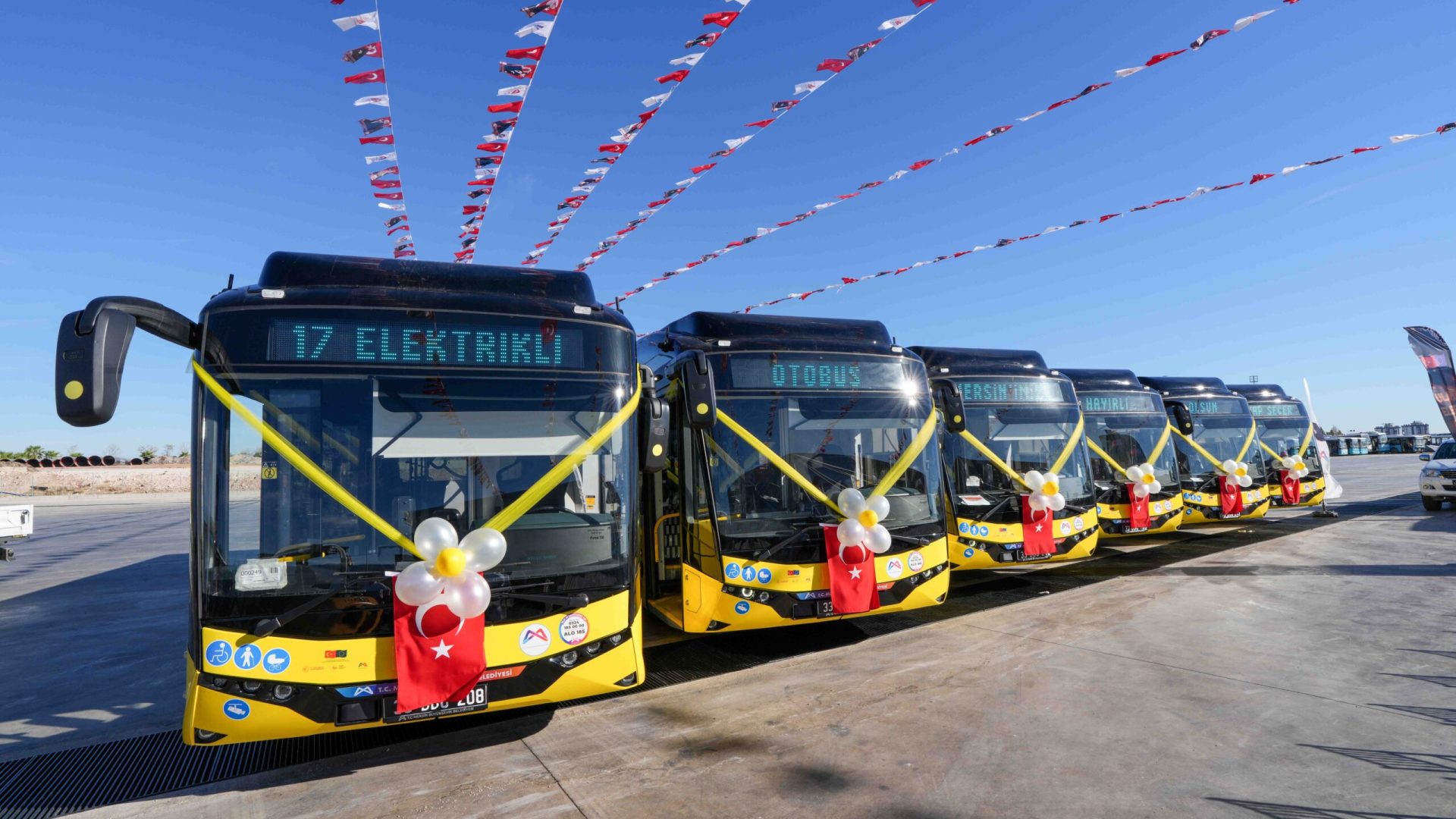
The company targets entry into the top five manufacturers in Europe within five years, alongside a geographic expansion strategy beyond its current footprint. Planned activities include the establishment of operations in Northern European markets where the company is not currently present, including the Netherlands, Sweden, Norway and Germany. In parallel, the company plans to strengthen its position in markets entered recently, such as Spain, and to expand its activities in Poland, where further developments are scheduled for 2026.
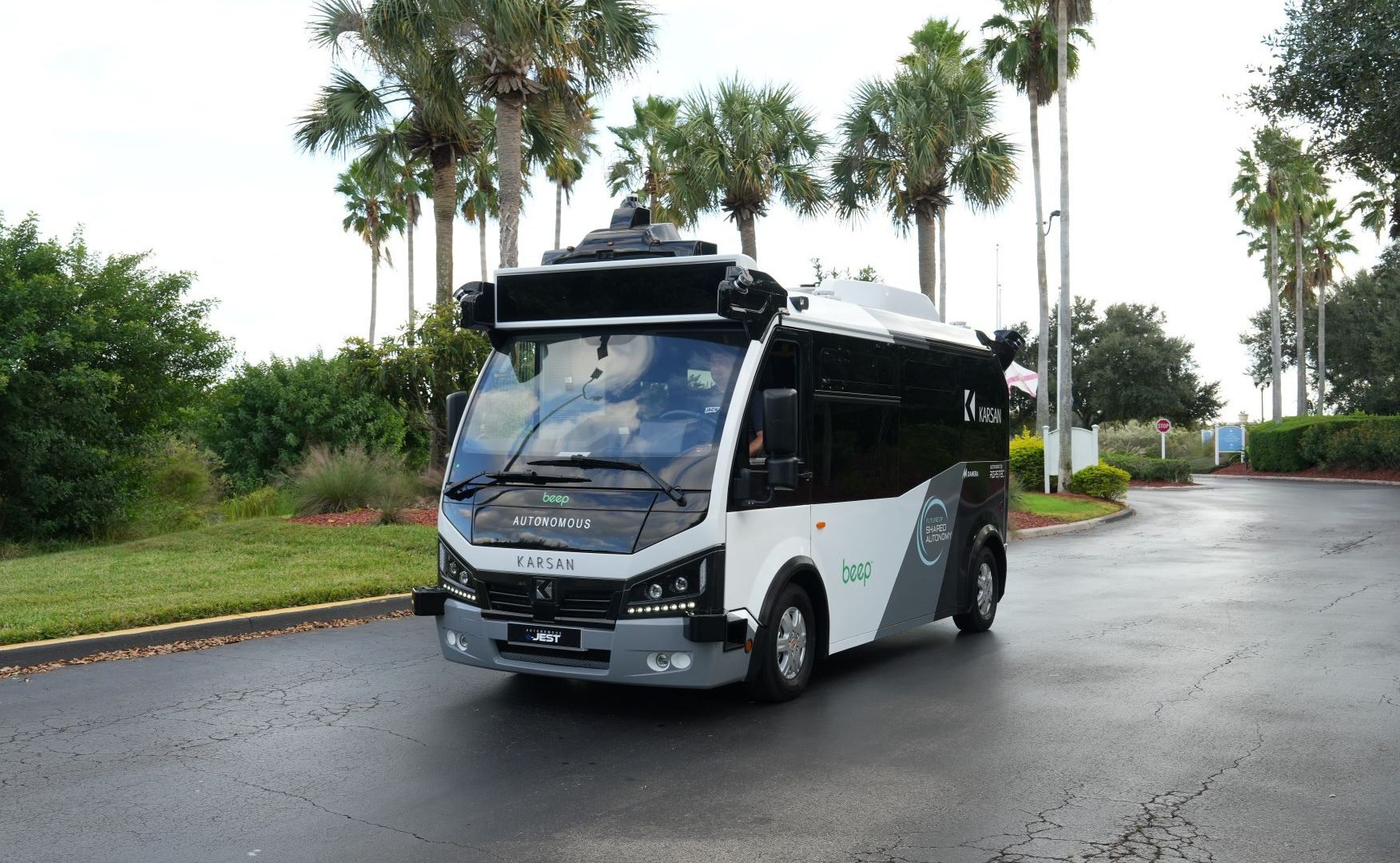
10 Autonomous e-Jest at the World Cup 2026
Autonomous mobility remains a core focus area. Karsan reports 16 autonomous projects in 12 countries using the Autonomous e-Atak platform, with 12 already implemented. These operations account for 160,000 km of autonomous driving and 60,000 passengers transported.
The company is working on removing the safety driver from autonomous vehicles and aims to start fully driverless operations in Stavanger by the third quarter of 2026. Type approval for autonomous vehicles is targeted for 2027.
Karsan also reports orders for 10 Autonomous e-JEST units from the United States, with deliveries scheduled for the second half of 2026. These vehicles are planned for operation during the FIFA World Cup.
The product roadmap includes the addition of a new electric vehicle model by the end of 2026, alongside continued development in electric, autonomous and hydrogen technologies.