MINI’s electric Cooper matches gasoline prices after 2026 cuts, with subsidies making it cheaper. EVs now drive one-third of MINI sales, signaling mass-market shift.
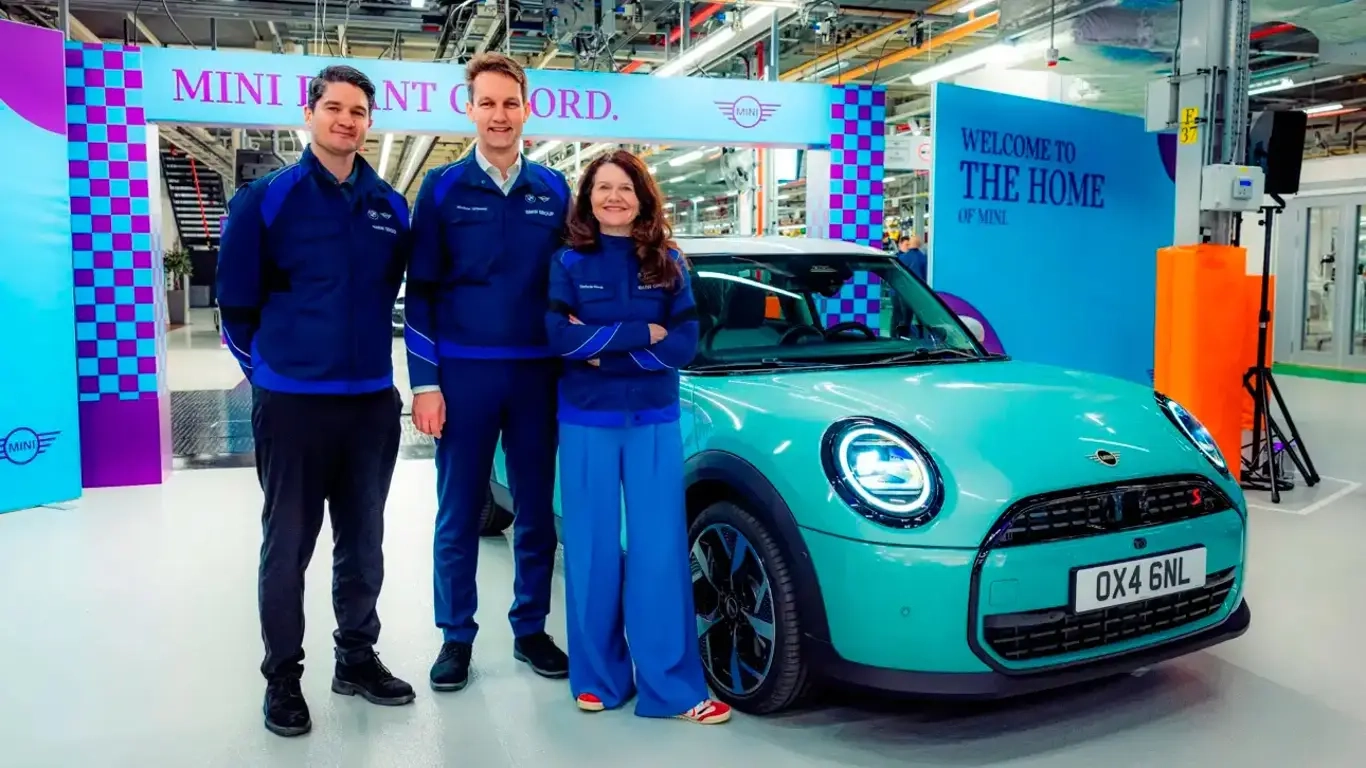
MINI is pushing electric vehicles hard and making them increasingly affordable. Following another price cut in 2026, the electric MINI Cooper has reached nearly the same price as its gasoline counterpart, and with government subsidies factored in, it even offers better value.
Electric Vehicles Become the Sales Backbone
In 2025, MINI sold 288,000 cars, with over 105,000 of those being electric. This segment grew by almost 88%, and BEVs now account for one-third of all sales. In several countries, including China and Europe, electric vehicles already make up more than half of demand.
The MINI Cooper remains the key model, and it’s now being aggressively transitioned to electric power.
Prices Match Gasoline Versions
After a series of reductions, the electric Cooper E starts at around 28,900 euros, while the SE version begins at about 31,600 euros. That practically aligns with gasoline versions, which start at 27,700 euros.
When government subsidies are considered, the electric car becomes cheaper than its internal combustion engine equivalent. This fundamentally shifts perceptions of the segment, making the choice in favor of electricity more rational for buyers.
Tech and Competition
The electric MINI comes in three versions, with up to 258 horsepower and a range of up to 400 km. Production is handled in China through a joint venture between BMW and Great Wall, which also helps optimize costs.
Against a backdrop of new competitors like the Renault 5, the price cuts represent a strategic move. MINI is effectively bringing the electric car into the mass market, a space previously dominated by gasoline models.
As a result, the market for new 2025 cars receives another signal: electric versions are no longer just an expensive alternative but are becoming a full-fledged replacement for traditional vehicles.