Support CleanTechnica’s work through a Substack subscription or on Stripe.
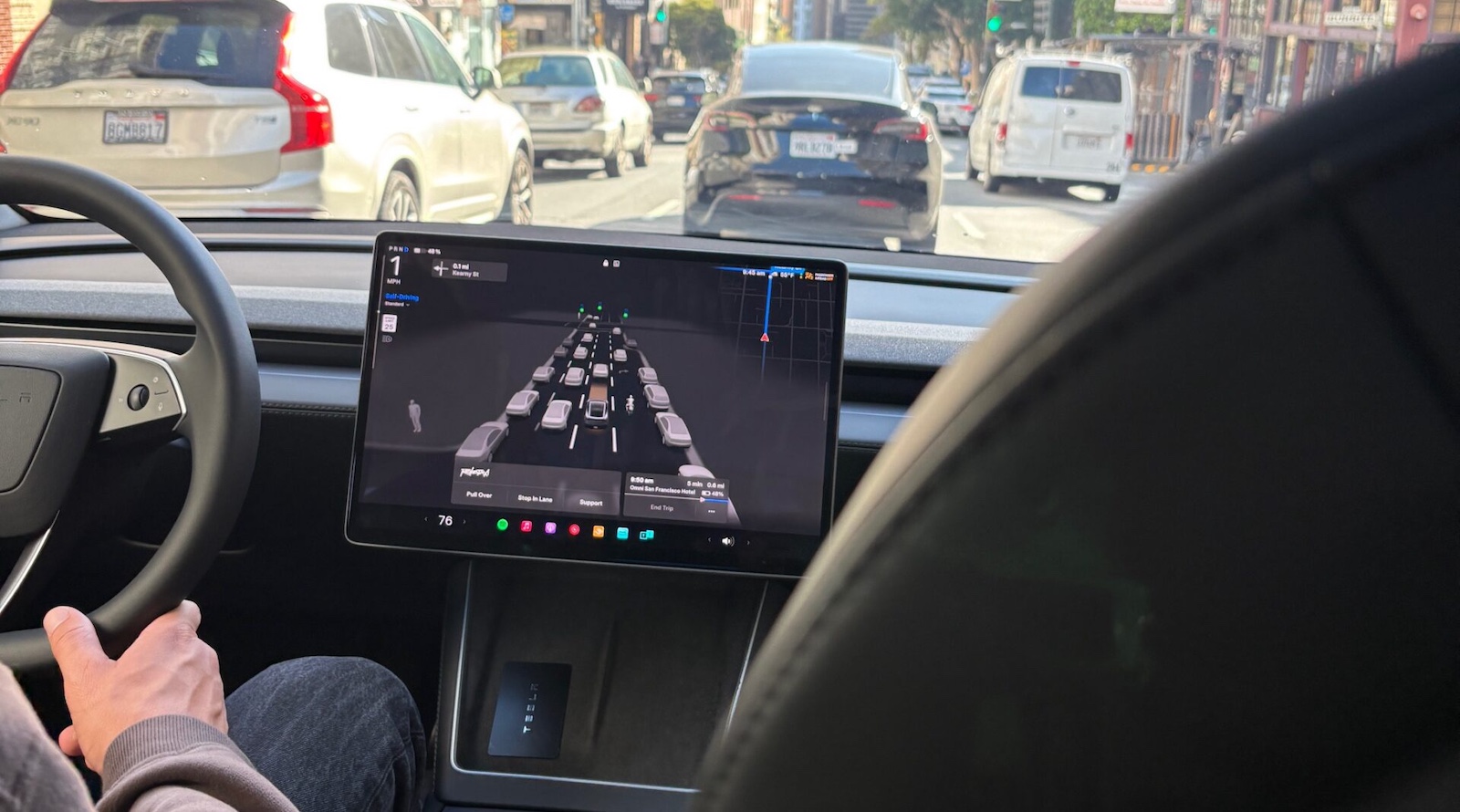
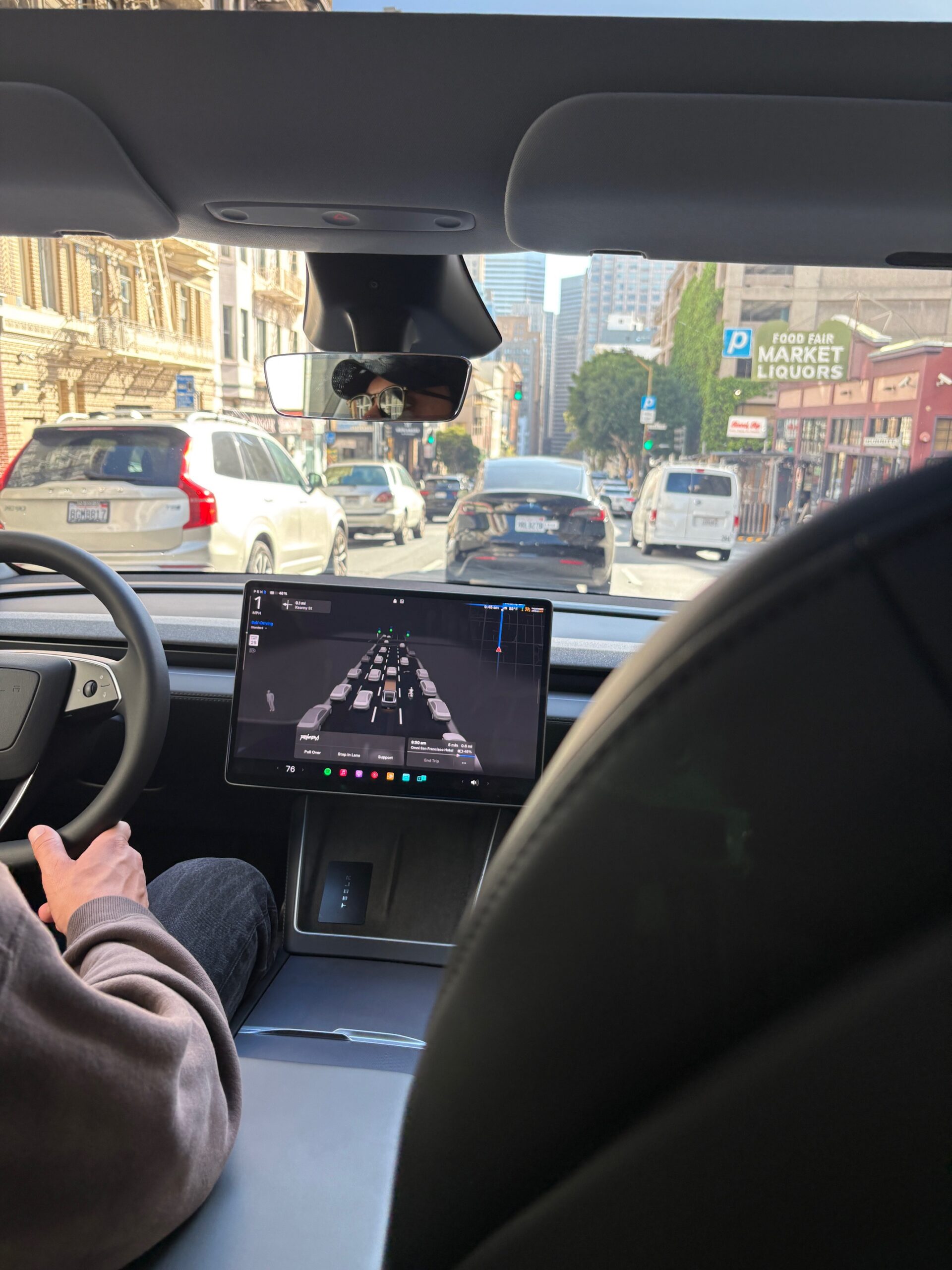 View of the robotaxi screen and safety driver.
Tesla Robotaxi in San Francisco is cheaper than Waymo/Uber/Lyft, offers smooth comparable rides, but has longer waits and rare safety-driver interventions. Unsupervised rollout feels near with upcoming FSD update.
Here at CleanTechnica, we have written a lot over the years on Tesla’s long path to an unsupervised robotaxi service. Most of the recent news has been disappointing. This article gives my personal experience from a recent trip.
Introduction
I planned a few days in San Francisco a few months ago to visit a family member. At the time I booked my flights, I figured that much more progress would have occurred by now.
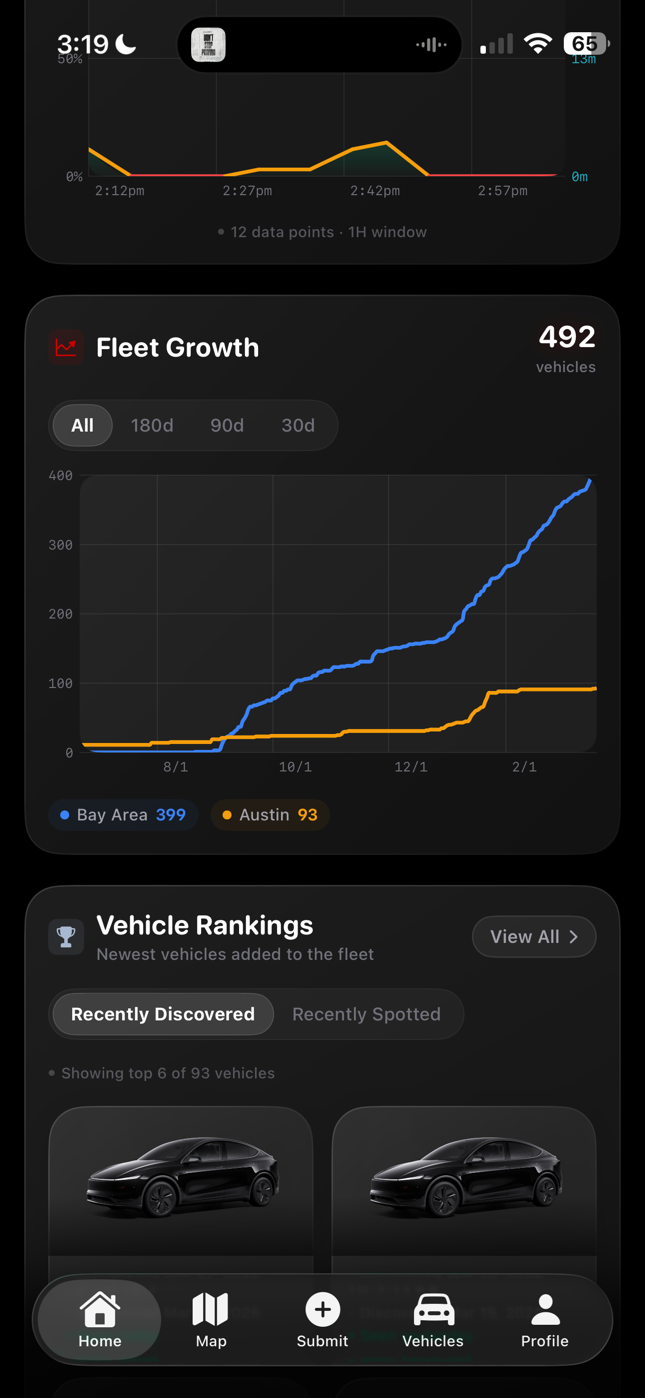 Screenshot of Robotaxi Tracker showing slow growth in vehicles.
In my personal Tesla vehicles (and hearing from others online), there has been a noticeable pause in new versions of Full Self Driving (Supervised). I will say the software is very good on both my hardware 3 and my daughter’s hardware 4 Model Y, but neither is good enough to be unsupervised. So, on this trip, I evaluated how the Tesla Robotaxi compared to Waymo, Uber, and Lyft. I spent a day in Phoenix testing the Waymo and was very impressed with it. I didn’t ride in any Waymo vehicles on this trip for the reason that their pricing was MUCH higher than Uber’s or Tesla’s and I had already experienced their service in Phoenix. I’ll be comparing three main things in this article: Wait times, prices, and quality of the experience.
Wait Times
I attempted to call the Tesla Robotaxi 10 times over 4 days, and most of the time the wait time was either a few minutes more than an Uber and Lyft or double the time. Two times, I had to take an Uber or Lyft instead of a Tesla because Tesla showed robotaxis as unavailable because of high demand (which really means supply was insufficient). One time, the Tesla was available but I didn’t want to wait twice as long for it. The other 7 times, I took the Tesla Robotaxi.
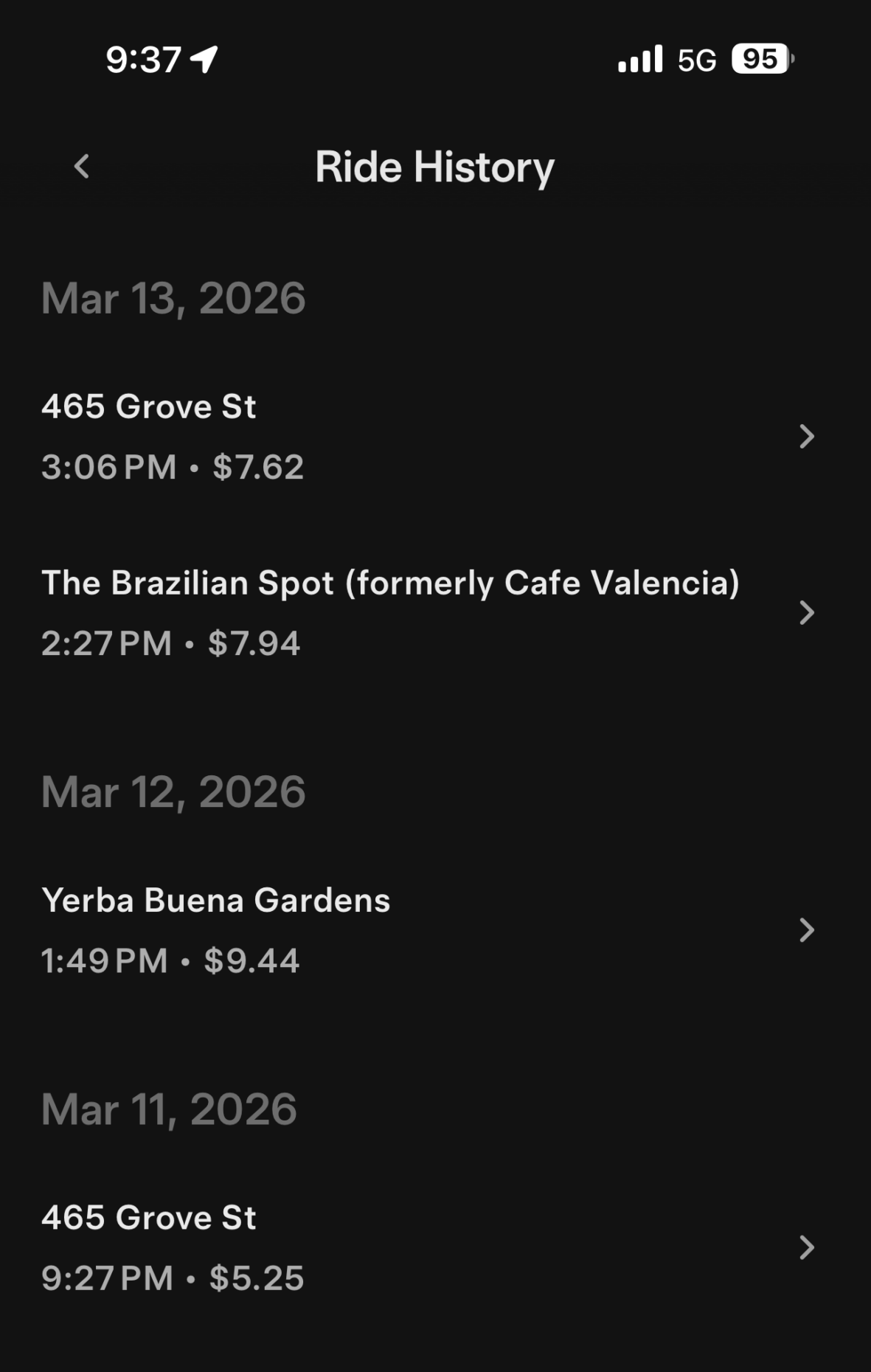 Partial ride history from the Robotaxi App.
Pricing
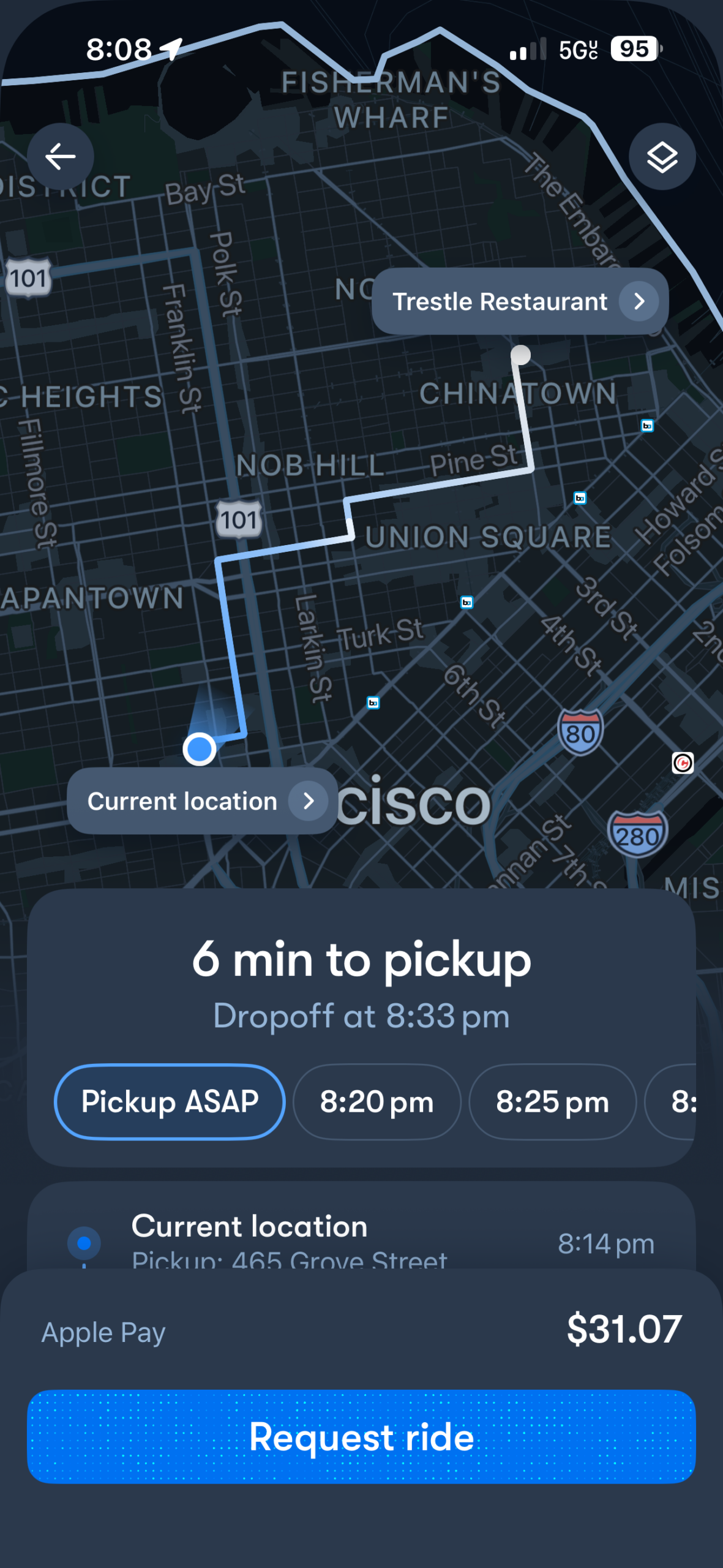
I found the pricing of Waymo to always be a lot more than the others. Some have speculated that people value the lack of a driver and are willing to pay more for that. I guess that might be true. I can’t think of another reason they would be able to consistently charge more. In the example below, the pricing was much lower for Tesla than Waymo, Uber, or Lyft. For shorter trips, I found the difference was much less, sometimes only a dollar or two. I will typically leave a tip for Uber or Lyft, but in a Waymo or Tesla, that isn’t an option. I do realize that we have no idea if pricing will be higher or lower once this is rolled out in volume and the safety driver is removed. The number of rides is low enough that the income doesn’t matter to the company. Tesla is likely just testing prices and will surely change them many times once they are trying to run it as a real business.
 This shows Waymo was quite expensive for a 19 minute drive, but was available to pick me up fairly quickly.
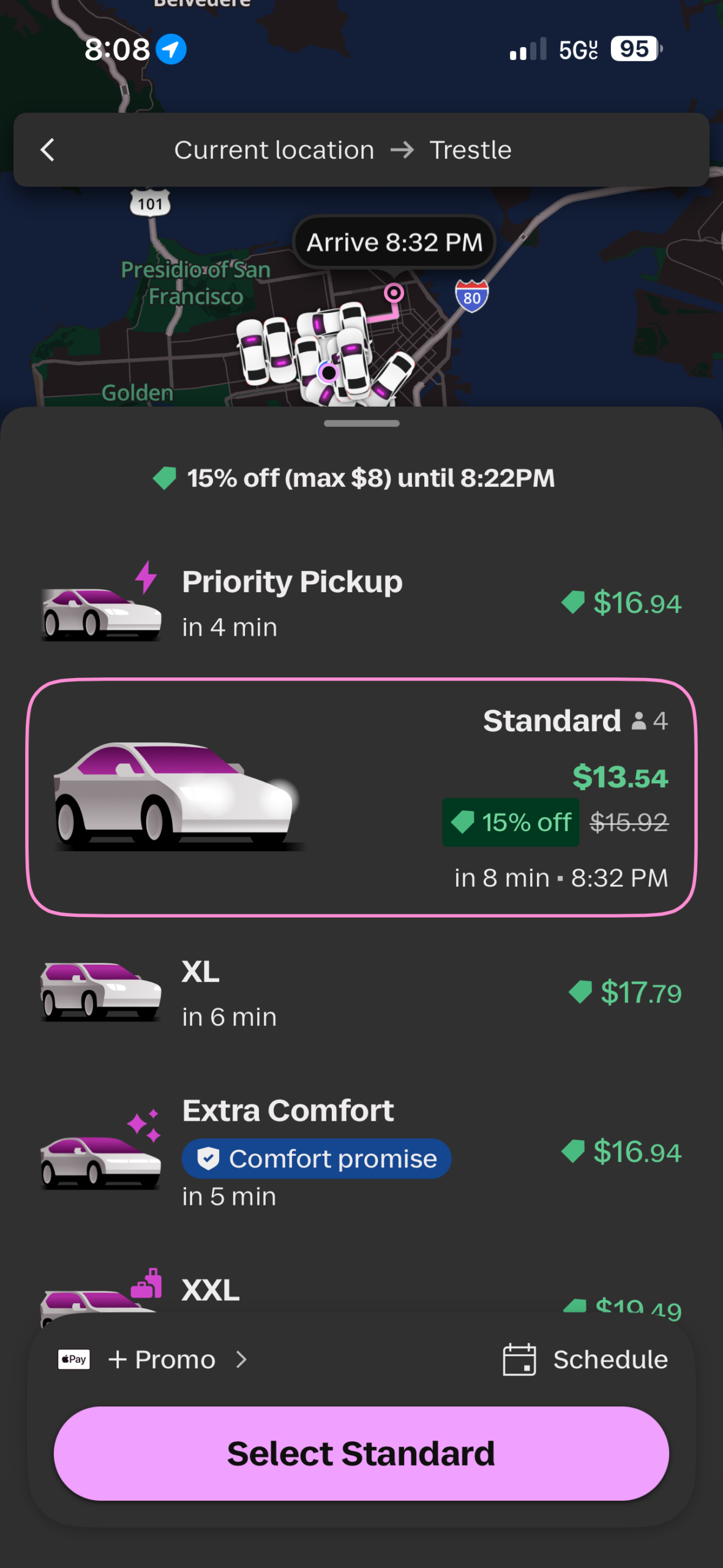 Lyft was a lot less money for the same trip as Waymo and could either pick me up a little faster or a little slower, depending on what I was willing to pay.
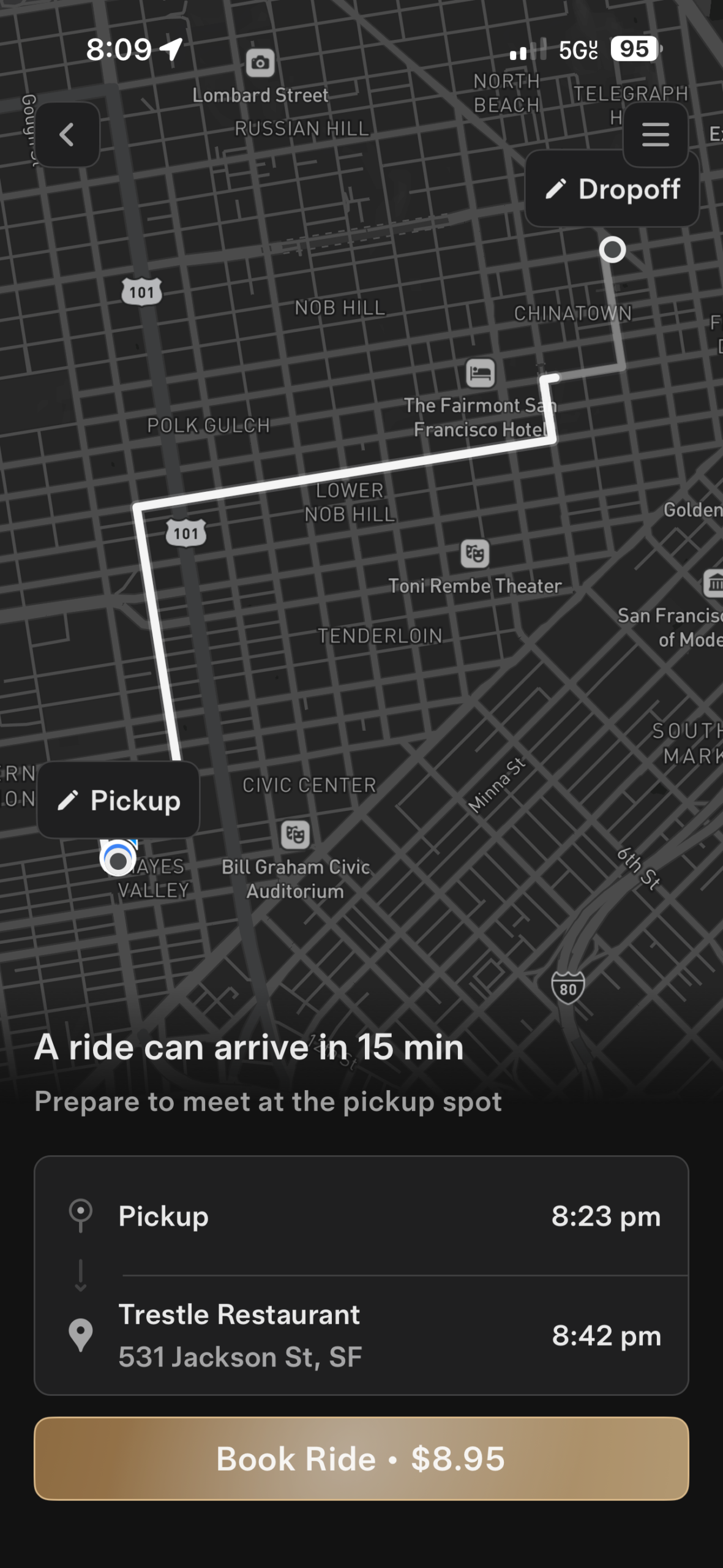 Tesla in this case was 15 minutes to pick me up, which is 2 to 3 times as long as the others, but was much less expensive.
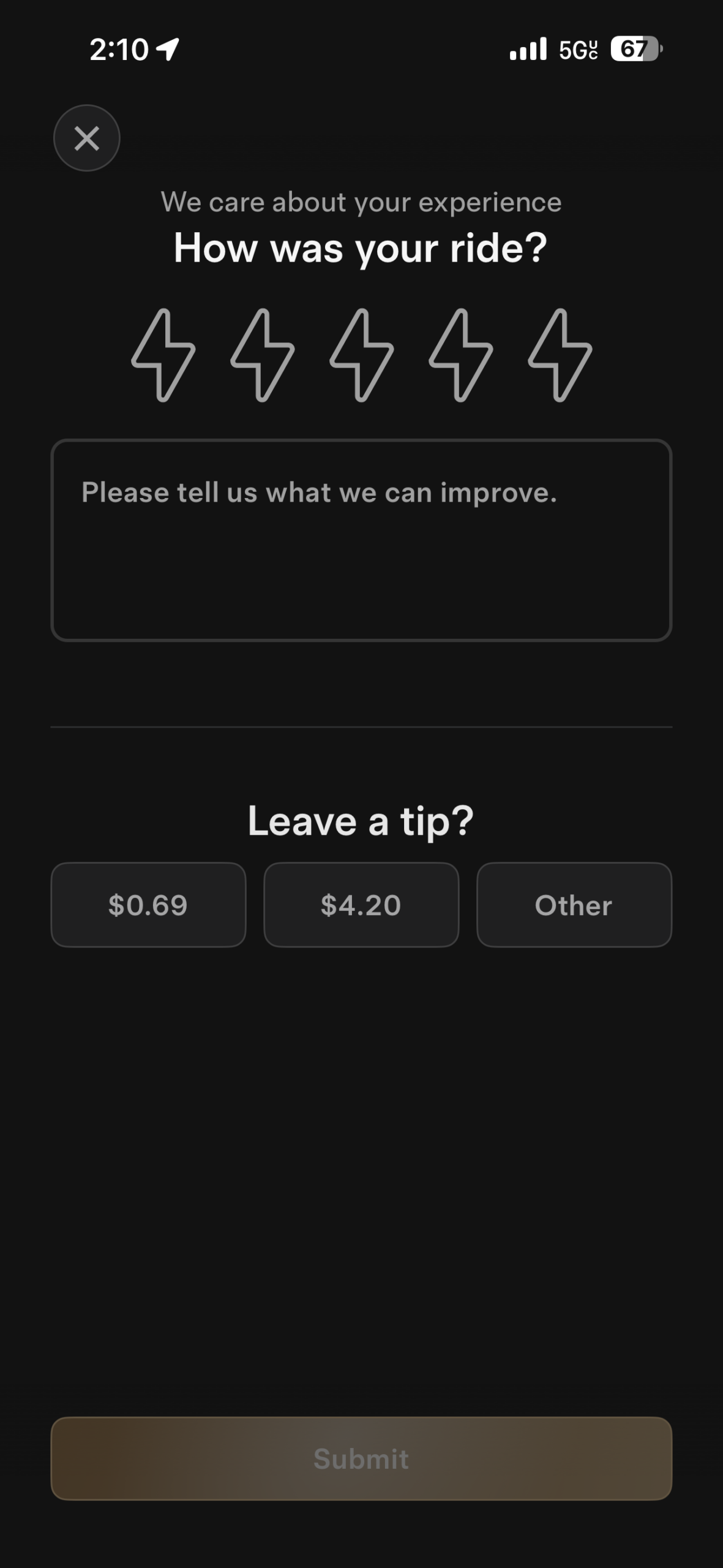 Tesla asks for a rating, comments, and a tip after every ride. But the tip is just a joke. If you try to leave one, you get the “just kidding” screen below.
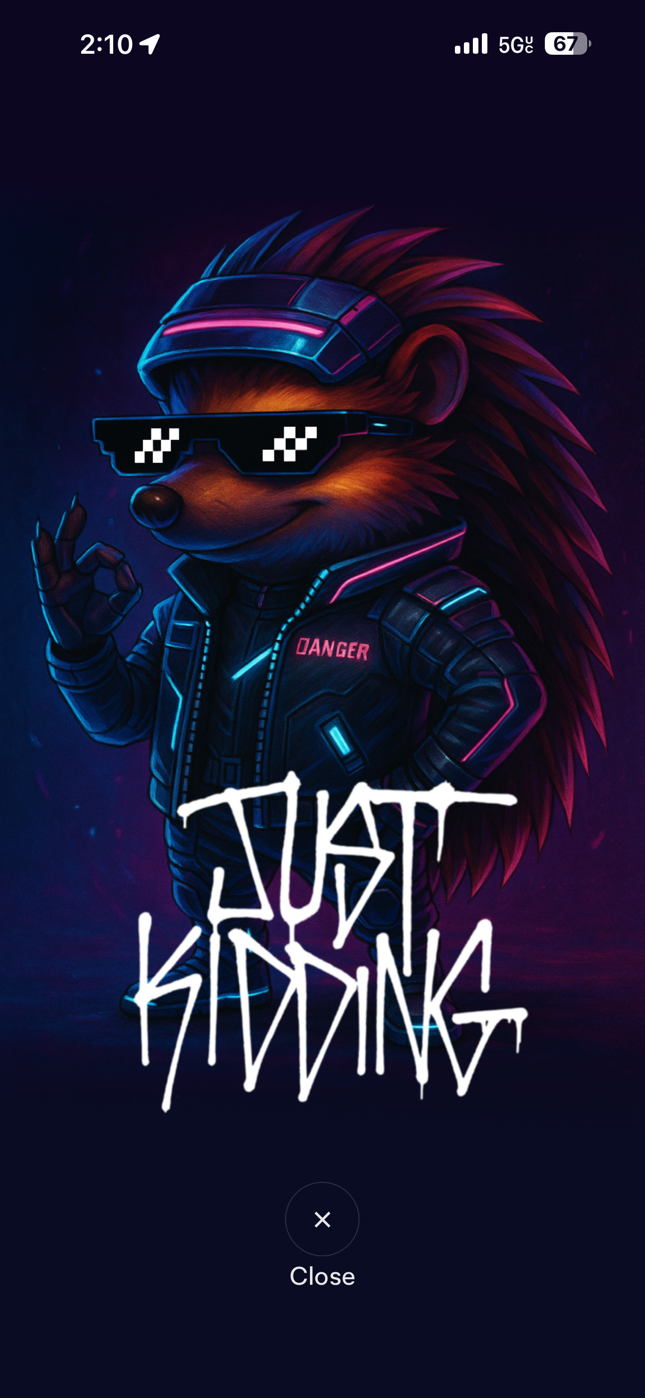 If you try to tip the driver, it gives you the “Just Kidding” screen.
Ride Experience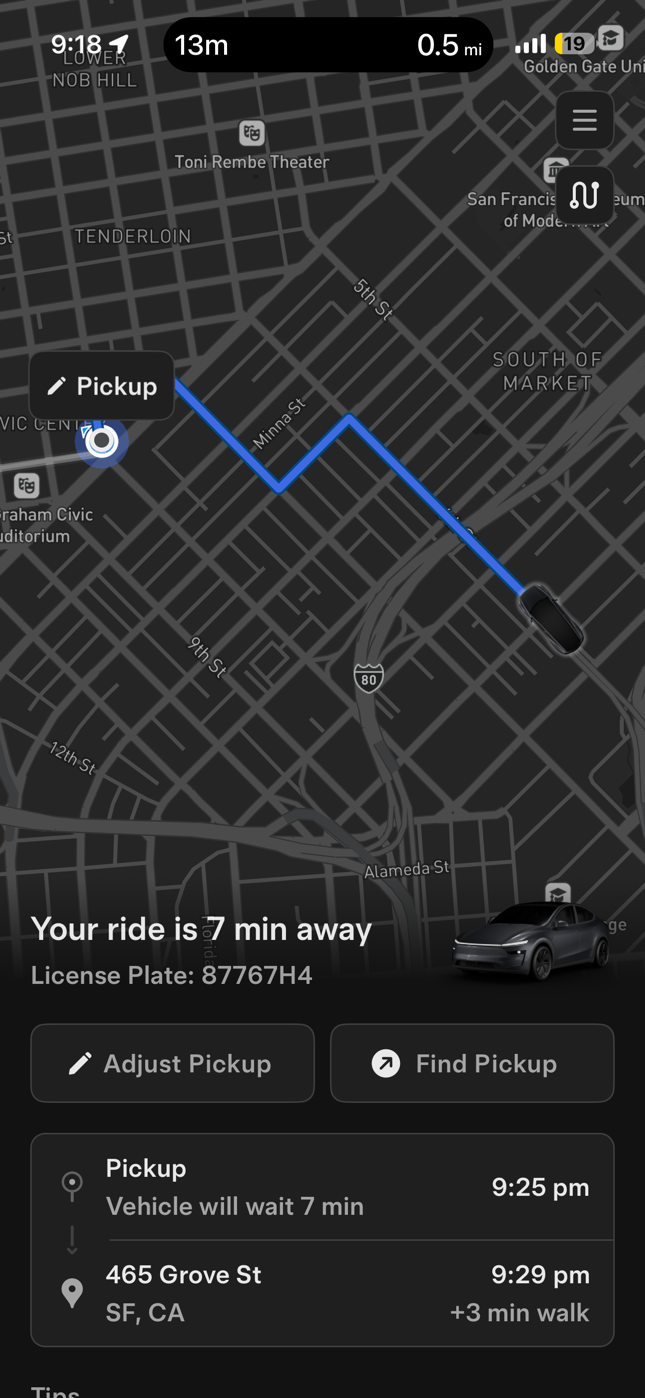 The experience to call a Robotaxi is pretty much the same as calling an Uber, Lyft, or Waymo.
I have noticed that it is a little trickier to find a car than the others. The Waymo has your initials on top of the car — that helps, but with both Waymo and Tesla, you can’t ask the driver to pick you up somewhere else if you get confused where the pickup spot is. This can be done with the Uber and Lyft cars, because you have a human driver.
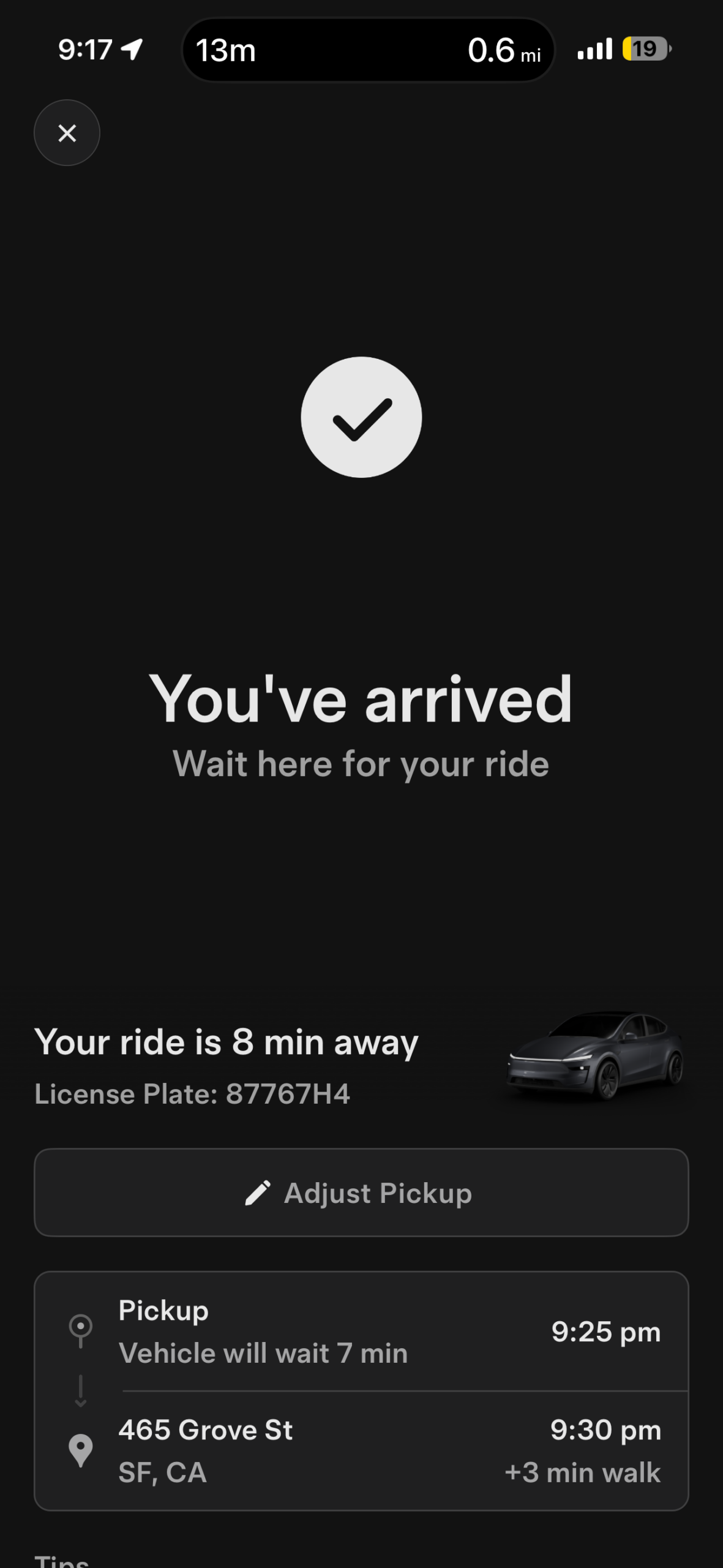 This is the screenshot from the app when you click the “Find Pickup” button to find the pickup spot. Sometimes it would say I’m at the pickup spot when the pickup was actually across the street. I have also had that happen with the other services, but with Uber and Lyft, you can ask the driver to come and get you, while with Tesla and Waymo, you have to get to the car.
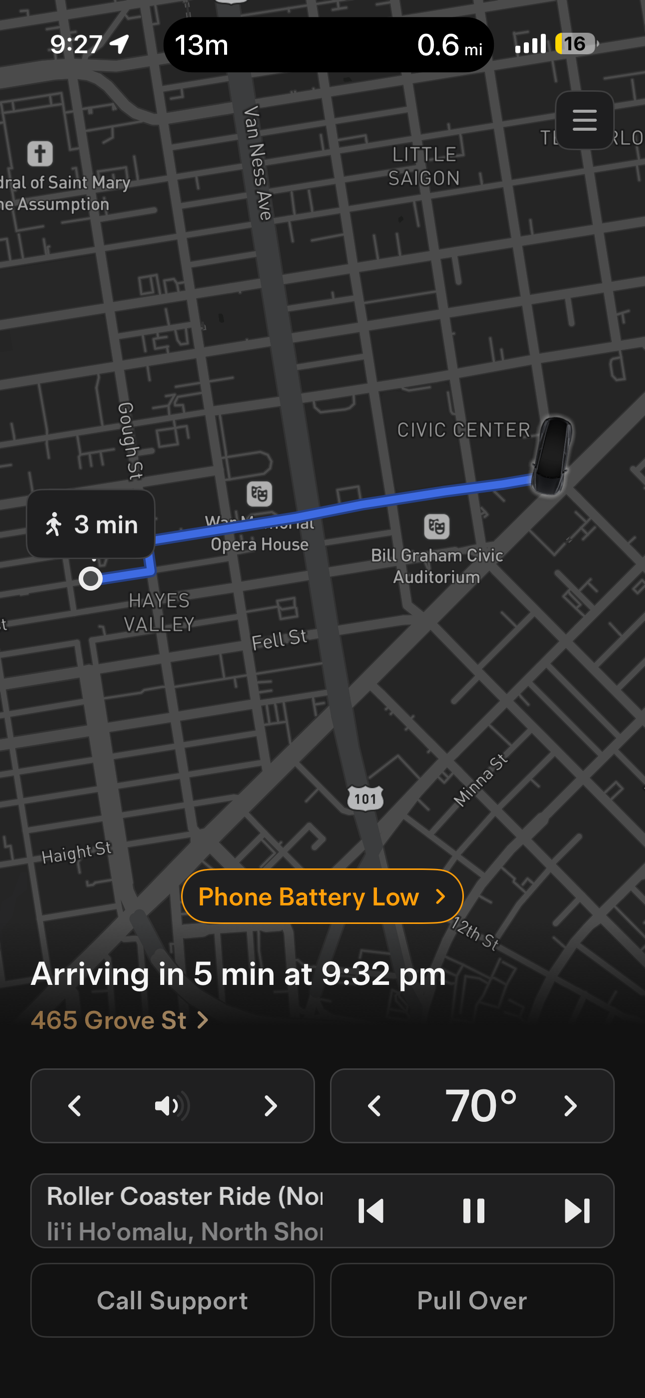 While riding in the car, you have to option to pull over or call support. I didn’t try either option because I didn’t want to annoy the people riding with me, but I should have done it for the article….
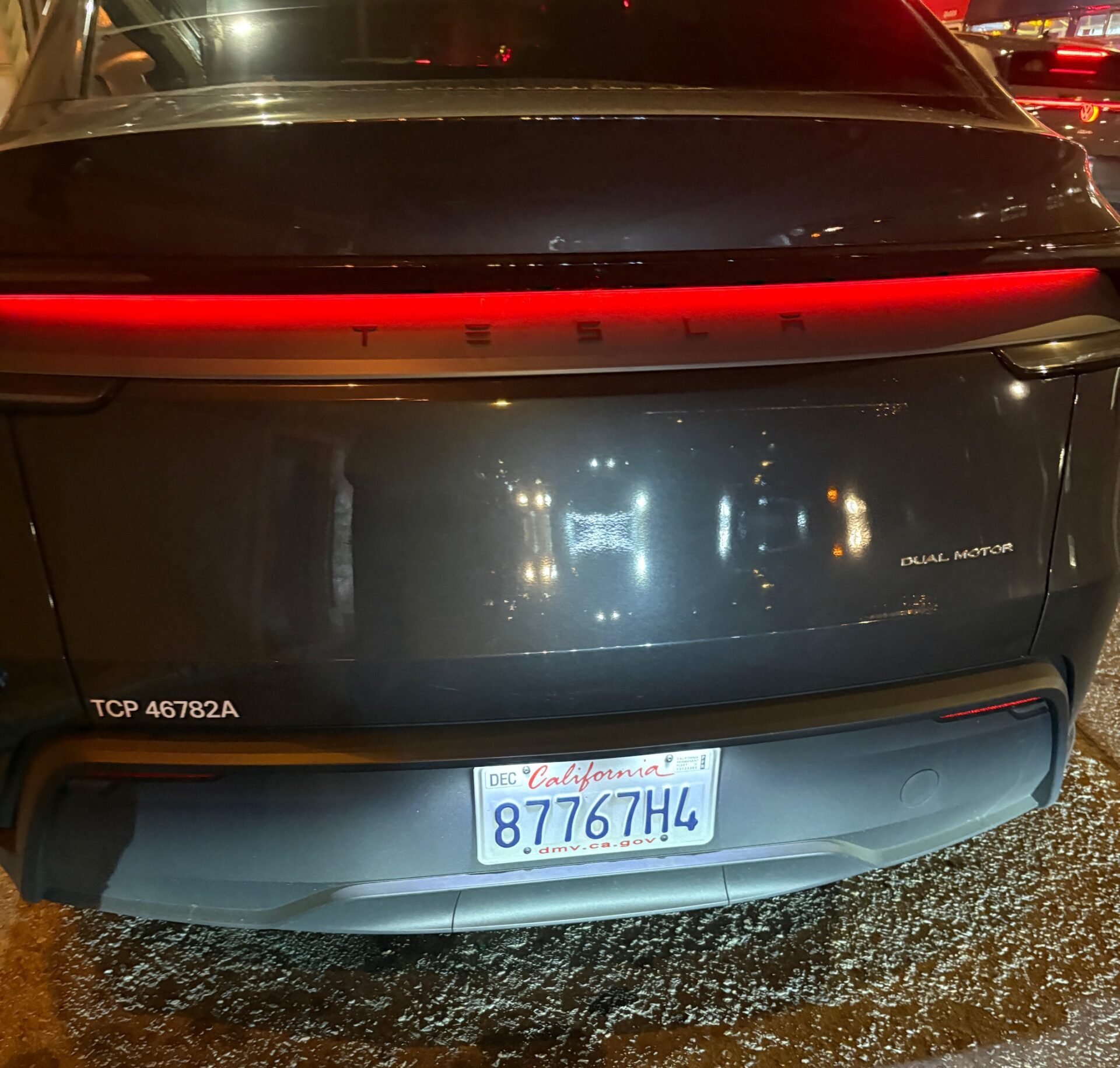 You need to look at the plates (luckily California has front and rear plates) to know if the ride is for you, since there are so many Tesla Model Y cars that aren’t a Robotaxi running around San Francisco.
In the 7 rides, I only experienced 2 disengagements, both of which the safety driver didn’t like the drop-off location and took over to drive 15 feet and drop me off in a slightly different location. I didn’t really think that was necessary (the original location wasn’t that bad), but maybe the safety driver knew something I don’t know. Maybe we were stopping somewhere where it would be dangerous or illegal.
Was the quality of the ride better or worse than in a Waymo? I couldn’t really tell the difference. Obviously, Waymo is better in the sense that it doesn’t need a safety driver, but the smoothness of the driving seems about the same to me. Maybe the Tesla is slightly smoother. I did notice the Tesla Robotaxi was smoother than the Uber or Lyft drivers, but that will obviously vary depending on the driver you get.
I wasn’t able to take the Robotaxi to or from the airport yet, so I took San Francisco’s excellent train system one direction and Lyft the other direction.
Conclusion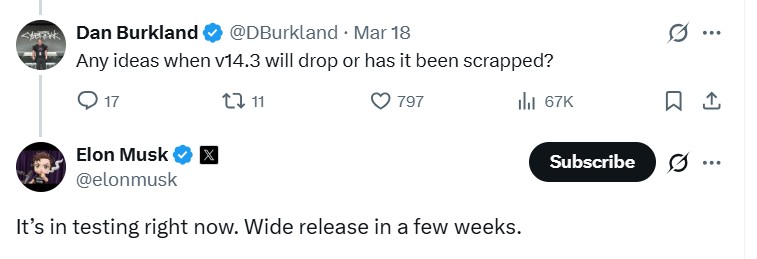 Screenshot from X.com saying Full Self Driving 14.3 is coming soon.
So the big question is, when will Tesla be able to take the safety driver out of the car in Austin and San Francisco and expand to many other cities. My tiny sample showed they are ready now, but Tesla has much more data and their data must show they are still having issues or they would take out the safety drivers (at least in Austin). In San Francisco, they might be gathering more miles of data or waiting for approval. Many think the upcoming 14.3 release will be the one that works out enough of the remaining problems that they can resume expanding the Robotaxi service. This doesn’t matter too much for the Model Y vehicles that are running around now, but is a much bigger issue if they have thousands of Cybercabs that can’t be used in a supervised mode. I wish I could give a more definitive answer, but the truth is nobody outside the company knows how good this release is. Over the next month, we will either be impressed with it or disappointed. We could be disappointed that it doesn’t come out. Or it could come out and not be the big step forward Tesla needs to continue the rollout of the Robotaxi service.
If you want to take advantage of my Tesla referral link to get up 3 months Full Self Driving, here’s the link: https://ts.la/paul92237 — but if another owner helped you more, please use their link instead of mine.
Disclosure: I am a shareholder in Tesla [TSLA] and XPeng [XPEV]. But I offer no investment advice of any sort here.
Sign up for CleanTechnica’s Weekly Substack for Zach and Scott’s in-depth analyses and high level summaries, sign up for our daily newsletter, and follow us on Google News!
Advertisement
Have a tip for CleanTechnica? Want to advertise? Want to suggest a guest for our CleanTech Talk podcast? Contact us here.
Sign up for our daily newsletter for 15 new cleantech stories a day. Or sign up for our weekly one on top stories of the week if daily is too frequent.
CleanTechnica uses affiliate links. See our policy here.
CleanTechnica’s Comment Policy