es. He still mentioned partners like TSMC, Samsung, and Micron, but didn’t give a timeline – and mega-project delays are a known risk.
Why should I care?
For markets: Capacity is becoming a competitive moat.
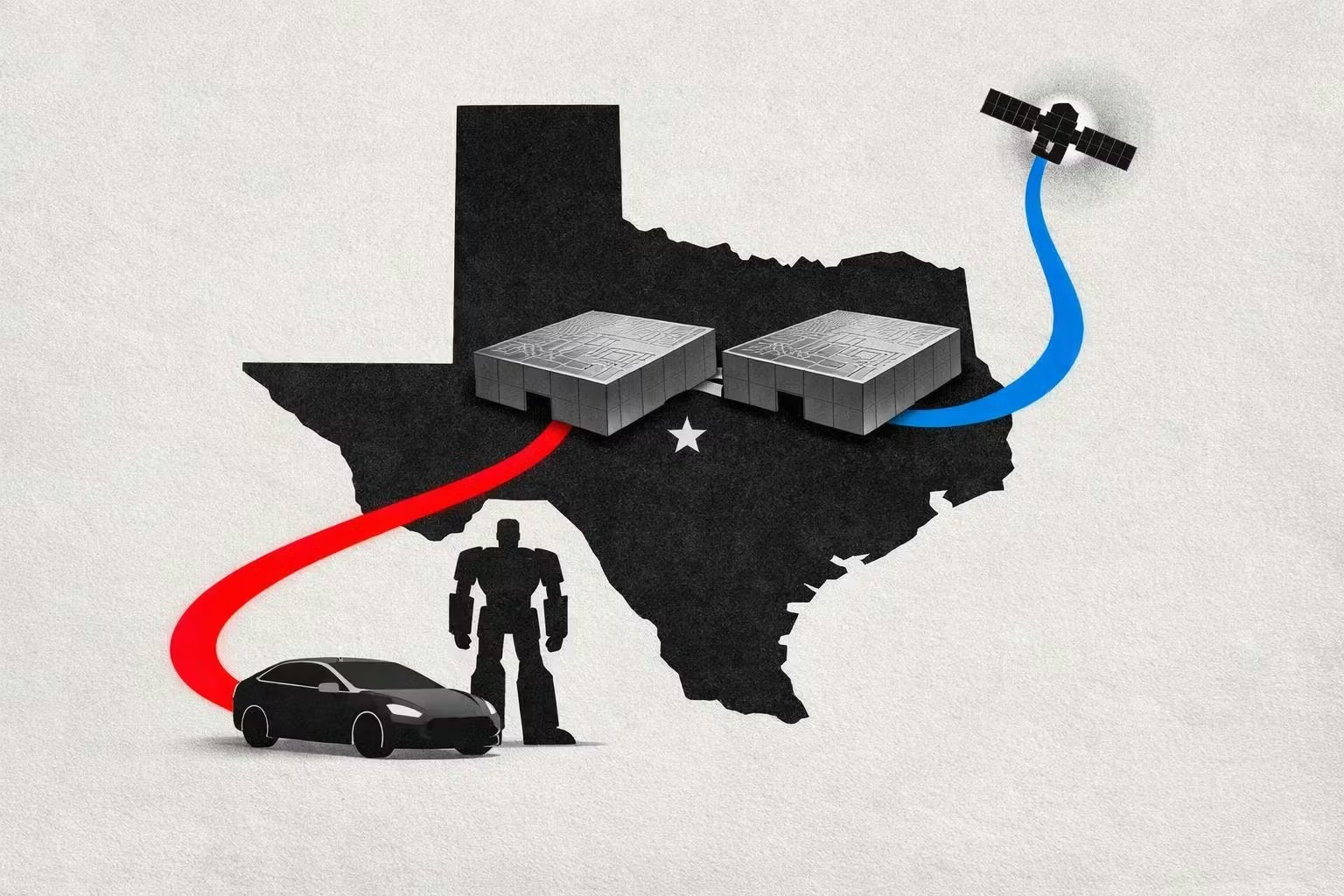
If AI demand keeps outpacing supply, advantage shifts from “best chip” to “most reliable access to fabs.” A single-design fab can squeeze performance and costs, but it also concentrates operational and capital risk in a couple of huge facilities. Even the attempt could tighten the supply chain: large buyers may push for dedicated capacity, leaving smaller customers more exposed to shortages and price swings.
Zooming out: The chip race is moving from design to control.
This echoes the EV battery playbook: when a component limits growth, companies try to own more of the stack. If firms start treating compute like critical infrastructure, expect more long-dated spending on fabs, power, and specialized chips – and more pressure on governments to support domestic production. But without a schedule, Terafab is still more statement of intent than a near-term shift in global chip supply.