In many ways, Tesla (TSLA 3.33%) has faced limited competition over the last decade. Limited competition is a big reason why the company still commands a U.S. market share of more than 50%.
Sure, other carmakers have electric vehicles (EVs) on the market. But many of those EVs are priced over $50,000, have relatively limited ranges, and lack the brand prestige of a Tesla. But there’s one emerging competitor that will give Tesla a run for its money in 2026. By 2029, Tesla could lose one of its most valuable crowns.
Tesla’s biggest moneymaker is its Model Y
On the surface, Tesla is a fairly diversified company when it comes to existing revenue streams. Roughly one-quarter of the company’s revenue comes from sources like energy storage and generation — which includes revenue from its solar and battery storage businesses — as well as a variety of revenue streams that Tesla classifies as “services and other.” And while around 75% of the company’s revenue does come from its automotive business, Tesla has many models to thank for this income stream, including the Model S, Model X, Cybertruck, Model 3, and Model Y.
Digging a bit deeper, however, reveals a more concentrated story. That portion of revenue Tesla calls “services and other” actually deals almost strictly with its automotive segment. That bucket accounts for used car sales, supercharging network fees, repairs, insurance, and other charges Tesla’s automotive customers rack up. Combined with the “automotive” revenue bucket, around 86% of revenue is tied to its vehicle sales efforts.
But the story doesn’t end there. Last quarter, Tesla delivered 418,227 vehicles to customers. More than 400,000 of those deliveries consisted of just two models: the Model 3 and Model Y. And according to most estimates, Model Y deliveries far outpaced Model 3 deliveries. Most of Tesla’s total revenue, therefore, could reasonably consist of Model Y sales, as well as services and other revenue streams related to Model Y deployments.
Now the bad news for Tesla shareholders: Next month, the Model Y will face growing competition from a rapidly expanding EV competitor.
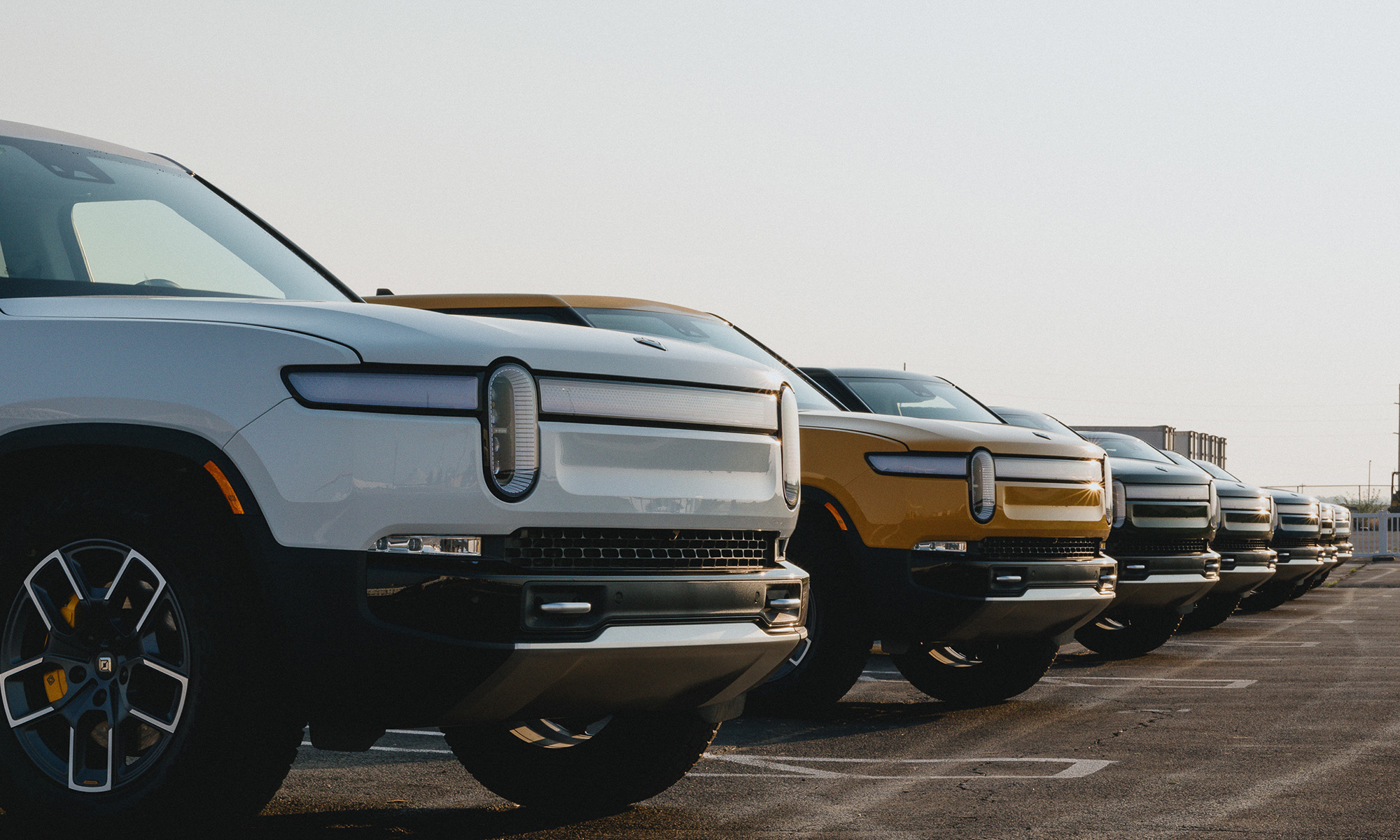
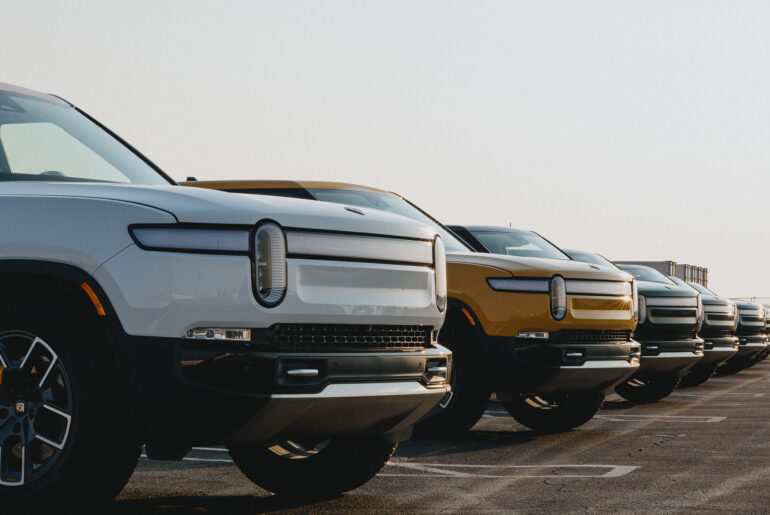
Image source: Rivian.
Rivian’s R2 SUV could unseat Tesla’s Model Y
I recently said Rivian (RIVN 7.51%) was my top growth stock for 2026 in large part because of a major catalyst that should arrive next month: the first deliveries of Rivian’s R2 SUV. That SUV model is Rivian’s first vehicle priced under $50,000. And in many ways, the R2 looks like the stiffest competition to Tesla’s Model Y in years.

Today’s Change
(-7.51%) $-1.21
Current Price
$14.91
Key Data Points
Market Cap
$19B
Day’s Range
$14.81 – $16.05
52wk Range
$10.36 – $22.69
Volume
51M
Avg Vol
31M
Gross Margin
-276.59%
The R2 SUV is a direct competitor to Tesla’s Model Y for two main reasons. First, SUVs are one of the most popular vehicle form factors. Globally, more than 50% of all vehicles sold are SUVs. Tesla’s only SUV is its luxury priced Model X, which CEO Elon Musk warns will soon be discontinued. Second, the R2 will be priced very competitively to the Model Y. The Model Y starts at $41,630, but can be priced as high as $61,630 depending on options. The R2, meanwhile, will start at $45,000, with options scaling that purchase price up to $57,990. Those are very competitive prices considering SUVs typically offer more room, and a greater bill of materials, than crossovers like the Model Y.
When Tesla began Model Y sales in 2020, its first annual sales totaled 40,001 units. Sales peaked in 2023 at 385,897 units. And while estimates vary, unit sales likely fell to roughly 250,000 units in 2025. It’s a big if, but if Rivian’s R2 launch follows Tesla’s Model Y sales ramp-up, it could reasonably exceed Model Y sales by 2029. Risks abound. Scaling production facilities and meeting sales growth targets will be challenging. But there’s already a precedent set by Tesla itself for how Rivian can overtake Tesla’s biggest moneymaker by 2029.