Most car brands arrive in America with a full cast of characters. There is usually a family crossover to pay the bills, a smaller model to bring people in, maybe a flagship to do the bragging, and something forgettable sitting in the middle because every lineup seems to need one. That is what makes the opposite situation so compelling.
A company built around just one current U.S. model line has no safe middle ground. There is no backup plan parked next to it in the showroom. No second product to explain the first one. No broader range to blur the message. Everything the brand wants to say has to be delivered through a single machine.
That creates a very different kind of automotive story. A one model brand feels more exposed, but also more honest. You can see the company’s priorities immediately because there is nothing else to distract you. Sometimes that one vehicle is charming. Sometimes it is highly specialized. Sometimes it feels wildly ambitious for a brand with so little room for error. In every case, though, it carries more meaning than an ordinary model in an ordinary lineup. It is not just transportation. It is the entire public face of the company.
That is what makes these five automakers so interesting in America right now. Each one is effectively trying to define its U.S. identity through one product and one very clear idea.
How This Count Works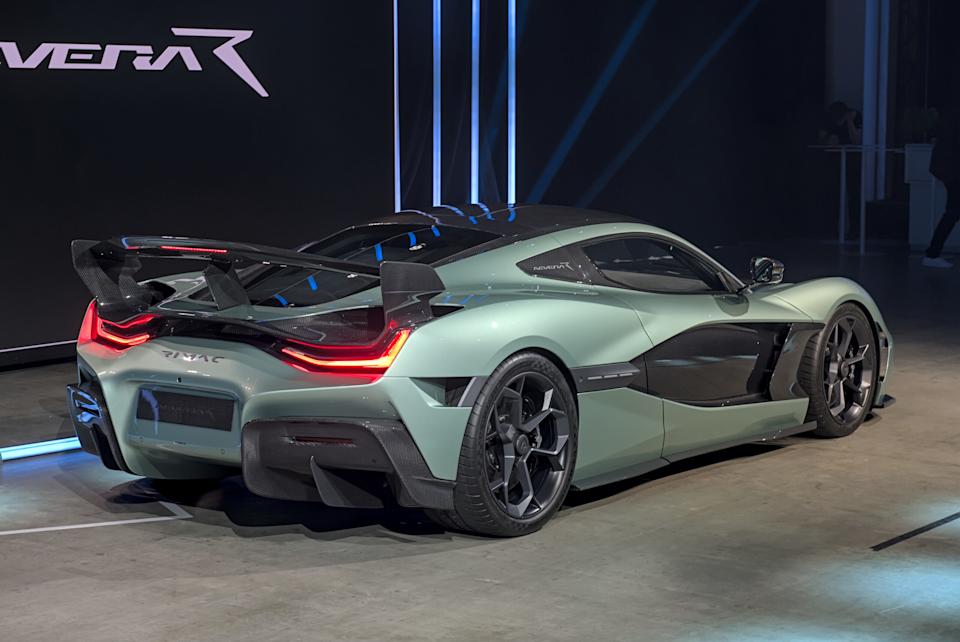
Image Credit: Alexander Migl, CC BY-SA 4.0 / WikiMedia Commons.
To keep the list focused, I used a strict filter. I counted brands whose current U.S. identity is centered on a single model line that is either on sale, in active retail circulation, or open for official reservation now. I did not count trims, special editions, or obvious variants as separate models.
I also did not give credit for future products that are still being teased without a real U.S. path to customers. That is why the final group is narrow, a little eccentric, and far less glamorous than a casual first pass might suggest.
What matters here is not just the number five. What matters is that each of these brands is effectively asking the American market to understand it through one machine alone. That creates a special kind of clarity. When a company only has one current model line carrying its U.S. message, you can see exactly what it believes it is good at. There is no filler vehicle to soften the story.
No budget hatchback to bring people in. No second act to explain the first. These five brands are unusually exposed, and that is exactly what makes them worth looking at.
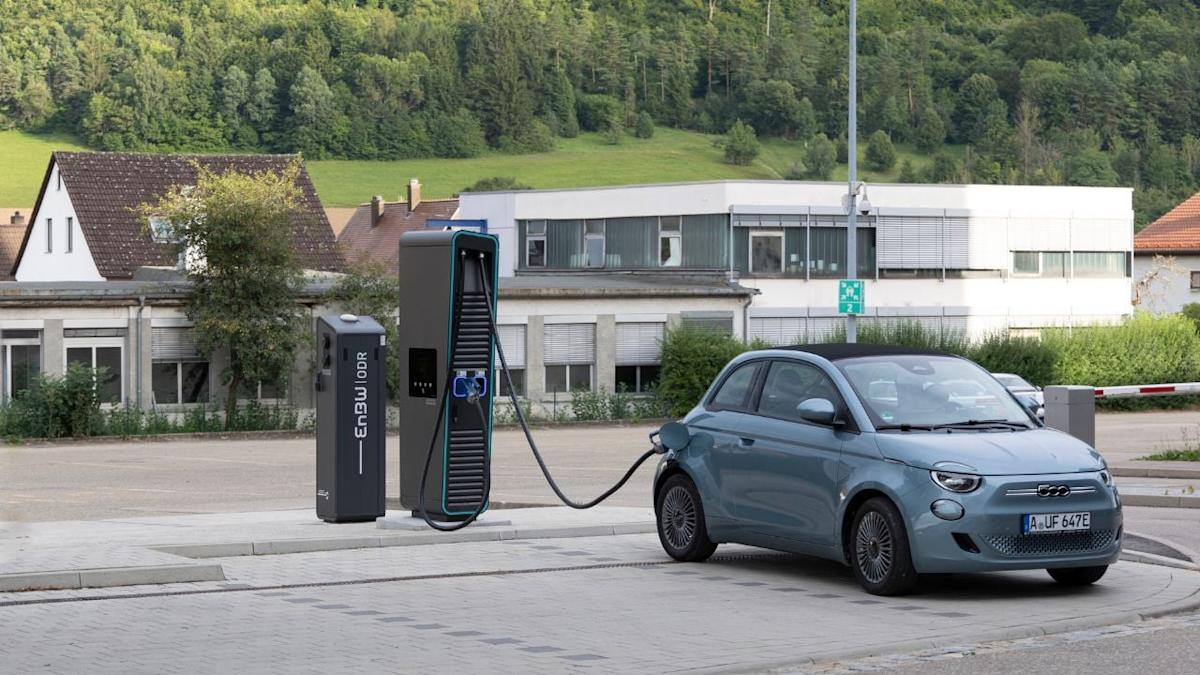
FIAT 500e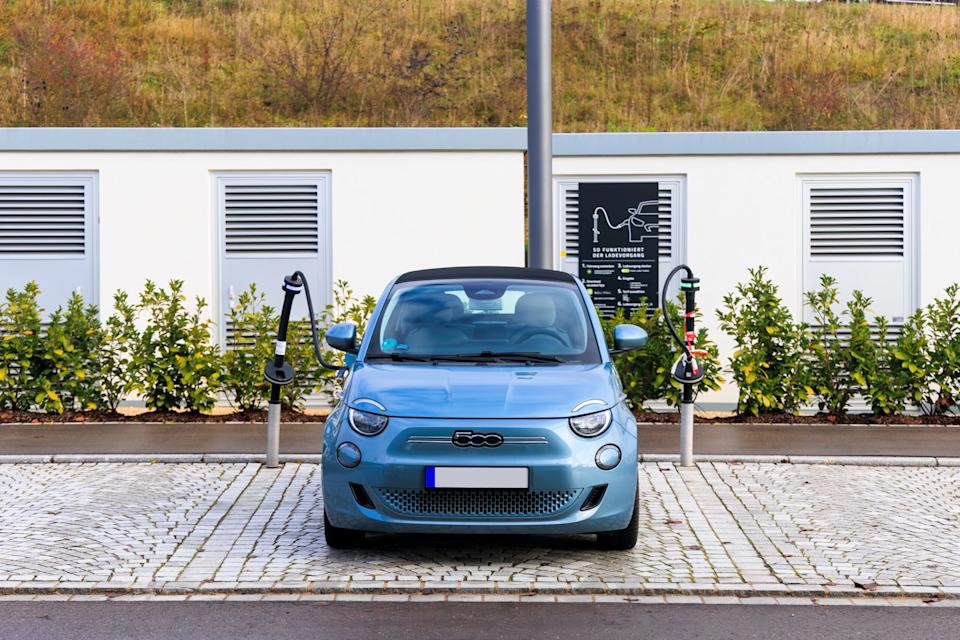
Image Credit: Werner Rebel / Shutterstock.
FIAT’s American lineup is now almost shockingly simple. The brand’s U.S. “All Vehicles” page lists only the 500e, with current 2024 and 2025 versions shown as the full new vehicle offering. That gives the little electric hatch a much bigger role than its size suggests. It is no longer just a stylish niche EV. It is the whole American face of FIAT. In a way, that makes sense.
If the brand was going to shrink back to one product here, the most faithful choice was always going to be a small city car with strong personality and obvious Italian flavor. The 500e still carries that identity beautifully. FIAT’s site pegs the 2025 model at a $32,500 starting MSRP, which is not bargain basement territory, but the appeal was never supposed to be purely rational.
What makes the 500e work in this role is that it feels coherent. A lot of single model brands look accidental, like the lineup collapsed around one survivor. FIAT looks more deliberate than that. The 500e is charming, urban, and immediately recognizable. It gives the brand one strong visual idea instead of a scattered portfolio. That may not make FIAT a volume player in America again, but it does make the company easier to understand.
If you are going to hand your entire U.S. identity to one car, handing it to a cheerful little EV with real heritage behind it is a far better move than pretending the brand needs three forgettable crossovers.
Moke Electric Moke
Image Credit: Moke America.
Moke America is proof that a one model brand does not need to chase conventional usefulness. It only needs to know exactly what kind of life it wants to serve. The company’s own site makes that point immediately. In the U.S., everything revolves around that single open air EV.
The specs tell you what sort of machine it is: up to 80 miles of range, a top speed of up to 45 mph, four seats, and a six hour full charge from a standard household outlet. This is not a commuter weapon or a family road trip tool. It is a leisure object, a style statement, and a low speed social vehicle for places where driving is part transportation and part atmosphere.
That is exactly why the Moke fits this article so well. It is impossible to separate the product from the brand because the product is the brand. There is no larger range of practical vehicles standing behind it. No “serious” model to make the company look more conventional. Moke America lives or dies on whether buyers in coastal communities, resort towns, and wealthy neighborhoods want this one particular flavor of fun. In a market that usually rewards scale and flexibility, that is a daring way to operate.
Yet there is also something refreshing about it. The Moke does not pretend to be more universal than it is. It knows its audience, knows its setting, and sells one very specific idea with complete commitment. For a one model automaker, that clarity is half the battle.
AFEELA 1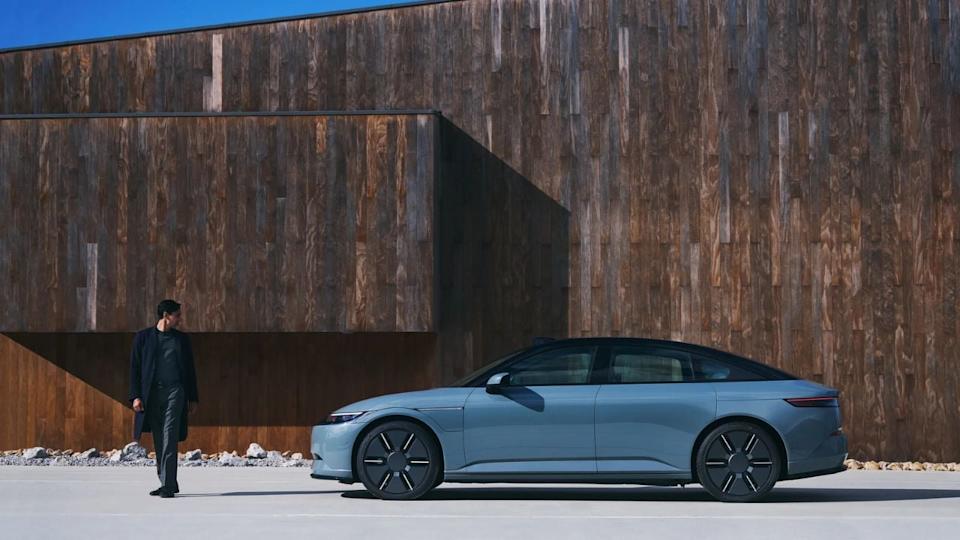
Image Credit: Afeela.
AFEELA is one of the newest and most high-profile names on this list, and it also needs the clearest caveat in the article. In the U.S. market right now, the brand is built around AFEELA 1, with reservations open in California and first California deliveries scheduled within 2026. Sony Honda Mobility presents AFEELA 1 Signature and AFEELA 1 Origin as trims within that single model line.
The site also notes an estimated 300 miles of range for the Origin and describes the vehicle as being equipped with 40 sensors. That gives AFEELA a very modern type of one model launch. Rather than arriving with a mini lineup, it is entering the U.S. through one carefully staged, tech heavy flagship sedan meant to define the brand before anything else does.
What makes AFEELA so interesting here is the kind of burden its first car carries. This is not just a new EV. It is Sony Honda Mobility’s public identity. The car has to sell the software story, the entertainment story, the design story, and the autonomous driving ambition all at once. That is a lot to ask of one machine, but it also creates unusual clarity.
Nobody will misunderstand what AFEELA is trying to be in America. The company is leading with one premium tech oriented sedan and asking buyers to judge the whole brand through it. That is risky, but it is also cleaner than the scattershot launches that usually dilute new automotive brands before they ever find their voice.
Czinger 21C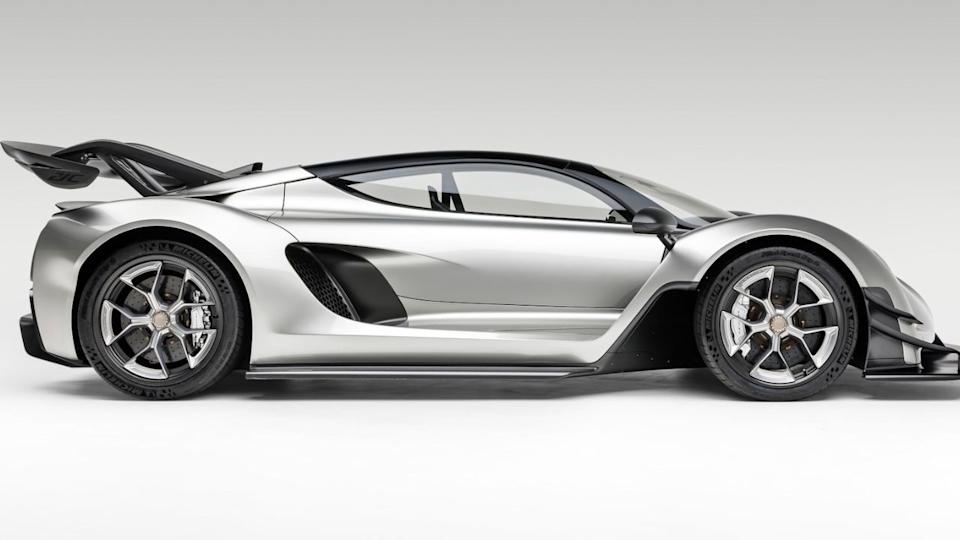
Image Credit: Czinger.
Czinger may be the most extreme example of how a one model automaker can still feel serious in America. The company’s own website is beautifully blunt about it: “The Czinger 21C hypercar is designed, manufactured and assembled in Los Angeles, California.” That is the current U.S. story in one sentence. Czinger exists in the public eye through one extraordinary hypercar, and the whole brand message flows from that single machine. It is also not a paper project. Dealer sites in the U.S. are already built around the 21C, which gives the car a real market presence beyond concept car theater.
That makes the 21C a fascinating one model case. Most young brands would try to broaden themselves as quickly as possible, even if that meant stretching into categories they had no business entering. Czinger has done the opposite. It has chosen to define itself through one wildly ambitious, low volume, technologically aggressive hypercar. That is a very hard road, but it also creates an unusually pure identity.
There is no confusion about what the company wants to be known for. The 21C is not just its only current model in America. It is the entire proof point for Czinger’s manufacturing philosophy, engineering confidence, and design ambition. In a market full of diluted brand messages, that kind of singularity is rare.
Rimac Nevera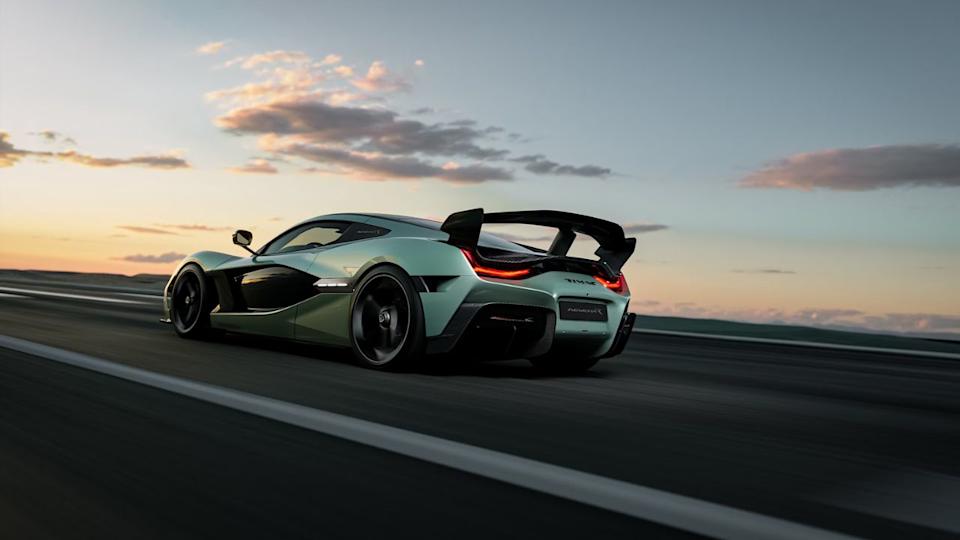
Image Credit: Rimac.
Rimac belongs here because its American retail presence is built around the Nevera family and nothing else. The company’s retailer map lists U.S. partners in places like Greenwich, Beverly Hills, Rancho Mirage, Naples, and New York, and the site navigation itself is centered on “Nevera & Nevera R.” That is the crucial distinction. Rimac is not trying to support a layered lineup in America. It is presenting one hypercar program, with a more extreme variant inside the same core family, and using that single product to define the company’s U.S. image.
That approach makes perfect sense for a company like Rimac. At this level, breadth can actually weaken the message. The whole point is to be singular, technologically uncompromising, and rare enough that even seeing one feels like an event.
The Nevera does that job beautifully. It gives Rimac a clean identity in the American market: ultra high performance electric engineering, no distractions, no cheaper companion model, no halfway step into mainstream relevance. That makes the brand feel more concentrated than most legacy marques with ten times the showroom footprint. In ordinary automotive terms, a one model lineup can look fragile. In the hypercar world, it can look like confidence. Rimac turns that logic into an advantage.
Why One Model Brands Still Matter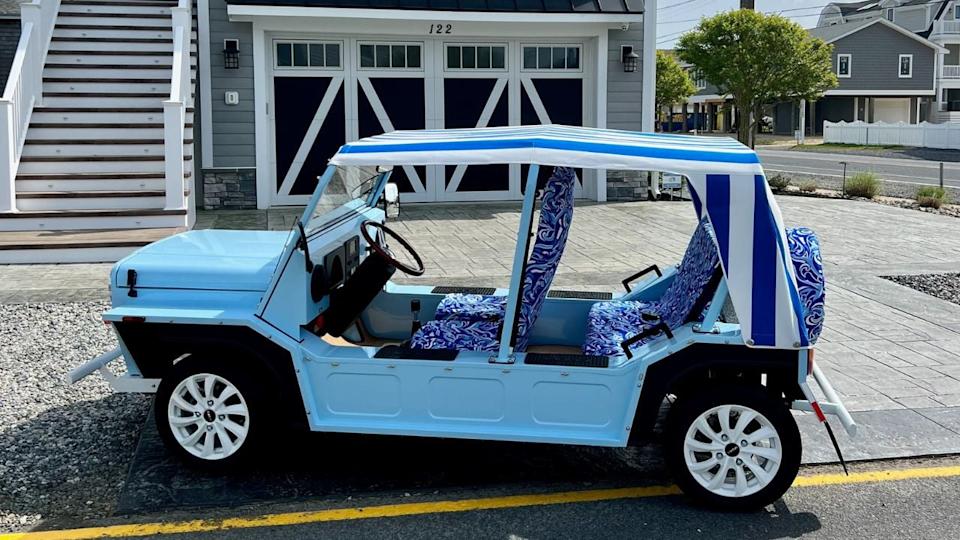
Image Credit: Moke America.
That is the strange beauty of these brands. They do not get to hide behind volume, familiarity, or lineup padding. Every impression runs through one vehicle, which makes each company feel more vulnerable and more readable at the same time. In a market full of oversized portfolios and carefully managed corporate sameness, there is something almost refreshing about that kind of exposure. You know exactly what the company is betting on because the bet is sitting right in front of you.
And maybe that is why these one model automakers linger in the mind a little longer than they should. They feel less like brands following a formula and more like brands making an argument. Sometimes the argument is practical. Sometimes it is emotional. Sometimes it is a little eccentric. But it is always clear. That clarity gives these companies a kind of personality many much larger automakers would probably love to have. One car, one message, no place to hide. In today’s American market, that is not just unusual. It is genuinely interesting.
Read More
Four Things You Should Never Use WD-40 On