BMW
Not too many brands are offering electric compact luxury sedans in 2026. In fact, there’s only about two currently actively competing in the segment, and the last time BMW was here, it was made irrelevant by other models in the lineup.
The original i3 was produced from 2013-2022 and discontinued in the US after 2021. Available with both an extended-range EV or fully-electric powertrain, the i3 had a nine-year run that garnered it small praise here and there. However, that badge is returning to a more capable suitor: the 3 Series. With more at stake this time around, now that it’s attached to BMW’s iconic sport sedan, the i3 nomenclature needs to deliver like it never has before. Here’s where we think the upcoming i3 50 xDrive shines best.
Neue Klasse Styling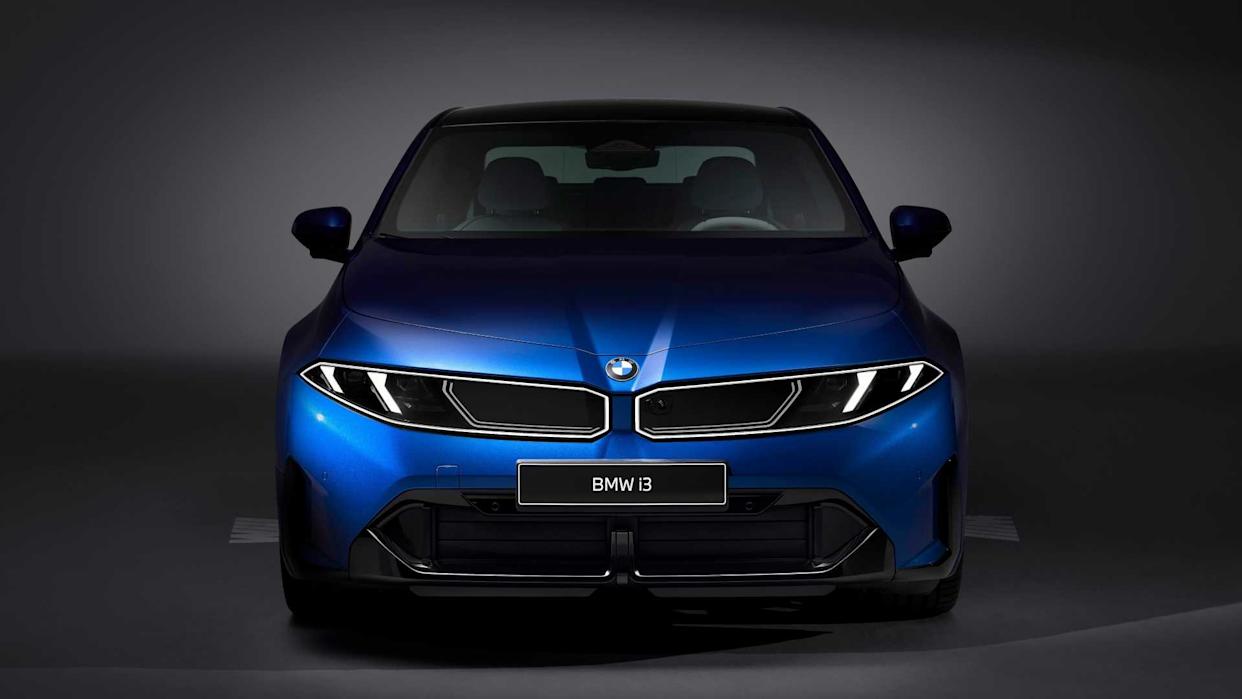
2027 BMW i3 Exterior Studio Front View 2
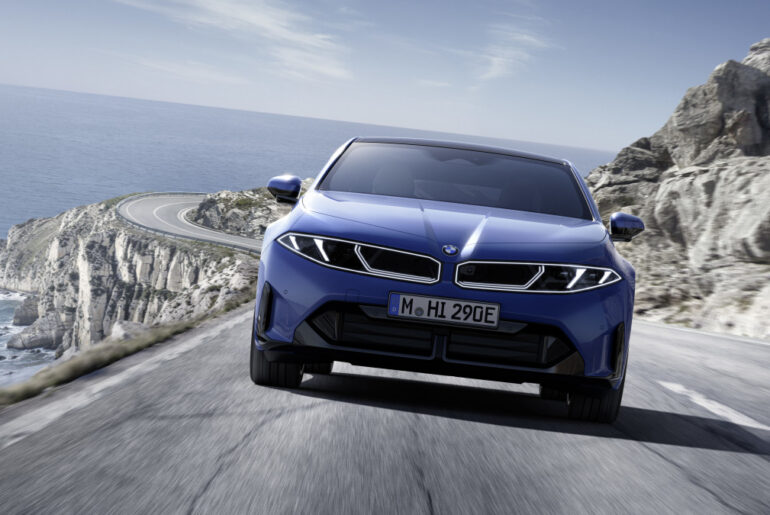
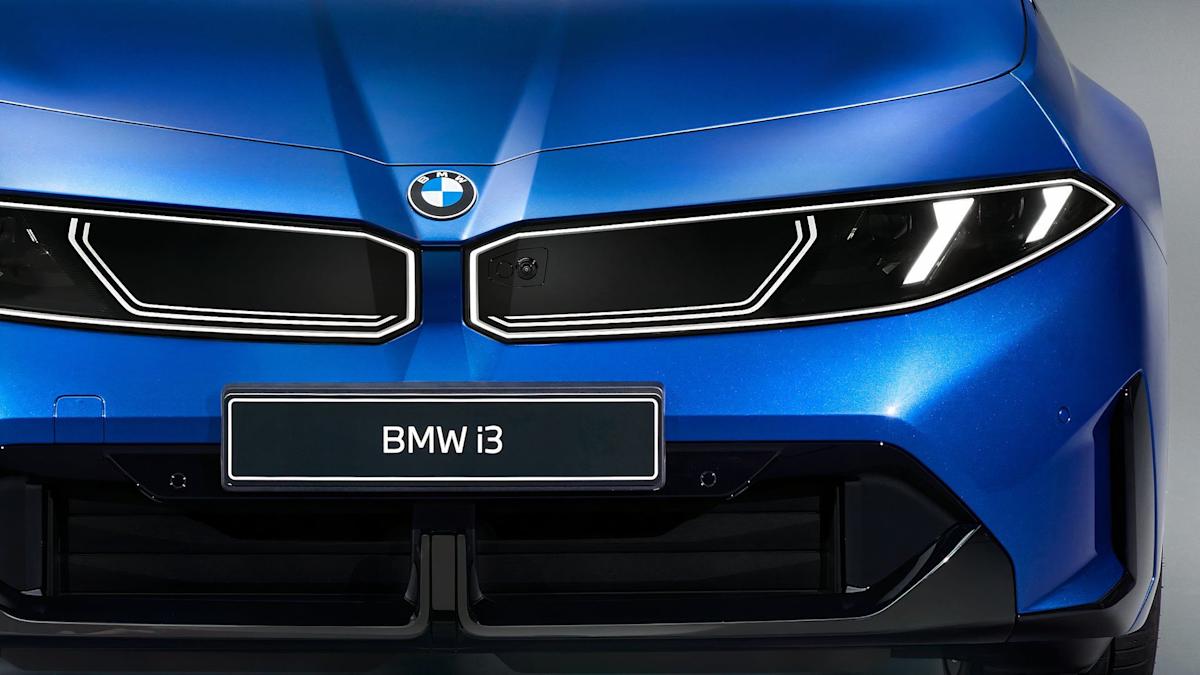
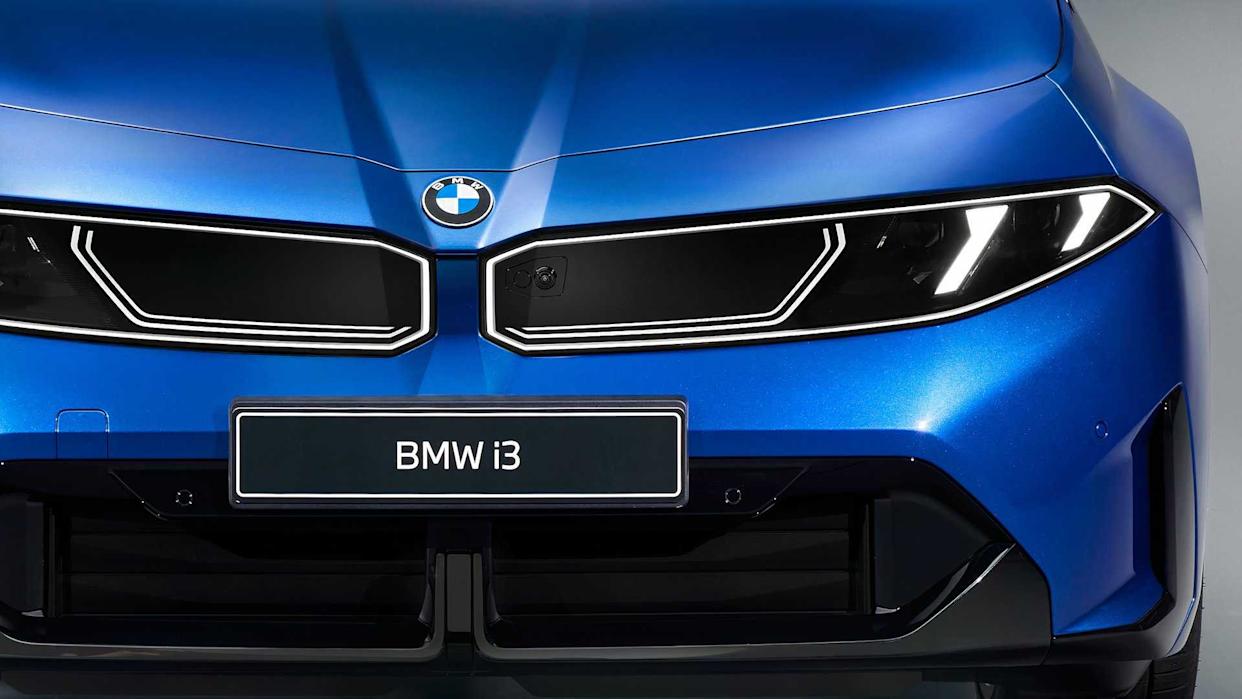
If you can name any brand-new small electric sedan not styled after the aerodynamics of a jelly bean, the next drink’s on us. Since we’re struggling to think of any, the i3 is a refreshing change of pace as it sports BMW’s “Neue Klasse” styling and electric architecture like all forthcoming EVs from the brand. Reminiscent of the E21 BMW 3 Series of the 1980s, the new i3 pulls inspiration from the E21 with its smaller kidney grill, slab sides, and traditional Hofmeister kink on the C-pillar indicative of classic BMW styling.
Projected 440 Miles Of Range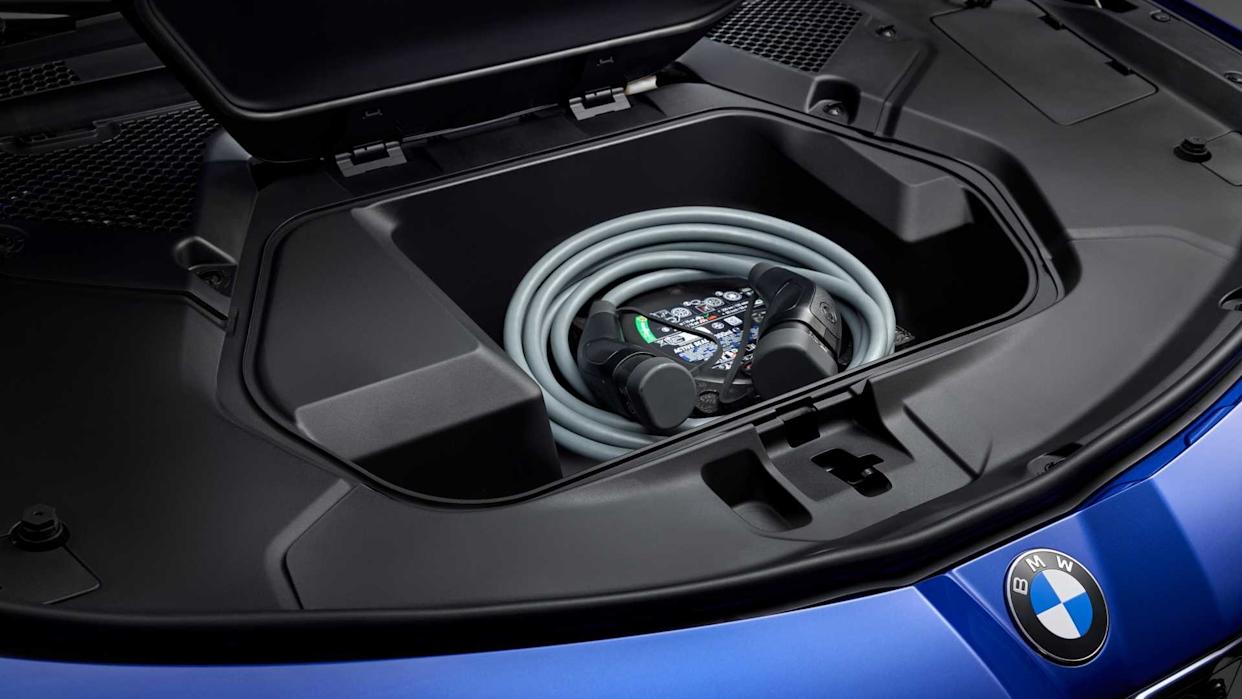
BMW
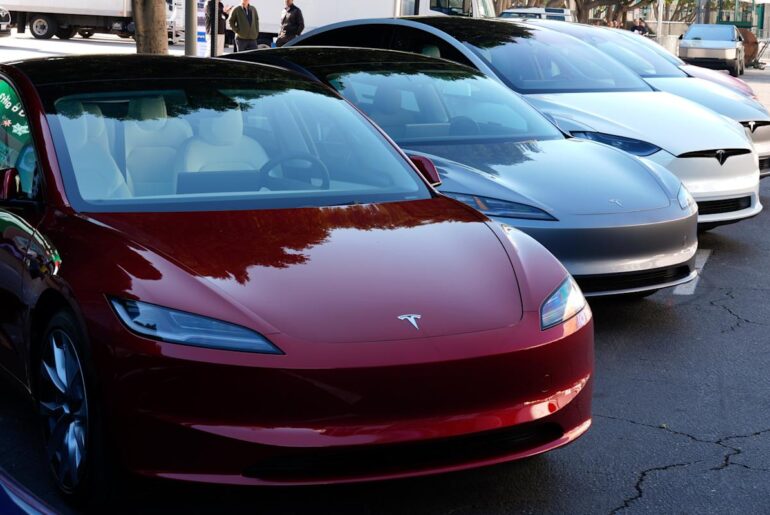
BMW claims the range of the upcoming i3 is projected to be up to 440 miles. If true, this blows the doors off the range estimates of the Tesla Model 3 Long Range RWD (363 miles) and the Mercedes-Benz CLA 250+ (374 miles). EPA test results are not public yet and will either confirm this or provide a range nearer to where the Tesla and Mercedes play. Not that 440 miles isn’t doable—the batteries used in the Neue Klasse architecture have a 20% increase in volumetric density than the previous generation of batteries—it’s just a far reach before the EPA posts its findings.
Note that BMW specifically mentions volumetric density, which measures how much energy can be stored in a specific volume, not capacity, which measures the total energy stored in a battery. This translates to the newer batteries being more compact while still containing the same amount of stored energy.
BMW EVs Deliver On Dynamics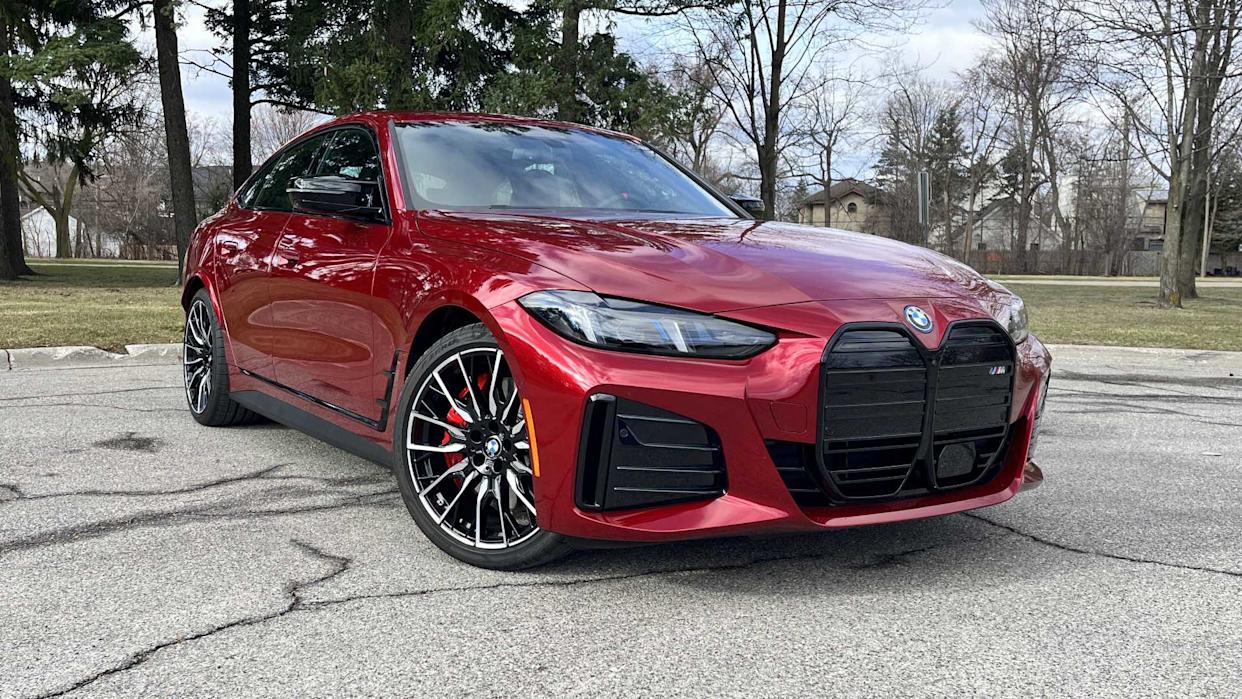
2025 BMW i4 M50 front three-quarter
Should the i3 perform anything like the i4 that CarBuzz journalist Joel Stocksdale reported, the latest electric BMW is shaping up to be one for the ages. He described the i4 as being a great two-car solution thanks to its dual personalities and ability to switch between a swift back-road bomber and a docile commuter. The flat-pack design of the battery bolted to the floor of the i3 provides tortional rigidity as well as drives the center of gravity down closer to the ground, aiding dynamics in two key areas. Also, the i3’s max combined output from its dual-motor system of 463 horsepower and 476 lb-ft. of torque will certainly help, too.
All-New “Heart of Joy” Dynamics System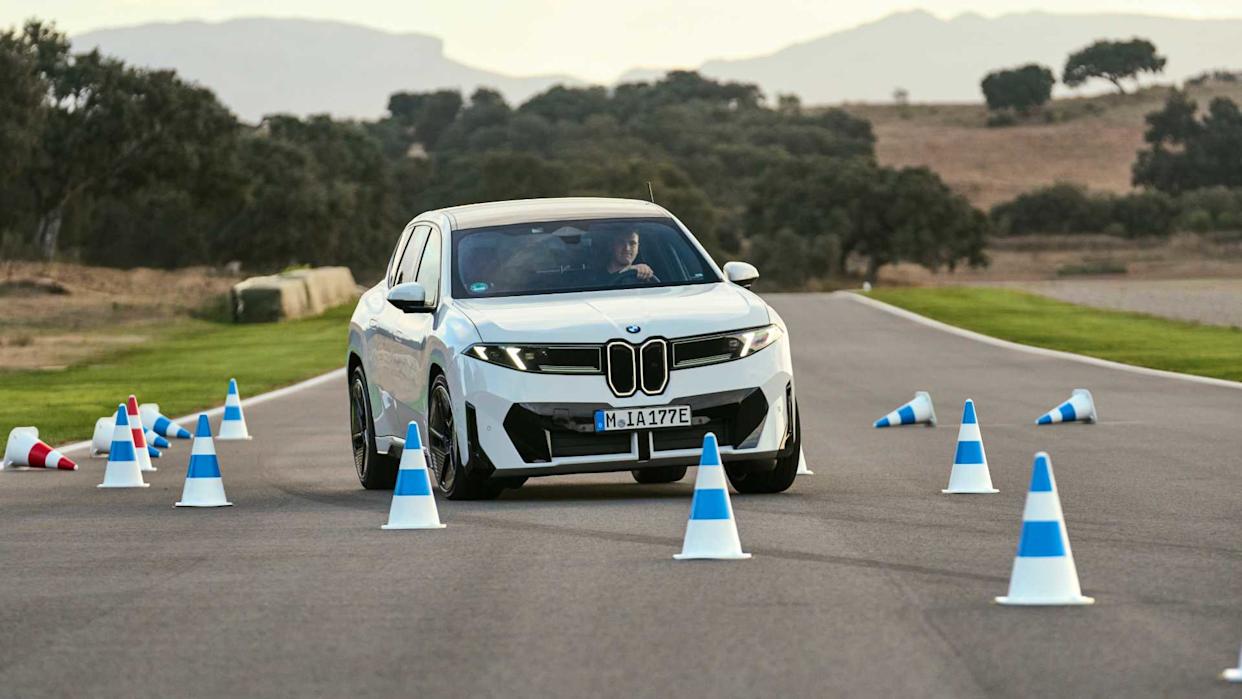
BMW
Part of the automaker’s rollout of Neue Klasse vehicles is a new EV dynamics system called “Heart of Joy,” slated to provide fast and responsive driving characteristics. In-keeping with its promise to build “the ultimate driving machine,” BMW developed this new system to gauge inputs in acceleration and steering to then spit back out cohesive power delivery in all kinds of scenarios.
Not just for fun, the system directs brake regeneration and power recovery to either side of the axle depending on cornering speeds and brake usage. The enhanced brake regen system is also said to help bring the i3 to a dead stop in a smooth fashion when dialed up for city driving. Other branches of the system cover automated driving (up to Level 2) and even aid in parking.
Highly-Customizable Infotainment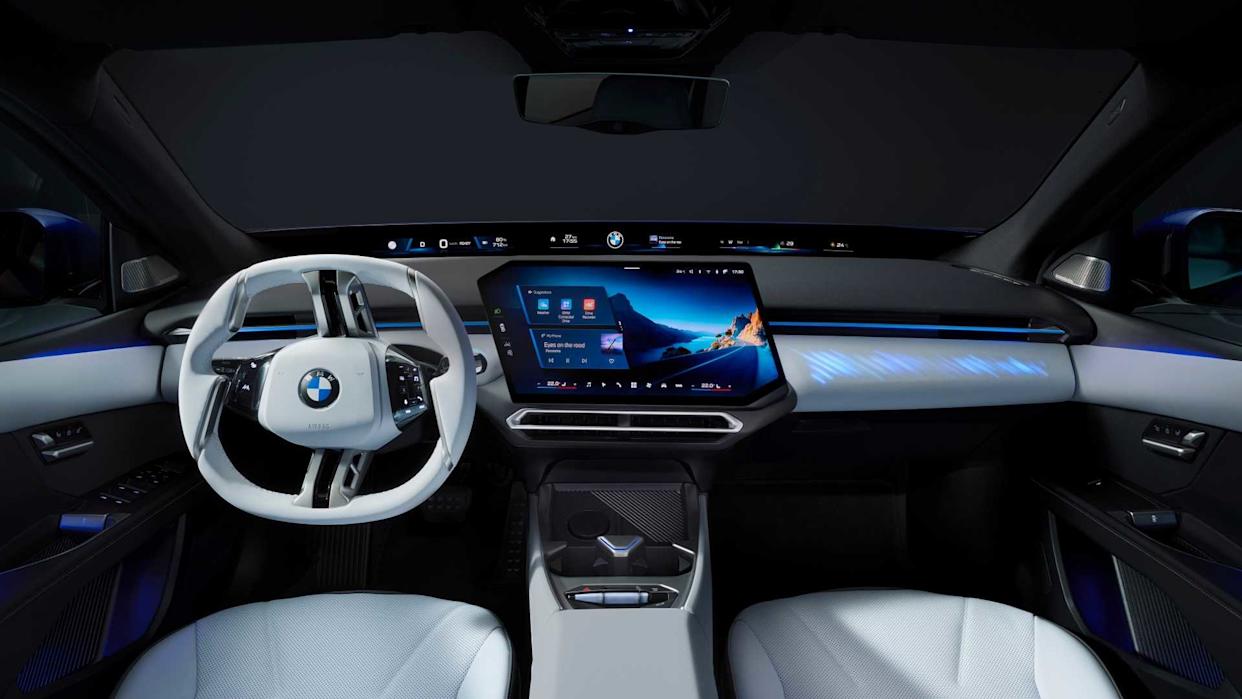
BMW
Long gone are the days of the clunky iDrive system first seen in the 2001 7 Series, the company now offers a vastly different way to interact with its vehicles’ infotainment system. The new Panoramic Vision iDrive screen stretches across the horizon from A-pillar to A-pillar where the windshield meets the dashboard and can be customized to display different information based on driver preferences.
The unconventional 17.9-inch parallelogram center screen is the main point of interaction with the latest iDrive system. The 3340x1440p screen is where all controls live for the climate, radio, vehicle systems, and other media. If the devil is screen-based infotainment in all future cars, we’re at least happy with BMW’s richly colorful high-definition displays.
Pricing Outlook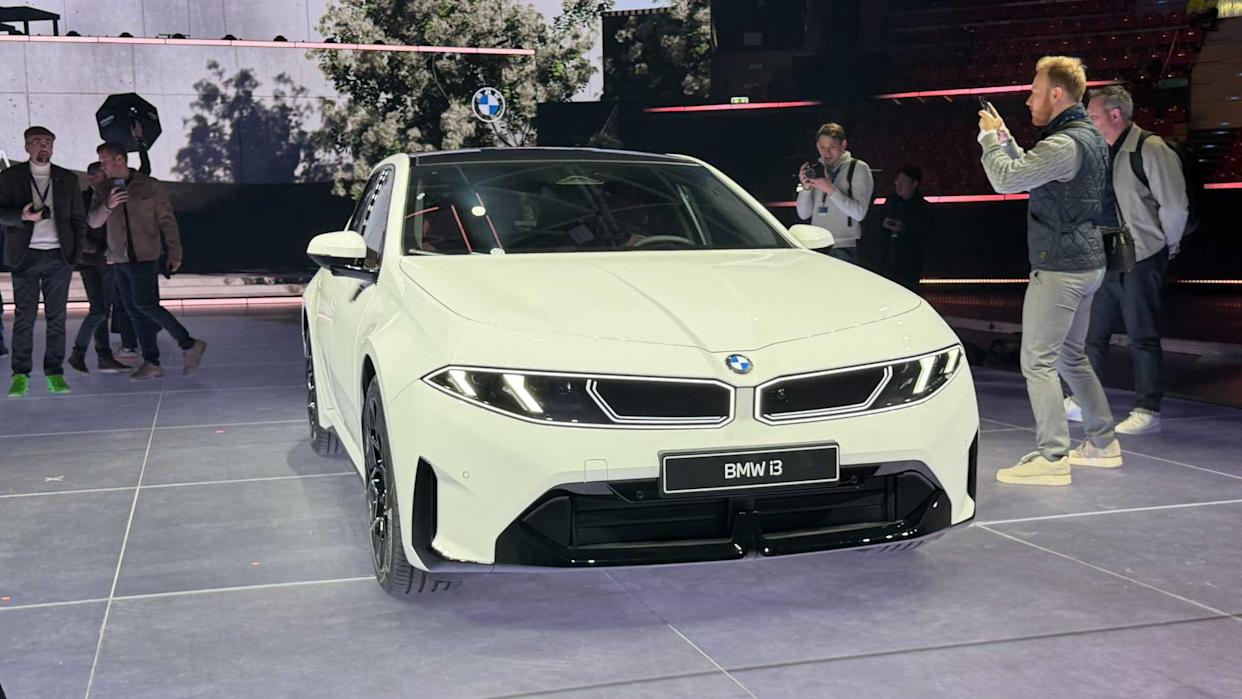
2027 BMW i3 Neue Klasse – Brett T Evans (35)
While the most important figures will be posted by BMW later this year, we can do some guess-timating as to where the i3 will fall in the brand’s portfolio relative to others and the competition. The i4 eDrive40 starts at $57,900 before destination, while the current generation 330i Sedan begins at $48,000.
We expect pricing to start in the low-to-mid $50,000 range, putting it in direct competition with the Tesla Model 3 Performance AWD, with higher trim models pushing north of $60,000 as the i4 M60 starts at $70,700. A gasoline-powered 3 Series will debut later this year with pricing relatively similar to current rates, we believe.
Use Of Recycled Materials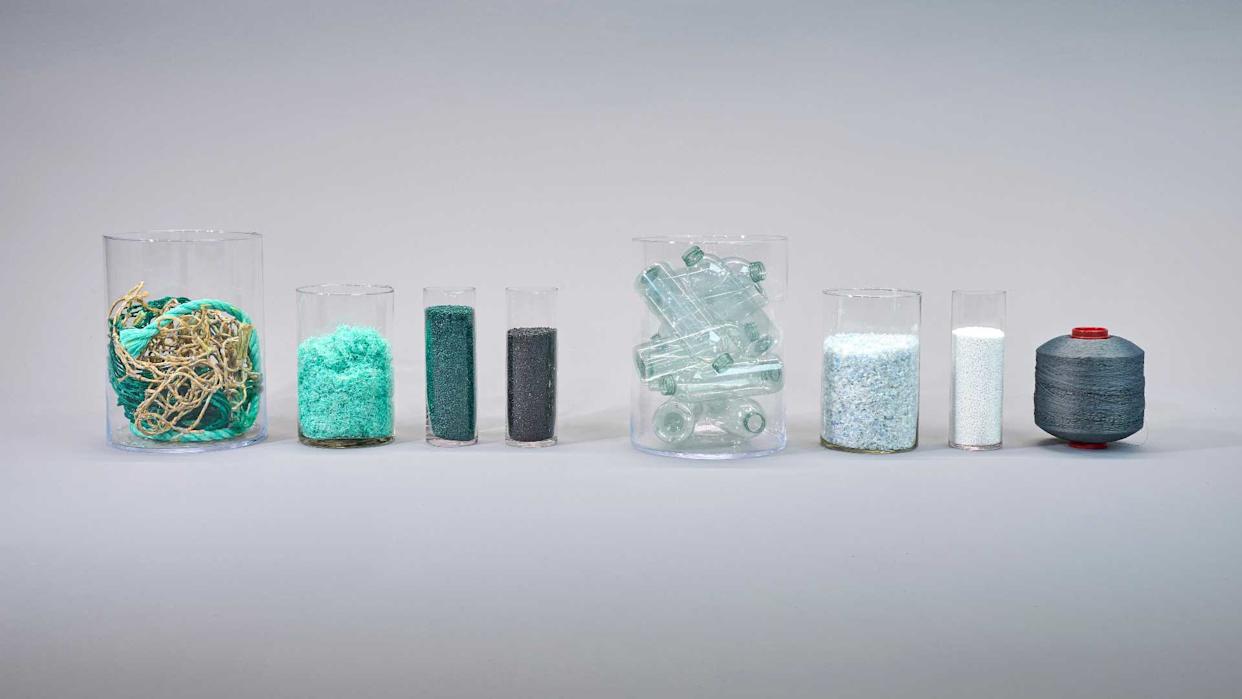
BMW
BMW estimates the i3 consists of 30% recycled materials spanning from interior fabrics, plastic trim pieces, and even the metal inside the battery. Part of the brand’s commitment to the Paris Climate Agreement to be Net Zero by 2050 involves using large portions of secondary materials sourced from scraps throughout the building process.
Swivel bearings and wheel hub assemblies are made with 80% secondary material, while the cast aluminum rims are built with 70% recycled metal along with the electric motor housing using roughly 66% recycled material. Volvo boasted its EX30 as having 17% recycled materials back in 2023, but this looks like it’s one-upped the Swedes in that department.
Cutting-Edge Battery Technology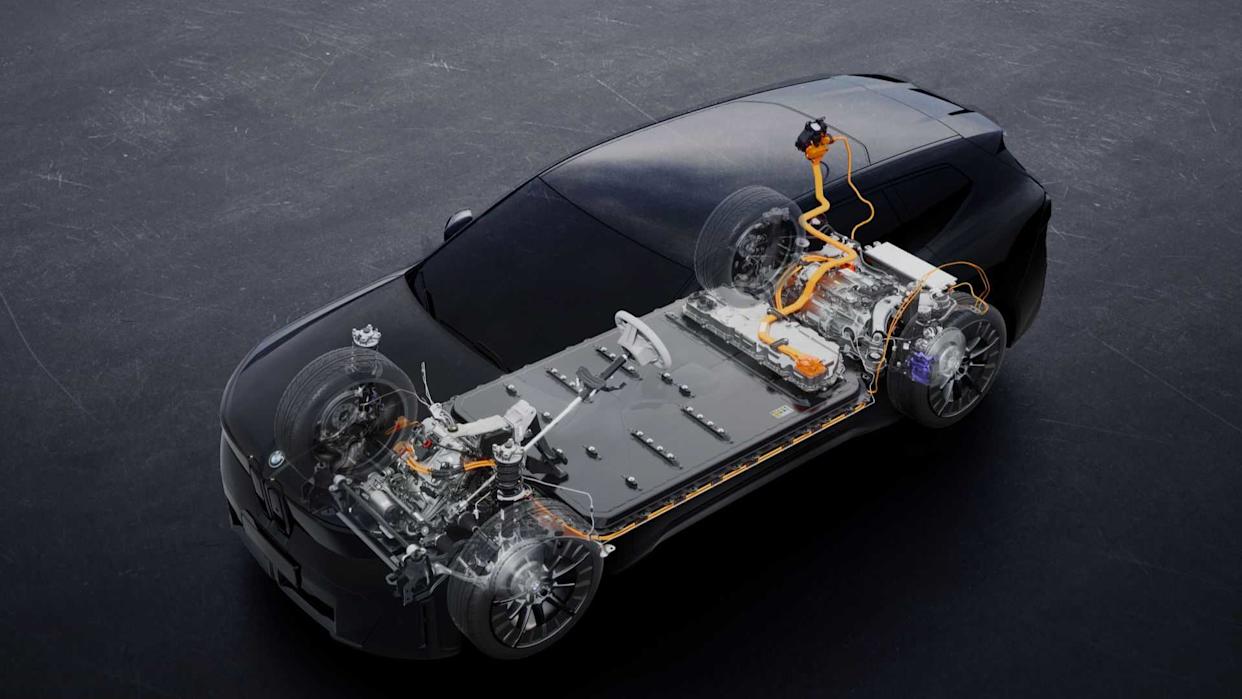
BMW
BMW is employing an 800-volt architecture for its Neue Klasse vehicles, seen in the i3 with 400 kilowatt DC charging and highly aspirational range estimates. For the i3 50 xDrive, two electric motors (one on the front axle and one at the rear) work together to produce 463 horsepower and 476 lb-ft. of torque. The i3’s system supports bidirectional charging in Vehicle-to-Load (V2L) and Vehicle-to-Home (V2H) use cases. The i3 sports a NACS charging port which gives the car access to Tesla’s Supercharger network.
Just like the Ford F-150 Lighting and company, the vehicle’s battery can be used to power small tools or appliances along with sending stored energy back into your house to reduce energy costs. The Model 3 offers V2H capability but not the football tailgate-friendly V2L required to power-up any toys.
The Best Of Both Worlds: Range And Power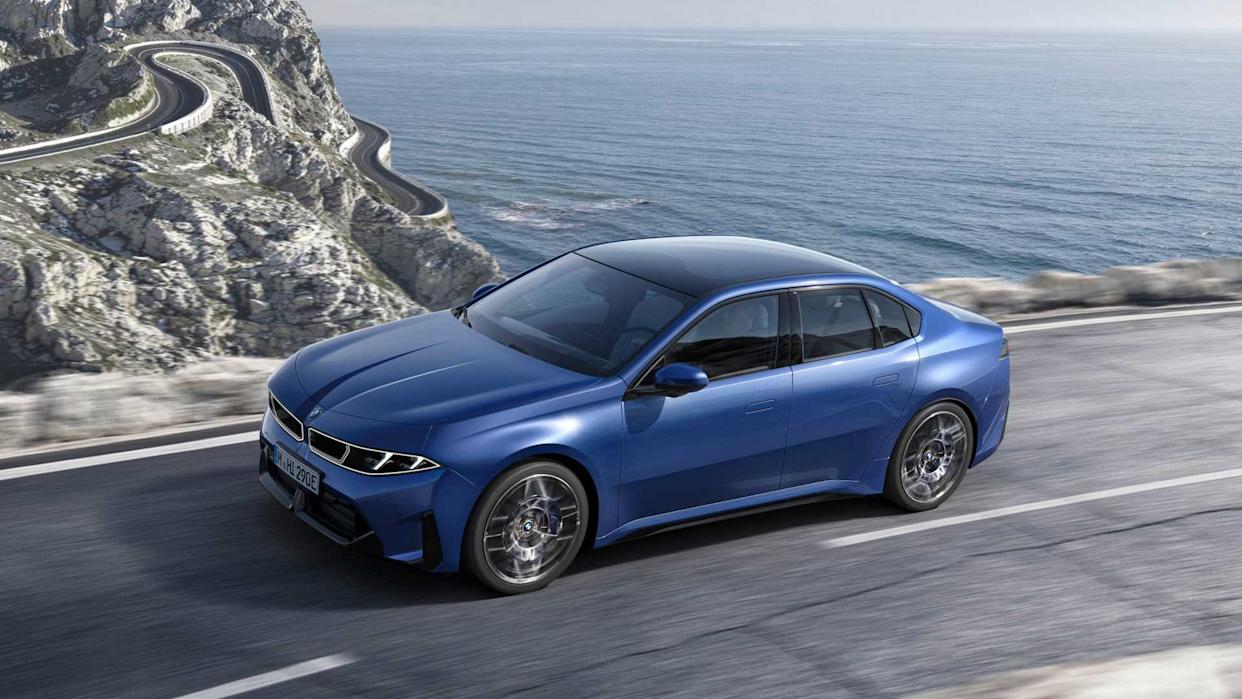
BMW
It might not best the Model 3 Performance’s 510 horsepower at just 463 ponies, but it doesn’t sacrifice gobs of range like the Tesla to do so. The Premium Rear-Wheel Drive is rated at an EPA estimate of 363 miles, whereas the Performance All-Wheel Drive clocks in at 309 miles. BMW says the i3 50 xDrive, with its dual-motor AWD system, has the potential to reach 440 miles on a single charge as observed under the same EPA testing standards. Since the way the EPA tests vehicles is different than real-world testing, this preliminary claim is nothing to sneeze at should it return comparable figures after the fact.
Better Still, It’s Not The Old i3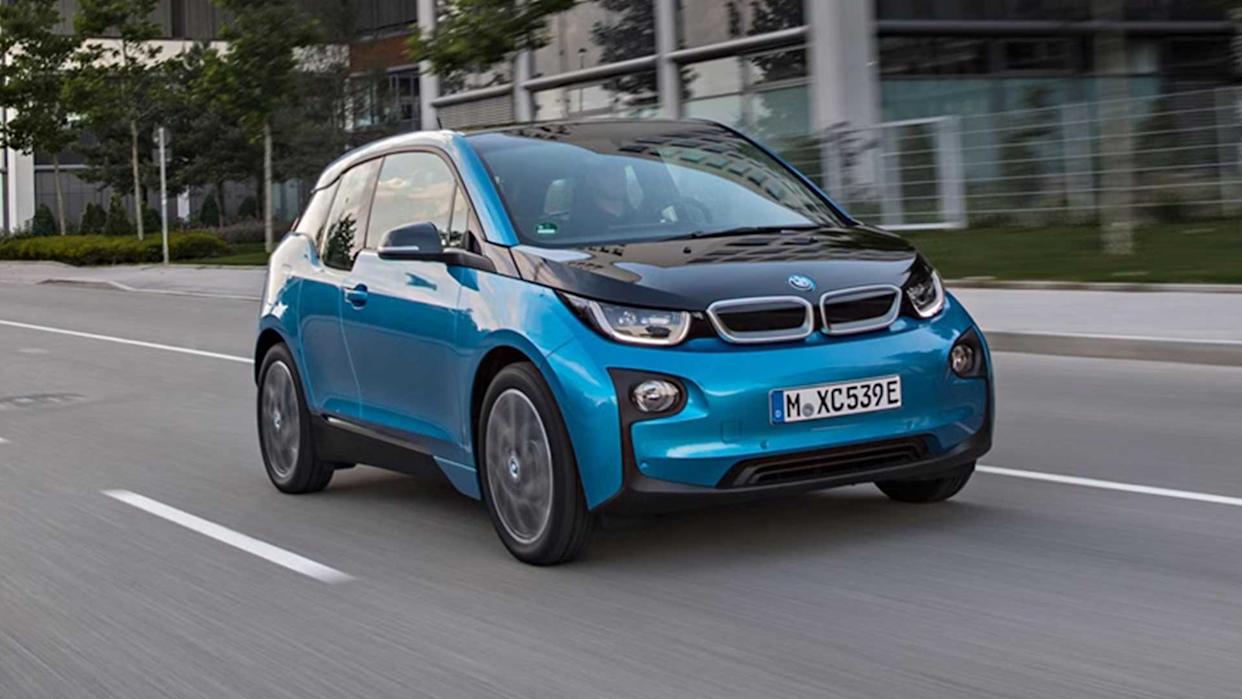
Blue 2015 BMW I3 nose
The small hatchback that rolled-out alongside the sporty i8 as part of BMW’s original foray into “i” branded electric cars wasn’t treated kindly at first. At a time when the Chevy Volt was delivering strong range estimates and cost slightly less than the i3’s base price of $43,000, the Bimmer wouldn’t be flying off the showroom floor. Its carbon fiber construction proved pricey and unconventional rear doors and tiny motorcycle engine didn’t fare well against the competition to build a fuel-efficient compact.
However, it was a great little runabout in-town despite its quirks and lack of love from the masses. This kind of thinking is still alive in BMW’s electric offerings and is prevalent in the new i3. It’s a more practical application of fun-to-drive yet efficient powertrain in a classic sedan format, on top of sporting BMW’s new styling cues which harken back to older models. The fact that it isn’t based on the original i3 is more than enough reason to look forward to seeing them on the street. But the other reasons mentioned help to bring that name some well-deserved praise it missed out on the first time around.
Sources: BMW Group, Mercedes-Benz, Tesla