Falling off a bike and suffering a scrape is part of growing up, but the surge in popularity of high-powered e-bikes across Australia is leading to children sustaining potentially deadly “hidden” injuries instead, a doctor has warned.
As bans on children riding e-mobility devices are being considered by several states, a frontline surgeon says more must be done to stop “preventable injuries”.
Paediatric surgeon Bhavesh Patel said the emergency department of the Queensland Children’s Hospital was busiest on afternoons, when children leaving school get into accidents on their e-bikes and e-scooters.

Dr Bhavesh Patel says the most common time for children to present to the emergency department with injuries from e-bikes is after school. (ABC News: Luke Bowden)
“The average age of all of the children presenting to hospitals with injuries is 10,” he said.
Dr Patel said the intensity of e-bike crashes could lead to hidden internal injuries that weren’t immediately apparent and took time and effort to diagnose.
“These aren’t the minor injuries that we can just do a quick x-ray and give some pain relief and go home … they take time to diagnose.
“These are hidden injuries, so they do take a lot of time and resource, and they’re terrible injuries.”
A study using data from admissions at the QCH found e-scooter injury-related admissions at hospitals more than doubled between 2021 and 2024, with young boys accounting for three-quarters of admissions.
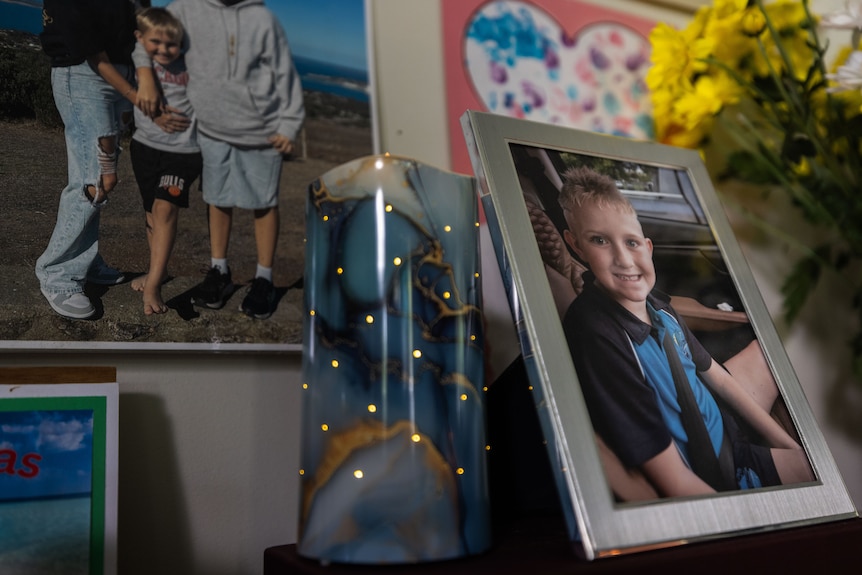
Zeke Hondow was killed after an alleged head-on crash e-bike collision last year. (ABC News: Luke Bowden)
‘It’s still a nightmare’
Eight-year-old Zeke Hondow was killed after an alleged head-on e-bike collision on Queensland’s Sunshine Coast last year.
“He used to fall off his bike all the time, lots of cuts and bruises,” said his mother, Kloe Weedon.
“So it still feels like it’s not real, it’s still a nightmare in my eyes.”
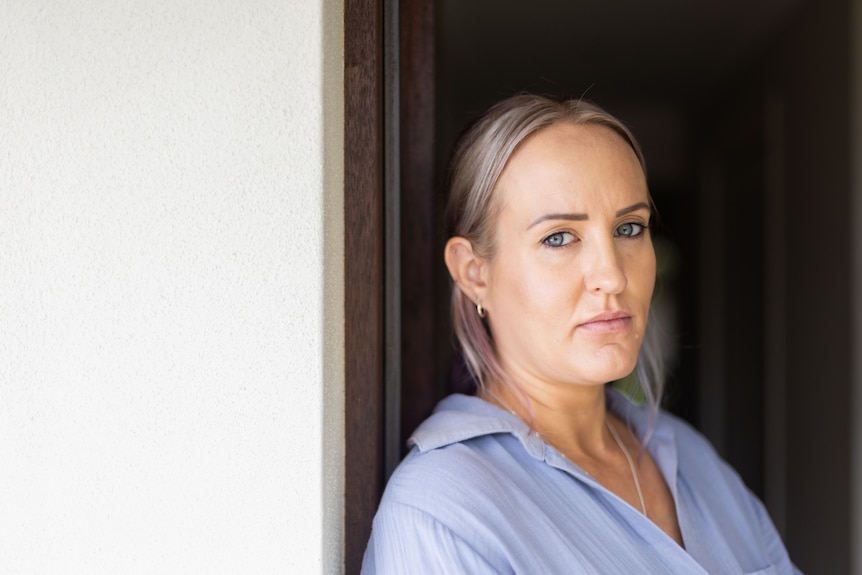
Zeke Hondow’s mother Kloe Weedon says he sustained internal injuries. (ABC News: Luke Bowden)
When Ms Weedon got a call from her teenage daughter in October saying Zeke had come off his e-bike, she was worried — but she never assumed the worst.
“He spoke at first … because he didn’t have any outside injuries, unfortunately it was all internal, she didn’t think it was that bad,” Ms Weedon recalled.
She was told there was “some blood coming out of his mouth … but even hearing that, you never think you’re going to lose your little boy.”
An ambulance took Zeke to hospital in a critical condition, but his mother said his internal injuries were “immense” and he died later that afternoon.
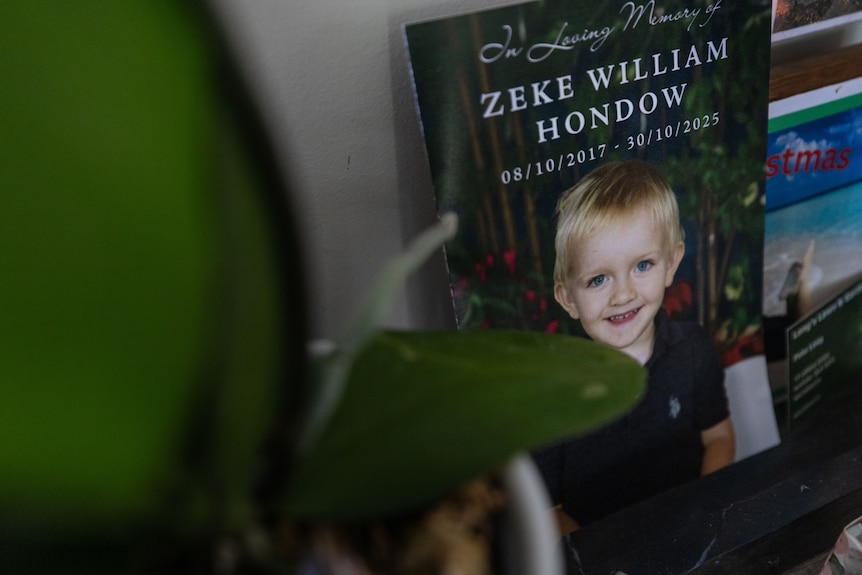
Zeke was riding home from school on the Sunshine Coast when the crash happened. (ABC News: Luke Bowden)
“He was just an innocent boy going home from school,” Ms Weedon said.
“You don’t think that’s going to happen. He was on a footpath.”
Police charged the 15-year-old boy accused of riding the high-powered bike that collided with Zeke’s with several offences, including dangerous driving causing death and driving an unregistered vehicle.
‘A flawed concept’
Since Zeke’s death five months ago, three other teenagers have died in e-bike crashes in Queensland alone — including two teenagers who were killed in a single incident earlier this month.
The state government is considering banning children under the age of 16 from riding e-mobility devices and mandating that all other users carry a driver’s licence.
‘About to have them taken away’: Qld weighs up u16 e-bike, scooter ban
Children under the age of 16 are already banned from riding an e-bike in Western Australia, while New South Wales is also considering introducing an age restriction.
All other states and territories have no age limits for e-bikes.
Most states and territories have a minimum age requirement of 16 for e-scooters, except for the Northern Territory where it is 18, and in Queensland and the ACT which require riders be supervised from the age of 12.
“When you put an electronic or artificial motor onto a device and give it to a child who doesn’t have the necessary cognitive skills and ability to manage risk, I think that’s a flawed concept,” Dr Patel said.
“I accept that there’s an element of children needing [to] have some sort of freedom, and yes, they need to have their easy falls, but an easy fall shouldn’t give them lifelong permanent injury.”
Dr Patel said most children presenting to doctors after an e-bike crash were suffering from head, neck, and shoulder injuries.
“That age has that mentality that they don’t think it can happen to them, and that continues well into adulthood,” he said.
“I don’t have an easy answer for it. So, if we don’t have an easy answer for people to manage themselves, then that’s what the legal system is for.”
Calls for importation crack down
E-bikes and scooters are a convenient, accessible, and increasingly cost-effective way of commuting.
That is why Peter Bourke from Bicycle Industries Australia believes they have a place on footpaths.
But he said non-compliant devices, like high-powered e-bikes, were endangering the public.
“We’ve got this overpowered product, high speed, operating in the wrong locations, by people that don’t have training or skills,” Mr Bourke said.
“Therefore, the likelihood of the incidents and the accidents we’re seeing are increasing dramatically, and that’s leading to injuries and unfortunately deaths.”
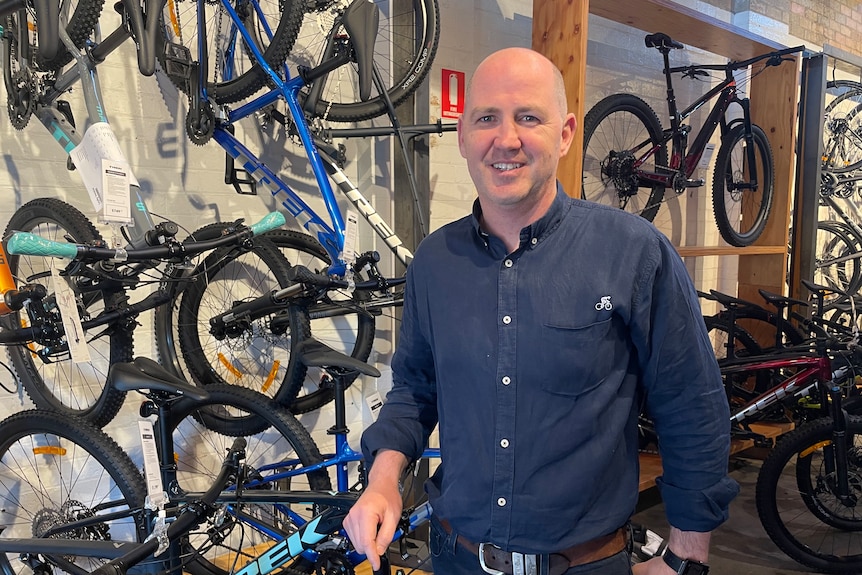
Peter Bourke says e-bikes should be allowed on footpaths, but high-powered devices are endangering the public. (ABC Education: Tim Purdie)
In late 2025, the federal government introduced the EN15194 standard, which stipules that all e-bikes in Australia should max out at 25 kilometres an hour and have a maximum motor of 250W.
A spokesperson for Federal Transport Minister Catherine King said the change provided “a clear standard for the sort of bikes we want purchased and ridden across Australia”.
But with states like Western Australia halting legislative changes to e-rideable rules until the Commonwealth takes further action on the importation of illegal devices, there is mounting pressure for more to be done to stop them at the border.
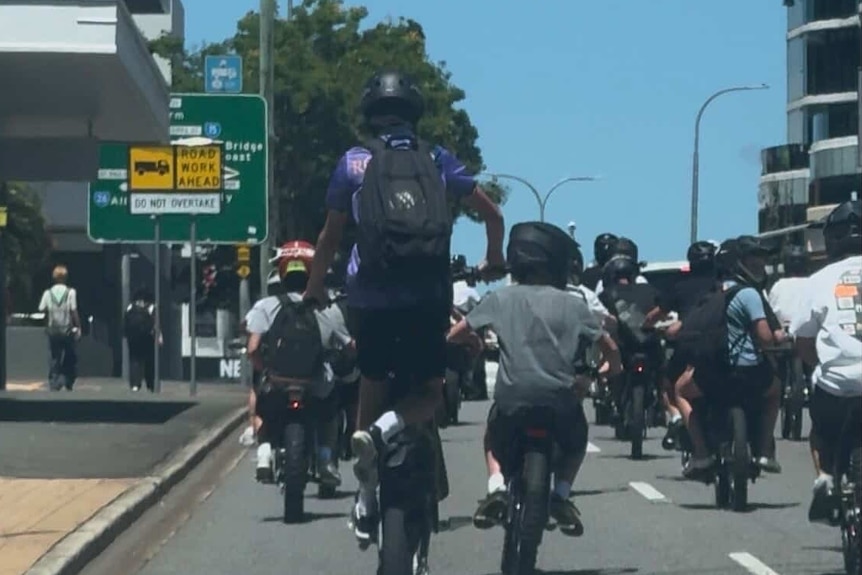
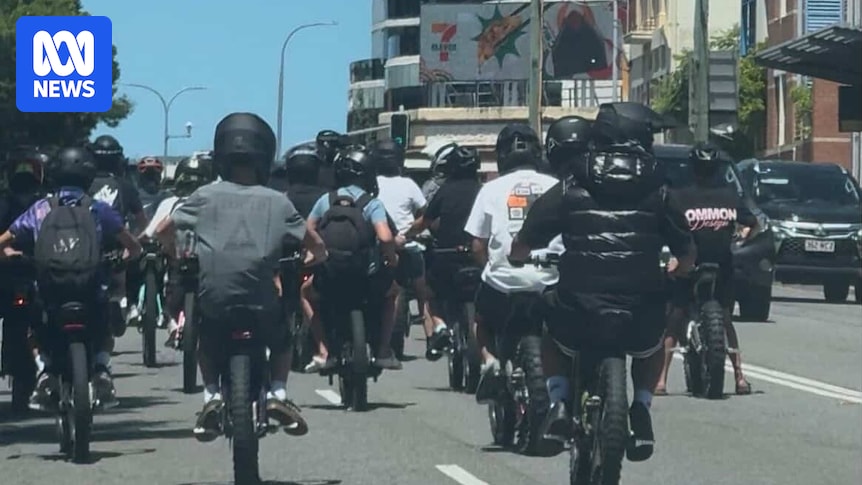
A group of young people riding e-bikes in Brisbane. (Supplied)
Mr Bourke said introducing a mandatory advisory process, that would require anyone ordering an e-bike into Australia to give evidence to the federal government that it is compliant, would help.
“It’s mandatory to meet the standard, but the paperwork is a process that has become voluntary, and that makes it harder for customs to actually enforce the regulations,” Mr Bourke said.
In response to these calls, the spokesperson for Ms King said each state and territory is responsible for road rules and compliance.
“We’re playing a coordinating role to ensure the rules around e-bikes are the same across state borders, so there is consistency across the country,” the spokesperson said.