Support CleanTechnica’s work through a Substack subscription or on Stripe.
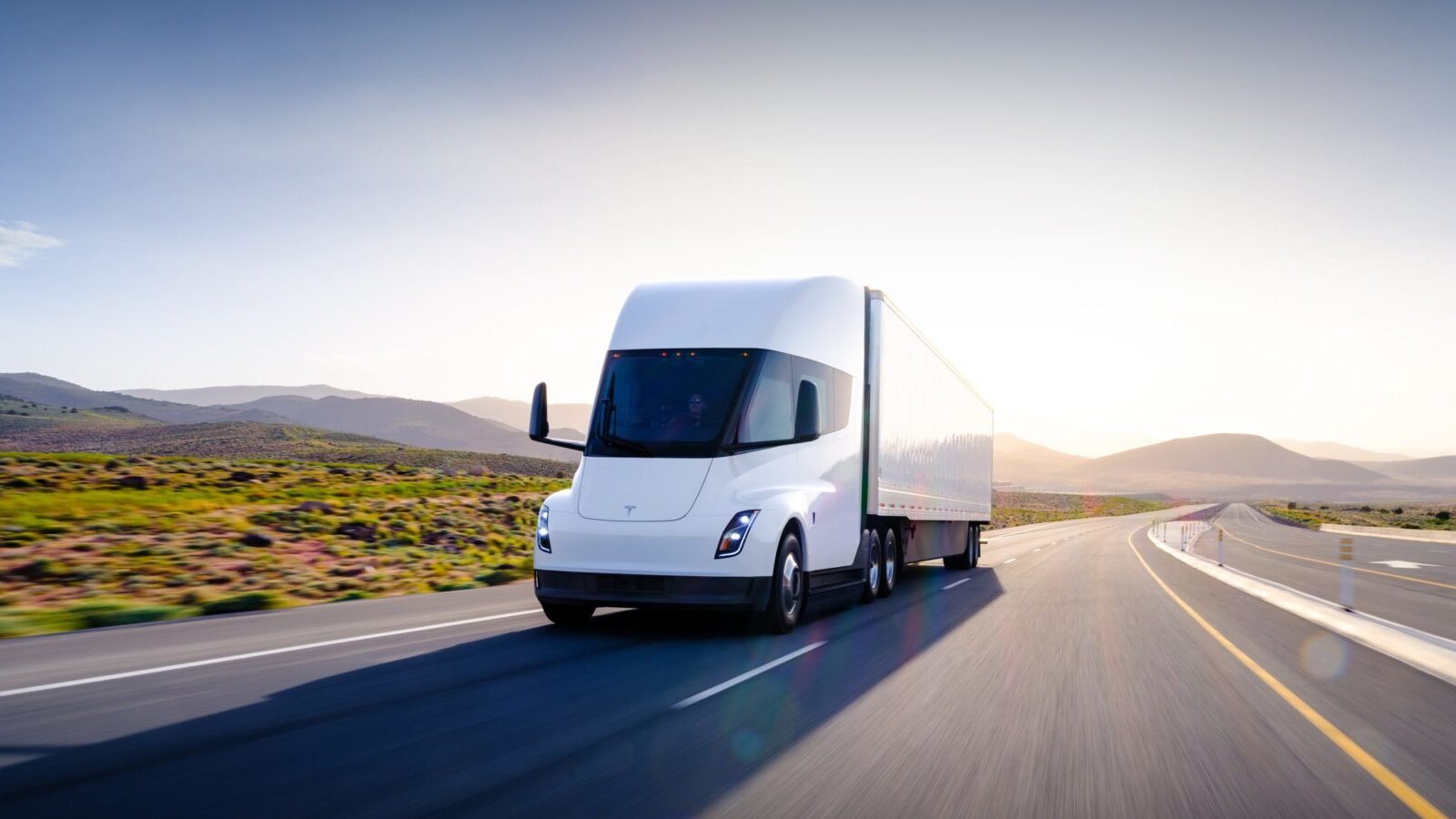
A week ago, I wrote an article pondering why the best news we get about the Tesla Semi, after nearly a decade, is still just small pilot program announcements. This was supposed to be a revolutionary semi truck that beat fossil-fueled semi trucks at almost everything and offered breakthrough improvements. That’s what we were told in the unveiling event nearly 10 years ago.
Over the past several years, there have been a variety of explanations for why we still don’t see Tesla Semi trucks on the road around us every day. Many argued that it was the simple matter of battery supply and Tesla needed those batteries for its cars and SUVs more. When sales dropped, though, and the company and its suppliers had had years to scale up battery supply, that argument fizzled away. Some have also admitted that Tesla has not been able to achieve its targets for dry-electrode battery production and lowering battery costs — also explaining why the Cybertruck costs much more than it was supposed to for the range provided. The most forgiving ignore how long the wait has been and highlight that some companies trying out the Semi have said nice things about it, production capacity for the Semi is reportedly getting ramped up, and it’s only the matter of a little more time now.
Then there are other critiques, including that this just isn’t what semi truck buyers want. But I had never really seen this argument laid out in the way it was by a reader last week. Here’s the comment, from Benjamin Dover:
“I have been in the commercial vehicle industry for 35 years. I don’t understand the hype around the Tesla semi. It doesn’t matter that it has taken a decade for them to go into production, because the fact is there is no latent demand for it. They shouldn’t release it this year because it will be an embarrassing flop. Let me explain.
“Most people think ‘a semi is a semi’ which isn’t true. There are dozens of operational segments and an almost infinite number of build configurations with today’s Class 8 ICE production. Tesla has one build config. First issue is economics. Yes, BEVs have a huge energy cost advantage. But that is only one piece of the puzzle. Acquisition cost is far higher for the BEV, and most fleet managers have told me they would have to assume the residual value after 8 years is zero. (Tesla likely will not be relevant in trucks in 8 years). Maintenance cost? Who knows? Uptime? Same question.
“But beyond economics is the basic problem of adopting into current operations. The only segment that makes sense right now is local/regional daycab distribution, which only consumes maybe 25K trucks per year. Tesla is at a huge competitive disadvantage as they have no nationwide service and support. All the other OEM’s already have good BEV trucks for sale and are not selling many.
“Tesla is unlikely to succeed.”
Hmm … yikes. That is hard to argue with, not having 35 years of experience in the sector and all. Are there solutions to the cost and financing problem? Perhaps, but what about the other matters Benjamin brings up? Is it just another case of overhype, Tesla glow, and under-delivery while Elon Musk distracts us with something new and extra super shiny?
Whatever the situation with the Semi may be, I think 2026 will be a telling year. If not much progress is made again, and given the fact that I don’t really see how to refute most of Benjamin Dover’s criticisms, it will be extremely hard to call the Semi anything other than a humongous failure. If Tesla does scale up production and find a lot of buyers, I will be eager to compare with the notes here and see how Tesla was able to do it and what the critiques got wrong or missed.
There’s also the question of why Tesla hasn’t targeted the medium-duty commercial truck sector at all.
Sign up for CleanTechnica’s Weekly Substack for Zach and Scott’s in-depth analyses and high level summaries, sign up for our daily newsletter, and follow us on Google News!
Advertisement
Have a tip for CleanTechnica? Want to advertise? Want to suggest a guest for our CleanTech Talk podcast? Contact us here.
Sign up for our daily newsletter for 15 new cleantech stories a day. Or sign up for our weekly one on top stories of the week if daily is too frequent.
CleanTechnica uses affiliate links. See our policy here.
CleanTechnica’s Comment Policy