It used to be simple; to save money on fuel, you bought a diesel. But diesel’s decline means that now you choose a hybrid: an ingenious system in which an electric motor assists a petrol engine to produce greater power when required and to run more efficiently when it isn’t.
The main advantage of a hybrid is that it can harvest some of the kinetic energy that’s wasted in a conventional car; using the friction of the electric motor to slow while also generating power that can be stored in the battery, to be deployed later for acceleration. It’s this “regenerative braking” that helps make hybrids so efficient.
The different types of hybrid
There are three main types.
The original
The kind most people imagine, one example being the Toyota Prius – is known as a “full” or “self-charging” hybrid.
These have a medium-sized battery that is charged both through regenerative braking and by the petrol engine acting as a generator when it doesn’t need to provide power to the wheels.
A mild hybrid
This is essentially a simplified version of the above. A much smaller battery is linked to an uprated starter motor which can also act as a generator to charge the battery.
The difference is that the electric motor is much less powerful and cannot drive the wheels directly. In a mild hybrid, the electric motor is used mainly to keep the electrics running so that the engine can stop while the car is in motion, to save fuel.
A mild hybrid is slightly more economical than a petrol-only car, but less so than a full hybrid.
A plug-in hybrid
If a hybrid can be plugged in to charge the battery, it’s known – somewhat unsurprisingly – as a plug-in hybrid, or PHEV. Large batteries mean they can run on purely electric power for much longer, usually up to 60 miles.
This makes plug-in hybrids cheap and environmentally friendly if they’re plugged in regularly. If they’re not, they are very inefficient – think of it like a regular petrol car having to haul an extra 200kg or so of dead weight, the battery.
Yet plug-in hybrids are included here. Why? Put simply, they would take all of the top slots – and unfairly so. That’s because the official fuel economy test procedure wildly favours plug-in hybrids, allowing them to run on electricity alone for the vast majority of the test.
By contrast, while the official figures of mild and full hybrid cars aren’t fully accurate, they’re far more so than those of plug-ins – so we can get a far better idea of which is the most fuel efficient.
Peugeot 208
From: £22,890
Average fuel economy: 62.8mpg
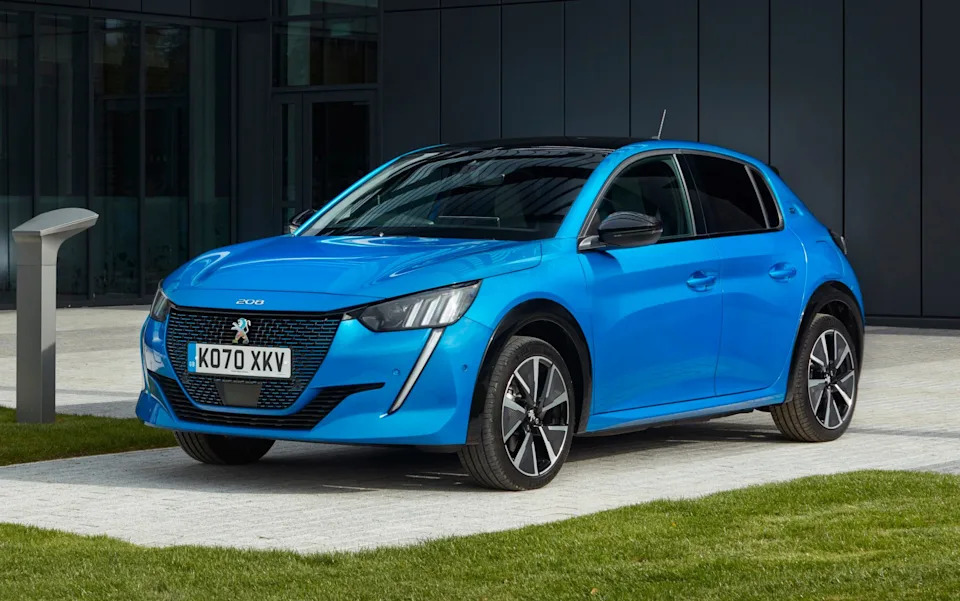
The 208 scores on its upmarket interior and slick styling
Stellantis’s mild hybrid system is pretty effective; both the 208 and its Corsa stablemate have the same economy as the full-hybrid Honda Jazz. The 208 scores on its slick styling and a smart, upmarket interior.
Vauxhall Corsa
From: £22,890
Average fuel economy: 62.8mpg
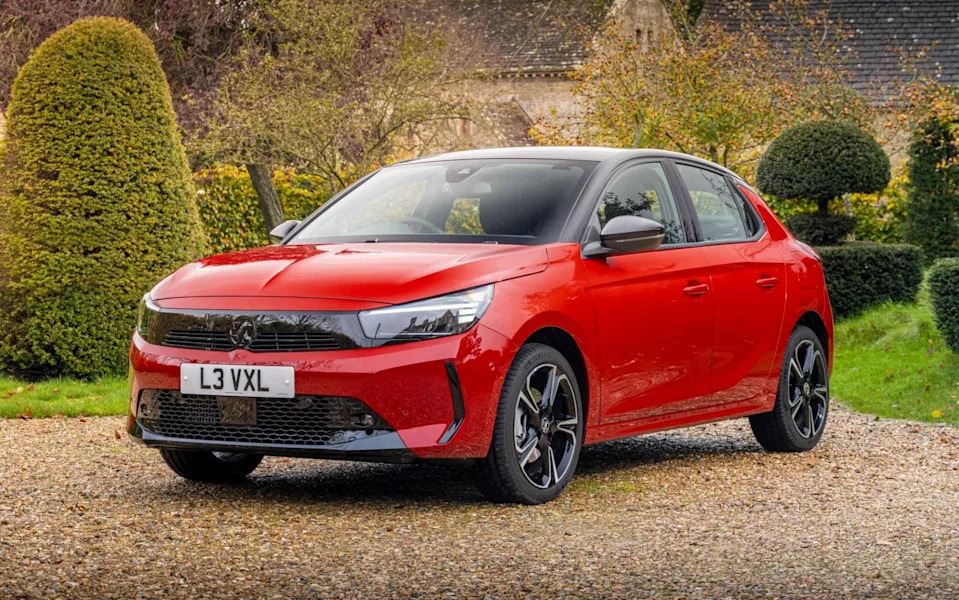
The model still reigns as one of Britain’s best-selling cars
Undoubtedly more utilitarian than the 208, although it still feels smart inside while offering better value. The option of such a fuel-efficient drivetrain should help it retain its position as one of Britain’s best-selling cars.
Honda Jazz
From: £28,060
Average fuel economy: 62.8mpg
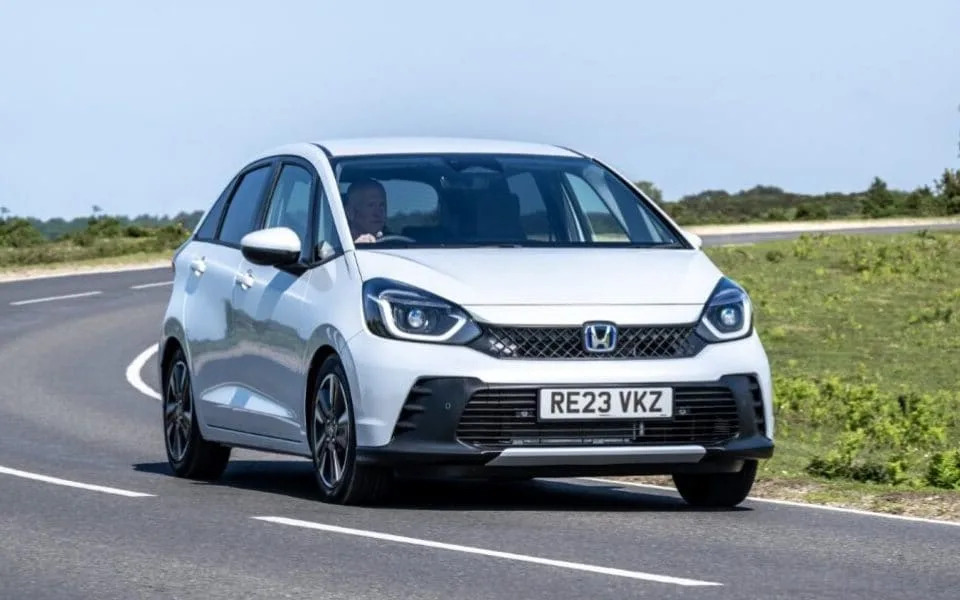
The latest version of the Honda Jazz is the best yet
Telegraph readers will likely be no strangers to the Jazz; this latest version is the best yet. It has a similarly vast and amazingly versatile interior as the previous generations that established the Jazz’s superb reputation. But the latest model’s interior feels more upmarket, welcoming and inviting. The new hybrid powertrain is great to drive, too – not to mention incredibly parsimonious.
Toyota Corolla hatchback
From: £30,795
Average fuel economy: 64.1mpg
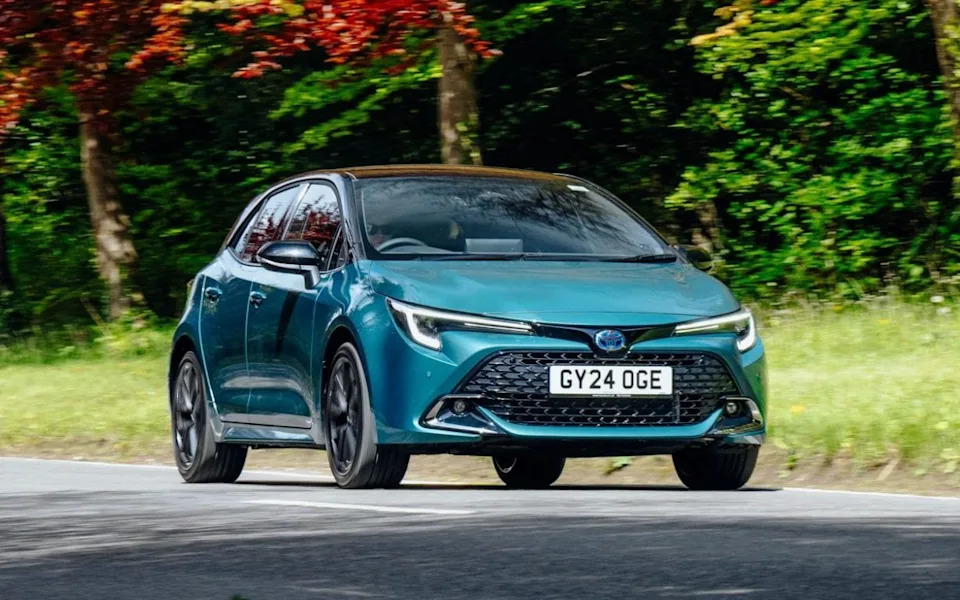
The Corolla is a favourite from the current family of hatchbacks, and for good reason too
There’s a good reason the Corolla is one of our favourite family hatchbacks. Actually, there are lots of reasons, among them its excellent reliability record, space, generous equipment and build quality. But its impressive fuel economy is a highlight; this is one of the most cost-effective ways to transport your family.
MG3
From: £18,495
Average fuel economy: 64.1mpg
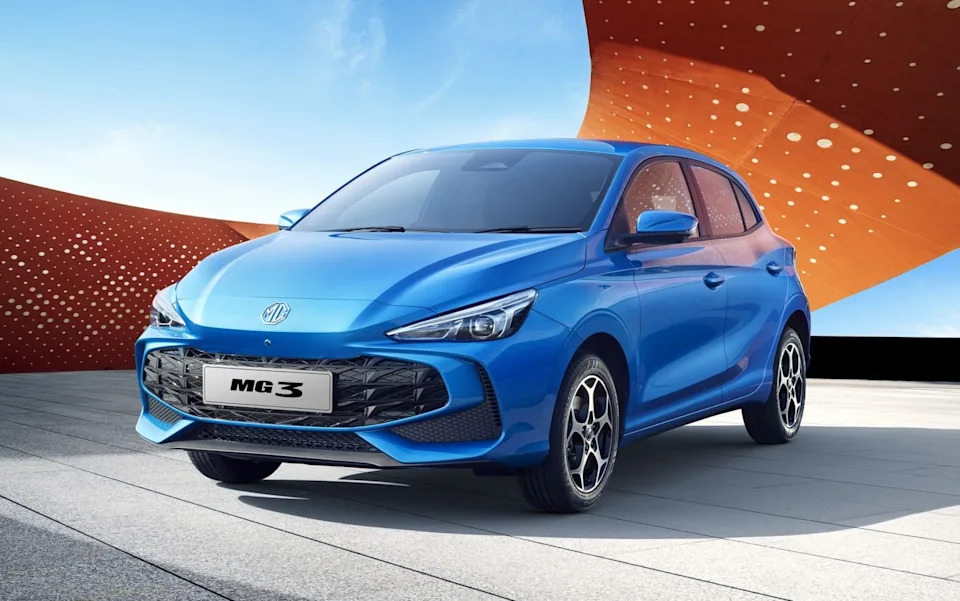
The MG3 doesn’t feel quite as sophisticated to drive as its best rivals
This small MG has a full hybrid powertrain as standard and while it doesn’t feel quite as sophisticated to drive as its best rivals, it’s hard to argue with how much car you get for your money. Even so, some of the other hybrids in this list make better buys.
Suzuki Swift
From: £19,699
Average fuel economy: 64.2mpg
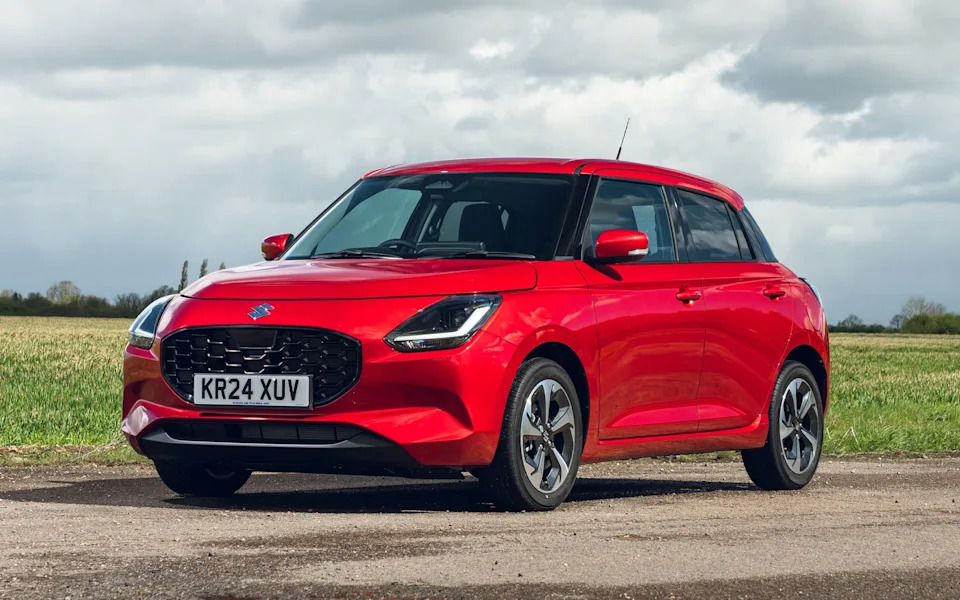
Given its mild hybrid status, the Swift delivers extraordinary results
The Swift’s achievement to place fifth in this ranking is impressive. Why? Because it is a mild hybrid, rather than a full hybrid, so it has much less electric assistance. The Swift is great value, with a reasonable asking price and a generous specification.
Renault Clio E-Tech
From: £21,295
Average fuel economy: 65.7mpg
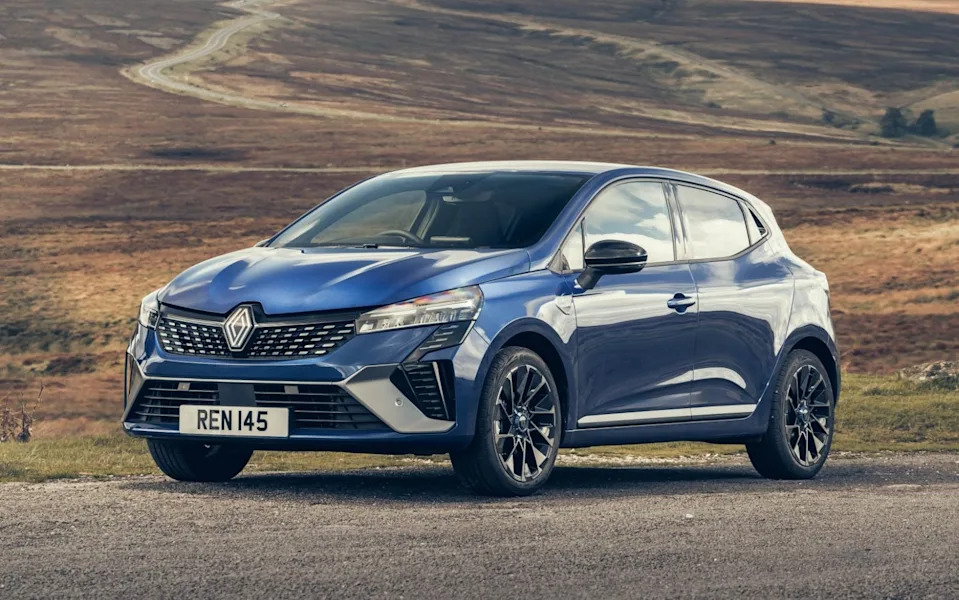
The Clio gains in style what it loses in overall fuel economy terms
What the Clio loses in overall fuel economy compared with the winner, it gains in style and flair. This is one of the most chic small cars and it’s beautifully finished inside, with a lovely swathe of upholstery across the dashboard lending a warmth and tactility few other super-minis can match. That it’s also reasonably priced is the icing on the cake.
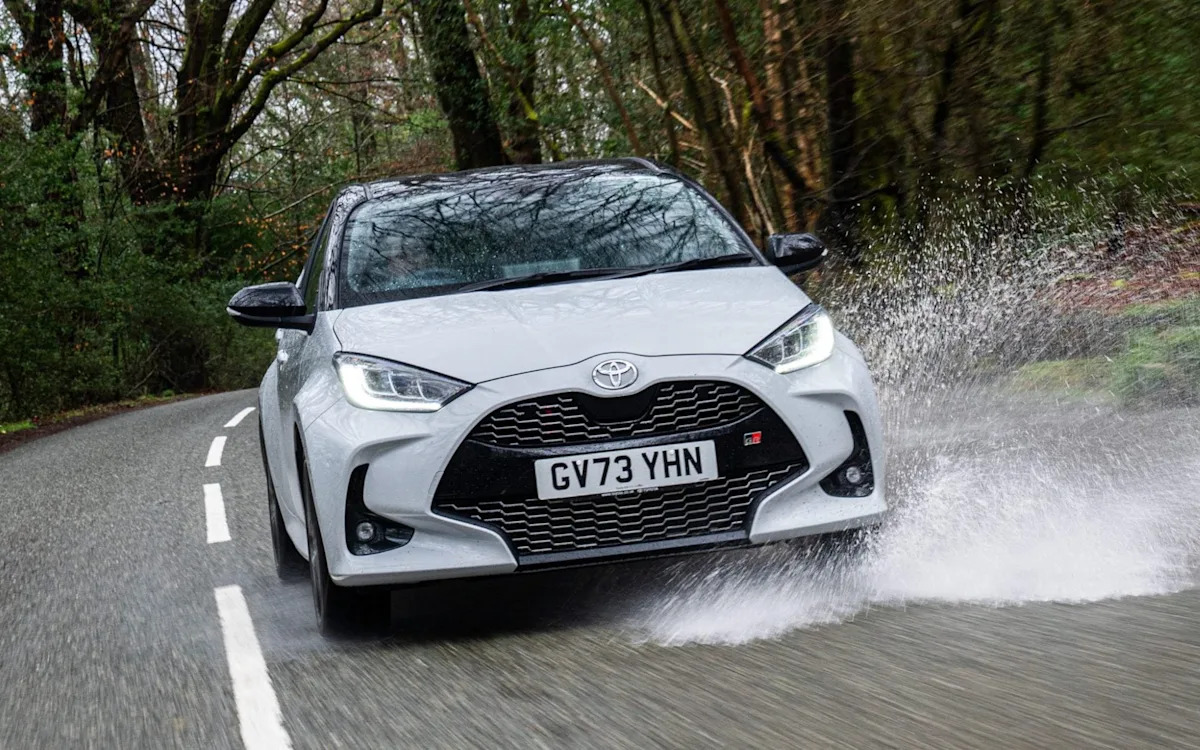
Toyota Yaris
From: £23,845
Average fuel economy: 70.6mpg
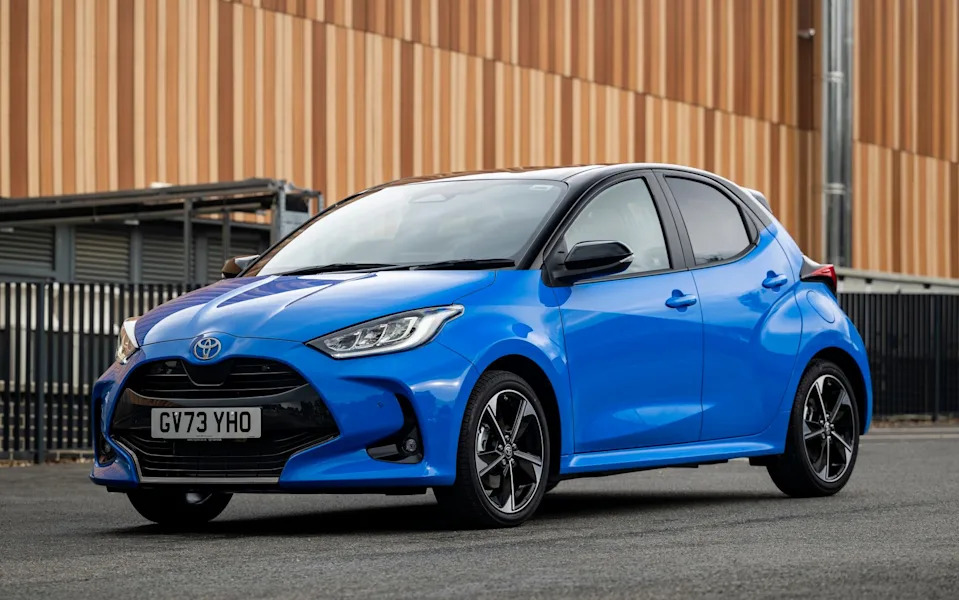
Today’s Yaris offers barely believable frugality and exemplary reliability
Toyota is pretty good at making hybrids, which is no surprise given that it pretty much single-handedly popularised the idea of the petrol-electric hybrid. Today’s Yaris is one of the best, offering barely believable frugality and exemplary reliability, wrapped in a sharp-looking package.
Mazda 2
From: £24,580
Average fuel economy: 74.3mpg
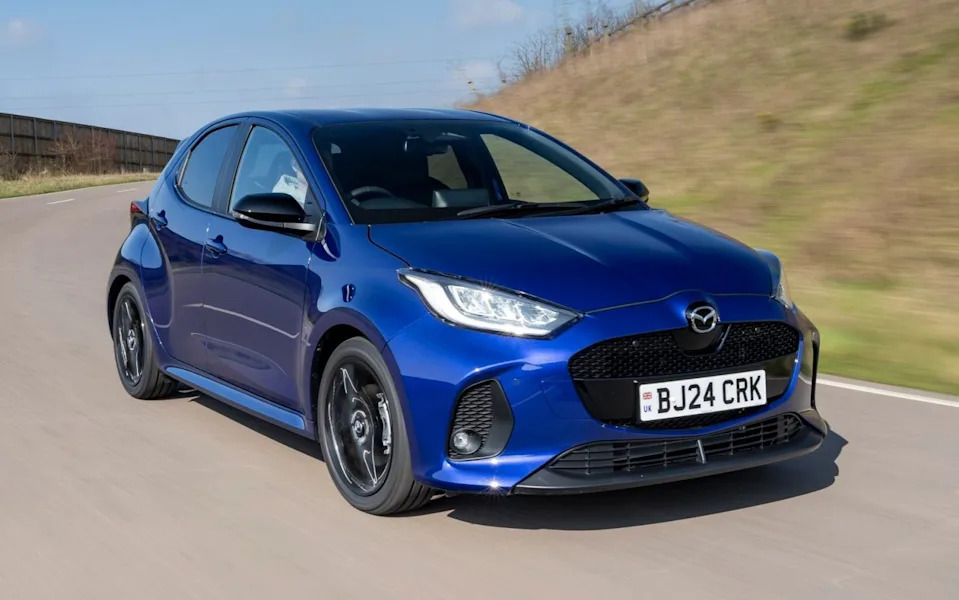
The 2 model is fantastic for its fuel economy
This is identical to the Yaris save for some slightly re-profiled bumpers and the badging. How does it achieve significantly better fuel economy, then? We’ve still not got to the bottom of that – perhaps the badges are lighter – but either way Mazda stands by its claim, so when considering a Yaris you might also want to consider a 2 instead.
Toyota Aygo X
From: £21,595
Average fuel economy: 74.3mpg
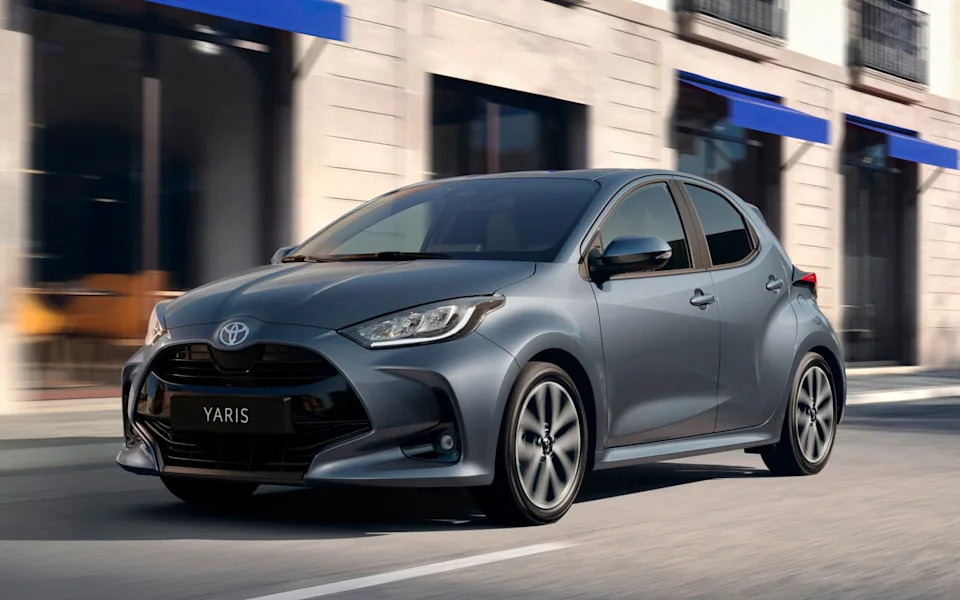
The Aygo X is one of the most fuel-efficient cars on the UK market
Toyota has gone to great lengths to make the engine from the Yaris fit into its even smaller Aygo X. The result is not only one of the best city cars, but one of the two most fuel-efficient cars on the UK market. But there’s more to the Aygo X than economy; it is satisfying to drive, with plenty of power, a supple ride and stable motorway manners. Toyota’s renowned reliability is a bonus.
FAQsWhat is a good mpg (miles per gallon) figure for a hybrid?
Our current top 10 have official fuel economy figures from 62.8mpg up to 74.3mpg. For comparison, a pure petrol Vauxhall Corsa will manage 51.4mpg on the official WLTP test cycle, whereas its hybrid-powered sister model musters more than an extra 10 miles per gallon, at 62.8mpg.
When is a hybrid car most efficient?
A hybrid car operates at its most efficient during low-speed, stop-and-go urban driving, during which it benefits from using its electric motor and capturing energy through regenerative braking (kinetic energy produced during deceleration is converted into electricity to top up the drive battery).
Can you still drive a hybrid car if the battery dies?
Most modern hybrids will not operate if the system that maintains a minimum charge fails, since the drive battery is an integral part of the drivetrain.