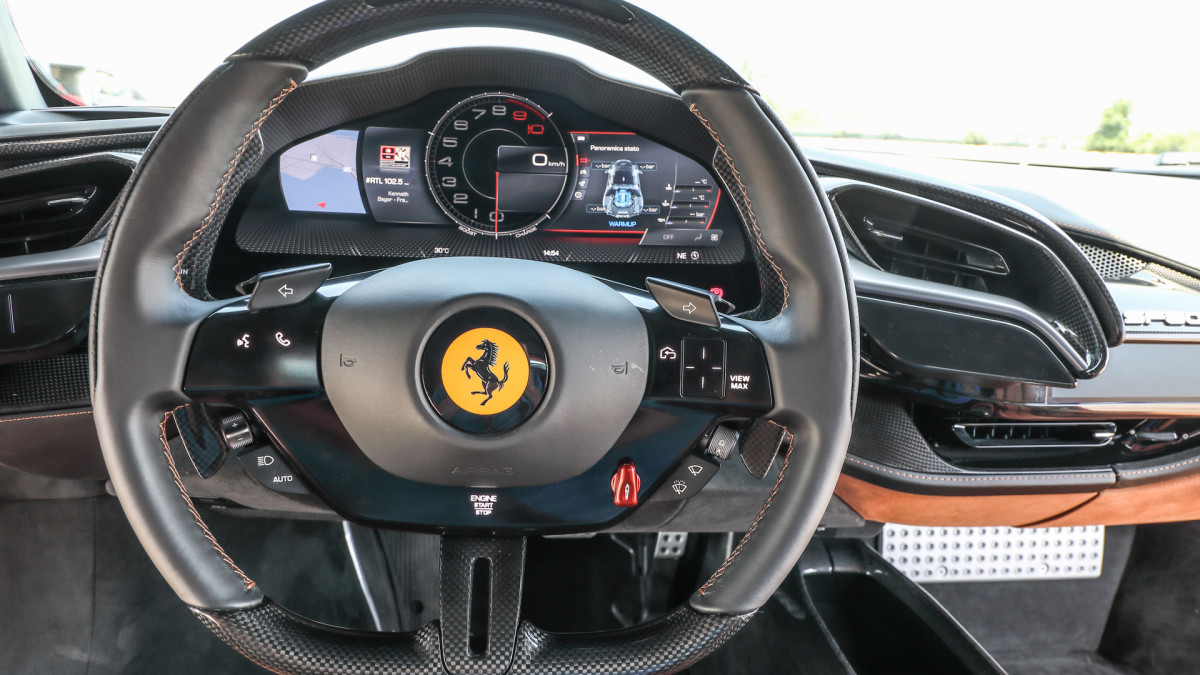
Customers have complained that touch controls are not as engaging or as easy to use as real buttons, and Ferrari has been doing something about it. New cars are getting physical buttons on the steering wheels again, and even slightly older models can be retrofitted with more tactile controls, too. It’s not the only automaker addressing the issue, either. At the other end of the price scale, Volkswagen is bringing real buttons back, but why are touch controls so proliferative in the first place? The simple answer, as you might have guessed, is money; it’s much easier to program a blank display than to design, develop, and manufacture a real piece of switchgear for a dedicated function.
Ferrari CEO Provides Honest Explanation for Touch Control Popularity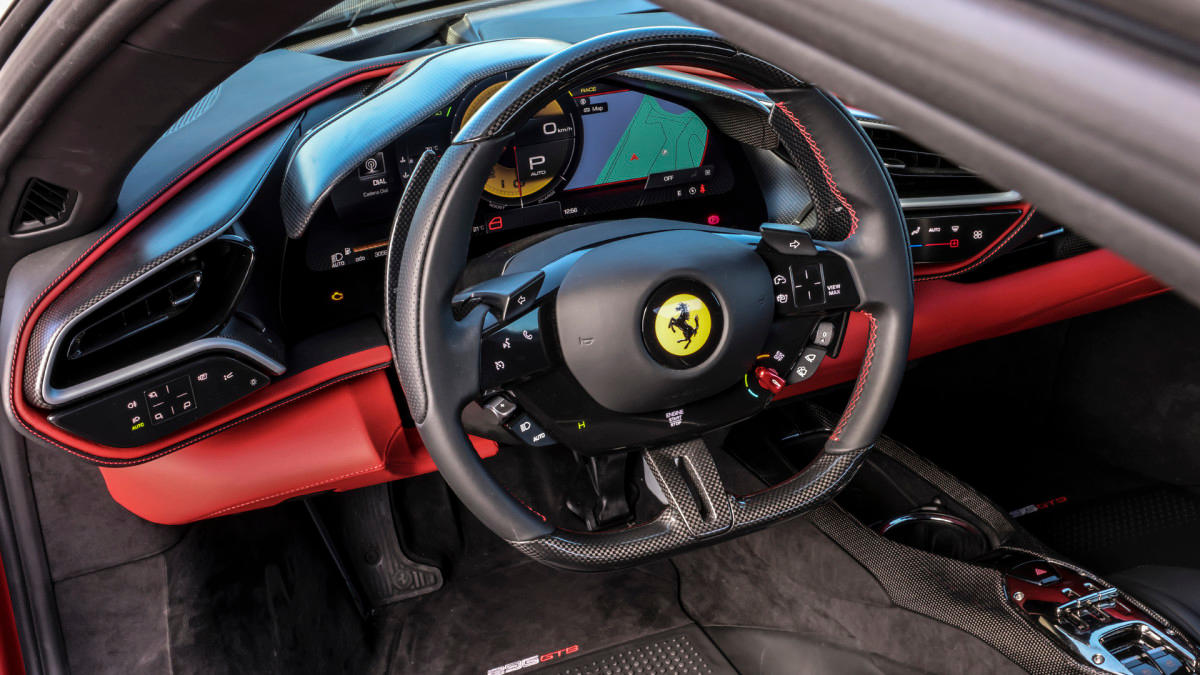
Speaking in an interview with Autocar India, Ferrari CEO Benedetto Vigna explained that touch keys carry manufacturing costs some 50 percent lower than traditional buttons: “The touch is something that is made for the supplier’s advantage.” He added that reverting to physical controls in a world where haptic controls and touch interfaces dominate the automotive market helps Ferrari stand out as special. Some may remember how many critics harshly judged the Lamborghini Gallardo for having the same sort of gauge cluster and driver info display as an Audi A4, arguing that while such part sharing may have saved the brand from financial turmoil, it gave the supercar an air of relative cheapness. Similarly, today’s cars are invariably dominated by touchscreens and touch controls because suppliers save money by not developing unique individual components, and Ferrari wants its products to feel distinctly exceptional. Hence, the upcoming Luce EV intentionally avoids touch controls wherever possible.
Physical Controls Need to Become Cost-Effective, and There May Be a Solution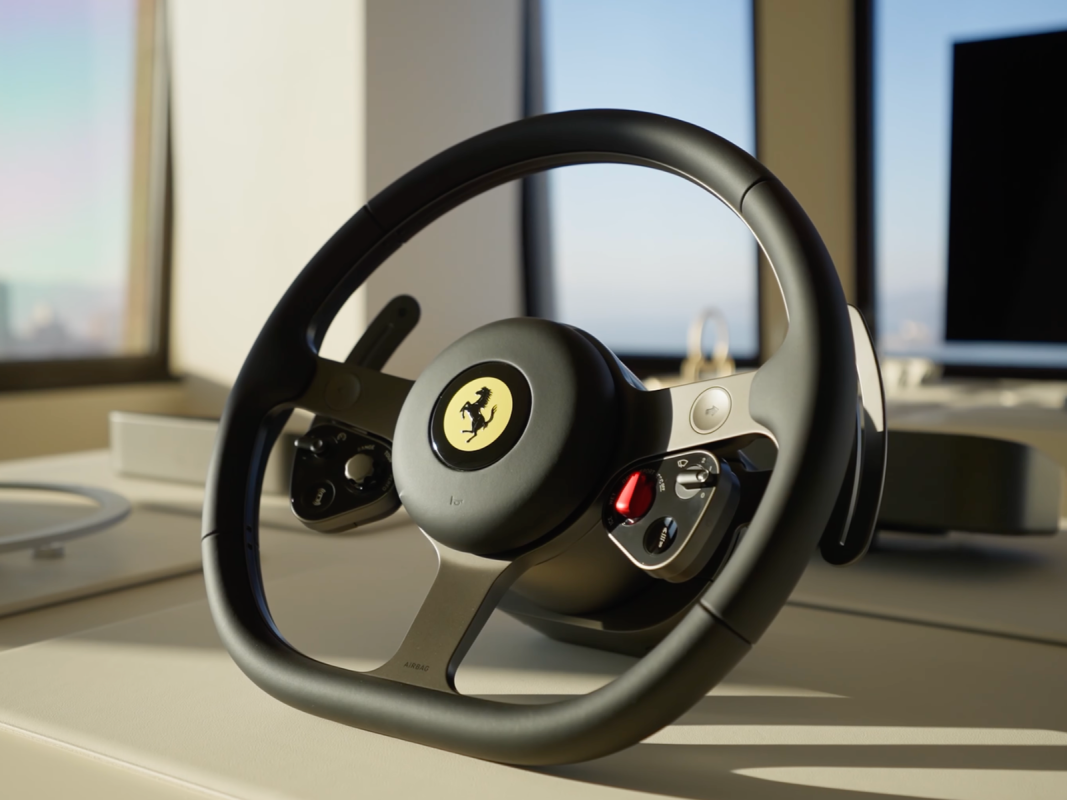
Ferrari/YouTube
(Ferrari/YouTube)
When touch-based controls were a novelty, they stood out, but once everyone adopted them, they no longer did. Furthermore, several studies have shown that, while touch controls are brilliant for smartphones that need to perform myriad functions with a single interface, from taking pictures to organizing meetings and playing games, a car that relies on such devices for basic controls only encourages distraction. It’s neither safe nor legal to look down at your phone while driving, yet automakers have been feeding us interiors that require just that to find the menu for adjusting climate controls or even just adjusting the volume.
Unfortunately, in an increasingly competitive market, everyday cars need to shave costs wherever possible, and designing brand-specific graphics for the same screens and buttons is easy, while cars that cost six, seven, or eight figures, like the Bugatti Tourbillon, can indulge in the extravagance of custom-made tactile controls. Hopefully, mainstream automakers and their suppliers will consider solutions like additive manufacturing to find a happy medium. BMW, whose new i3 sedan has very few physical touchpoints, is among those using 3D printing to create car parts, and we’d like to believe it will apply that expertise to produce better user interfaces in the future.
This story was originally published by Autoblog on Mar 20, 2026, where it first appeared in the News section. Add Autoblog as a Preferred Source by clicking here.