If you’ve filled up your tank in the past few weeks, you’ve likely felt it — higher prices at the pump, and climbing.The recent spike is being driven by global forces. Fallout from the ongoing conflict in Iran has tightened oil supply, pushing prices upward worldwide. Here on Florida’s Gulf Coast, that’s translating into noticeably more expensive trips to the gas station.At a neighborhood station in Fort Myers, drivers say the difference is hard to ignore.”It sucks to be a consumer right now,” one driver said.For Eric, even a routine fill-up has become unpredictable.”We’ll probably be around $60 or so — we’re just topping off,” he said. “But typically, this could be about a $130 or $140 fill-up. Before we saw these higher prices, it was around $80 or $90.”According to AAA spokesperson Mark Jenkins, the surge is directly tied to rising oil costs linked to instability overseas.”The conflict in Iran has directly caused gas prices to get more expensive,” Jenkins said. “We’ve seen it increase 84 cents in just the last 10 days alone. That adds about $12 to the cost of filling up an average-sized tank.”Florida’s statewide average recently reached $3.72 per gallon — the highest daily average since August 2023. As gas prices rise, more drivers are taking a closer look at electric vehicles — especially in Florida, which ranks second in the nation for EV adoption behind California.At a nearby charging station in Fort Myers, EV driver Alfred Alvarez says he’s feeling the difference — in a good way.”I’ll spend, depending on how much I drive, $12 to $17 to charge,” Alvarez said. “So yeah, I smile. I feel bad for those who don’t have an electric car, but I smile because I’ve been vindicated. I don’t have to spend all that money on gas.”So how do the numbers actually compare?Experts say the cost per mile varies depending on how and where you charge:Gas-powered vehicles: roughly 12 to 15 cents per milePublic EV chargers: about 10 to 12 cents per mileAt-home EV charging: as low as 5 cents per mile”It’s going to depend on your electricity costs,” one expert explained. “Public charging averages about 10 to 12 cents per mile, but charging at home can be about half that.”Despite the potential savings, not everyone is ready to make the leap.”I don’t know about an electric vehicle — that’s still a hard sell for me,” said one local electrician. “But hey, keep buying electric, I’ll keep putting in the chargers. Everything has a give and a take.”With gas prices rising and no immediate relief in sight, electric vehicles are gaining attention as a possible way to cut long-term costs. But for many drivers, the decision still comes down to lifestyle, infrastructure, and upfront investment.For now, as global events continue to shape local prices, drivers across Southwest Florida are left weighing their options — and their wallets.DOWNLOAD the free Gulf Coast News app for your latest news and alerts on breaking news, weather, sports, entertainment, and more on your phone or tablet. And check out the Very Local Gulf Coast app to stream news, entertainment and original programming on your TV.
If you’ve filled up your tank in the past few weeks, you’ve likely felt it — higher prices at the pump, and climbing.
The recent spike is being driven by global forces. Fallout from the ongoing conflict in Iran has tightened oil supply, pushing prices upward worldwide. Here on Florida’s Gulf Coast, that’s translating into noticeably more expensive trips to the gas station.
At a neighborhood station in Fort Myers, drivers say the difference is hard to ignore.
“It sucks to be a consumer right now,” one driver said.
For Eric, even a routine fill-up has become unpredictable.
“We’ll probably be around $60 or so — we’re just topping off,” he said. “But typically, this could be about a $130 or $140 fill-up. Before we saw these higher prices, it was around $80 or $90.”
According to AAA spokesperson Mark Jenkins, the surge is directly tied to rising oil costs linked to instability overseas.
“The conflict in Iran has directly caused gas prices to get more expensive,” Jenkins said. “We’ve seen it increase 84 cents in just the last 10 days alone. That adds about $12 to the cost of filling up an average-sized tank.”
Florida’s statewide average recently reached $3.72 per gallon — the highest daily average since August 2023.
As gas prices rise, more drivers are taking a closer look at electric vehicles — especially in Florida, which ranks second in the nation for EV adoption behind California.
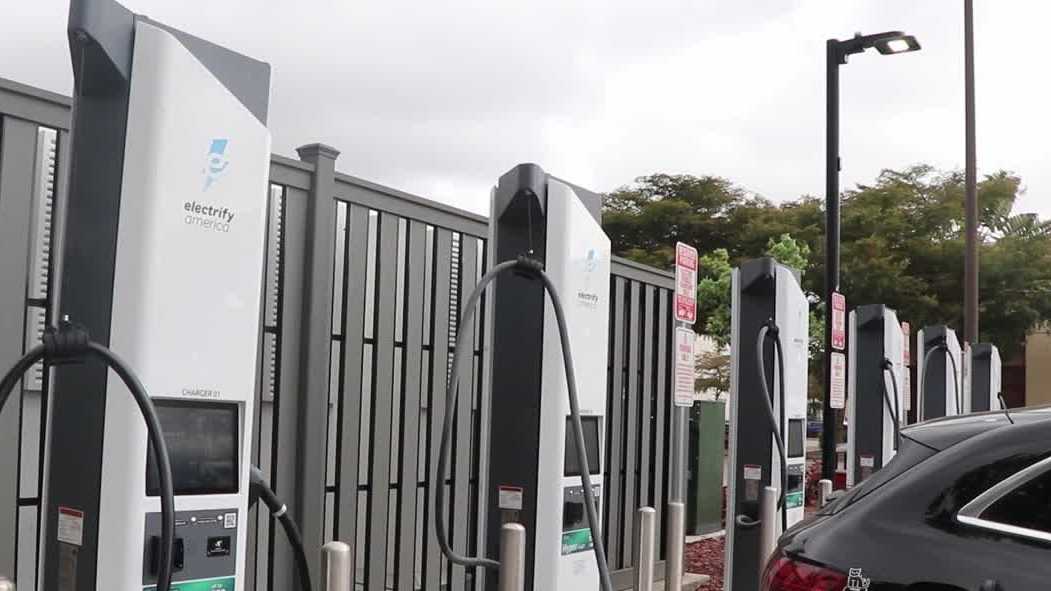
At a nearby charging station in Fort Myers, EV driver Alfred Alvarez says he’s feeling the difference — in a good way.
“I’ll spend, depending on how much I drive, $12 to $17 to charge,” Alvarez said. “So yeah, I smile. I feel bad for those who don’t have an electric car, but I smile because I’ve been vindicated. I don’t have to spend all that money on gas.”
So how do the numbers actually compare?
Experts say the cost per mile varies depending on how and where you charge:
Gas-powered vehicles: roughly 12 to 15 cents per milePublic EV chargers: about 10 to 12 cents per mileAt-home EV charging: as low as 5 cents per mile
“It’s going to depend on your electricity costs,” one expert explained. “Public charging averages about 10 to 12 cents per mile, but charging at home can be about half that.”
Despite the potential savings, not everyone is ready to make the leap.
“I don’t know about an electric vehicle — that’s still a hard sell for me,” said one local electrician. “But hey, keep buying electric, I’ll keep putting in the chargers. Everything has a give and a take.”
With gas prices rising and no immediate relief in sight, electric vehicles are gaining attention as a possible way to cut long-term costs. But for many drivers, the decision still comes down to lifestyle, infrastructure, and upfront investment.
For now, as global events continue to shape local prices, drivers across Southwest Florida are left weighing their options — and their wallets.
DOWNLOAD the free Gulf Coast News app for your latest news and alerts on breaking news, weather, sports, entertainment, and more on your phone or tablet. And check out the Very Local Gulf Coast app to stream news, entertainment and original programming on your TV.