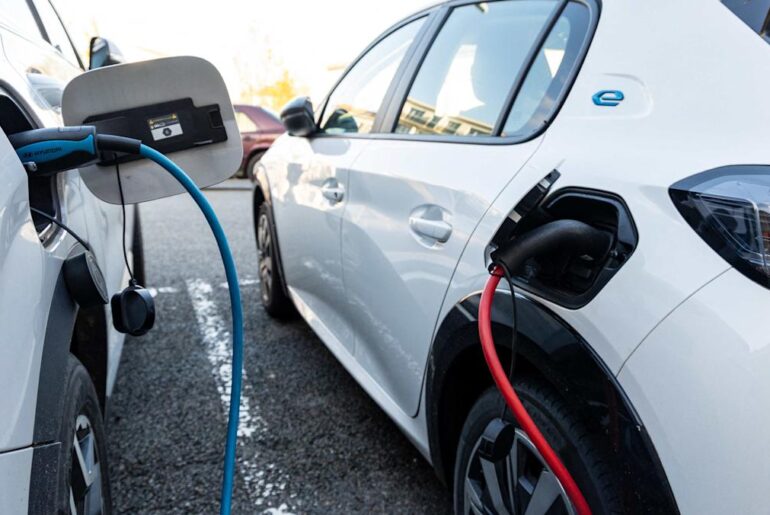
Flashback to 2019, and the direction of the automobile looked crystal clear—battery-electric vehicles (BEVs) were on track to dominate the industry while internal-combustion vehicles were fading. Hybrid gasoline-electric vehicles were a stepping stone, educating consumers who weren’t fully ready to embrace the future.
Half a decade later, the narrative has completely flipped. With incentives and subsidies diminishing and the electric vehicle adoption segment saturated, the near future of BEVs is in question. But a winner—the hybrid gasoline-electric—has emerged.
Despite news of automakers and technology giants ending sizeable BEV programs (Honda, Porsche, GM, and Apple have made recent headlines), the pivot isn’t about abandoning electric technology. Instead, it’s about identifying, recognizing, and targeting the proper consumer market. Drivers support innovation and technology, but they value affordable, practical options for everyday use even more. As it turns out, hybrids are the sweet spot between the “cleantech” halo of EVs and the affordability and familiarity of gasoline‑only cars.
Why Did EVs Boom?
When electric vehicles first hit the market, early adopters eagerly embraced the innovative technology—a clean, quiet, and efficient alternative to internal-combustion engines. EVs, with their distinctive styling and futuristic interiors, seemed like spacecraft gliding through streets crowded with smog-belching cars clinging to 125-year-old technology.
Automakers, quick to jump on the bandwagon, increased development and production of EVs but failed to educate consumers about the reality—EVs typically cost about 10-20 percent more than an equivalent internal-combustion vehicle. Turns out, they didn’t have to. Federal tax credits from the Energy Improvement and Extension Act of 2008, then refined in the 2009 American Recovery and Reinvestment Act, offered up to $7,500 in credits—making it a moot point. Popularity soared. CNET’s 2018 roundup listed about two dozen distinct EV models. By 2024, Kelley Blue Book/Cox Automotive reported tracking 68 mainstream EV models in the U.S.
Why Did EV Demand Slow?
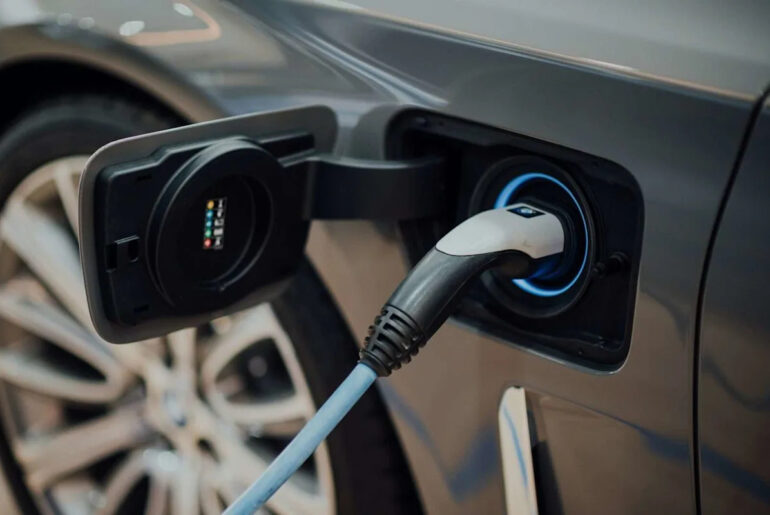
The cost of the average new vehicle has risen significantly in the past few years, and EVs sit in the upper‑mid or luxury price band. Combine soaring window stickers with the end (or scaling back) of generous tax‑credit offers, and consumers are faced with expensive choices when shopping for an EV—it’s a significant hurdle for most shoppers. Plus, the fast-growing early-adopter phase slowed, forcing automakers to target an audience that needed reassurance about range anxiety, gaps in public charging infrastructure, and battery-related recalls. When nervous or unsure, consumers traditionally choose familiarity and convenience—those don’t align with electric vehicles.
Why Hybrids are the New “No‑Brainer”
Consumers, cautious about going “all-in” on EVs, have shown interest in hedging their bets with vehicles that deliver the familiarity of combustion engines with the efficiency and low emissions of electrics. Hybrid gasoline-electric vehicles are the ideal solution, offering the convenience of quick fill-ups at a gas station, long driving ranges, and (in the case of a plug-in hybrid) the ability to complete many local trips in pure-EV mode.
Hybrids are the practical solution to most drivers’ needs, without the challenges and cost of pure electrics. They solve the three problems that full-EVs struggle with: range anxiety, dependence on charging infrastructure, and upfront cost. Many modern hybrids deliver upwards of 50 mpg in real-world driving, offer the familiarity of traditional styling and passenger cabin layouts (not to mention recognizable switchgear and instrumentation), and provide a quiet, comfortable ride.
Automakers are embracing hybrids because they don’t require an all-new, dedicated, electric-vehicle platform. In many cases, vehicle manufacturers can adapt existing platforms to hybrid powertrains with minimal changes (typically, smaller battery packs are placed beneath the rear deck, only slightly reducing cargo capacity). This translates to quicker development cycles, lower capital spending, and the ability to extend the lifecycle of legacy models. And, to an audience familiar with an established award-winning model, adding “hybrid” to the badging isn’t a compromise—it means better efficiency (e.g., Camry Hybrid, Accord Hybrid).
Dealers find hybrids easy to sell because they look, feel, and drive like familiar vehicles—no need to educate shoppers. And in the case of a (plug-in) PHEV, it can be safely driven as a combustion vehicle if the owner never plugs it in. Hybrid technology also has staying power as it doesn’t suffer from “range obsolescence.” Unlike EVs, hybrids aren’t outdated after a few years—dealers can stock them in used inventory without worrying about heavy depreciation or a fickle consumer market.
Is Hybrid Your Solution?
Those worried about range, charging time, or the cost of a full-electric vehicle will find that a hybrid gasoline-electric or plug-in hybrid offers an excellent compromise. Drivers enjoy fuel-economy benefits without the challenges and frustrations often associated with a full-electric lifestyle. There are hybrids on the market to satisfy just about every type of driver, from the fuel-sipping Toyota Prius to the performance-oriented Porsche 911 T-hybrid. The technology is nearly seamless to the occupants and improves driving dynamics.
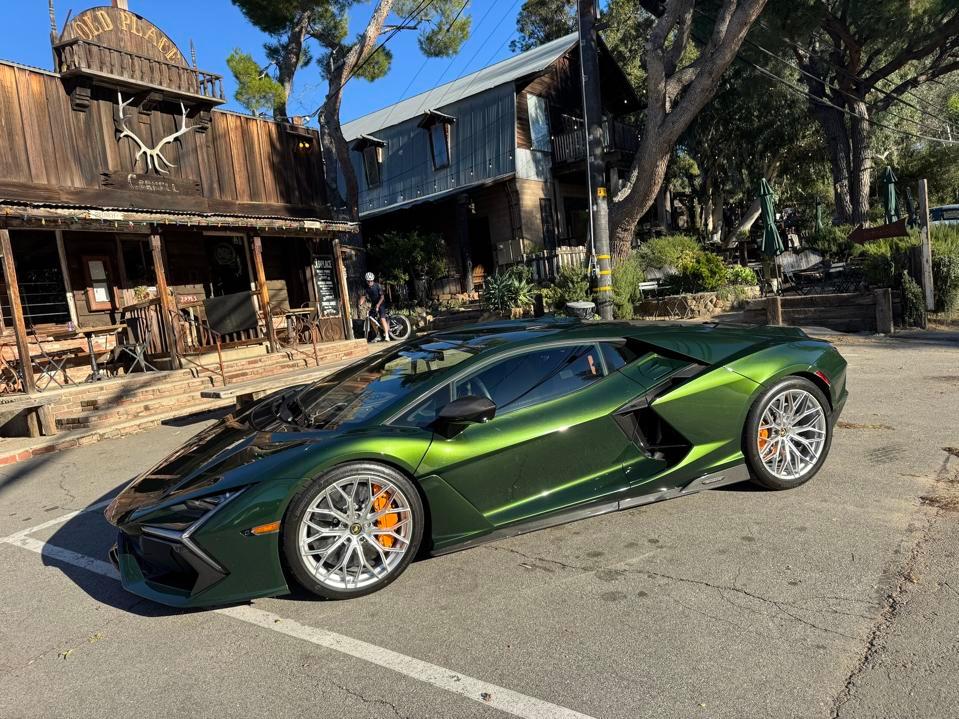
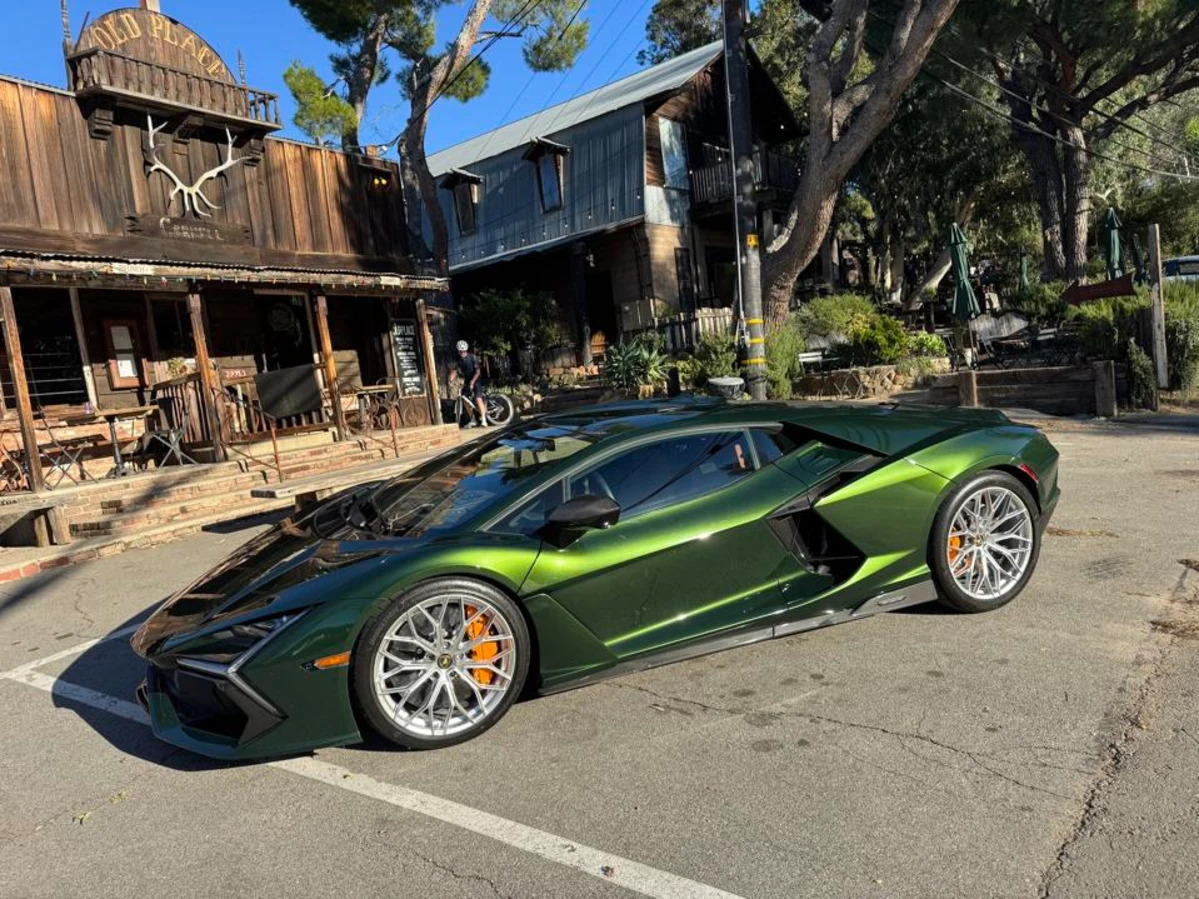
The 2026 Lamborghini Revuelto uses a hybrid gasoline-electric powertrain for performance—it boasts 1,001 horsepower!
©2026 Schnell Auto, Inc.
Of course, hybrids still cost a bit more than their gasoline-only equivalents. But it’s a more than reasonable trade-off for the long list of benefits they provide in terms of efficiency, convenience, drivability, and resale value.