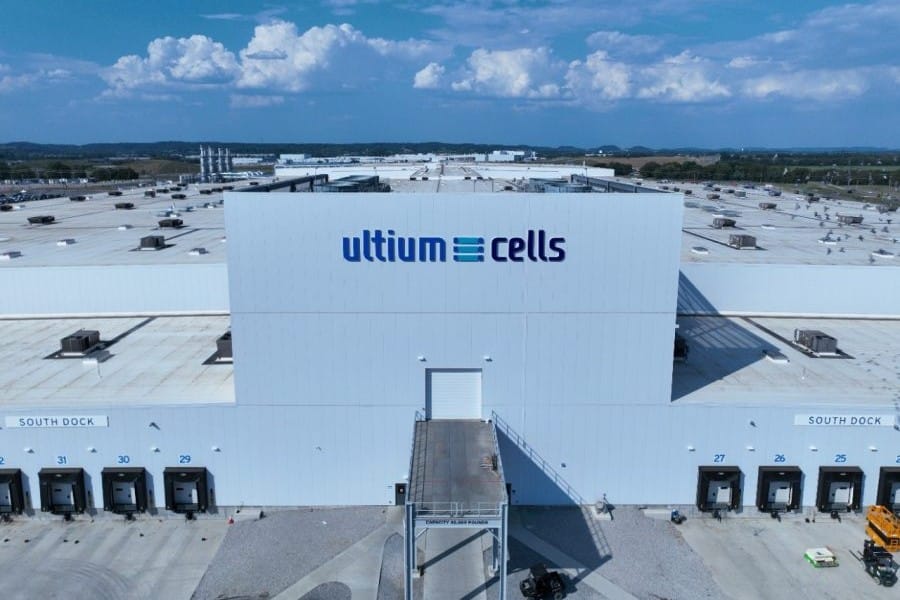
It has been known since July 2025 that production at the Spring Hill facility would shift from NMCA cell chemistry (nickel-cobalt-manganese-aluminium) to LFP (lithium iron phosphate). At the time, shareholder General Motors explained: “This upgrade at Spring Hill will enable us to scale production of lower-cost LFP cell technologies in the U.S., complementing our high-nickel and future lithium manganese rich solutions and further diversifying our growing EV portfolio.”
However, much has changed since then. General Motors—including brands such as Cadillac and Chevrolet—has since written off six billion US dollars in its struggling electric vehicle business, primarily due to subdued demand for EVs following the expiry of the US tax credit of 7,500 US dollars on 30 September for the purchase of new electric vehicles.
Battery cell factory expands into new applications
This strategic shift at the Spring Hill battery cell plant aligns well with the current landscape: the facility will soon also produce LFP cells for stationary battery energy storage systems (ESS). As Ultium Cells describes it, this move represents a ‘diversification’ of the plant, likely meaning that battery cells for ESS and electric vehicles will be manufactured in parallel in the future.
“This announcement marks Ultium Cells’ first major retooling of the Spring Hill process equipment and reflects the company’s continued evolution as a diversified battery cell manufacturer,” said Injae Pahk, President, CEO of Ultium Cells. “By evolving production to meet changing market demands, Ultium Cells is reinforcing its long-term position as a key employer and technology leader in the U.S. battery cell sector.”
“Spring Hill is becoming a key hub in our North American ESS manufacturing footprint which has helped offset slower than expected EV demand” said Bob Lee, president of LG Energy Solution North America. “The explosive growth in energy storage diversifies our customer base and product portfolio and provides tangible benefits to American competitiveness in this decade and beyond.”
LGES targets total battery capacity of 60 GWh
Ultium Cells will supply the LFP battery cells for ESS to LG Energy Solution Vertech, the US energy storage division of LG Energy Solution. Vertech offers vertically integrated energy storage systems, including proprietary software, lifecycle services, and extended warranties. LG Energy Solution plans to increase its global production capacity for energy storage systems to over 60 GWh this year, with more than 80 per cent of this capacity located in North America.
The Spring Hill facility complements LG Energy Solution’s North American ESS network, which includes its own plants in Holland, Michigan, and Windsor, Ontario, as well as the joint venture with Honda, LH Battery Company. The network also includes the LGES cell factory in Lansing, Michigan, which was originally part of the Ultium Cells joint venture until General Motors withdrew from the site at the end of 2024.
The Lansing plant recently gained attention for a deal with Tesla: starting next year, the facility will supply battery cells worth 4.3 billion US dollars for Tesla’s ‘Megapack 3’ stationary storage systems. Additionally, Ford has recently entered the battery storage business.