CPSC warns consumers to stop using Ridstar Q20 and Q20 Pro e-bikes immediately due to fire risk
At least 11 fire incidents reported, including injuries and over $40,000 in property damage
Manufacturer has refused to agree to a recall, according to the agency
Products that use lithium-ion batteries tend to carry a heightened fire risk. For example, there have been several cases where smartphones have overheated aboard commercial aircraft.
Some e-bikes and scooters have also been problematic. The U.S. Consumer Product Safety Colmmission this week urged consumers to immediately stop using certain Ridstar electric bikes after multiple reports of fires linked to the products.
The CPSC said it is aware of at least 11 reported fires involving the e-bikes. Those incidents include one burn injury, five cases of smoke inhalation and two reports of property damage totaling more than $40,000.
The warning includes Ridstar Q20 and Q20 Pro e-bikes and poses what the agency said is a serious fire hazard that poses a risk of injury or death if the bikes’ lithium-ion batteries and wiring ignite.
Remove the batteries
Consumers are being told to immediately stop using the e-bikes and remove the batteries. The agency advises disposing of the batteries through local household hazardous waste programs and warns against throwing them in the trash or standard recycling streams due to the heightened fire risk.
“Do not sell or give away these hazardous batteries,” the CPSC said.
The warning comes after the manufacturer, China-based Huizhou Xingqishi Sporting Goods Co., Ltd., declined to agree to what the agency described as an acceptable recall. As required by law, the CPSC noted that the company objects to the release of the warning.
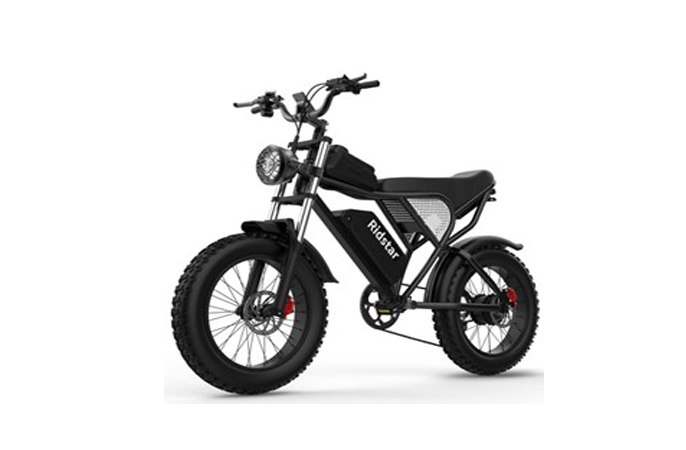
The affected e-bikes are black, with the brand name “Ridstar” printed on the battery. Model numbers Q20 and Q20 Pro may appear on purchase receipts. The bikes were sold online through Amazon, Ridstar’s website and Walmart.
Regulators emphasized that defective lithium-ion batteries require special handling and should only be taken to facilities equipped to manage hazardous waste. Consumers are encouraged to contact local waste collection centers for guidance on proper disposal.
Thanks for subscribing.
You have successfully subscribed to our newsletter! Enjoy reading our tips and recommendations.

Mark HuffmanReporter
Mark Huffman has been a consumer news reporter for ConsumerAffairs since 2004. He covers real estate, gas prices and the economy and has reported extensively on negative-option sales. He was previously an Associated Press reporter and editor in Washington, D.C., a correspondent for Westwood One Radio Networks and Marketwatch.