Ride-sharing company Uber Technologies (UBER 1.60%) is throwing its hat in the robotaxi ring. Yesterday, Uber inked a $1.25 billion deal with EV maker Rivian Automotive (RIVN +3.80%) to aggressively expand its robotaxi capabilities.
The move comes as competition intensifies in the robotaxi space, with Tesla — the largest electric vehicle (EV) stock on the planet — planning to invest heavily in the robotaxi market. That market opportunity, at least according to some experts, could be worth $5 trillion to $10 trillion globally over the long term, making it a key long-term battleground for both automakers and mobility platforms.
Here are the top four things to know about the latest deal.

Today’s Change
(3.80%) $0.59
Current Price
$16.12
Key Data Points
Market Cap
$20B
Day’s Range
$15.54 – $17.12
52wk Range
$10.36 – $22.69
Volume
32K
Avg Vol
31M
Gross Margin
-276.59%
1. Rivian will supply Uber with 50,000 vehicles over the next five years
Let’s first discuss the details of the partnership between Uber and Rivian. It’s important to know that Uber is no longer developing its own self-driving software, having ditched its internal efforts back in 2020. Uber also doesn’t manufacture any of its own vehicles. So if Uber wants to target the nascent robotaxi market, it will need to partner with companies that not only manufacture vehicles but are also developing their own self-driving features.
Here are the exact details of the deal from today’s press release:
Uber will invest up to $1.25 billion in Rivian through 2031, subject to the achievement of autonomous performance milestones.
Uber or its fleet partners will purchase 10,000 fully autonomous R2 robotaxis with the option to purchase up to 40,000 more in 2030.
Initial commercial deployments for the Uber-Rivian robotaxi service are planned for San Francisco and Miami in 2028, scaling to 25 cities through 2031.
2. Uber will help Rivian achieve fully autonomous vehicles
I recently named Rivian my top growth stock to buy in 2026. That’s because the company intends to begin deliveries of its R2 SUV — its first vehicle priced under $50,000 — next month. Long-term, having millions of additional vehicles on the road should help Rivian gather significantly more real-world driving data. In turn, that data will help it advance its self-driving models faster than ever before.
Not only will Rivian be investing more than $1 billion — a sum that is specifically tied to Rivian meeting its self-driving milestones — but it will also be helping up to 50,000 additional Rivians hit the streets to generate data. All in all, it’s a win-win for Rivian’s self-driving vision.
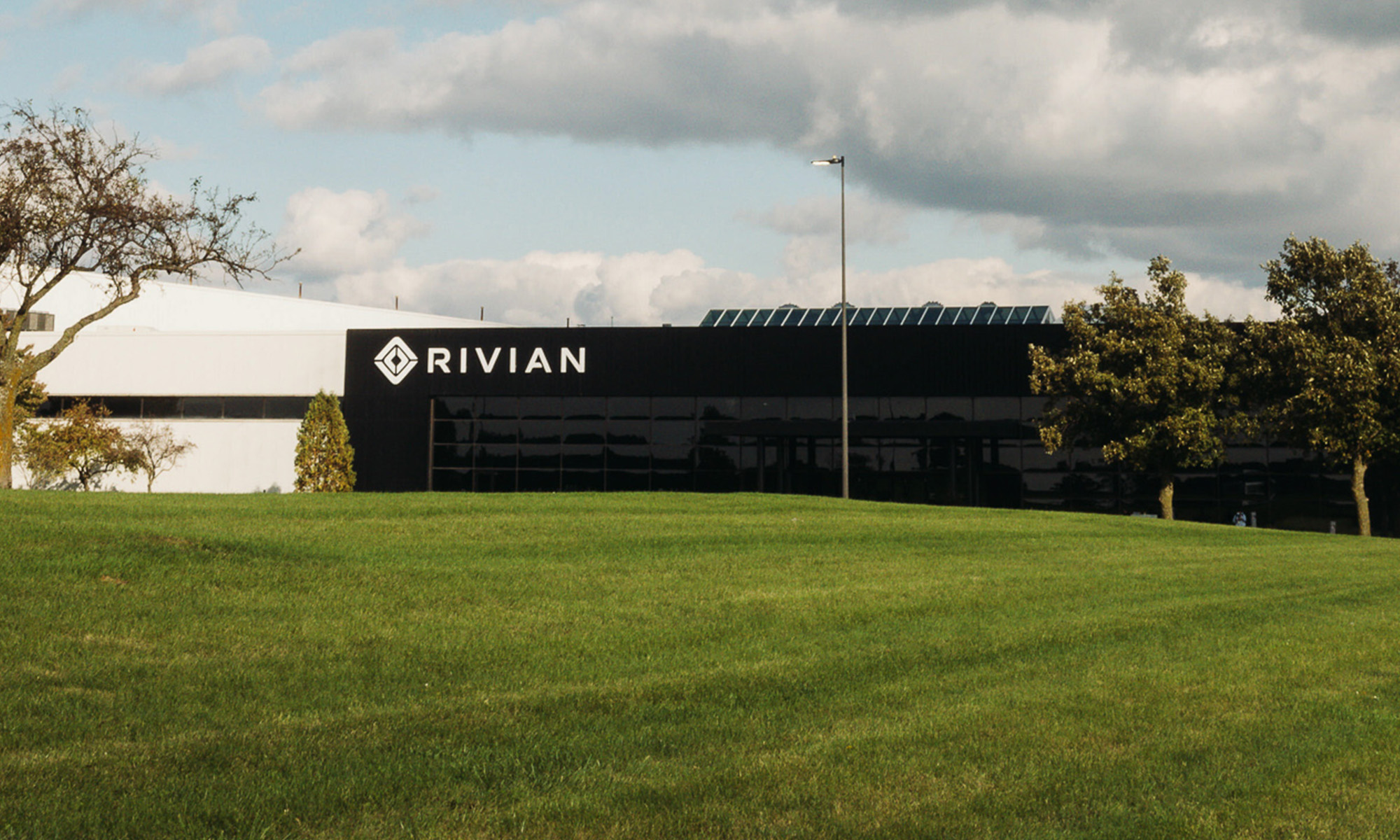
Image source: Rivian.
3. This is a big vote of confidence in Rivian’s bet on AI
One of the reasons I love Rivian stock long-term is its heavy investments in artificial intelligence (AI). The market doesn’t value the company as an AI stock, but deals like the one with Uber highlight how serious the company’s AI ambitions are.
Many experts believe that, after decades of empty promises, fully autonomous vehicles are just a few years away from real-world adoption. Why the newfound optimism? Rapid advances in AI are helping vehicles gather, interpret, and act on complex data sets like never before. AI essentially supercharges a car’s ability to make decisions in highly variable environments — a must for full autonomy to be reached.
Rivian held its first Autonomy & AI Day last December. During that event, it outlined its vision for achieving full autonomy, a vision that even includes Rivian producing its own AI chips. With a well-respected global brand like Uber betting more than $1 billion on Rivian’s vision, investors should have more confidence that this dream is achievable.

Today’s Change
(-1.60%) $-1.23
Current Price
$75.43
Key Data Points
Market Cap
$155B
Day’s Range
$75.33 – $77.81
52wk Range
$60.63 – $101.99
Volume
156
Avg Vol
20M
Gross Margin
32.89%
4. Uber also forged a deal with Lucid Group
The Rivian-Uber deal has caveats, though. First, Uber’s investment only scales if certain milestones are achieved.
Second, Uber could ultimately take delivery of anywhere between zero and 50,000 vehicles. The deal’s terms simply state that Uber is “expected” to purchase 10,000 initial R2s, with “up to” 40,000 additional units hanging on as a potential future option.
Third, Uber has already made deals like this with EV competitors like Lucid Group (LCID +3.52%), so this deal is in no way exclusive to Rivian.