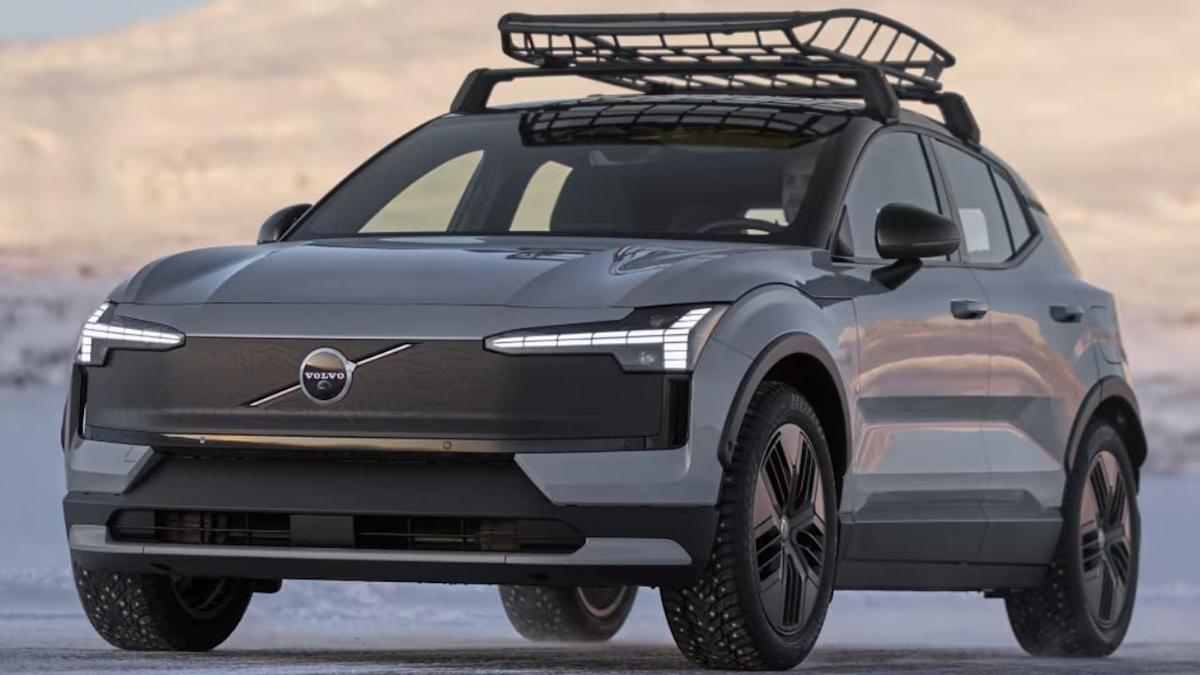
The U.S. electric vehicle market keeps changing faster than many automakers expected, and Volvo is now the latest example. The Swedish brand has decided to remove its most affordable EV from the American lineup. That means the EX30 will disappear from Volvo’s U.S. catalog after the 2026 model year, bringing what once looked like a major entry-level EV push to an end after only a little more than a year on sale. Volvo has confirmed that both the EX30 and EX30 Cross Country will leave the U.S. after the 2026 model year.
According to reports based on dealer communications, Volvo informed its U.S. retailer network in mid-March that production for the American market will wind down after the summer. All vehicles that have already been ordered will still be delivered, but no additional EX30s will be allocated for the United States after that point. Dealers were also given a very short window for final orders, with March 20 set as the deadline.
Tariffs and incentives changed the math.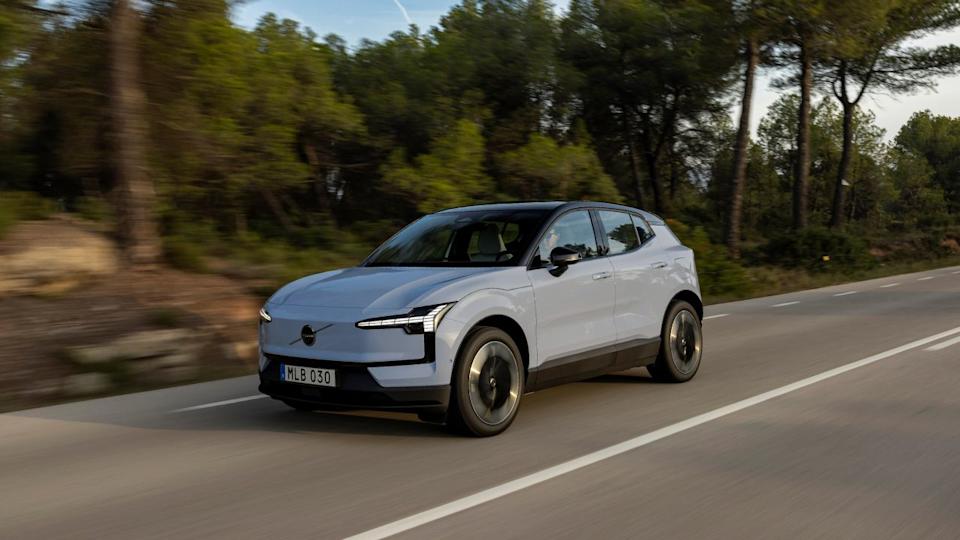
Photo Courtesy: Volvo.
Volvo has not laid out a long detailed public explanation, but the reason is fairly easy to understand. The EX30 for the U.S. market is now built in Belgium after Volvo abandoned its original plan to import the model from China, where it would have faced much steeper tariffs. Even after that production shift, the vehicle still remained exposed to import costs and a tougher pricing environment in the United States. Reuters and other reports point to tariffs and broader market headwinds as major factors behind the decision.
At the same time, changes in U.S. EV policy made the situation worse. The end of the federal EV tax credit and the broader cooling of new EV demand have made it much harder for imported electric models to stay competitive, especially in the more affordable end of the market where pricing matters most. The EX30 was originally introduced as a relatively attainable EV, but by the time it reached U.S. buyers, its starting price had climbed above $40,000.
The Problem Is Specific To The United States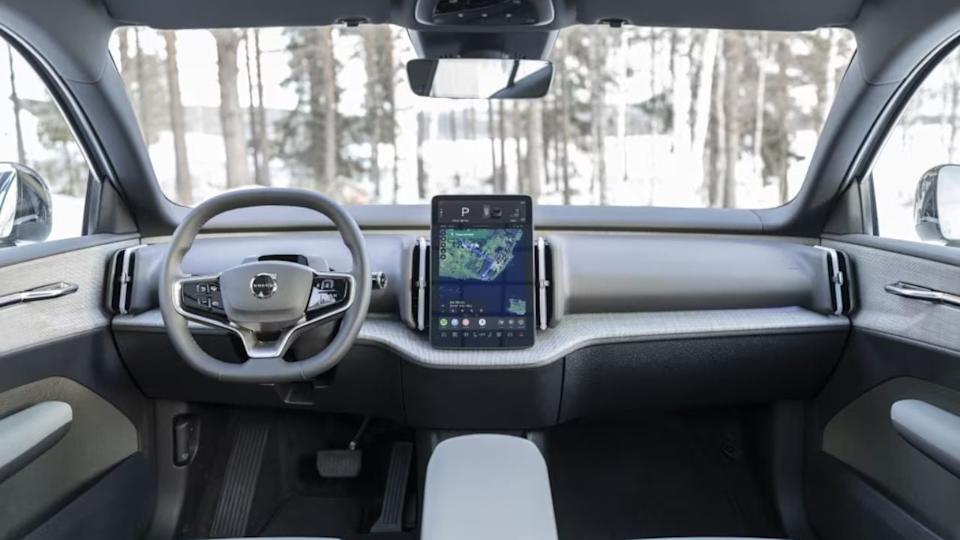
Photo Courtesy: Autorepublika.
One of the clearest signs that trade and regulatory conditions drove the decision is the fact that the EX30 will remain on sale in other parts of North America, including Canada and Mexico. Volvo has been explicit about that point, which strongly suggests the model itself is not the problem as much as the business case for selling it in the United States under current conditions.
Volvo also is not completely closing the door forever. While the company has not announced any return plan, reports quoting Volvo’s internal explanation say the move followed a broad review of business and operational strategy in response to shifting market conditions and financial factors. That leaves at least some room for a comeback if the economics change enough in the future.
Another Sign Of A Broader EV Reset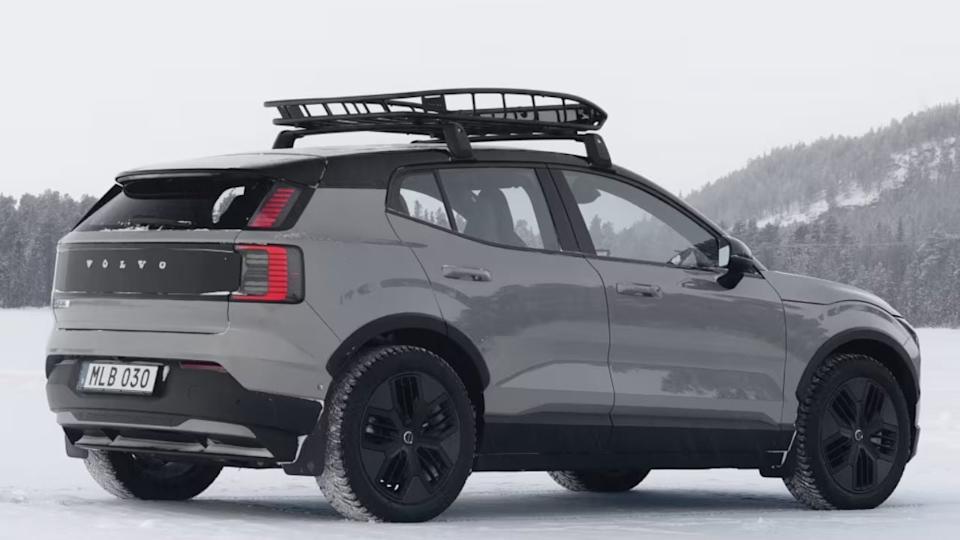
Photo Courtesy: Autorepublika.
This move is not an isolated case. A growing number of automakers are rethinking EV strategies in the U.S. as incentives fade, tariffs rise, and demand becomes less predictable than expected. Honda has already canceled three North America-bound EV programs, while Hyundai and Kia have been leaning more heavily on hybrids as U.S. EV demand weakens. Volvo’s decision fits squarely into that wider industry recalibration.
Even brands at the higher end of the market have been reassessing timing and priorities. Lamborghini, for example, has already delayed its first full battery electric model and made clear that it sees hybrids playing a bigger role for longer. That does not mean electrification is stopping, but it does show that the pace of the transition is proving harder to predict than many companies once assumed.
All of this points to a more complicated reality for the shift toward electric mobility in the United States. Electrification is still moving forward globally, but the American market is showing clear signs of resistance in areas where price, tariffs, and regulation carry unusual weight. In that kind of environment, even a model with real promise like the EX30 can end up becoming a casualty of a much broader industry reset.
This article originally appeared on Autorepublika.com and has been republished with permission by Guessing Headlights. AI-assisted translation was used, followed by human editing and review.
Read More
Four Things You Should Never Use WD-40 On