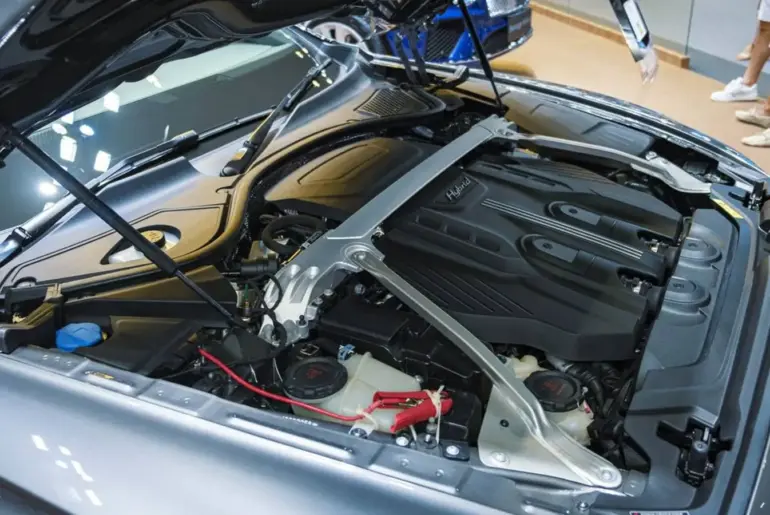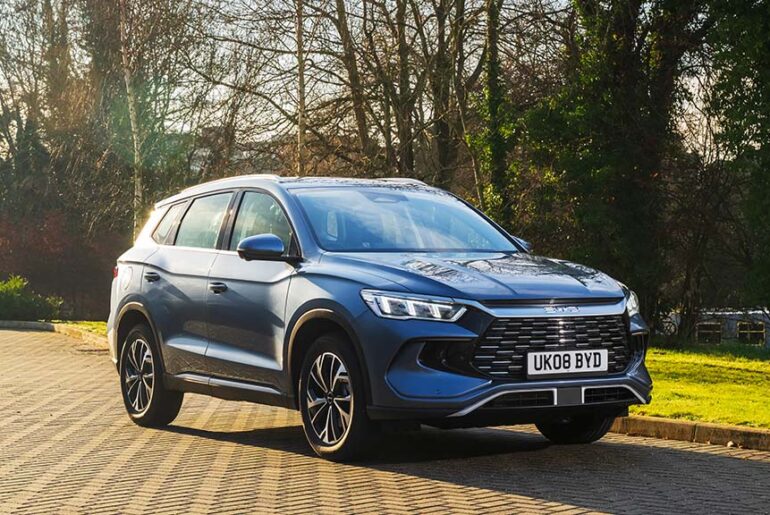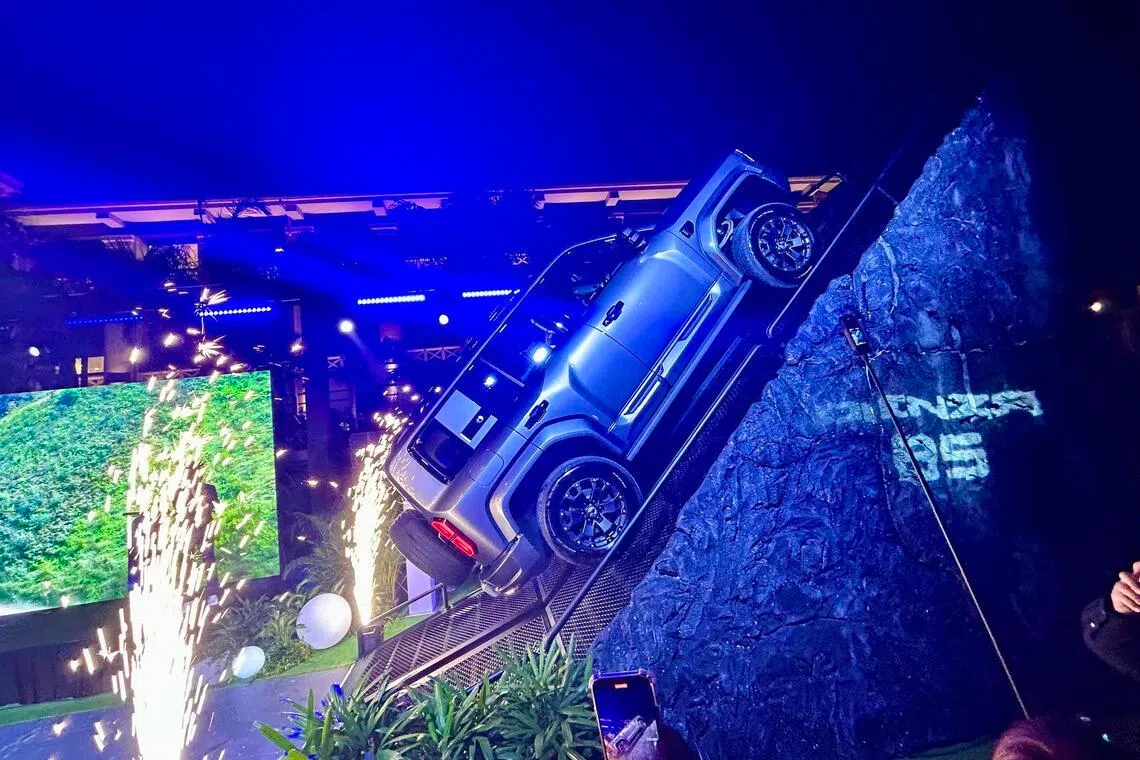
The Denza B5 is the first plug-in hybrid sport utility vehicle (SUV) from BYD’s luxury arm for Singapore. Unveiled in spectacular style at Mett Singapore, a luxury hotel in Fort Canning Park, the rugged SUV demonstrated its go-anywhere capability by effortlessly climbing up an impossibly steep incline in front of guests.
At 1,920mm tall, the SUV towers over sub-1,800mm-tall luxury models such as the BMW X5 and Volvo XC90. Under the bonnet is a 1.5-litre engine that makes 181hp. Coupled with a pair of electric motors, the Denza B5 has a total system output of 425kW (570hp) and a whopping 760Nm of torque.
Mr James Ng, managing director of BYD Singapore and president of BYD Philippines, said the company has partnered Mett Singapore to offer Denza owners privileges. This includes dedicated parking, special check-in arrangements and discounts at the various dining outlets.
Priced at $348,888 with certificate of entitlement (COE) and after applicable discounts, the B5 is the second model from the Denza brand in Singapore after the D9 luxury multi-seater. In addition to the six showrooms and service centres, the brand will be opening a showroom and service centre in Caldecott, near Toa Payoh, in the coming weeks.
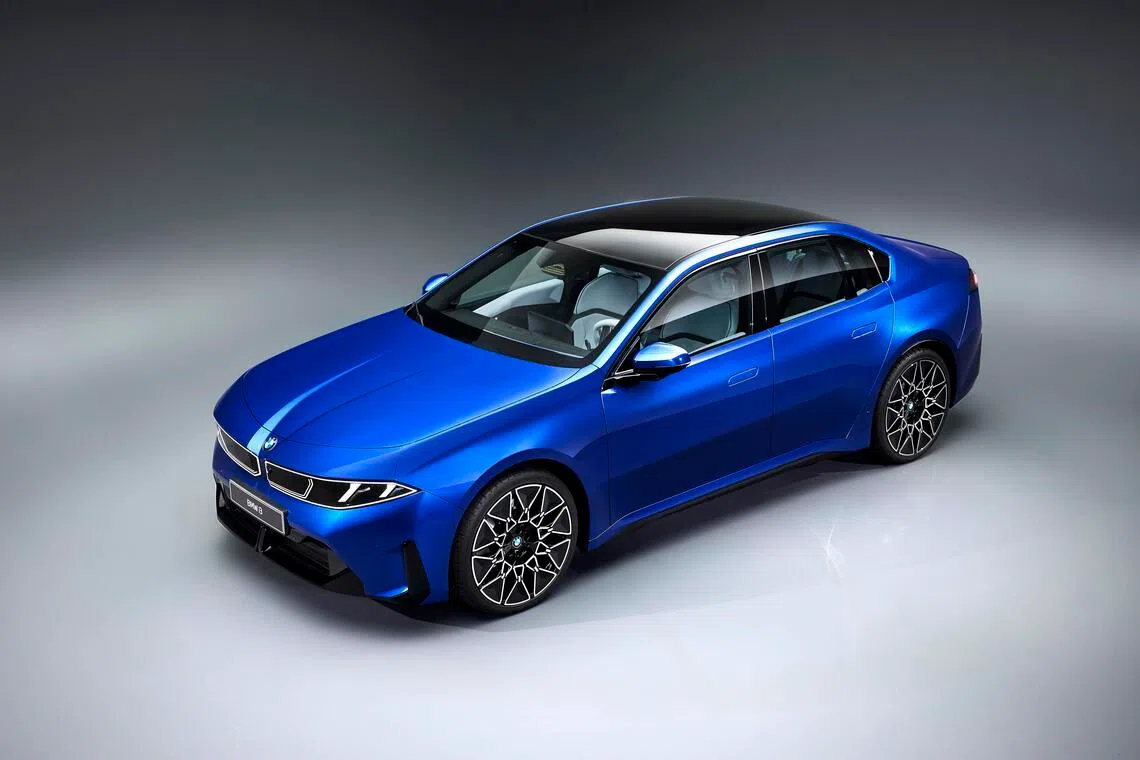
The BMW i3 is the first fully electric 3-series.
PHOTO: BMW
The next BMW 3-series will be available as an electric vehicle (EV). Inheriting the i3 name from the quirky part-carbon fibre electric hatchback from over 10 years ago, the four-door saloon is the second model from the brand’s Neue Klasse era after the iX3 SUV.
Neue Klasse describes BMW’s new direction in car design, engineering and manufacturing. The term references the generation of BMWs from the 1960s, which brought the brand into the mainstream.
The i3 that made its world debut in Germany on March 18 is the 50xDrive, a dual-motor, 345kW EV with a 108kWh NMC battery capable of covering up to 900km on a single charge.
Compared with the current generation, combustion engine 3-series, the i3 is 47mm longer at 4,760mm and stands 40mm taller at 1,480mm.
In terms of design, the biggest departure from tradition is the use of a light graphic to form the brand’s signature double kidney grille and headlights. While the front overhang is short, just as previous generations of the 3-series have been, the cabin seems to be slightly more forward than before.
On the inside, the i3 features a similar dashboard architecture as the iX3 SUV. Instead of an instrument cluster ahead of the driver, the information is presented as a strip running across the base of the windscreen.
By the end of 2027, BMW will launch 40 new and updated models, including the first electric M car.
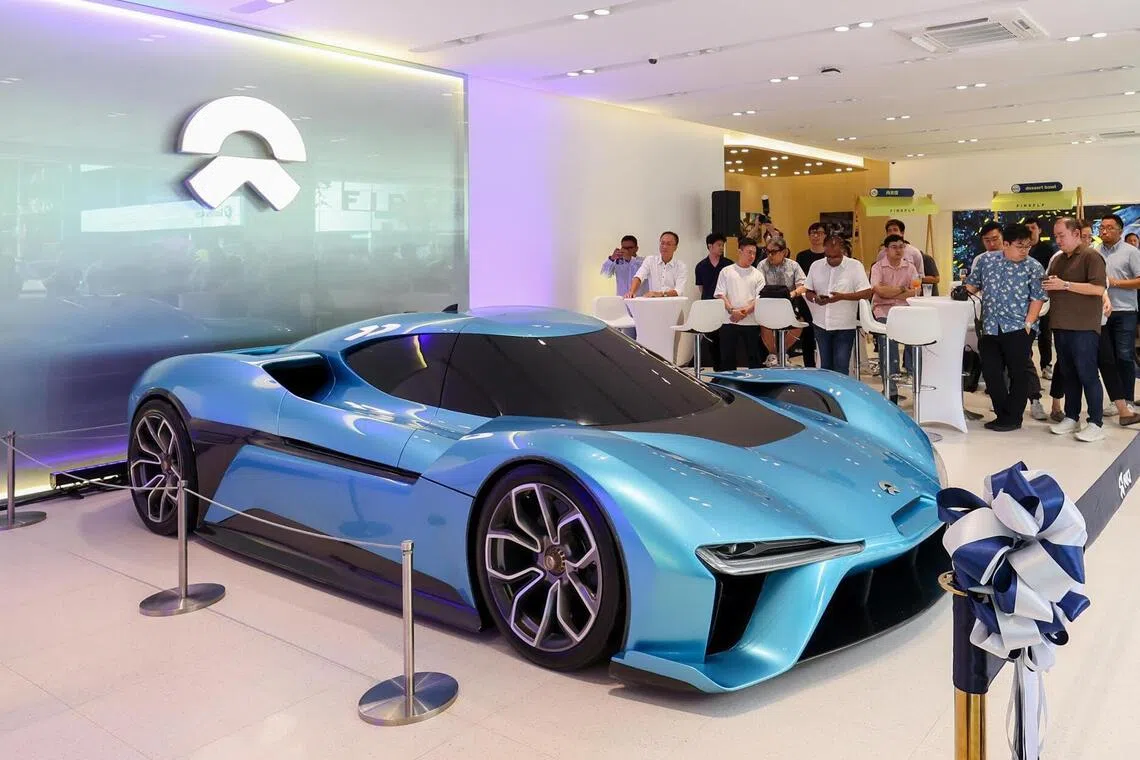
The Nio EP9, an electric hypercar, is on permanent display at the newly opened Nio showroom at 28 Leng Kee Road.
PHOTO: WEARNES AUTOMOTIVE
The 1,000-kilowatt Nio EP9 electric track-only hypercar is on display at the newly opened Nio showroom at 28 Leng Kee Road.
Produced between 2016 and 2019, the supercar’s system output of 1,000kW – or 1,341hp – comes from four inboard electric motors, enabling torque vectoring which enhances handling and agility.
The car in Singapore is a mock-up of the model that set multiple records on renowned race tracks – including the Nurburgring in Germany – with a time of 6min 45.9sec, making it one of the fastest EVs at the time.
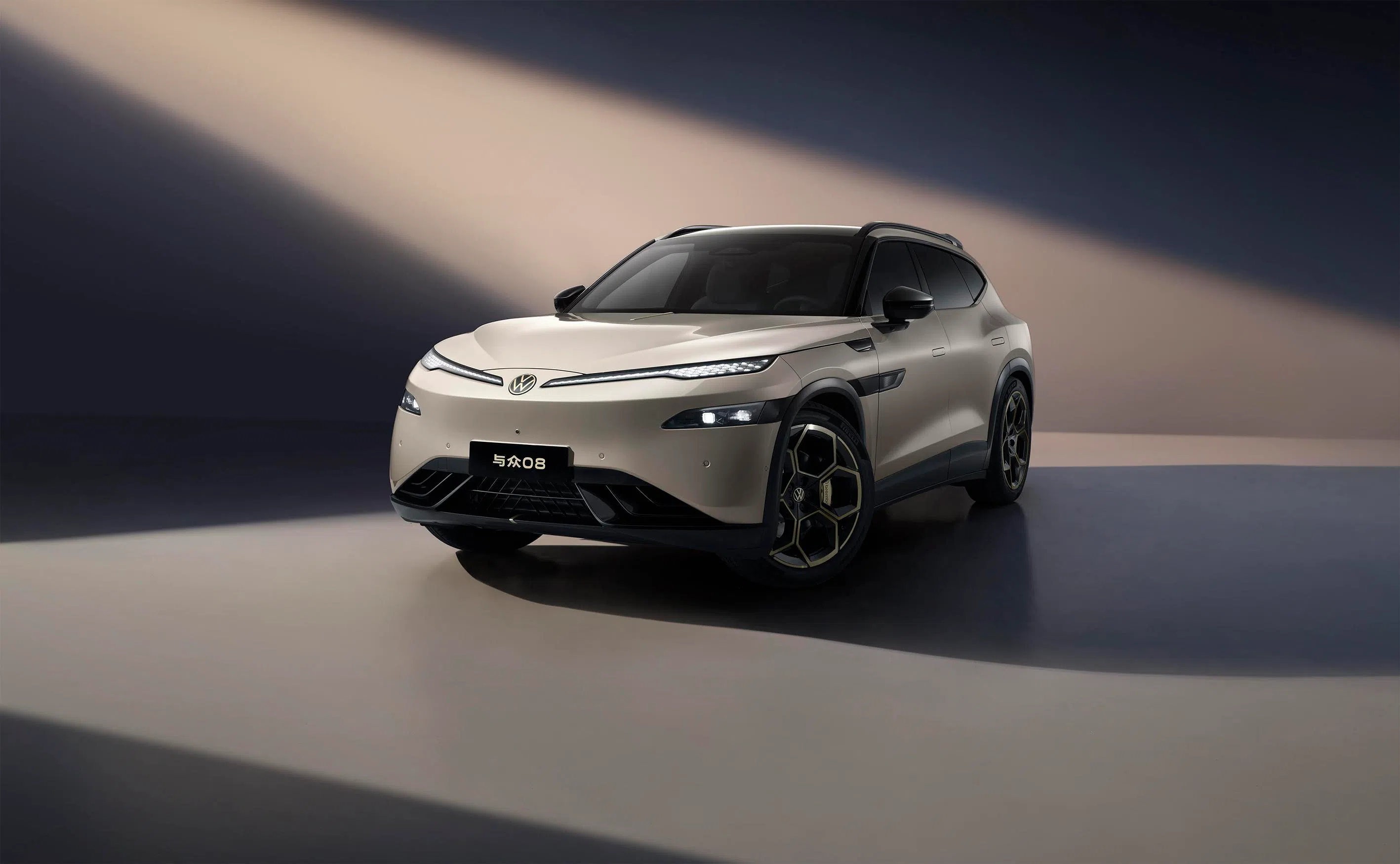
The ID.UNYX 08 is the first Volkswagen electric vehicle developed in partnership with Chinese carmaker Xpeng.
PHOTO: VOLKSWAGEN GROUP
The Volkswagen ID.UNYX 08 is a large electric SUV developed with Xpeng. Its development took under two years, which is about half the time Volkswagen usually takes.
The partnership with the Chinese EV maker is part of Volkswagen’s plan to launch new products in China faster, in response to fierce competition from domestic carmakers.
Made in Hefei, China, the car uses 800-volt technology to enable high-speed charging and has advanced driver-assistance features. Its features can be improved remotely through over-the-air updates.
In 2026, Volkswagen plans to launch 20 locally developed models in China, at the pace of one new EV every two weeks. Besides pace, Volkswagen said this approach brings German technology, local cutting-edge technology and attractive pricing to consumers.
The move follows that made by Audi, which partnered Chinese state-owned carmaker SAIC to launch the E5 Sportback in August 2025.