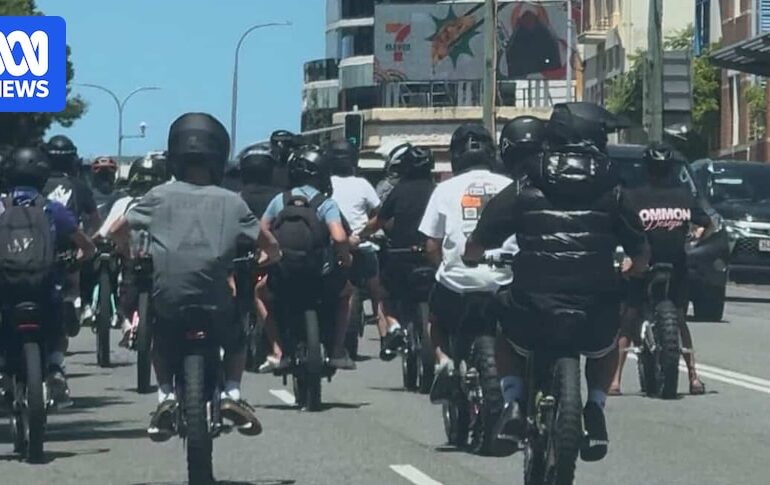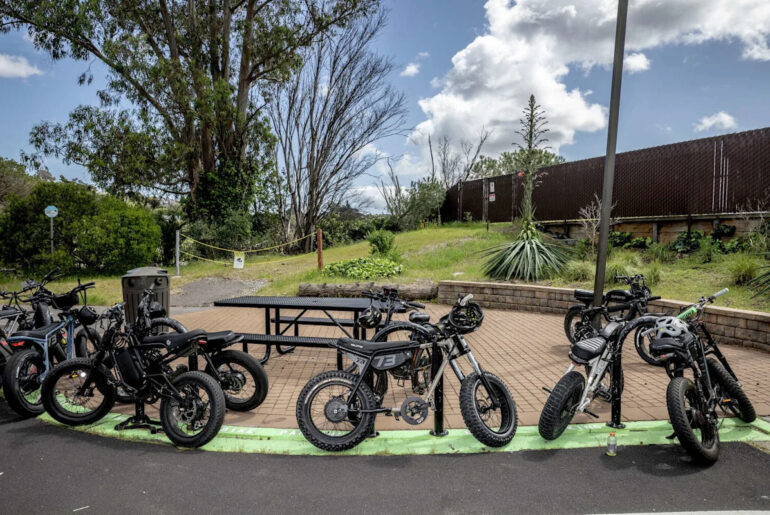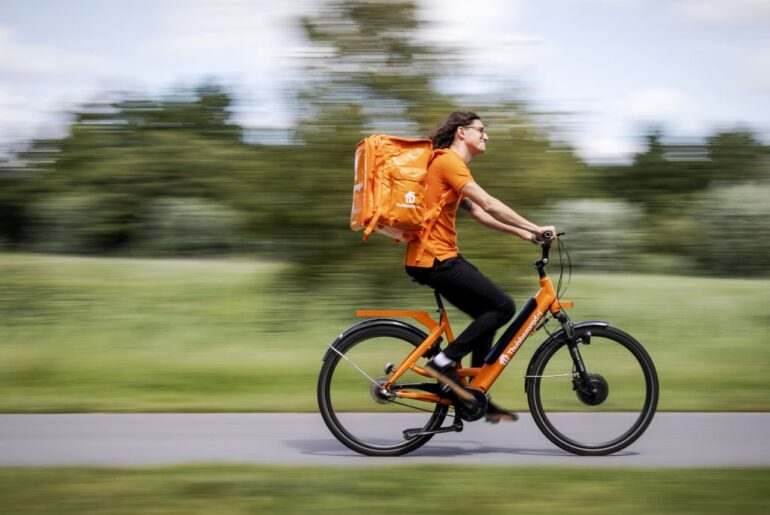
E-bikes are giving teenagers in Oak Park new independence, but that freedom comes with increasing safety concerns.
Growing up in Oak Park, riding a bike through neighborhood streets to places like Mae Boyar Park, school, or friends’ houses was a common way for young people to experience independence for the first time.
In an era when many young people spend increasing amounts of time indoors and behind screens, opportunities to be outside exploring their communities are more important than ever. But as more riders take to the streets on high-powered e-bikes, the community faces an important question: How can that independence be preserved while promoting a safety-first mindset among teen riders?
Many local adolescents are navigating busy streets on high-powered e-bikes without any formal instruction in road safety, traffic laws and the importance of staying alert to their surroundings.
The U.S. Consumer Product Safety Commission reports that injuries related to e-scooters and e-bikes increased more than 20% percent in 2022 alone. Children under the age of 14 accounted for more than a third of those injuries between 2017 and 2022.
As these devices become more common in suburban communities, teenagers are riding faster and traveling farther than traditional bicycles allow, often without the training needed to safely manage traffic, speed, and shared roadways.
Adolescence is also a period when young people are still developing decision-making skills and learning how to balance freedom with responsibility. When communities respond only with restrictions, teenagers may be left without the guidance needed to navigate that independence safely.
One widely studied program, teenSMART, helps young riders focus on skills such as hazard recognition, risk perception, and decision-making abilities that many adolescents are still developing.
Studies comparing teen drivers who completed the training with those who did not found significantly fewer crashes and traffic violations. Programs like these focus on skills such as hazard recognition, risk perception and decision-making abilities that many adolescents are still developing.
Instead of focusing primarily on bans, communities like Oak Park should consider investing in proactive safety education.
Local schools could partner with law enforcement agencies or community organizations to offer safety workshops for students who ride e-bikes.
These programs could introduce teenagers to traffic laws, helmet safety, pedestrian and vehicle awareness, and strategies for navigating busy streets and intersections. Like driver education courses, the goal would be not to limit independence but to help teenagers learn how to manage it responsibly.
Communities might also explore ways to encourage accountability without eliminating access. One idea would be to assign a unique identification number to e-bikes used by minors and link it to a parent or guardian. Similar to vehicle registration, this type of system could help address reckless riding or traffic violations while keeping parents informed and involved in how these devices are used.
When paired with parental guidance at home, such measures reinforce the idea that independence on the road comes with responsibility. Conversations about traffic laws, helmet use, and expectations for safe riding can help teenagers understand that freedom and accountability go hand in hand.
Teenagers will continue riding e-bikes in Oak Park, and the goal should not be to eliminate that independence but to guide it responsibly. Young people benefit when communities allow them the freedom to explore their environment while also providing the structure that helps them make safe decisions.
By investing in safety education, parent involvement, and thoughtful community solutions, Oak Park can address legitimate concerns while still protecting the independence that has long been an important part of growing up in the community.
Morgan Weiss is a lifelong Oak Park resident and a graduate student at the University of Southern California’s Suzanne Dworak-Peck School of Social Work. Her studies have focused on creating an environment that promotes the health and safety of young people as they grow up.