Honda’s WN7, the company’s first production electric motorcycle, is big news, not just for Honda but for motorcycling. We’ve seen strong electric efforts from BMW, Zero, LiveWire and Can-Am, but this is the first time the industry’s biggest player has gone all-in on a mass-produced EV, sold through regular dealers.
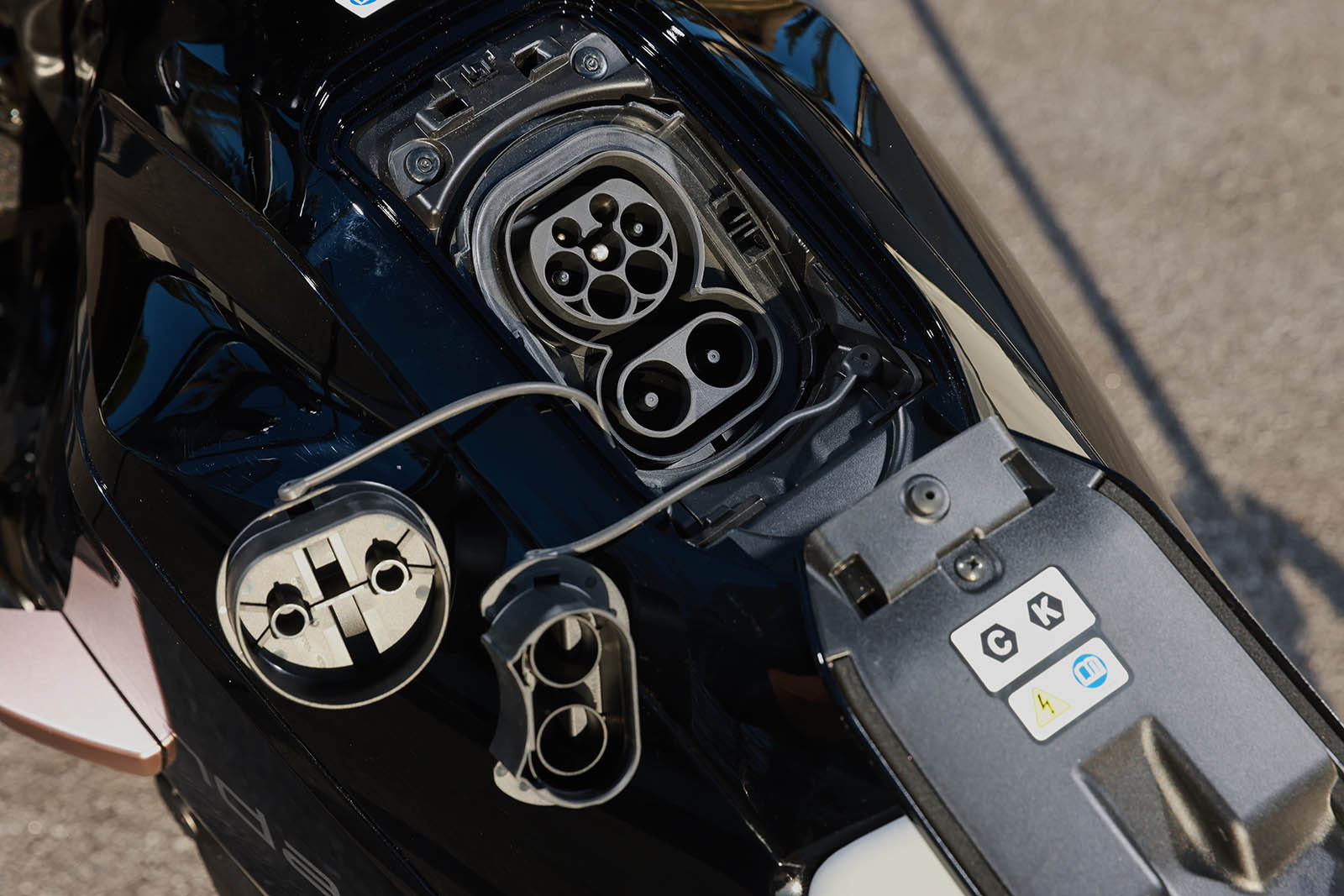
First shown at EICMA in 2024, the WN7 arrives in 2026 in two forms to meet different licence categories: 11kW (A1) and 18kW (A2). Both have a peak of 50kW/67bhp and 100Nm of torque, although the top speed and continuous power output differs, making the A1 version learner legal. Range is a claimed 140km (87 miles), top speed is 129kph (80mph) for the A2 version (120kph on the A1 version) and CCS2 DC fast charging should allow recharging from 20–80% in 30 minutes at a public charging point. A full charge on AC takes around 2.4 hours.
Honda’s pushed beyond its usual comfort zone. There’s a frameless chassis, with belt drive for the first time, and dimensions are loosely based on the CB750 Hornet. As expected, it’s loaded with rider aids, including adjustable regen braking.
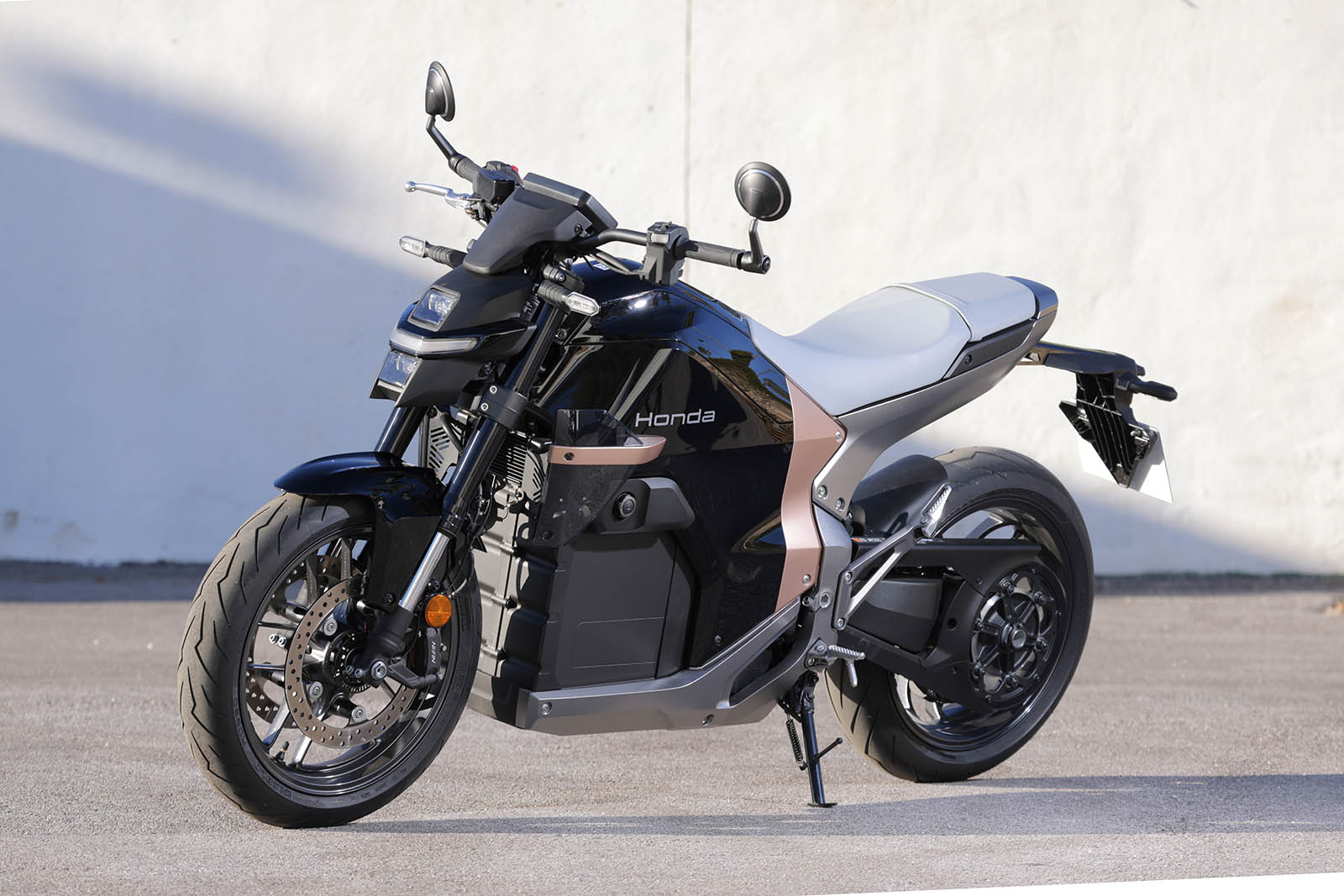
With no gears and no clutch, just near-silent running, it’s a new riding experience to get your head around. We rode it in southern Spain ahead of its showroom arrival, priced at just under £13,000.
This wasn’t a typical press launch experience. There was no full-day ride or long looping routes, just a shorter test designed to give a flavour of the WN7’s capabilities. That’s the reality with electric bikes.
We rode through town, where this bike will spend most of its life, before a short blast into the hills near Malaga, all in perfect conditions. And despite the relaxed format, we rode it as hard as any machine.
Some won’t like the WN7 simply because it’s electric and, at £12,999, it looks expensive next to something like Honda’s CB750 Hornet. But that’s missing the point. This is Honda, by far the industry’s biggest player, entering the EV space properly. That matters.
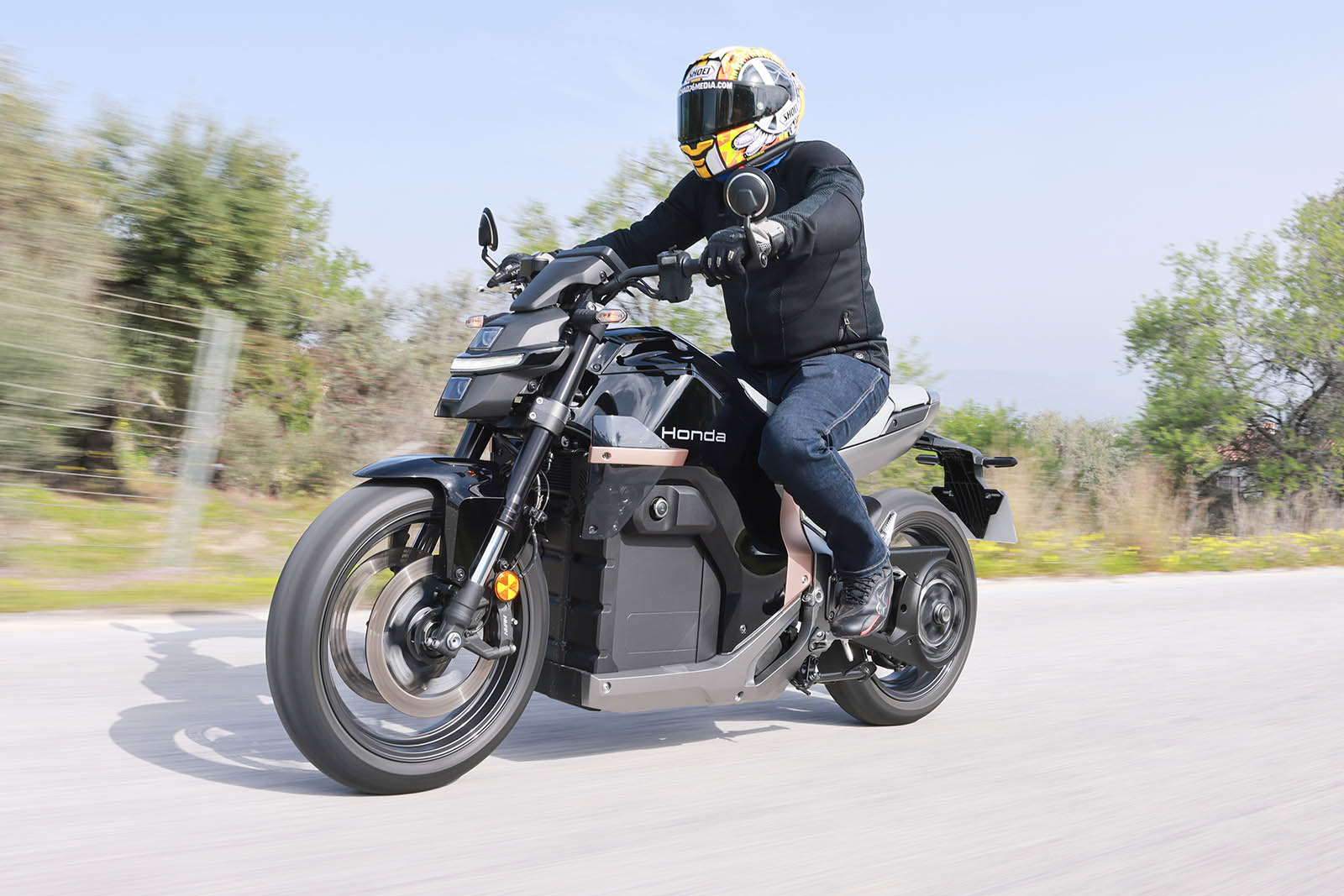
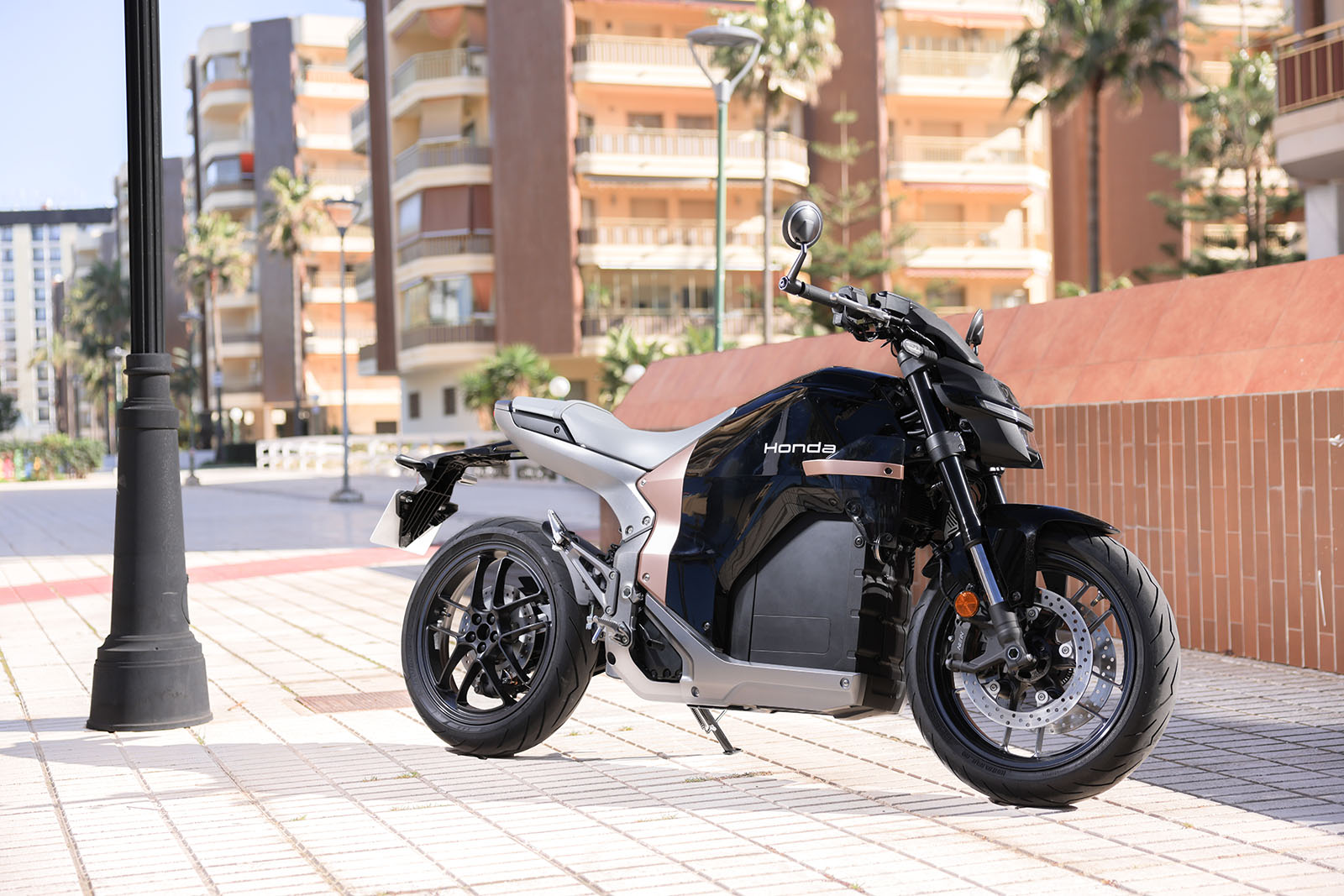
In the metal, the WN7 works. EV design frees things up, so there’s no radiator, no exhaust, no fuel tank… and Honda has kept it clean and slim. It’s strikingly narrow, especially from the rear, and neatly executed with typical Honda quality.
Underneath, it’s not as radical as it looks. Geometry is close to the CB750 Hornet, with a longer wheelbase and narrower 150 rear tyre. The battery doubles as the main frame, while Showa suspension and Nissin brakes keep things familiar.
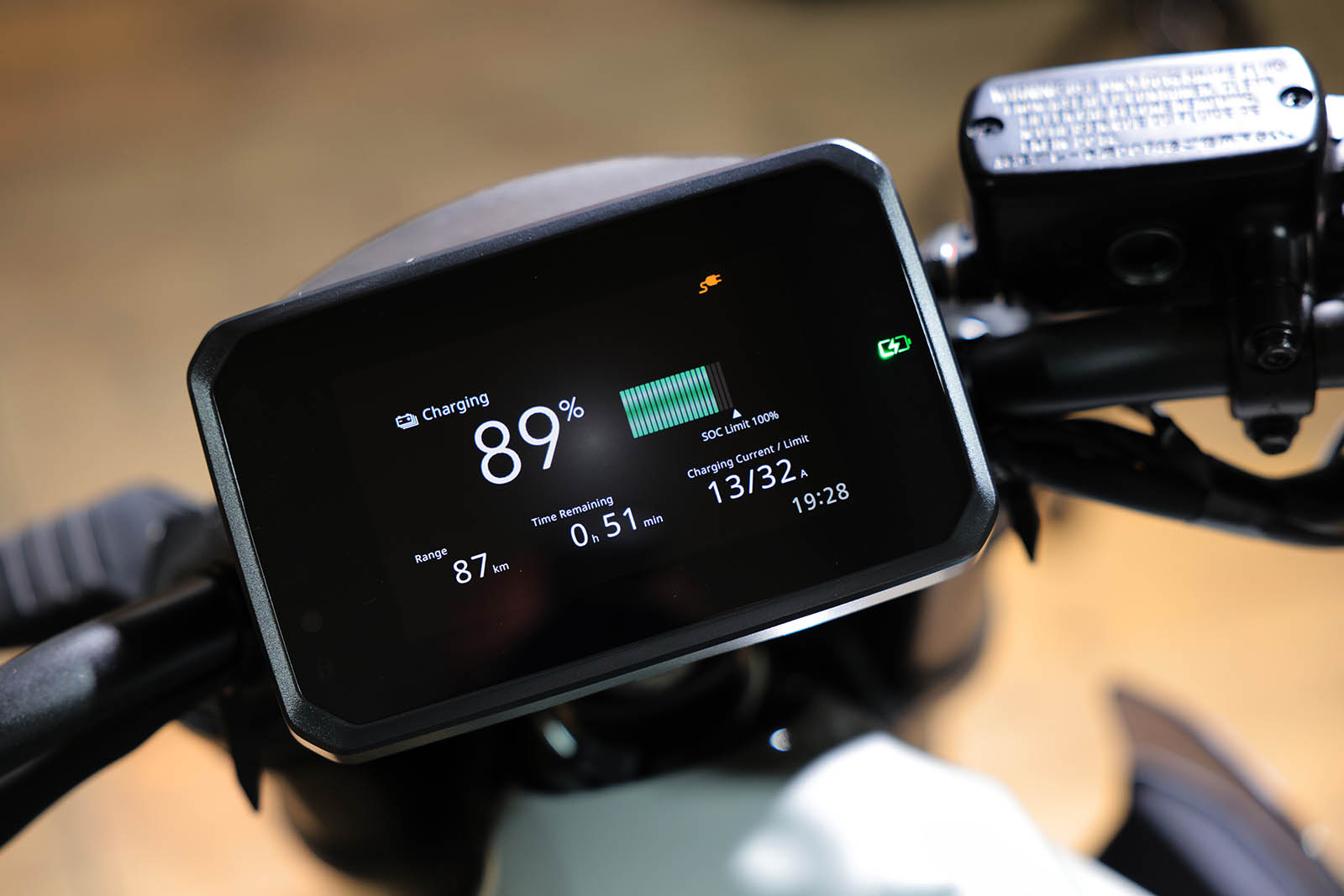
On board, it’s a mix of known and new. The TFT dash and switchgear are classic Honda, but there’s no clutch, no gears, just twist and go. There’s even a clever walking mode, forward and reverse, which proves genuinely useful.
At first, it feels alien. You reach for a clutch that isn’t there, stab at phantom gearshifts, but it clicks quickly. Think maxi-scooter, just quieter.
In town, it makes perfect sense. Low centre of gravity, excellent balance, and near-silent running make it easy and unintimidating. You notice more of what’s around you, too, traffic, pedestrians, everything. And unlike many EVs, it feels properly refined over bumps.
The adjustable regenerative braking is key. Controlled via paddles on the left handlebar, it mimics engine braking. You can add more as you slow, or back it off to coast. It’s odd at first but soon becomes second nature.
Out of town, it surprises. Sport mode delivers proper punch more than expected and with 100Nm of instant torque, overtakes are effortless. It feels quicker than the numbers suggest.
Top speed is limited to 129kph (80mph), so motorway work is restricted, but stability is solid. And with minimal regen, it coasts impressively well at speed.
Handling is good, though not perfect. The low weight bias helps in town, but out on faster roads, it takes a bit more effort to tip in. Once there, grip and feedback are strong, helped by quality Showa suspension and Pirelli Diablo Rosso III tyres.
There are a few niggles. The seat is firm, the dummy filler cap isn’t lockable, and the real-world range raises questions. Honda claims 87 miles, but we saw closer to 60 under hard use. Realistically, expect 60–70 miles before thinking about a charge.
In a city, that’s manageable, but push it hard out of town, and you’ll be looking for a charger sooner than you might like.
Some petrolheads will dismiss the WN7 outright. There’s no noise, no two-stroke haze and no drama. And yes, compare it to bikes like Honda’s CB750 or CB500 Hornet, and it loses on price, range, and outright practicality. They’re cheaper, go further and, for many, are still more fun. Right now, the cost argument for electric doesn’t quite stack up.
But that’s not really the point. Compare the £12,999 WN7 to other electric bikes at a similar price and the picture changes completely. This is right up there, and arguably the best of the lot. Build quality, ride feel, and overall refinement are a clear step up, and the fast charging makes a genuine difference.
Sure the seat’s a bit firm, and range drops if you ride it hard, but overall it’s a seriously impressive package. Useful features like reverse and adjustable regen aren’t just gimmicks, they work. More importantly, it feels like a proper motorcycle first and foremost, just one that happens to be electric.
Honda WN7 specification
Price: £12,999
Power: 18kW or 11kW (continuous) / 50kW (peak)
Maximum torque: 100Nm
Transmission: Single-speed, belt final drive
Frame: Frameless aluminium chassis with battery as stressed member
Battery: 9.3kWh lithium ion
Suspension: (F) Showa 41mm upside down forks, (R) Monoshock with preload adjustment
Wheels: Cast aluminium, 17 x 3.5”/17 x 4”
Tyres: (F) 120/70 x 17, (R) 150/60 x 17 Pirelli Diablo Rosso III
Brakes: (F) 2 x 296mm discs, two-piston calipers, (R) 256mm disc, single-piston caliper. Cornering ABS
Weight: 217.5kg (kerb)
Wheelbase: 1,480mm
Seat height: 800mm
Warranty: 72 months
Contact: www.honda.co.uk
Words: Adam ‘Chad’ Child
Photography: Honda Motorcycles/Motocom