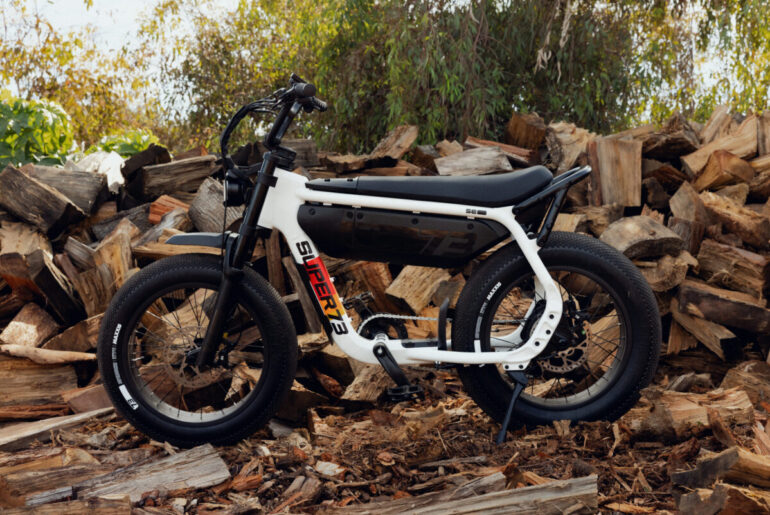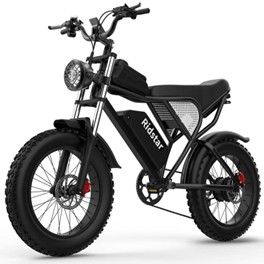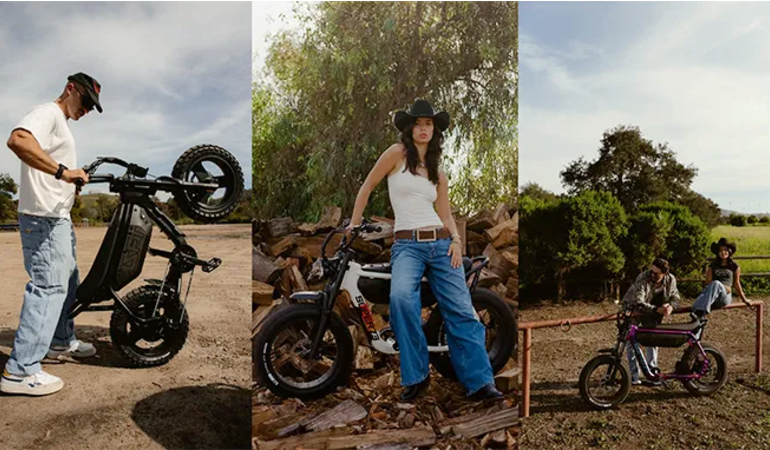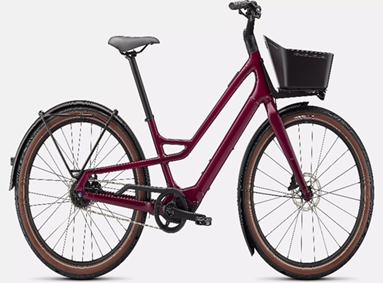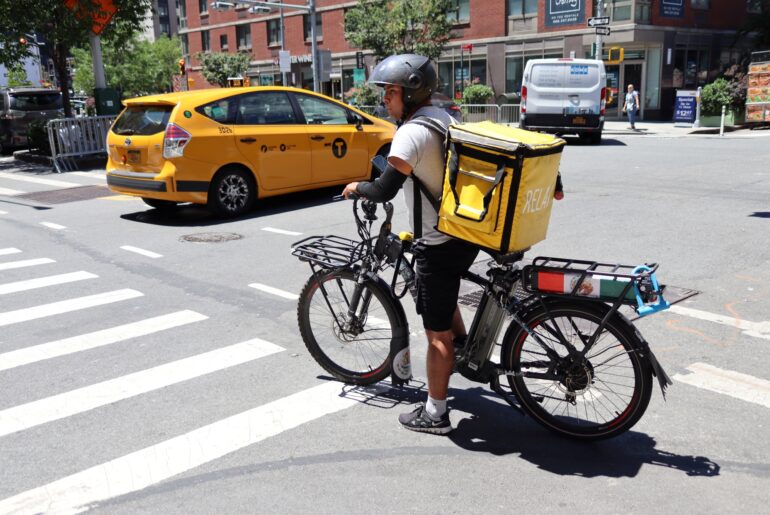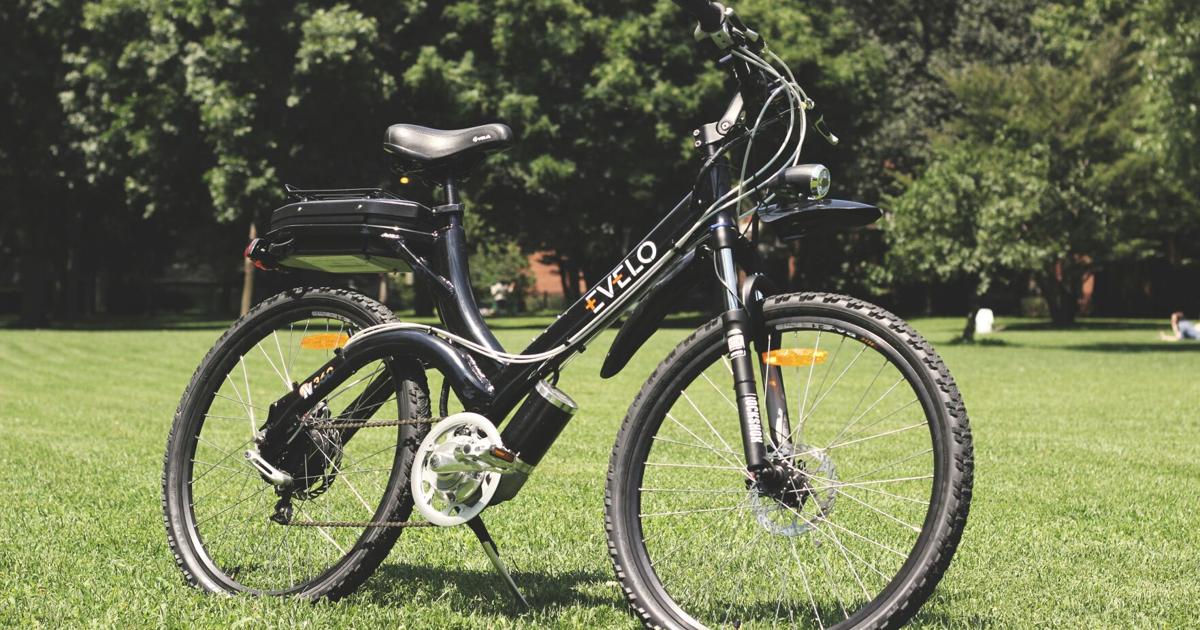
E-bikes, which have an electric motor and a rechargeable battery, can make bicycle riding more accessible to lots of people, as they can assist when the ride gets more challenging. However, e-bikes are more akin to a motorcycle than a traditional bicycle and present some risks especially for younger riders.
There are 3 classes of e-bikes. On Class 1 bikes, the motor only works if the rider is peddling. Class 2 bikes have a throttle that enables the motor to work without peddling and can go up to 20 mph. Class 3 bikes may or may not have a throttle but can go as fast as 28 mph.
Laws vary by state regarding at what age a class of e-bike may be used. Age 14-16 years is the typical age allowed to use a Class 1 or 2 e-bike, with the cut-off commonly being over 16 years of age for Class 3. The Consumer Protection Safety Commission recommends no motorized vehicle use over 10 mph for kids under age 13 years.
Because e-bikes are heavier and faster than traditional bicycles, they are more dangerous with injuries to the head, neck, face and internal organs more common. There are more than 20,000 US emergency room visits annually due to e-bikes with about 3,000 hospitalizations. Adolescent males under age 16 are at particularly high risk of injury. Bike helmets are not sufficiently protective for e-bike riding; a helmet designed for motorcycle or motorized scooter use is recommended.
In view of the risks, what can parents do to help protect their kids regarding e-bike riding?
• Do not allow e-bike riding under age 13 years.
• Help your child learn about e-bike use and safety before riding.
• Pay attention to state laws regarding age limits based on the class of e-bike.
Sign up for our Daily Headlines newsletter — delivered to your inbox every morning at 7 a.m.
Thanks! You’re all set.
Watch your inbox for Daily Headlines.
• Insist your child wear a helmet appropriate for a motorcycle or motorized scooter.
• Make sure your kiddo knows not to ‘give a ride’ to someone else or be a passenger themselves on an e-bike.
• Encourage protective clothing like close-toed shoes, long sleeves and pants, wrist guards, etc.
• Do not allow the dangerous practice of modifying an e-bike to increase maximum speed.
• Help your child learn about basic e-bike maintenance.
• Make sure your child follows traffic rules for a standard bike if Class 1 or Class 2; there may be stricter rules for Class 3 (check local regulations on-line).
• Have serious discussions about the responsibility and risks that go along with e-bike use.
Of course, e-bike riding is not essential, and you may feel it is not appropriate for your child given the risks. Knowing we cannot control everything our kids do, particularly as they become teens and beyond, having conversations about the potential dangers of e-bikes will encourage them to make a more informed decision about if and how they might use them.
• Dr. Elise Herman is a retired pediatrician after 28 years in private practice and three years at Kittitas Valley Healthcare in Ellensburg, Washington.