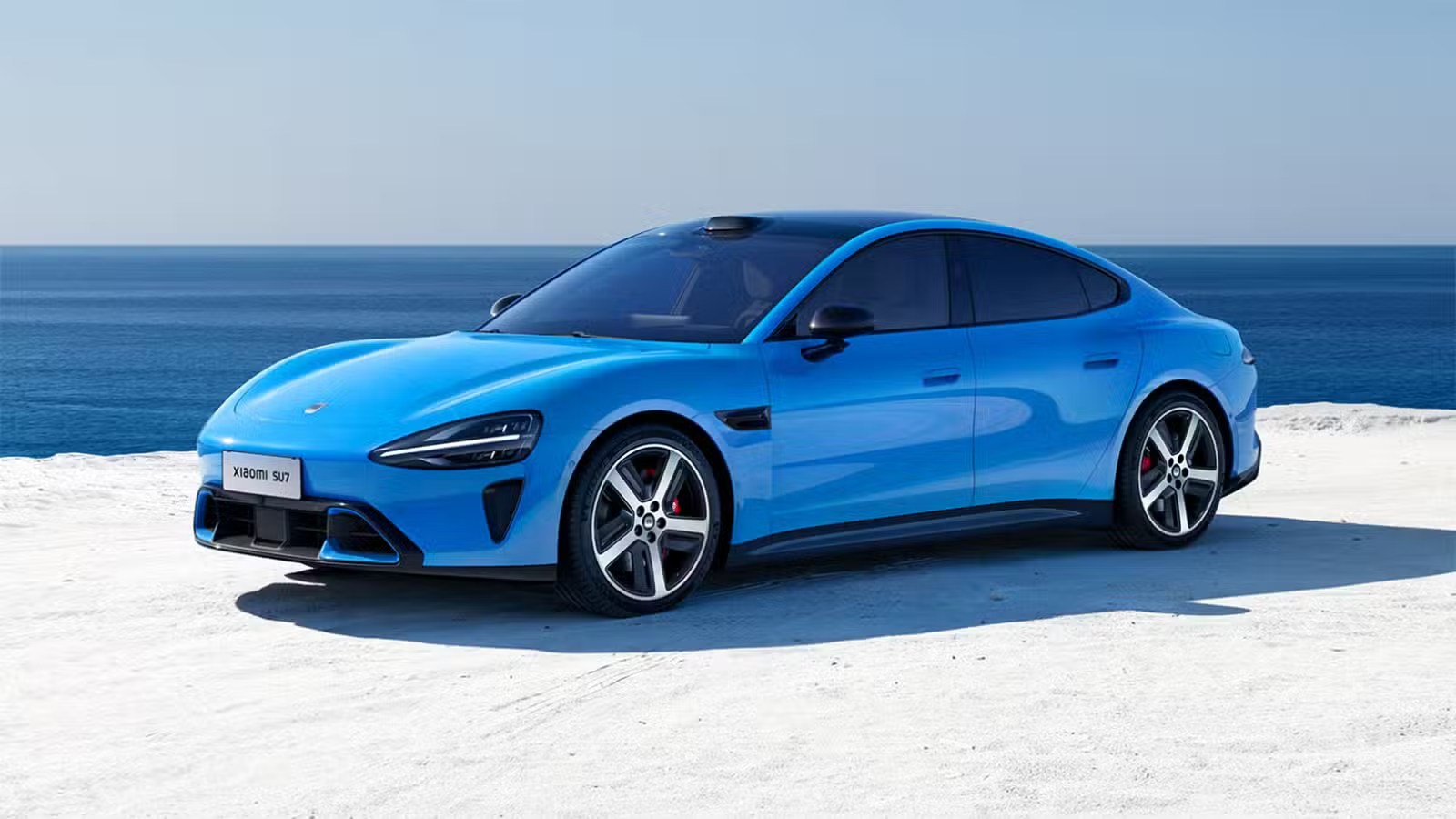
Xiaomi officially launched its updated SU7 electric sedan, with a starting price of 219,900 yuan ($31,870) — a significant reduction from the pre-sales price.
The new model introduces LiDAR and the new XLA cognitive large model as standard across the lineup to enhance performance in complex traffic scenarios.
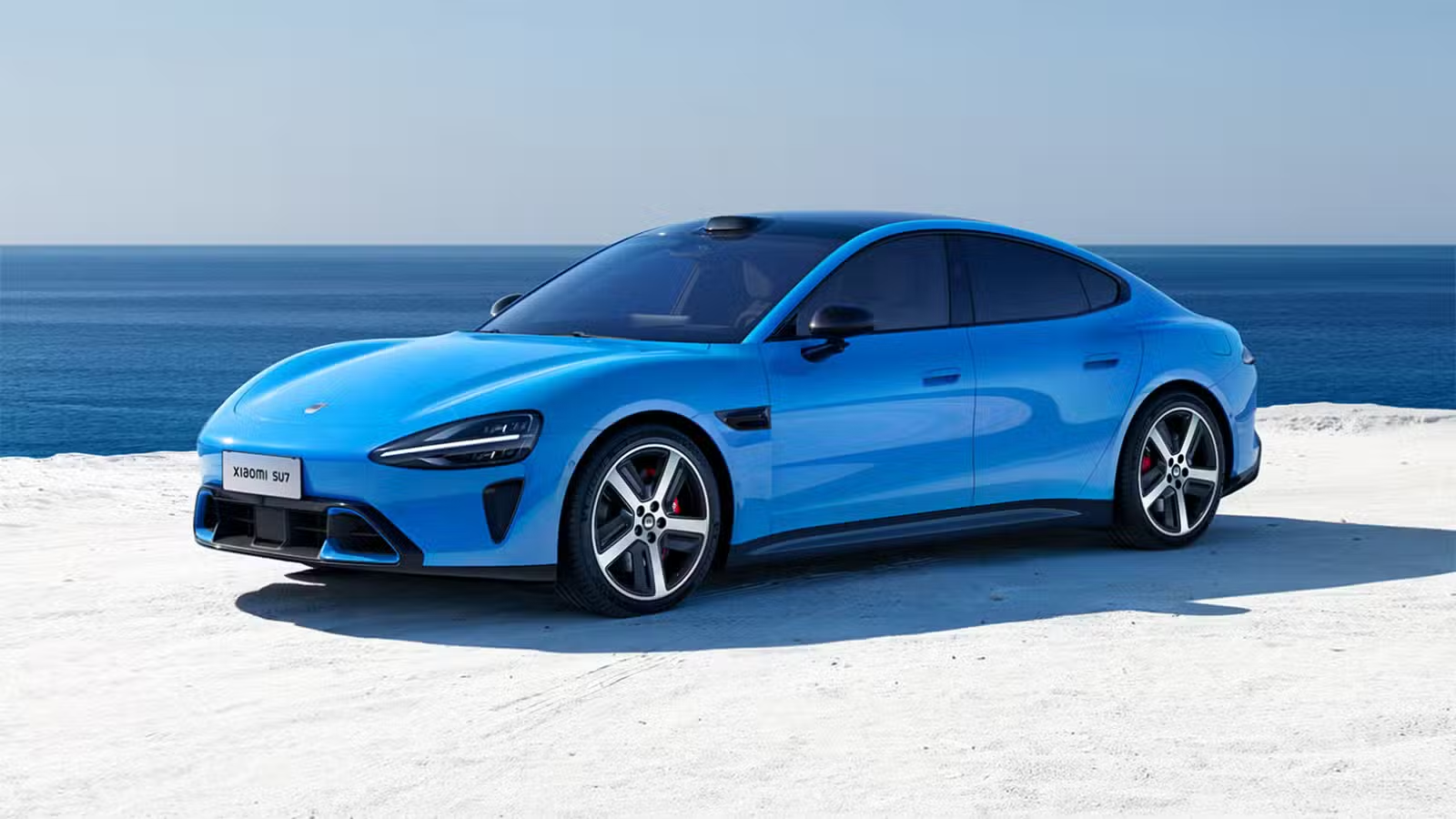
Xiaomi launched the highly anticipated next-generation SU7 sedan, with the electric model priced from 219,900 yuan ($31,870) to further challenge Tesla in the world’s largest EV market.
The company announced at the high-profile launch event tonight that the price of the next-generation SU7 standard version is set at 219,900 yuan, while the Pro and Max versions are priced at 249,900 yuan and 303,900 yuan, respectively.
This official starting price is 10,000 yuan lower than the pre-sales price of 229,900 yuan announced in January, which is in line with standard practice in the Chinese EV industry.
Compared to the starting price of 225,900 yuan for the first-generation SU7 launched two years ago, the new-generation sedan has seen a price increase of 4,000 yuan, but it is still 15,600 yuan cheaper than the Tesla Model 3’s starting price of 235,500 yuan.
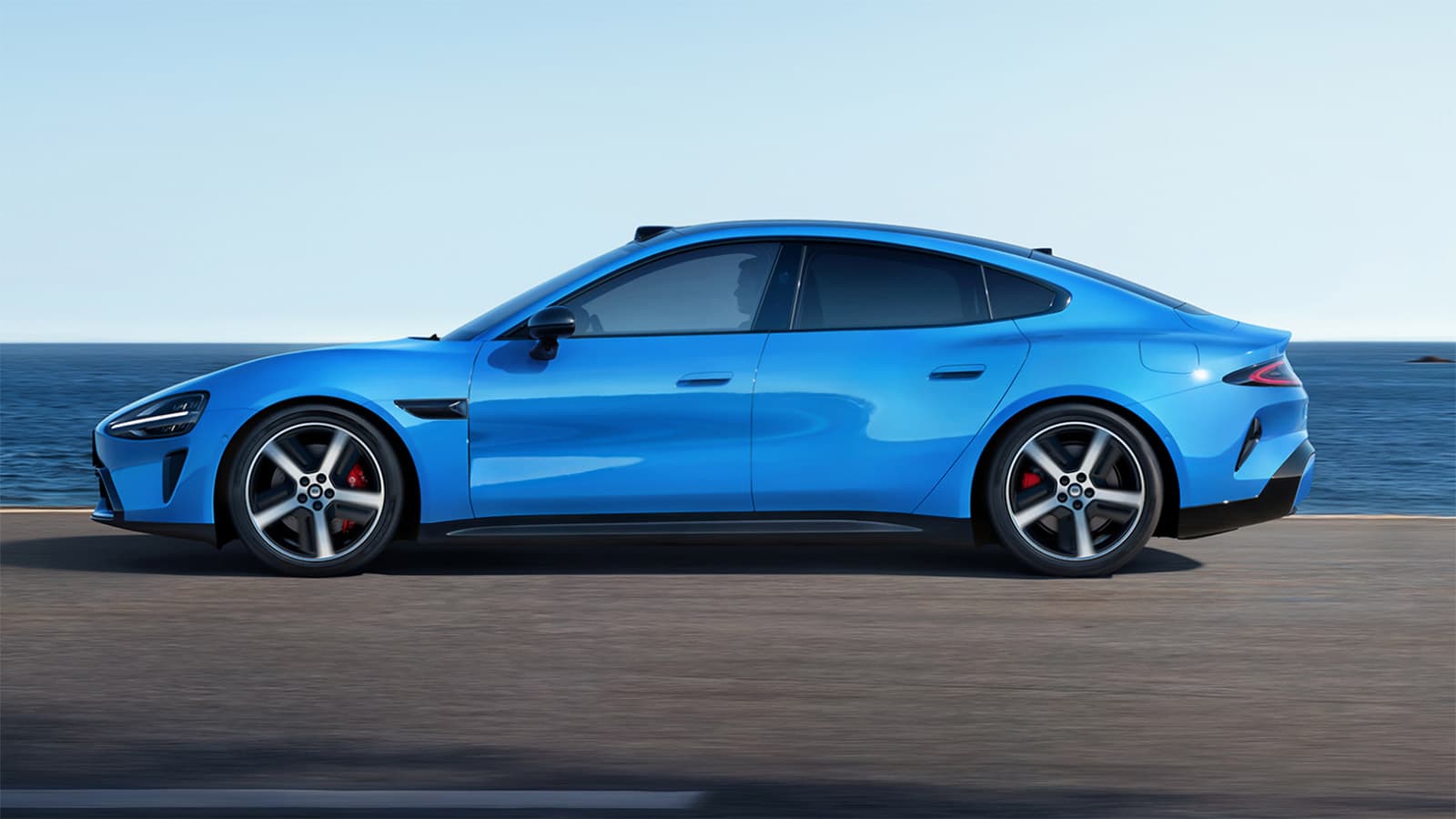
The model is a mid-to-large-size all-electric sedan, measuring 4,997 mm in length, 1,963 mm in width, and 1,445/1,460 mm in height, with a wheelbase of 3,000 mm.
The updated sedan is equipped with an assisted driving system powered by the new XLA cognitive large language model as standard across the entire lineup.
This upgrade marks the first time Xiaomi has integrated the two originally independent complex AI tasks of assisted driving and embodied robotics to enhance the vehicle’s decision-making capabilities.
In terms of hardware configuration, the next-generation SU7 comes standard with LiDAR, an Nvidia Thor chip with 700 TOPS of computing power, and a 4D millimeter-wave radar across all models.
High attention has been paid to the vehicle’s safety, which adopts an upgraded armored cage body structure with a maximum strength of up to 2,200 MPa to protect occupants in collisions.
The battery system has also seen significant upgrades, with all models featuring a silicon carbide high-voltage platform, enabling the Max version to replenish 670 kilometers of range in 15 minutes.
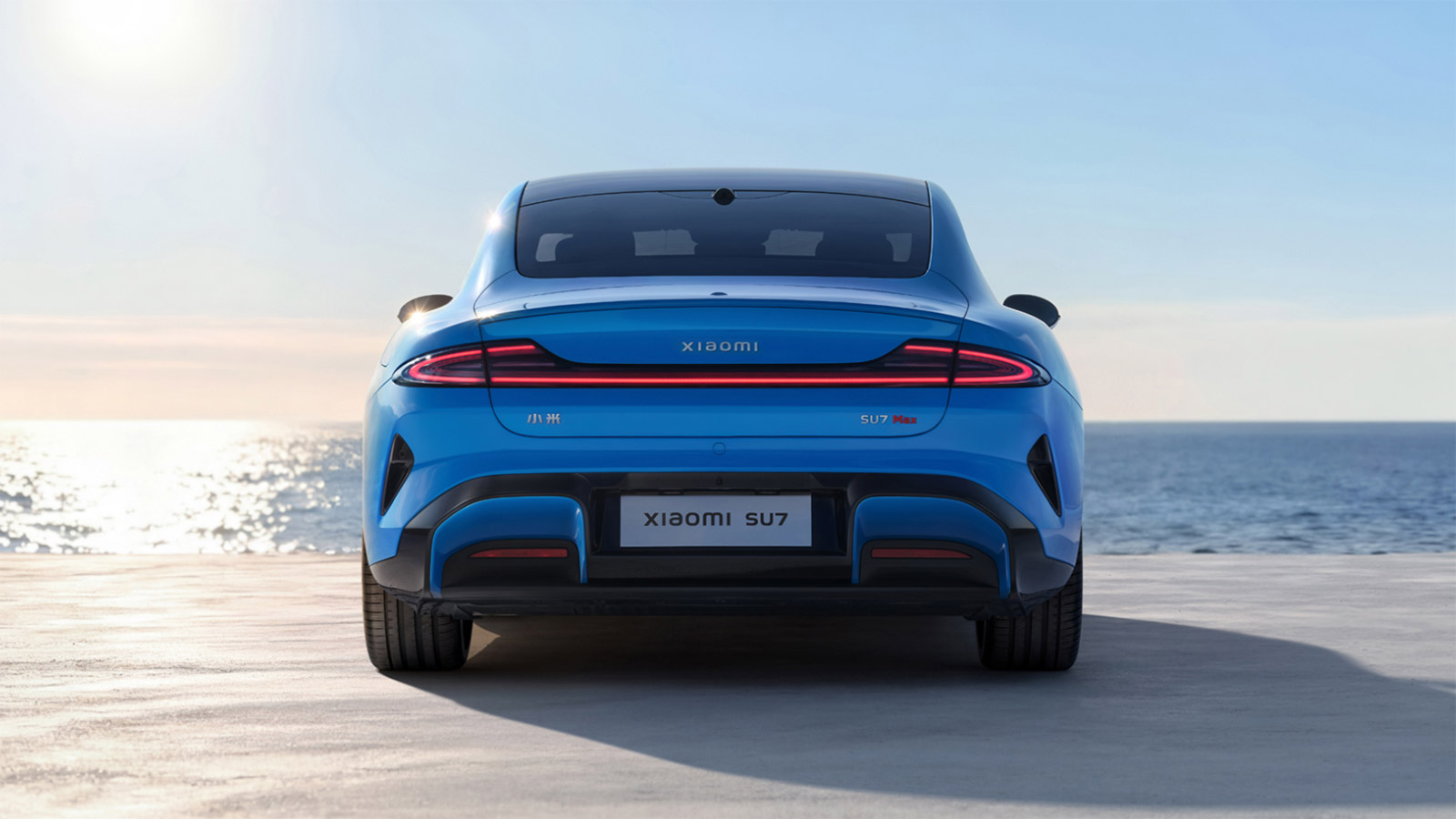
The Standard version is equipped with a 73-kWh battery, offering a CLTC range of 720 kilometers. The Pro model features a 96.3-kWh battery pack, extending the range to 902 kilometers. The Max model comes with a 101.7-kWh battery pack, delivering a range of 835 kilometers.
Both the Standard and Pro versions are single-motor rear-wheel-drive models, capable of accelerating from 0 to 100 km/h in 5.28 seconds and 5.7 seconds, respectively.
The Max version, on the other hand, features a dual-motor all-wheel-drive system and can accelerate from 0 to 100 km/h in 3.08 seconds.
Xiaomi is currently fully committed to the production preparation of this facelifted model, and the company plans to initiate large-scale vehicle deliveries immediately following the official launch.
To manage the transition of this product line, Xiaomi halted production of the first-generation SU7 in February. Cumulative deliveries of the older model have exceeded 381,000 units since its launch.
This production transition led to a significant 47.66% drop in Xiaomi EV’s deliveries in February, falling to a trough level of 20,414 units.
The tech giant is relying on this updated sedan and the YU7 SUV (sport utility vehicle) to achieve its ambitious sales estimate set at 550,000 units for 2026.

Xiaomi’s humanoid robot successfully operated autonomously for 3 consecutive hours at a self-tapping nut assembly station in its EV factory.
($1 = 6.9005 yuan)