When the Region of Waterloo launched the electric bike and scooter program, it was assumed that a significant number of users would be post-secondary students.
That’s why when the program launches in 2023, it focused on both the downtown cores and the university district in Waterloo.
So, it stands to reason that the federal cap on international student enrolment would impact ridership. A recent report to the Region’s Sustainability, Infrastructure and Development committee showed just that.
Isaac Ransom, Head of Corporate Affairs, Neuron Mobility Canada, the company operating the program, presented the report to committee. It showed the number of trips taken dropped from over 173,000 in 2024 to around 127,000 in 2025.
Despite fewer trips, the program remains popular.
“We’re starting to see the program stabilize a great deal in the region,” said Ransom. “Riders are still travelling two kilometres a trip, and those trips are usually about 10 to 12 minutes in duration. We still see very high utilization of e-scooters with over 235,000 km travelled last year.”
Ransom touted Neuron’s safety outreach, mentioning the company gave away over 250 safety helmets in 2025 at various community events.
The drop in ridership did affect a few other categories. There was a drop in the number of people using the devices to commute to work or school. There was also a dip in the number of riders connecting to public transit.
Ransom said a good indication of the popularity is reflected in the number of e-bike and e-scooter trips that replaced car trips. It shows more people are making the choice to use the devices.
“About one in three trips are replacing an Uber or a taxi, or personal vehicle trip, which is having a significant impact on the reduction of carbon emissions in the Region.”
The report showed a jump in the number of Neuron trips that began and ended at transit stops. Going from 21 per cent in 2024 to 28 per cent last year. A good indicator that the devices are being used in conjunction with public transit.
During the question portion of the presentation to committee, Ransom spoke about the measures Neuron is taking to increase accessibility.
“That year, we launched a fleet of four supportive tricycles and two handcycles to broaden our fleet for those with different abilities, averaging over about a trip a week on the devices. That service remains free throughout the region and we continue to roll that out.”
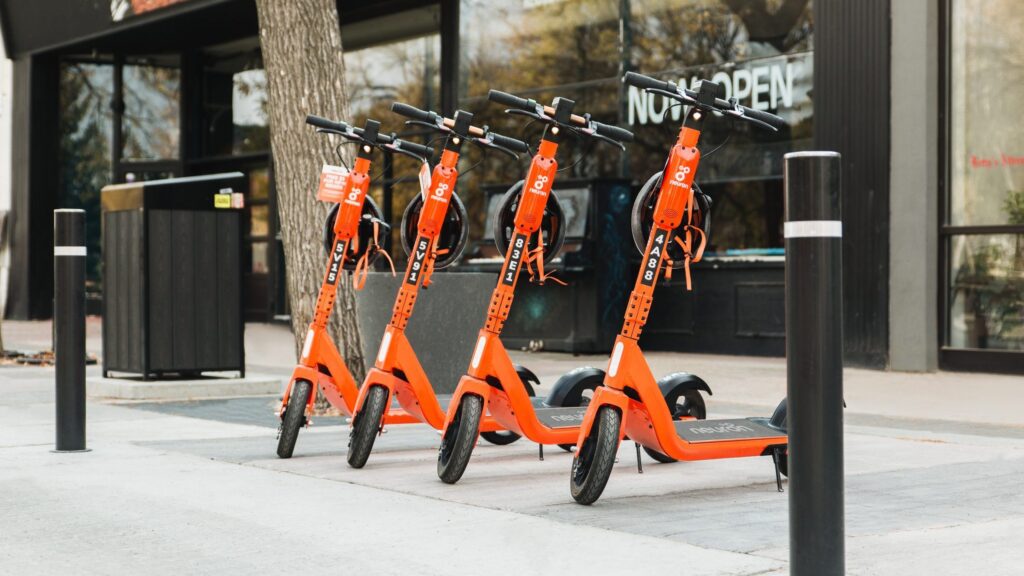
You can expect to see the orange e-bikes and e-scooters back on the region’s roadways in April.