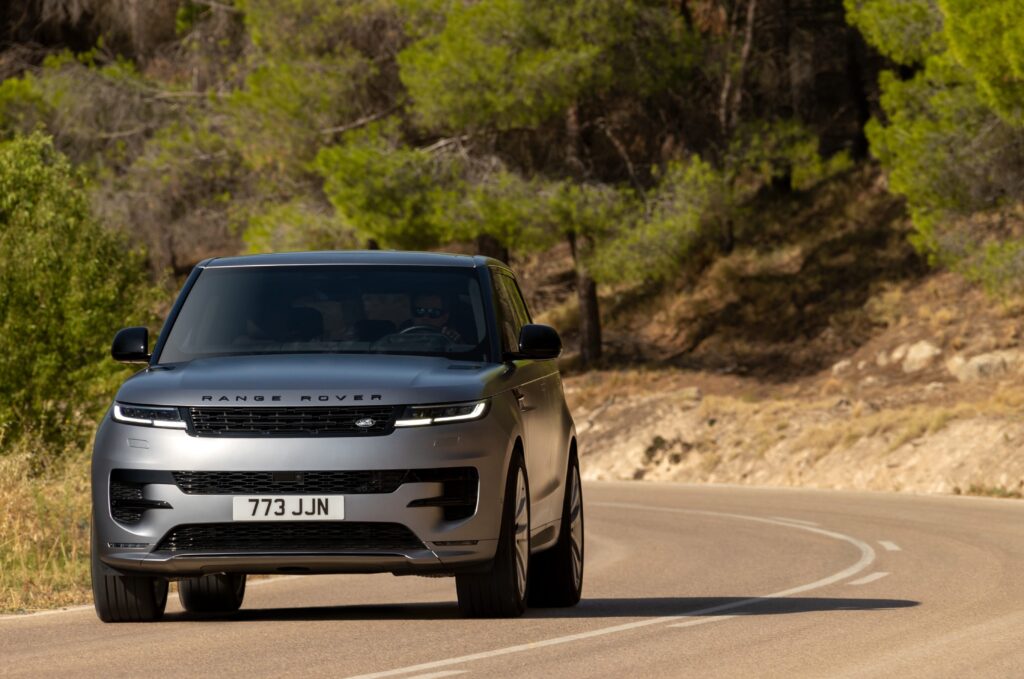
 The 2026 Range Rover Sport PHEV delivers 543 horsepower and up to 53 miles of pure electric range. Photo: Nick Dimbleby, courtesy Jaguar Land Rover
The 21st-century identity of the Range Rover is unwavering. It is Jaguar Land Rover’s most balanced and most popular blend of luxury and capability for the high net worth buyer. They could have an Aston Martin for track fun on a weekend and a Porsche as an everyday drive, but—whether needing to roll over a country estate or carry well-off children through the nicer neighborhoods of any city—that driver will invariably turn to a Range Rover Sport for more rugged passenger carrying.
The 2026 Range Rover Sport PHEV (Plug-In Hybrid Electric Vehicle) offers similar functionality while honoring the JLR commitment to electrification options across its product line. That said, the Range Rover Sport is a different breed of hybrid than the average driver might understand. For the uninitiated who have better things to do than worry about how cars motivate, the common idea of a full-on EV is some variant of the Tesla. One plugs it in, charges it up and drives on until the plug calls once again. There’s no gas needed, but charging times can drag on while the owner reads about occasional self-driving collisions and the looming spectre of battery fires.
Asked to picture a hybrid, and the classic Prius likely comes to mind with its constantly partnered fossil fuel and battery relationship. The gasoline engine charges the battery, while the battery aids the engine to improve mileage. Since Walther Nernst came along with his Third Law of Thermodynamics as both deliberate expenditure and entropy eventually burn all that energy away, the driver must gas up again to keep the hybrid marriage happy. There’s no plug or external charging involved.
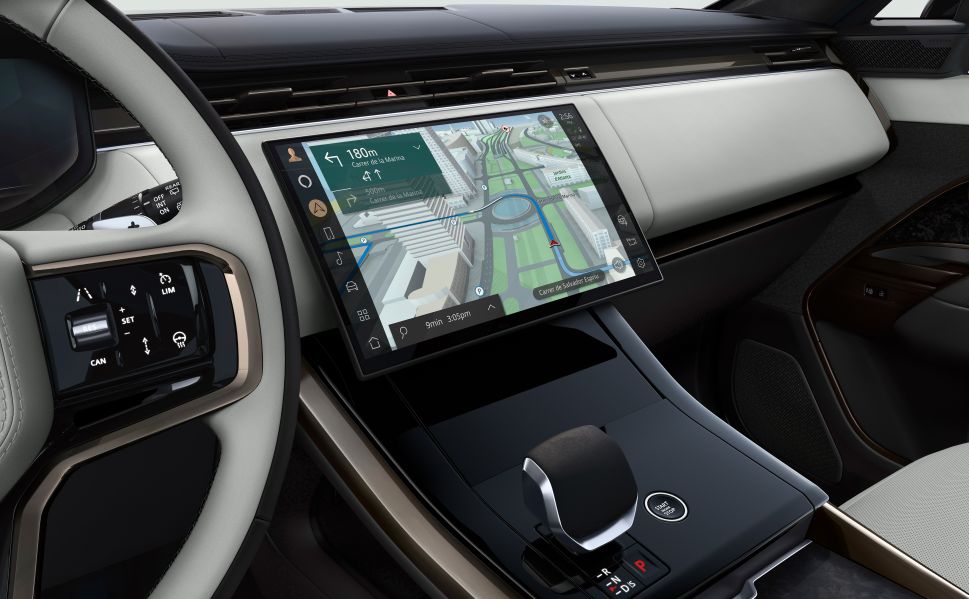 Intelligent Predictive Suspension, Torque Vectoring and regenerative braking come together in the Sport PHEV. Photo: Nick Dimbleby, courtesy Jaguar Land Rover
The Range Rover Sport PHEV offers the driver three options. It can operate purely as a gas-powered machine—the in-car mode setting for removing the electric motors is “SAVE,” as in preserve all of the battery power for later on down the road. Since it’s a big, strapping SUV carrying the extra poundage of heavy batteries, the curbside weight of about 6,000 lbs allows up to about 30 mpg in combined conditions. Then there are two electrified modes. “HYBRID” is that familiar cooperating blend of gas and electrons that provides 53 MPGe. And “EV” mode on its own allows for about 53 miles total without engaging the engine before the SUV must charge or switch over to gasoline.
Notably, the Range Rover Sport starts up as a hybrid and allows the driver to switch modes from there. JLR’s technology then adapts to the driving conditions while monitoring the remaining charge in the hybrid battery. To extend fossil fuel operation, the engine remains off until the EV capacity is exceeded by driver demand. Alternatively, said driver can get around the onboard self management immediately by switching modes.
With all of the motoring machinations established, the down and dirty Range Rover Sport PHEV specs say the SUV uses a 3.0-liter, 6-cylinder engine paired with a 160-kW motor. Add it all up, and the powertrain packs 543 horsepower. The battery weight doesn’t slow the Sport down much with its 0-60 mph time of about 4.7 seconds and a reported top speed of 155 mph.
If the driver wants to juice up the Range Rover’s total battery pack on a DC Fast Charger, they’ll see an 80 percent charge in less than an hour. That’s not as temporally convenient as just filling up the tank at your local Pump n’ Munch, but that’s the modern reality of EVs. Home charging on a standard outlet will manage closer to 100 percent in about 5 hours. Fortunately, the Sport PHEV’s gas-only or hybrid options allow the owner to avoid the charging reality for as long as necessary and keep moving.
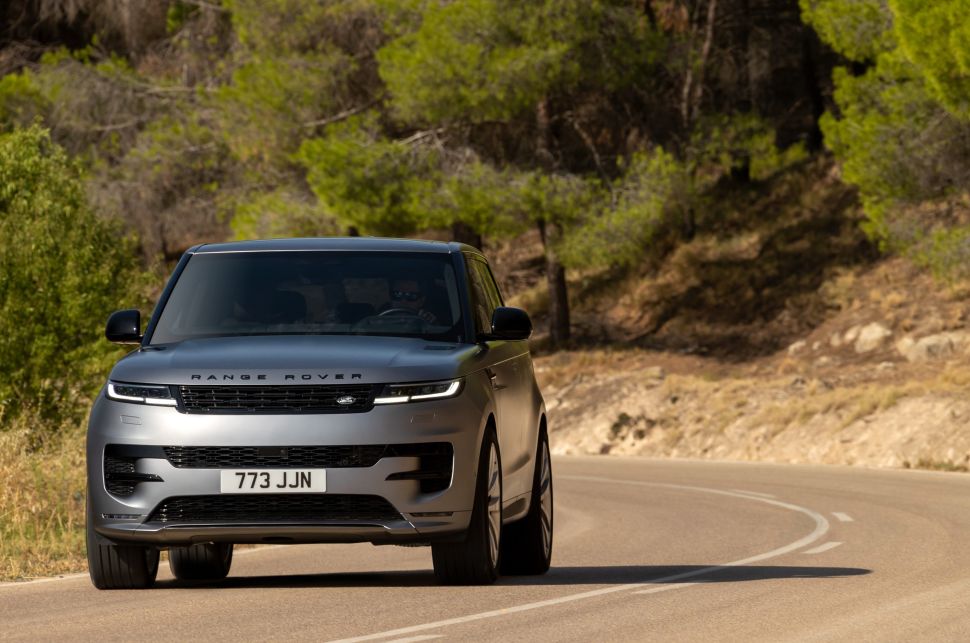
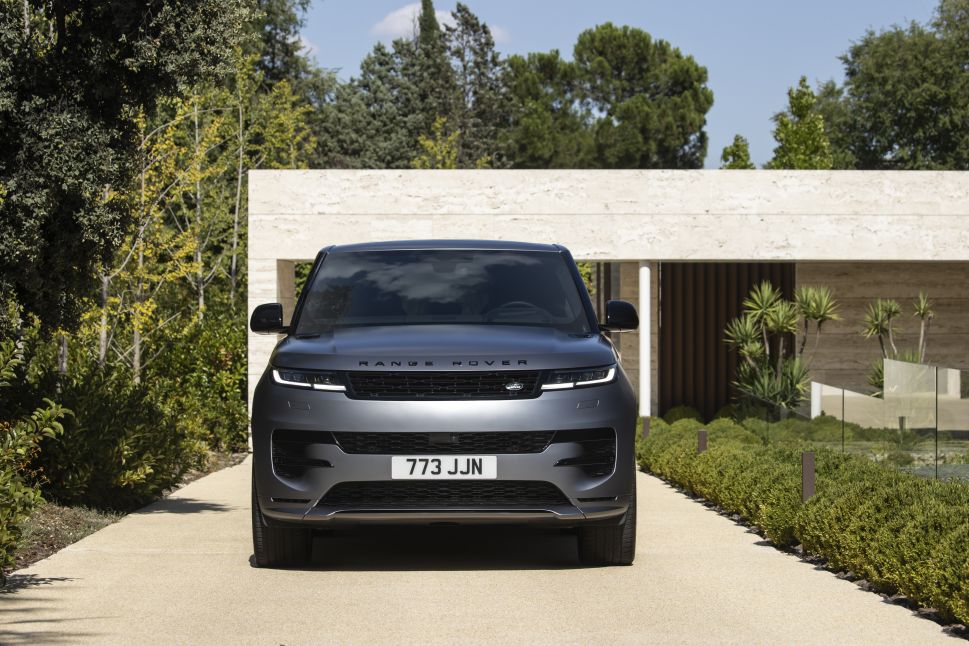 With three distinct drive modes, this Range Rover lets the driver decide just how much—or how little—the gasoline engine needs to run. Photo: Nick Dimbleby, courtesy Jaguar Land Rover
Of course, a Range Rover Sport is expected to do a great deal more than just “keep moving” as its reputation promises assured capability over rocks, rivers, beaches, dunes and icy drifts. With the shared Land Rover Terrain Response System in effect, the driver can choose between Grass/Gravel/Snow, Mud and Ruts, Sand, Rock Crawl and Wade, when not cruising along in standard mode, ECO or Dynamic (for top speed and handling performance). The smart capability of Terrain Response can also automatically detect and select the appropriate mode for conditions if the driver doesn’t choose on the fly.
In tune with the Terrain Response System, the Range Rover Sport uses intelligent Predictive Suspension to watch the pavement, off-road surface and natural obstacles ahead to find maximum function and comfort. Braking systems are important in hybrids as they can grab small amounts of engine-saving electricity via regenerative collection. The Range Rover Sport PHEV uses ventilated disc brakes to keep cool with that integrated regenerative energy harvesting. Torque Vectoring improves stability at speed or off-road.
As with hybrid models across today’s automotive industry, the PHEV version of the 2026 Range Rover Sport runs more expensive at around $95,000 compared to an MSRP of about $79,000 for the non-electrified version. It comes down to a shopper’s decision if it’s worth the extra 20 or so grand for saved mileage and comparative eco-friendly ID of the PHEV. But regardless of that choice, the buyer of any Range Rover Sport drives home in an all-around icon of SUVs.
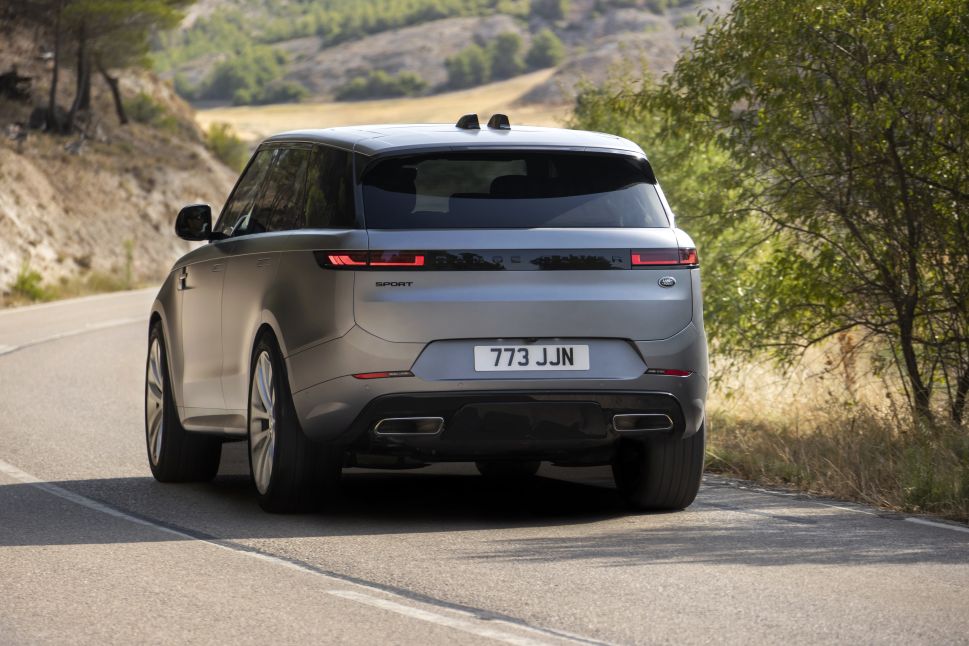 With a 0-60 time of 4.7 seconds and a top speed of 155 mph, the added weight of the Sport PHEV’s battery pack is a non-issue. Photo: Nick Dimbleby, courtesy Jaguar Land Rover
More vehicle reviews