E-bikes and e-scooters are in the spotlight again.
That’s because Queensland, as part of a parliamentary inquiry, is pushing for the nation’s most comprehensive review of the use and safety of e-mobility devices. This includes electric scooters and electric bikes.
After months of hearings and more than 1,200 submissions, the inquiry has produced 28 recommendations. These cover everything from age limits to requiring riders to have at least a learner driver’s licence.
These recommendations are the latest attempt to make e-mobility devices safer, particularly for younger riders. Just last week, two teenagers were killed in an e-bike crash south of Brisbane, the most recent e-bike incident involving younger riders.
So will these recommendations work? And are they based on evidence?
Who’s most at risk?
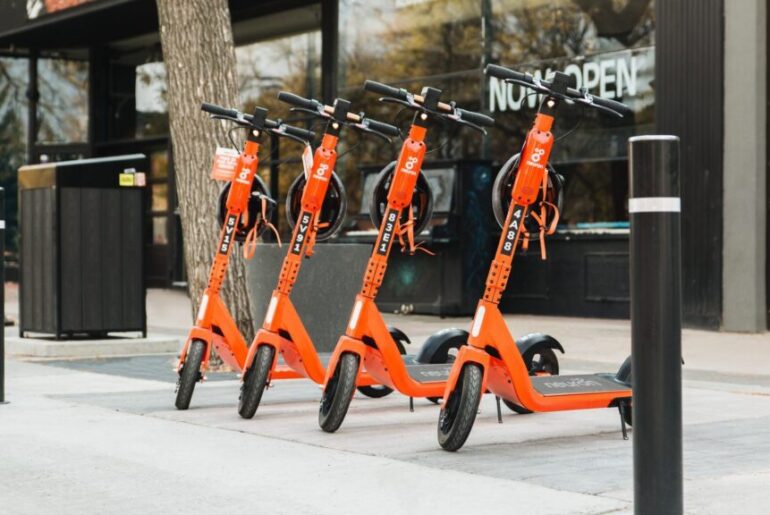
Discussions about e-mobility safety have mostly focused on e-scooters, which are electric-powered scooters ridden standing up. But recent research suggests e-bikes may pose the same, or even greater, risk to riders.
A 2025 analysis examined nearly 14,000 injuries involving either e-scooters, e-bikes or conventional bikes, treated in US emergency departments. This study found injuries among e-scooter riders were no more severe than those sustained by e-bike users or conventional cyclists.
Evidence from Europe supports this finding. One 2025 study compared injury rates among e-scooter and e-bike riders across seven European cities. After controlling for other factors including location, usage patterns, and exposure to e-mobility devices, researchers found e-bike users were more likely to get injured than e-scooter riders.
We also know children and teenagers are disproportionately affected by e-mobility accidents. In Australia, nearly one-third of e-scooter deaths involve a child.
And we’re seeing a similar pattern develop in e-bike incidents. Despite a lack of national e-bike data, Australia recorded at least seven fatal e-bike crashes involving children or teenagers between February 2025 and March 2026, five of which happened in Queensland. Tragically, these incidents cost eight young lives.
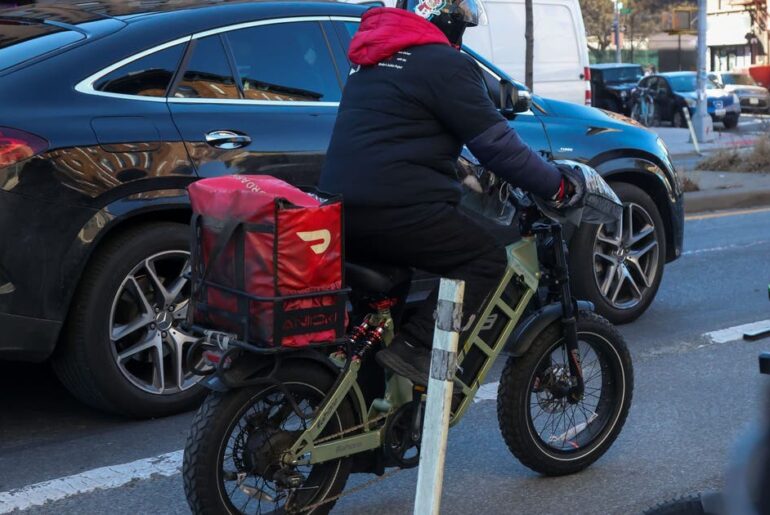
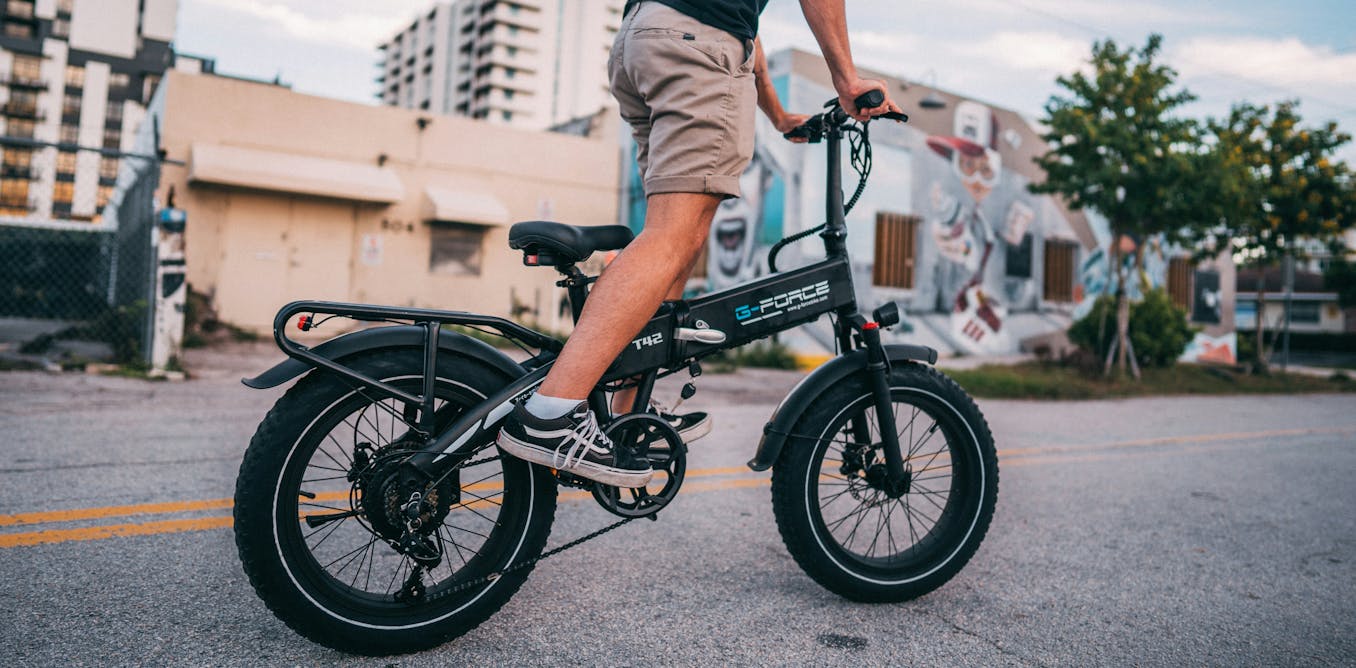
In most Australian states, legal e-bikes are limited to a top speed of 25 km/h. They must also follow strict power and design standards. However, a growing number of e-mobility devices on Australian roads don’t meet these requirements. These include modified e-bikes or imported models which can reach much higher speeds. So in practice, these function more like electric motorbikes.
At present, there is no consistent national data distinguishing between crashes which involve legal e-bikes from those involving modified or high-powered devices. This makes it difficult to know how dangerous they may be.
However, media and police reports suggest higher-speed and modified devices are becoming increasingly popular, particularly among younger riders.
What does Queensland want to do?
Queensland’s parliamentary inquiry is the latest, and potentially most comprehensive, attempt to reform Australia’s e-mobility laws.
Importantly, the inquiry largely treats e-bikes and e-scooters as being two parts of the same policy problem. This is because the two devices share many of the same safety risks and infrastructure needs.
The subsequent report outlines 28 recommendations which aim to reshape how e-bikes and e-scooters are used, sold and regulated across Queensland. These recommendations include:
stronger product standards and tighter import rules to prevent high-powered or unsafe devices entering the market
clearer legal distinctions between compliant and illegal devices
new rules governing where and how these devices can be used
lower speed limits on footpaths
greater enforcement powers for police
more support for education and awareness campaigns aimed at improving rider behaviour.
Overall, these recommendations mark a shift towards a more safety-focused regulatory framework. And if Queensland adopts all 28 recommendations, the state would go from being one of Australia’s most permissive e-mobility jurisdictions to one of the strictest.
There are two controversial recommendations?
The inquiry also proposed setting a rider age limit and requiring riders to hold at least a learner driver’s licence.
Supporters argue these measures would improve safety by ensuring riders have at least a basic understanding of road rules. As part of the licence requirement, Queensland would add e-mobility education to the state’s current learner driver training.
Critics, particularly some cycling advocacy groups, oppose these two proposals. They describe them as being draconian, saying these recommendations would place unnecessary restrictions on young riders and reduce e-mobility uptake more broadly.
However, international research suggests children younger than 16 lack the judgement and knowledge to safely use e-mobility devices, particularly in high-traffic situations. Queensland’s parliamentary inquiry came to the same conclusion.
And some countries have already introduced competence-based tests for e-mobility users. For example, Israel requires young people to pass a road rules theory test before they can ride an e-bike.
So, where to from here?
We’re yet to see whether the Queensland government will adopt these recommendations.
Regardless of its decision, the e-mobility sector is rapidly expanding, both in Australia and globally. However, we don’t have the research needed to help policymakers effectively regulate how e-mobility devices are used.
In that vacuum, governments have often made regulatory decisions based on information from parliamentary inquiries or stakeholder feedback. These processes might appear to be inclusive and democratic. However, they may allow certain people or organisations to dominate policy discussions, potentially to their benefit.
A more effective approach would combine robust research, transparent injury data and case studies outlining other countries’ current e-mobility policies.