Electric mobility is in a strange but interesting place right now. The explosive growth of EVs has cooled a bit, but innovation hasn’t slowed down. Manufacturers are still experimenting with ideas that simply weren’t possible with internal combustion platforms. In the two-wheeled world, that means electric bikes are becoming more than just cleaner commuters. They’re increasingly turning into rolling tech platforms packed with sensors, software, and connectivity.
That’s where a company like Omoway comes in. The startup was founded by former executives from Chinese EV maker Xpeng, a brand known for pushing advanced driver assistance systems and autonomous tech in cars. Omoway’s approach is similar. Instead of building just another electric scooter, the company wants to bring car-style smart mobility technology into the motorcycle world.

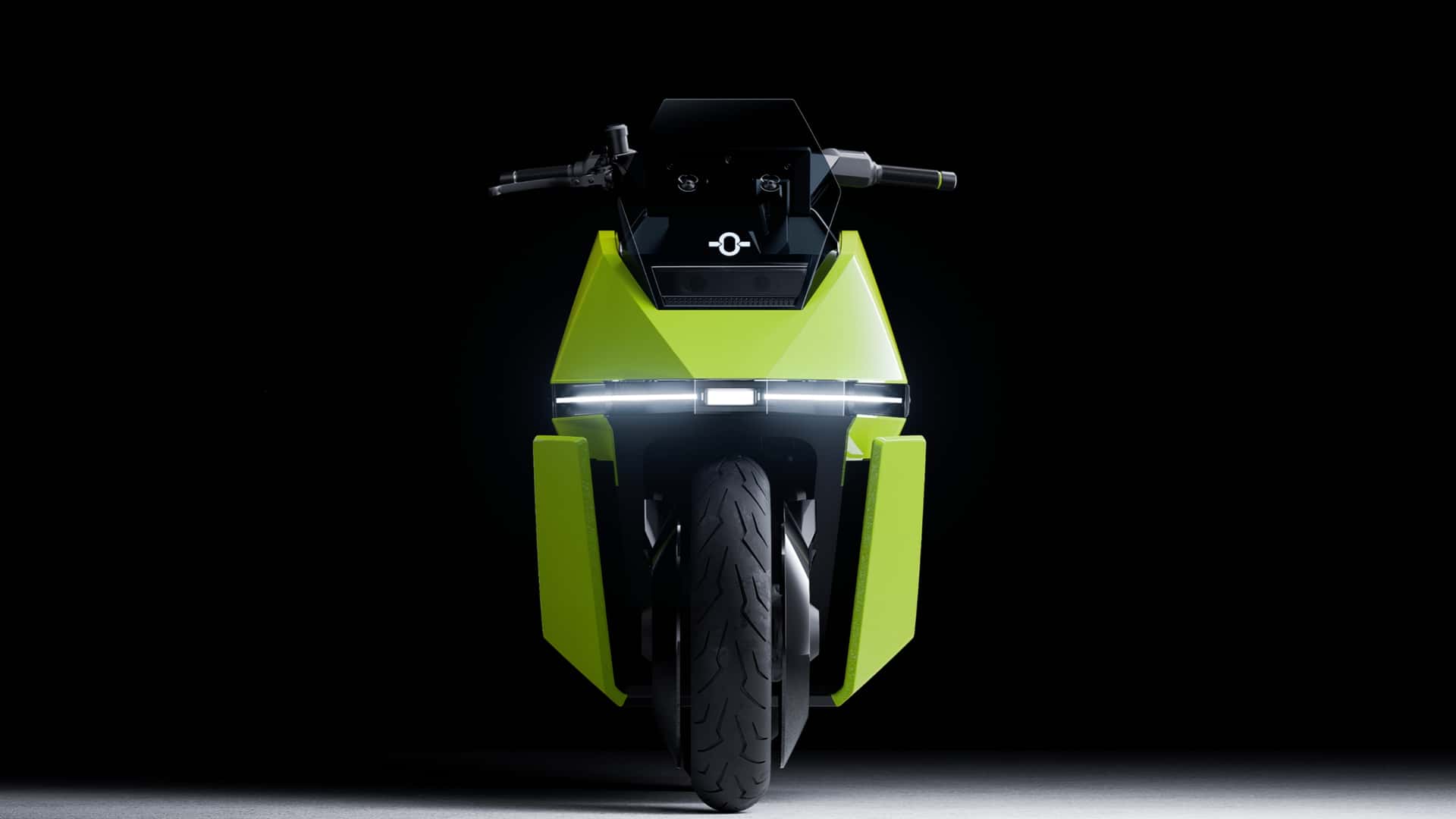
Its first product is the OMO-X, an electric motorcycle that Omoway says could redefine what a two-wheeler can do. The company is even claiming it’s the world’s first mass-produced self-balancing electric motorcycle, which is a bold statement considering how long major manufacturers have been experimenting with similar ideas.
The centerpiece of the machine is something called “Halo Pilot,” a system that combines cameras, radar sensors, and AI software to assist the rider and, in some cases, take over certain tasks. The most eye-catching (and controversial) feature is the bike’s ability to balance itself. At low speeds or while stopped, the electronics actively keep the motorcycle upright without a kickstand. In demonstrations, the bike can even roll forward slowly without a rider and park itself. And like a Tesla, it can also be summoned using a smartphone, driving itself out of a parking space and rolling toward its owner.

Photos by: Omoway
Beyond that, the OMO-X includes features that are starting to appear on high-end motorcycles. Radar sensors monitor traffic behind the bike for blind spot alerts and collision warnings, while forward sensors allow for adaptive cruise control. For a vehicle designed mainly for urban mobility, that’s an advanced, maybe even excessive, safety package.
But here’s where things get a little bit tricky. You see, balancing is the very essence of riding a motorcycle. It’s one of the first things every rider learns, and it’s part of what makes two wheels feel so engaging compared to driving a car. The constant micro-adjustments of your body, the feeling of keeping the machine upright, and the rhythm of slow-speed control are all part of the experience. For some, they’re what make riding worth it in the first place.
And so, when a motorcycle can balance itself, it raises an interesting question. Are we actually solving a real problem, or are we removing one of the core skills that makes riding meaningful in the first place?
Photo by: Omoway
Sure, self-balancing technology could certainly make motorcycles more accessible, especially for new riders or people intimidated by heavier bikes. It might also make urban riding easier when you’re creeping through traffic or maneuvering in tight parking spaces. However, there’s an argument that the very challenge of balancing a motorcycle is what makes it safe and controllable. Take that away, and you’re quite literally putting your safety in the hands of a machine.
So whether the OMO-X actually becomes the first truly mass-produced self-balancing electric motorcycle remains to be seen. But even if it does, the bigger question might not be whether the technology works. It’s whether riders actually want a motorcycle that does the balancing for them.
We want your opinion!
What would you like to see on Rideapart.com?
– The RideApart Team