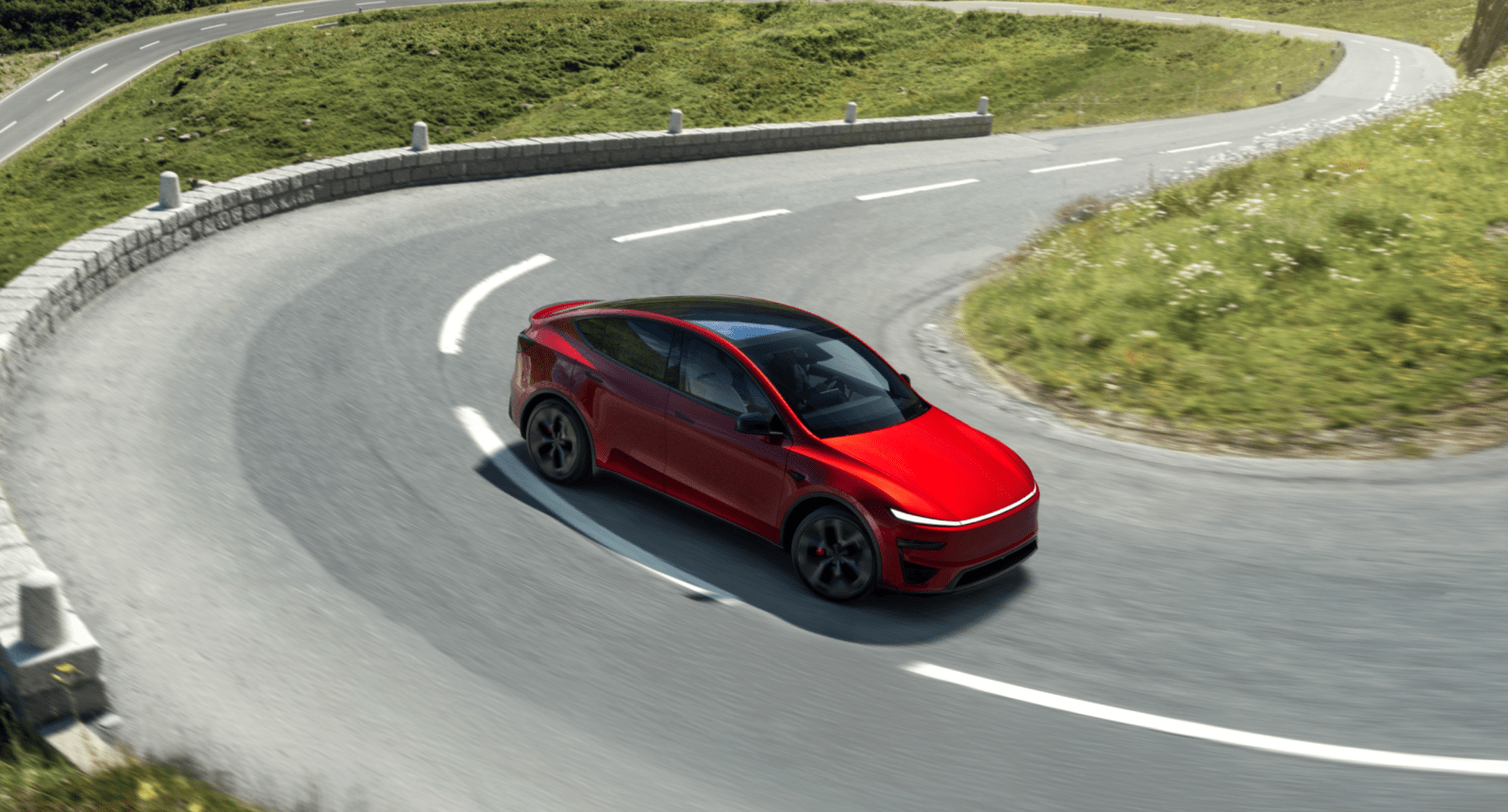
EVs are starting to chip away at one of the global economy’s biggest vulnerabilities: oil.
A new analysis from energy think tank Ember finds that the global EV fleet avoided 1.7 million barrels per day of oil consumption in 2025. It’s getting close to the roughly 2.4 million barrels per day, or 70%, of what Iran exports through the Strait of Hormuz.
“Oil is the Achilles’ heel of the global economy,” said Daan Walter, a principal at Ember. “In particular, Asia’s oil vulnerability has been exposed by the current crisis.”
Oil remains a global weak point
About 79% of the world’s population lives in countries that import oil. And when prices spike, the costs add up fast. Ember estimates that every $10 increase per barrel adds around $160 billion to global oil import bills per year.
Advertisement – scroll for more content
The Strait of Hormuz is one of the most critical chokepoints. It carries about a fifth of global oil exports, and the wider Gulf region supplies around 29% of the world’s oil. Much of that infrastructure is exposed to geopolitical risks.
Asia is especially vulnerable, importing around 40% of its oil through the strait.
And producing oil at home doesn’t shield economies because prices are set globally. Since the latest conflict began, gasoline prices in Texas – a major oil-producing region – have risen by more than 25%, surpassing those in oil-importing countries like the UK and France.
EVs offer a way out of oil
Ember argues that electrifying transport is one of the fastest ways to reduce that exposure.
Replacing imported oil used in transport with EVs could cut global fossil fuel imports by about a third and save roughly $600 billion per year.
The technology is already here. Electrification solutions exist for more than three-quarters of global energy demand, and every country has enough renewable resources to meet that demand with domestic wind and solar.
EVs are also getting more competitive on price, especially as oil markets remain volatile.
EV adoption is accelerating globally
The shift is already happening – and not just in wealthy countries.
Ember says 39 countries now have EV sales shares above 10%, up from just four in 2019.
Some of the fastest growth is in emerging markets. Vietnam hit 38% EV sales share in 2025, ahead of the EU at 26%. Thailand reached 21%, and Indonesia 15% – all higher than the US at 10%.
India (4%) and Brazil (9%) also outpaced Japan (3%). And China crossed a major milestone, with EVs making up more than 50% of new car sales for the first time in 2025.
The savings are already showing up
Those EVs are already cutting import costs.
At an oil price of $80 per barrel, China saves more than $28 billion per year in avoided oil imports thanks to its EV fleet. Europe saves about $8 billion, and India around $600 million annually.
Looking ahead, the International Energy Agency expects global oil demand to peak by 2029 – and possibly sooner if EV adoption continues to accelerate.
The bigger picture is clear: as EVs scale alongside renewables, they’re not just cutting emissions. They’re reshaping global energy security.
Read more: A reminder as oil prices spike: EVs are the #1 route to energy independence

If you’ve ever considered going solar, make it easy by finding a trusted, reliable solar installer near you that offers competitive pricing by checking out EnergySage. It has hundreds of pre-vetted solar installers competing for your business, ensuring you get high-quality solutions and save 20-30% compared to going it alone. Plus, it’s free to use, and you won’t get sales calls until you select an installer and share your phone number with them.
Your personalized solar quotes are easy to compare online, and you’ll get access to unbiased Energy Advisors to help you every step of the way. Get started here.


FTC: We use income earning auto affiliate links. More.
![[Out of Spec] Rivian R2 Executive Interviews: RJ Scaringe, Wassym Bensaid, Jeff Hammoud](https://www.evshift.com/wp-content/uploads/2026/03/P_OwxltUCZAMqf8Gsp1wv5qffXXZPDPLQbutgyG1024.jpeg "[Out of Spec] Rivian R2 Executive Interviews: RJ Scaringe, Wassym Bensaid, Jeff Hammoud")