Up to 275 jobs are at risk at Bentley Motors — one of Britain’s most prestigious luxury carmakers — even as the company reports its seventh consecutive year of profitability. The announcement, made alongside the firm’s 2025 financial results, has sent a jolt through Crewe, where Bentley’s factory employs around 4,000 people and sits at the heart of the local economy.
The cuts would affect management, agency, and non-manufacturing staff at the company’s Pyms Lane site. And the timing is striking: Bentley is simultaneously pouring investment into that same site to prepare for a new generation of fully electric vehicles. Growth and job losses, it turns out, can happen at the same time.
For the workers affected — and for the wider community in Crewe — the news raises hard questions about what the shift to electric cars really means for the people who build them.
What Bentley Is Actually Announcing
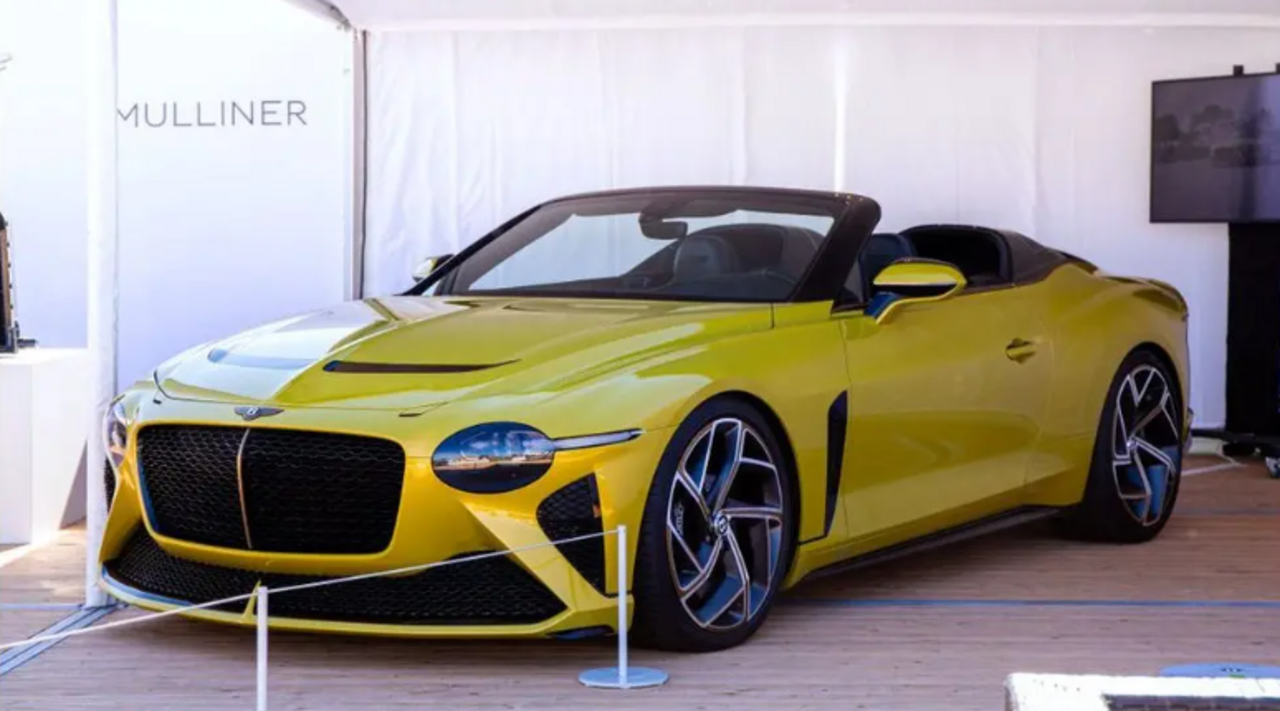
Bentley framed the announcement carefully. The company is not in financial trouble. It has just posted its seventh straight year of profit, and demand for its highest-end models — including Speed and Mulliner variants — remains strong. The Mulliner Bacalar was cited as one example of where buyer interest has been most concentrated.
But alongside that positive financial picture, the company confirmed that up to 275 positions could be eliminated as part of what it described as “overall efficiency activities.” CEO and chairman Dr Frank-Steffen Walliser addressed the situation directly in the company’s statement.
“We are investing at unprecedented levels in the Pyms Lane site, including the Design Centre, opened in July last year, the near completion of the A1 building for BEV production, and the upcoming opening of the new Paint Shop later this year. At the same time, we are making some difficult decisions to ensure the long-term competitiveness of the business, including an organisational adjustment potentially impacting approximately 275 positions.”
He added: “I want to express my sincere appreciation to those affected — we are committed to supporting each individual with care, guidance and assistance throughout this transition.”
The language is corporate, but the reality behind it is straightforward: as Bentley reshapes itself for an electric future, some roles that made sense in the old structure no longer fit the new one.
The Scale of Investment — and What It’s Building Toward
To understand why job cuts are happening during a period of heavy investment, it helps to look at what Bentley is actually building at Pyms Lane right now. The site is being transformed, not just maintained.
A new Design Centre opened in July of last year
The A1 building, dedicated to battery electric vehicle (BEV) production, is nearing completion
A new Paint Shop is due to open later this year
The entire factory is being made carbon neutral
This is a company in the middle of a fundamental reinvention. Building electric cars at the ultra-luxury end of the market requires different infrastructure, different processes, and — critically — a different organisational structure. The roles being cut are largely in management and non-manufacturing functions, suggesting the company is streamlining its back-end operations to match the new direction on the factory floor.
Key Facts at a Glance
Detail
Information
Jobs at risk
Up to 275
Total Bentley workforce at Crewe
Approximately 4,000
Roles affected
Management, agency, and non-manufacturing staff
Consecutive profitable years
Seven (as of 2025 results)
Factory location
Pyms Lane, Crewe
New Design Centre opened
July, last year
Strongest demand models
Speed and Mulliner (including Mulliner Bacalar)
Factory sustainability goal
Carbon neutral
Who Is Affected and What It Means for Crewe
Bentley is far more than a car company to Crewe. With roughly 4,000 employees at the Pyms Lane site, it is one of the largest single employers in the area. A loss of up to 275 jobs — around 7% of the workforce — is not a minor administrative tweak. For the individuals affected, and for local businesses that depend on Bentley workers spending in the town, the impact is real and immediate.
The cuts fall specifically on management, agency, and non-manufacturing staff. That means the people working directly on the production line are not the primary target of this round of reductions. But agency workers — often in more precarious employment situations to begin with — are included, which can mean less access to redundancy protections and support.
Walliser’s statement committed to supporting those affected with “care, guidance and assistance,” though the specific details of what that support looks like have not been publicly confirmed.
What the Electric Transition Really Means for Jobs Like These
Bentley’s situation is, in many ways, a preview of what the broader automotive industry is navigating. The shift from combustion engines to electric vehicles is not simply a swap of one powertrain for another. It changes manufacturing processes, skill requirements, and the shape of the workforce needed to run a modern car plant.
For a company like Bentley — operating at the very top of the luxury market, where margins are higher and volumes are low — the transition carries specific pressures. Every part of the organisation needs to justify its cost at a time when capital is being directed heavily toward new facilities and new technology. That is precisely the logic driving the “efficiency activities” Bentley has described.
The company has been explicit that investment in Crewe is not stopping. The A1 building for electric vehicle production, the new Paint Shop, and the carbon neutrality programme all point to a long-term commitment to the site. But commitment to a place does not always mean commitment to every role that currently exists within it.
What Happens Next
Bentley has described the 275 figure as positions that are “at risk” — meaning a formal consultation process is likely underway or forthcoming. Under UK employment law, companies proposing to make 100 or more redundancies are required to begin a collective consultation period of at least 45 days before any dismissals take effect.
The new Paint Shop is expected to open later this year, and the A1 BEV building is described as nearing completion. As those facilities come online, the shape of Bentley’s workforce will likely continue to evolve. Whether further adjustments follow this round has not been indicated by the company.
For now, Bentley insists the business is healthy, the investment is real, and the support for affected workers will be genuine. The people whose jobs are on the line will be watching closely to see if that holds true.
Frequently Asked Questions
How many jobs are at risk at Bentley?
Up to 275 positions are at risk, according to the company’s announcement alongside its 2025 financial results.
Where is Bentley’s factory located?
Bentley manufactures its cars at its Pyms Lane site in Crewe, where approximately 4,000 people are employed.
Which workers will be affected by the cuts?
The reductions are expected to affect management, agency, and non-manufacturing employees — not primarily production line workers.
Is Bentley in financial difficulty?
No. The company has just reported its seventh consecutive year of profitability and cited strong demand for its Speed and Mulliner models.
Why is Bentley cutting jobs while investing in the factory?
Bentley says the cuts are part of “overall efficiency activities” to ensure long-term competitiveness as the company transitions to electric vehicle production and restructures its operations accordingly.
Will Bentley continue making cars in Crewe?
Yes. The company has confirmed ongoing investment at Pyms Lane, including a new Design Centre, a building dedicated to electric vehicle production, and a new Paint Shop due to open later this year.