Tesla has struck a $4.3 billion agreement with South Korea’s LG Energy Solution to secure battery cells for its rapidly growing energy storage business, with production set to take place in Lansing, Michigan. The details were revealed by the U.S. Department of the Interior.
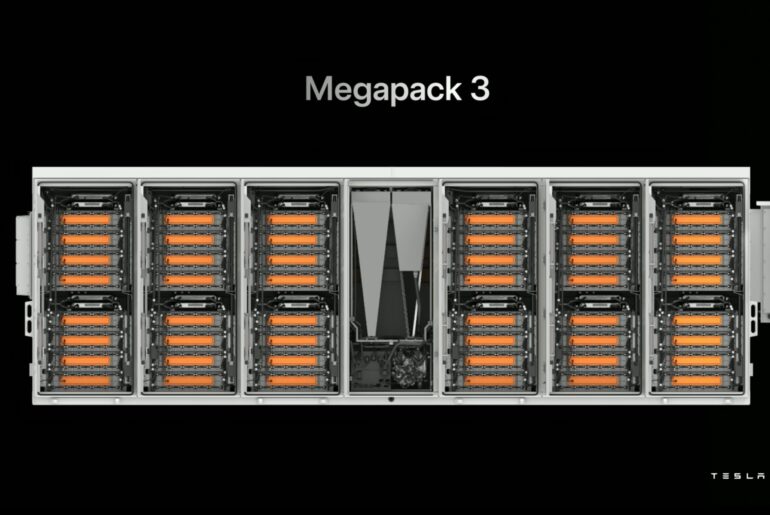
The deal deepens ties between the two companies and highlights Tesla’s continued push beyond electric vehicles into large-scale energy storage systems. The batteries will be used for products such as Megapack systems, which store electricity generated from renewable sources or during off-peak hours and deploy it when demand rises.
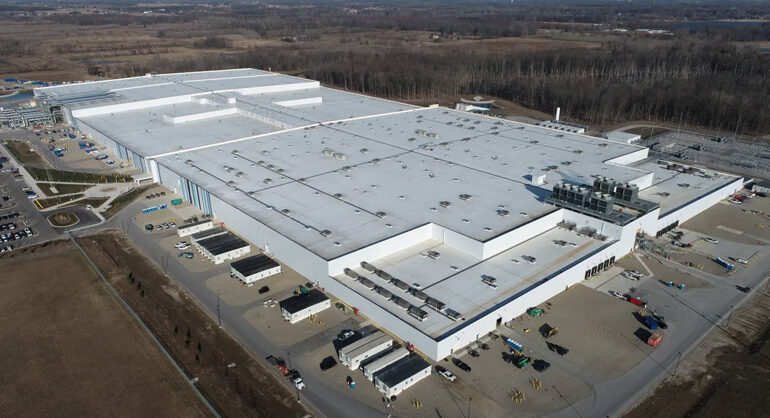
The Michigan facility was originally developed as a joint venture between LG Energy Solution and General Motors. However, General Motors exited the project in late 2024 as part of a broader pullback in its electric vehicle investments, selling its stake to LG. The plant has since been retooled to produce lithium iron phosphate prismatic cells, which are commonly used in energy storage applications due to their cost efficiency and durability.
The agreement underscores Tesla’s growing focus on its energy division, which has been expanding as global electricity demand rises, particularly from data centers and renewable energy infrastructure. Tesla’s energy segment generated $12.8 billion in revenue last year, accounting for 13% of total revenue and marking a 27% increase year over year, even as its automotive business experienced a decline.
Details of the Tesla-LG partnership were disclosed as part of broader private-sector commitments announced during an Indo-Pacific Energy Security Summit in Japan. The U.S. Department of the Interior said the event included $56 billion in commitments to strengthen energy security cooperation.
LG Energy Solution confirmed it will establish dedicated production lines at its Lansing facility to fulfill the agreement, further cementing the site’s role in the U.S. battery supply chain.
The deal also reflects broader industry trends, as automakers and energy companies increasingly invest in domestic battery production to reduce reliance on overseas supply chains and to support grid-scale energy storage growth. Competition in the sector continues to intensify, with companies ranging from China’s BYD to emerging climate-tech firms developing alternative battery technologies.