Range anxiety has plagued electric vehicle adoption since day one, but BYD’s latest breakthrough might finally kill that fear. The Chinese automaker just unveiled technology that charges EVs from 10% to 70% in five minutes—faster than most people can grab a gas station coffee.
Five-Minute Charging Becomes Reality
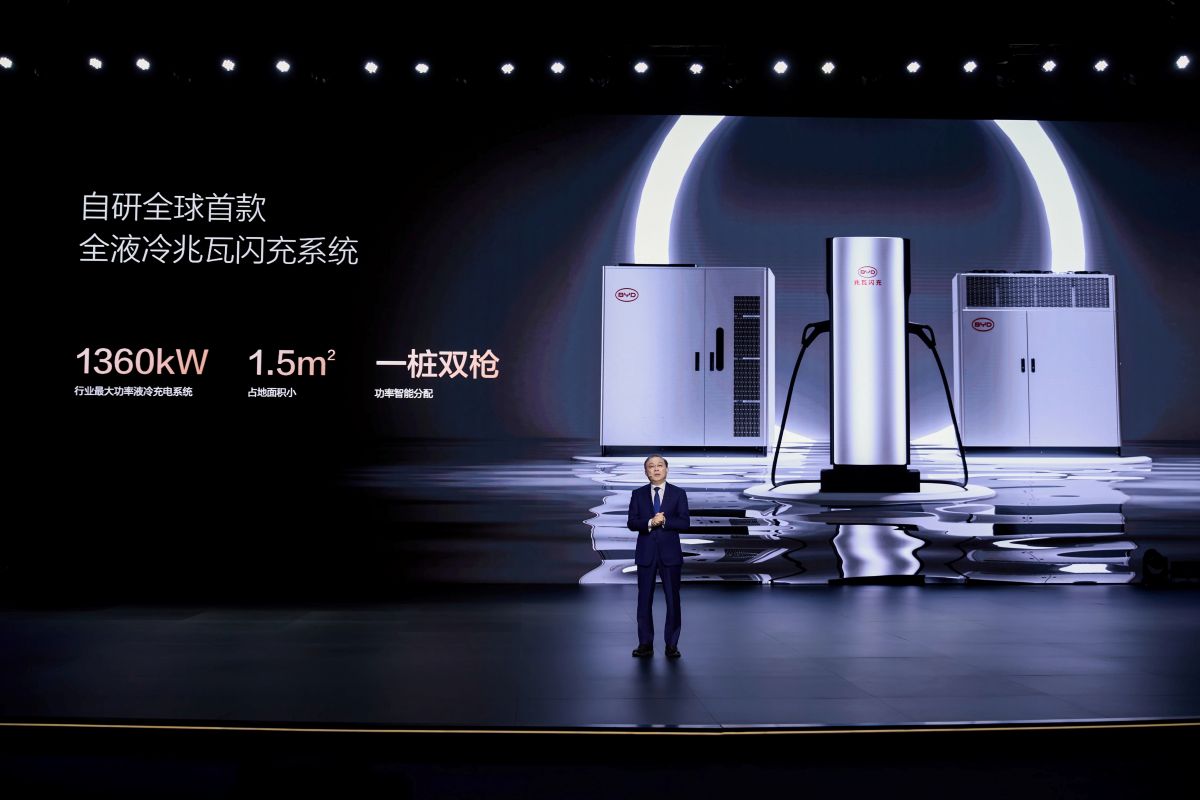
BYD’s Blade Battery 2.0 paired with 1,500 kW FLASH charging delivers what seemed impossible just months ago.
This isn’t theoretical tech. BYD’s system pushes 10% to 97% charge in nine minutes under optimal conditions. Even at negative 30 degrees Celsius, you’re looking at 20% to 97% charge in 12 minutes for an 80% top-up.
The company has already installed over 4,200 stations across China, targeting 20,000 by year’s end. Your Netflix loading screen takes longer than charging this EV.
America’s Infrastructure Boom Hits Physical Limits
Record expansion can’t overcome basic physics—current cars simply can’t handle ultra-fast charging speeds.
The U.S. added over 18,000 DC fast-charging ports in 2025, hitting 141 million charging sessions with 30% year-over-year growth. But there’s a catch.
“In the U.S. today, we don’t have cars capable of that high of power acceptance,” admits Robert Barrosa, Electrify America’s CEO. Most EVgo networks max out around 350 kW, with newer sites pushing 250+ kW as standard.
Speed Gap Reveals Technical Reality
Top American EVs hit 400 kW while BYD plans 1,500 kW systems for Europe by 2026.
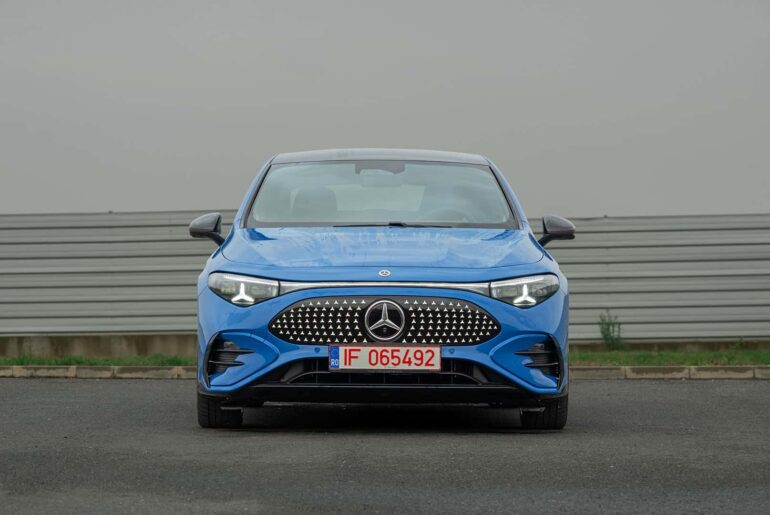
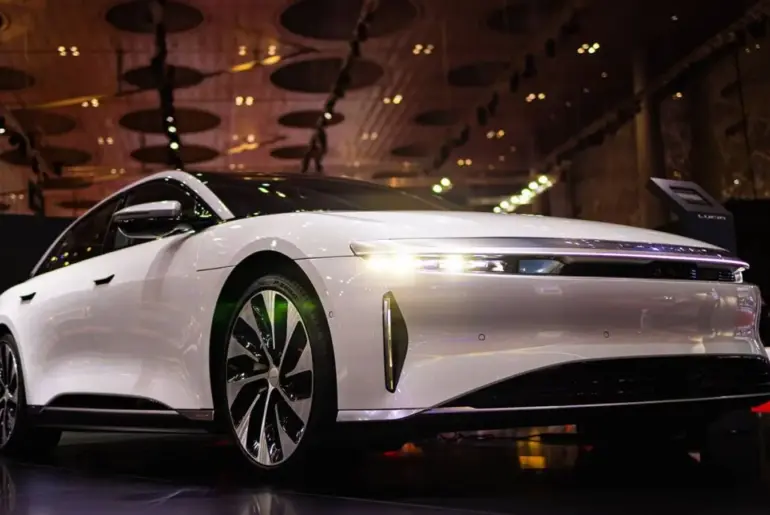
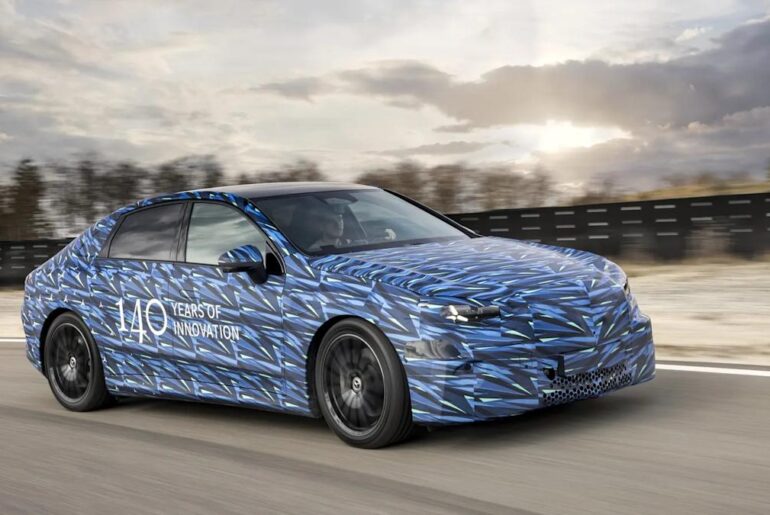
Current U.S. champions like the Lucid Gravity and BMW iX3 top out at 400 kW. Mercedes’ upcoming CLA-Class promises 600 kW capability, adding 200 miles in 10 minutes.
Meanwhile, BYD plans European rollout in 2026 with 1,000 kW single-cable chargers adding approximately 250 miles in five minutes. The physics work—the vehicles just need catching up.
What This Means for American Drivers
Geography and geopolitics will determine how quickly ultra-fast charging crosses the Pacific.
“China pushing full speed… creating demand that is being met,” notes Florent Breton, Paren’s CEO. For American buyers, BYD’s tech won’t arrive directly due to trade tensions, but the pressure is mounting.
You’ll likely see similar capabilities from domestic automakers within three years, assuming they can engineer batteries that won’t explode under 1,500 kW loads. Until then, that 20-minute coffee break remains part of the EV experience.
From the coolest cars to the must-have gadgets, GadgetReview’s daily newsletter keeps you in the know. Subscribe – it’s fun, fast, and free.