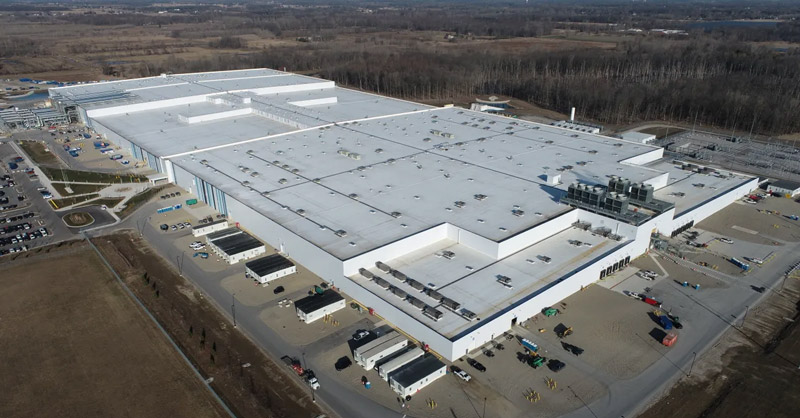
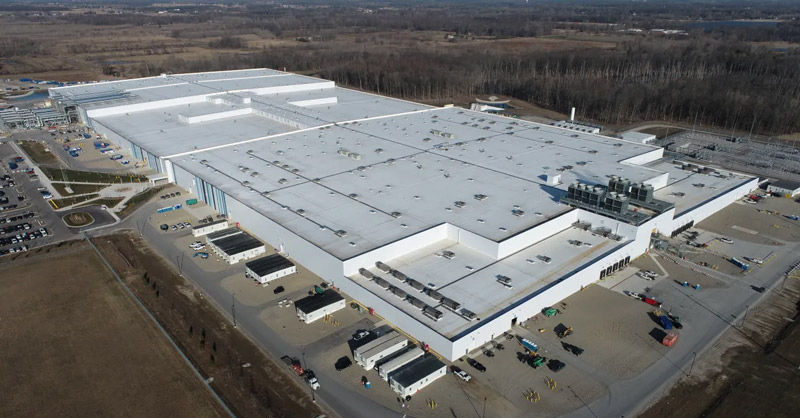
 LG Energy Solution has agreed to supply Tesla with lithium iron phosphate prismatic battery cells from a facility in Delta Township that once was part of the Ultium Cells joint venture between LGES and General Motors Co. // Photo courtesy of Ultium Cells
South Korea’s LG Energy Solution has agreed to supply Tesla with lithium iron phosphate (LFP) prismatic battery cells from a facility in Delta Township, west of Lansing, that once was part of the Ultium Cells joint venture between LGES and General Motors Co.
U.S. government officials confirmed the $4.3 billion deal, according to reports in several news outlets.
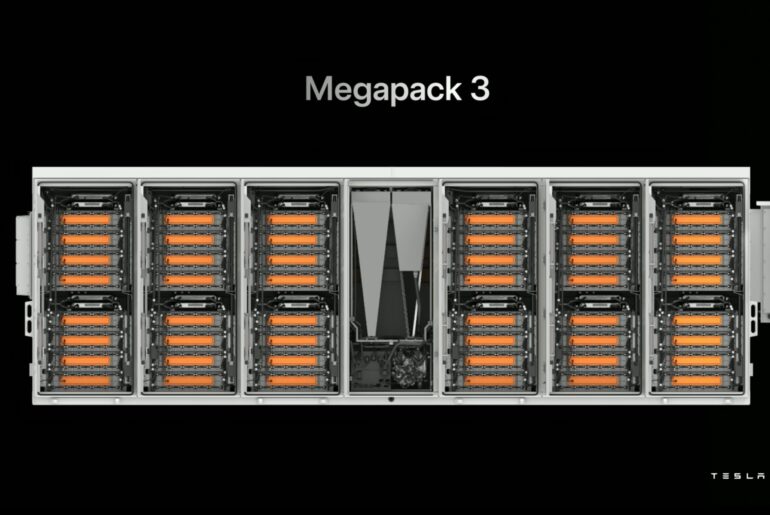
“American-made cells will power Tesla’s Megapack 3 energy storage systems produced in Houston, creating a robust domestic battery supply chain,” said the U.S. Department of the Interior in a statement released on Monday.
In July, LGES said it had signed a $4.3 billion U.S. contract to supply LFP batteries over three years globally, without identifying the customer or saying if they would be used in vehicles or energy-storage systems.
LGES says it expects to start providing LFP prismatic battery cells for energy storage systems in 2027. Energy storage and generation via solar panels represents about 13 percent of Tesla’s revenues, and the company is seeking to reduce reliance on China-sourced batteries.
“We will establish dedicated production lines at our Lansing facility to deliver on this agreement,” said Phil Lienert, LGES spokesperson, in a statement.
LGES is expected to retain full ownership of the plant, Lienert said. The agreement will use the existing plant in Lansing and is not a new build. Production is focused on energy storage, not EV applications at this point.
GM sold its stake in the Lansing Ultium Cells plant in late 2024.