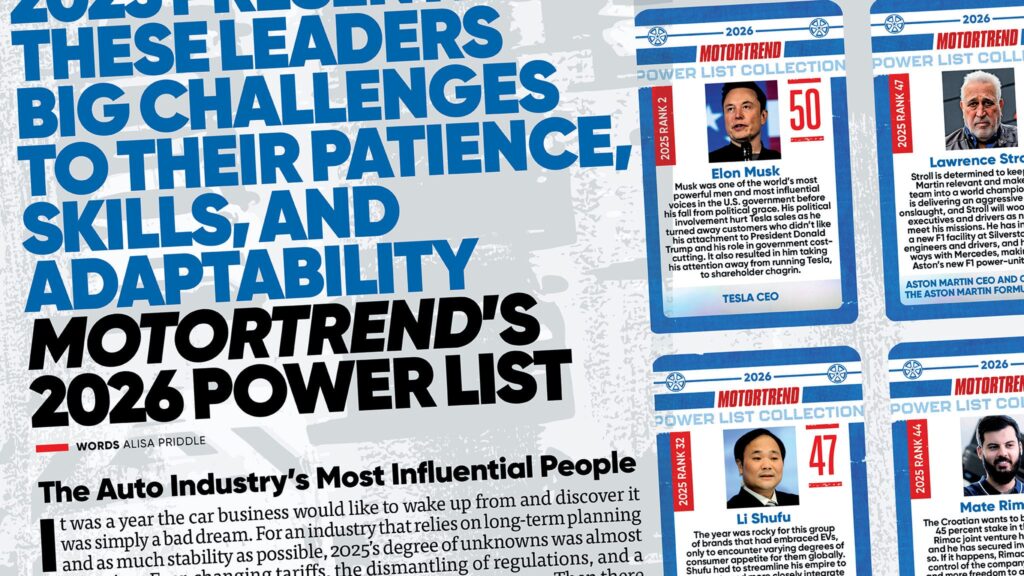
Chaos and uncertainty still reign in the global auto industry several months into 2026, thanks to many unknowns and changing tariffs, regulations, and policies. Snap decisions are hell for a business world that typically plans products years in advance and relies on technology years in the making. It’s always been hard enough to keep up with changing consumer tastes; add the need to account for new costs due to tariffs or to uproot your powertrain strategy because regulations play toward new favorites, and you’re looking at a chess game with a shape-shifting opponent.
If there is perhaps any consolation, it’s the fact the car industry has grappled with these issues for some time now. For those who survived 2025, the instructions for 2026 read like a shampoo bottle: rinse and repeat.
ADVERTISEMENT – CONTINUE READING BELOW
New trade deals and tariffs continue serve as moving targets; existing deals, like USMCA between the U.S., Canada, and Mexico, are up for renegotiation, regulations governing fuel economy have been struck down, and tax incentives on EVs have been discontinued. Heck, rolling coal is seemingly OK again.
The cumulative effect of all this means there is more chaos in boardrooms as CEOs hustle to make changes where they can and factor in financial hits where they can’t. Moving production to new locations is not quick, cheap, or easy. Nor is it good business under normal circumstances. That said, some production shifts have occurred, and more are planned, meaning production in Canada, Mexico, Korea, and China have all been affected.
ADVERTISEMENT – CONTINUE READING BELOW
As car companies plot their next moves, the events of 2025 weigh heavily. It was one of the wilder, more unpredictable years we’ve seen, and it set the stage for what is likely to come in 2026.
Nissan and Stellantis both have new CEOs; they are veterans pulled from internal corporate ranks, with mandates to ignite their product lineups with winning products in a critical effort to resuscitate their brands, appease dealers, and restore employee morale and consumer confidence.