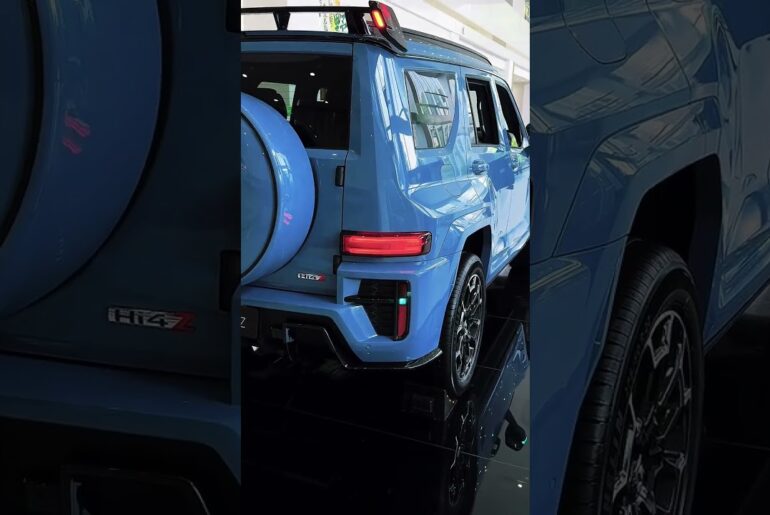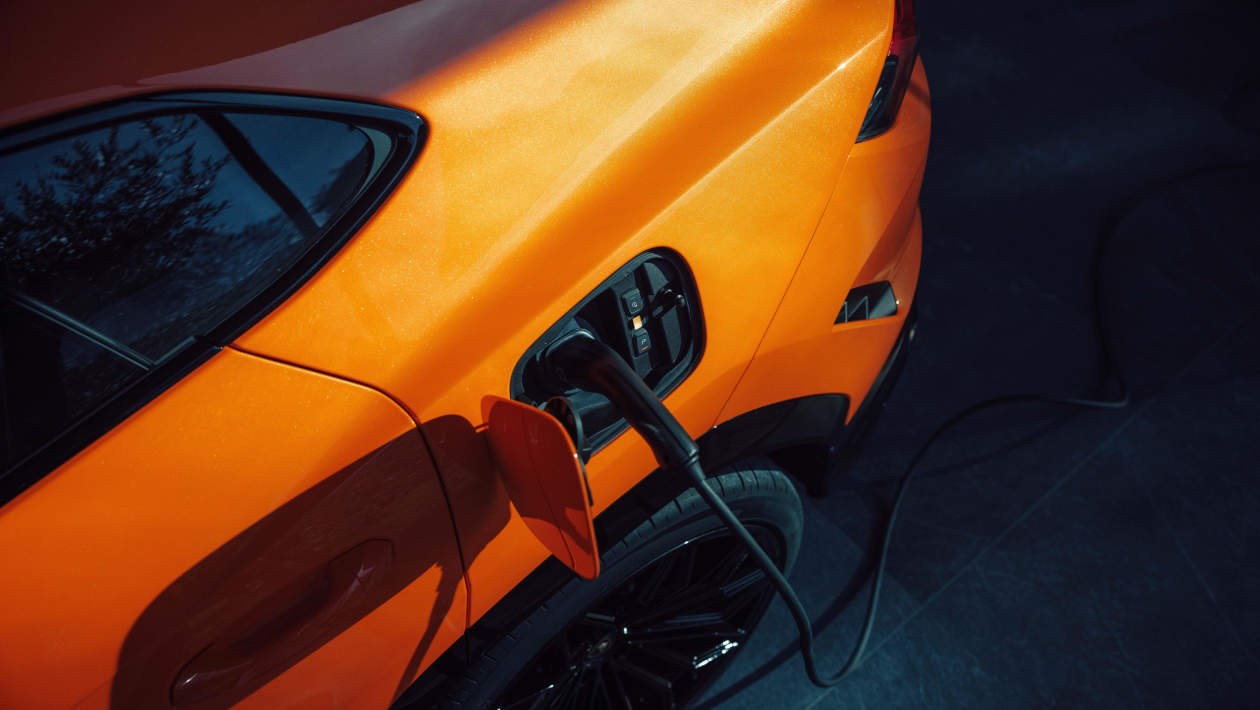
The decision surrounding the Boxster/Cayman electrification will also impact Audi. The company will take the same platform to build its TT replacement (currently doing the rounds as the Concept C) while its Q9 will share a platform with the K1. Both are now almost certainly going to be offered with V6 and V8 plug-in hybrid engines as well as EV options. Mercedes has also dropped its plans to only sell fully electric cars by 2030, with the new S Class debuting a new flat-plane crank V8. Although the next AMG GT 4-door will still be electric only.
While the decisions to pull a hard ninety right on EV plans might be music to enthusiast ears, they come at substantial costs. Ford has written down $19bn off the back of the low take-up of its electric car offerings on both sides of the Atlantic. Stellantis recorded a €22.3bn loss for 2025. Porsche recorded a 99 percent drop in operating profit from €4bn to £40m for the first nine months of last year.
These are not sustainable losses and while manufacturers have to shoulder some of the responsibility for going all in without a back-up, so too must the ill-informed, knee-jerk headline chasing governments. Legislators forced through poorly researched policy that has resulted in a fleet of cars no one wants, or can afford, to buy.
If you thought the last decade was disruptive, there’s plenty more to come. And what is coming, while more powerful and marginally faster than anything it replaces, will also be larger and considerably heavier. The result is cars that are nominally more efficient, if at all, and are and will continue to be far more expensive regardless of what powers them. This is not the progress anyone was looking for.