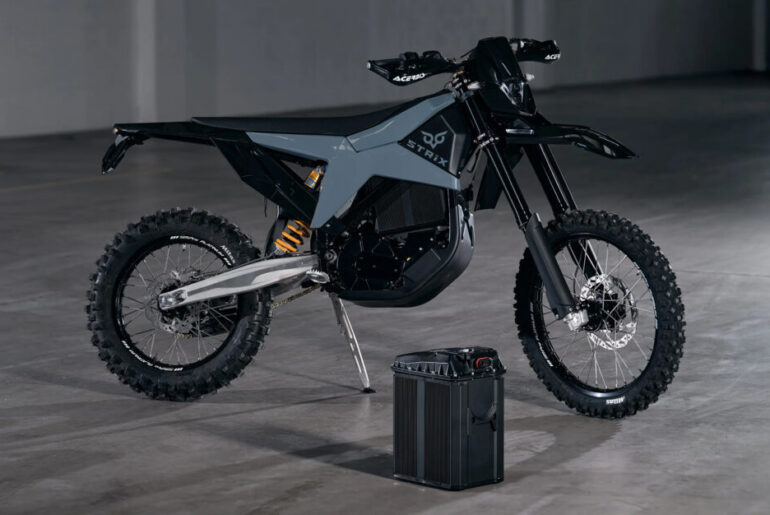
ANDOVER, MA — Walk Bike Andover is urging Town Meeting voters to reject a proposed bylaw that would require certain electric bicycles to be registered with the town, arguing the measure targets riders who are already operating legally while failing to address higher-speed electric motorcycles and other devices.
The proposed bylaw, Warrant Article P31, would create a local registry for Class 1 and Class 2 e-bikes — devices that provide pedal-assist or throttle power but are limited by law to speeds of 20 miles per hour.
Under the proposal, owners would be required to register their e-bikes with the town and display a sticker or license plate.

In a statement circulated to supporters, Walk Bike Andover said the measure is misguided because it focuses on riders who are already complying with state law while leaving faster and more powerful devices unaffected.
“Anyone currently operating an electric motorcycle or other ‘out of class’ two-wheeled vehicle at speeds above 20 mph would be unaffected by the proposed bylaw,” the group said.
Under Massachusetts law, electric bicycles are divided into three classes, with Class 1 and Class 2 devices limited to 20 mph. Higher-speed electric motorcycles and similar vehicles are already regulated under existing state laws that include requirements for licensing, registration, age restrictions, and helmet use.
Walk Bike Andover said the town’s proposal appears to be responding to complaints about fast-moving electric vehicles, but the bylaw would not apply to the devices most commonly cited in those incidents.
Instead, the group is urging local officials to support recommendations issued by the Massachusetts Special Commission on Micromobility, a state panel that studied emerging transportation devices such as e-bikes and electric scooters.
The commission’s recommendations call for a speed-based regulatory framework that would maintain the current treatment of low-speed e-bikes as bicycles — meaning no insurance or registration requirements — while imposing additional regulations on higher-speed devices capable of traveling more than 20 mph.
Walk Bike Andover said adopting a local registration system could add confusion to an already evolving regulatory landscape.
“Rather than contributing to an already confusing e-bike regulatory environment by creating its own local registration system, we call on Andover to withdraw the proposed Town Meeting article and instead support the recommendations of the MassDOT Micromobility Commission,” the group said.
The organization argues that maintaining low barriers to entry for e-bikes could help communities address transportation and environmental challenges.
By encouraging wider use of low-speed e-bikes, the group said towns can reduce traffic congestion while also helping to lower greenhouse gas emissions.
Town Meeting voters will decide whether to adopt the proposed bylaw when they gather this spring. Walk Bike Andover is encouraging residents to contact town leaders and vote against Article P31.