E-bikes have quietly become one of the most popular ways American kids get around on their own — no car, no parent, just a quick ride to school. Now, some officials want to change that.
In Southern California, the Newport-Mesa Unified School District, which serves Newport Beach and Costa Mesa, is on the verge of voting on a proposal that would ban most younger students from riding electric bicycles to campus. What happens in that boardroom may not stay local for long.
E-bikes surged among young riders — now schools are pushing back
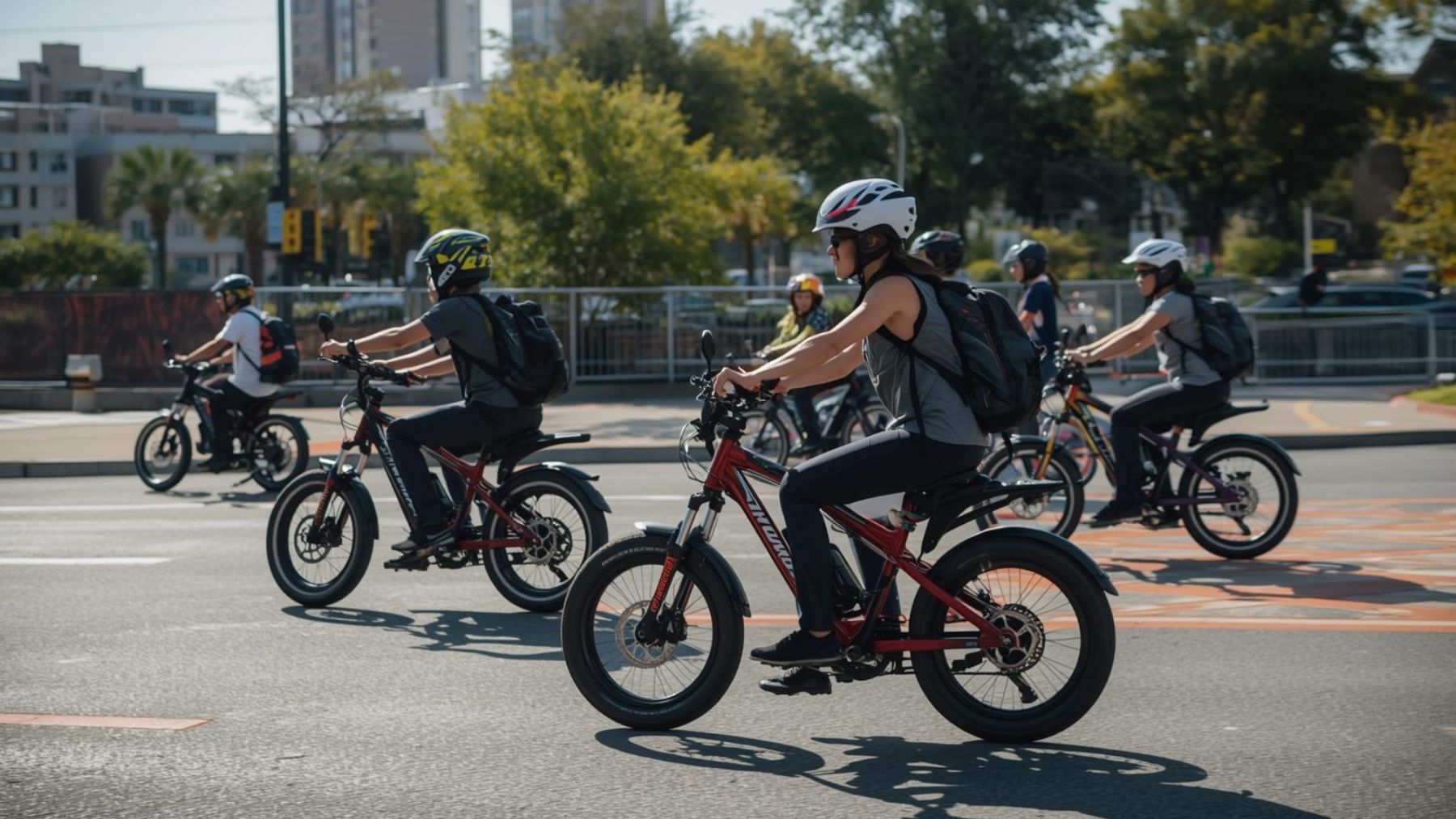
Electric bicycles have become a genuine commuting option for students across the country. For many families they represent a practical middle ground — faster and less demanding than a traditional bike, but without the licensing requirements or costs of a motor vehicle. Schools have seen benefits too, with fewer parent drop-offs clogging entrance roads during the morning rush.
Newport-Mesa Unified’s proposed policy draws a clear generational line. Students in kindergarten through sixth grade would face a complete ban. Middle schoolers in grades seven and eight could still ride, but only with formal parental permission on file. High school students would largely be unaffected. Newport Beach has gone further at the city level, introducing fines and the possibility of e-bike impoundment for riders who break the rules.
The safety data behind the proposal — and what it actually shows
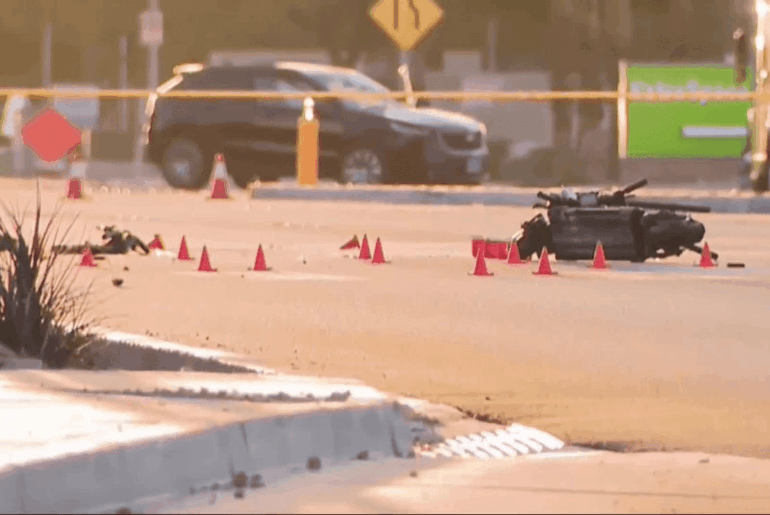
The district’s case for restrictions rests primarily on accident figures from Costa Mesa. Officials cite data showing that e-bike riders were at fault in 44 percent of the 126 bicycle accidents recorded there in 2025. That number draws attention on first read.
Critics have noted the obvious counterpoint: if e-bike riders were at fault in 44 percent of those incidents, they were not at fault in the majority of them. A commenter summarizing public reaction put it plainly — without additional context, the data actually suggests e-bike riders are less often at fault than the other parties involved. The statistic, stripped of context, cuts both ways.
That tension points to a broader problem. Communities are being asked to build lasting policy around preliminary, incomplete data. Whether 44 percent reflects a genuine risk pattern or a statistical artifact of how accidents are categorized and reported remains unclear — and that ambiguity hasn’t slowed the push for regulation.
What students and families stand to lose
For families without reliable access to a second car, or those trying to reduce time spent on school-run logistics, e-bikes fill a real gap. They allow older children to travel independently on routes that might be too long or too hilly for a conventional bicycle, without requiring a licensed driver anywhere in the picture.
The social dimension carries weight too. Researchers and child development advocates have noted that adolescents benefit from time spent outside the structured environments of home and school — what sociologists sometimes call a “third place.” A morning ride with peers, away from screens and adult supervision, serves a developmental purpose that’s easy to underestimate. Banning e-bikes, particularly for younger middle schoolers, could quietly erase some of that.
If e-bikes become off-limits, many families will default back to car-based commutes — more traffic around school gates, more emissions, and less independent movement for the students most likely to benefit from it.
A local vote with national implications
The Newport-Mesa school board is expected to debate the proposal at an upcoming meeting, and the outcome carries weight well beyond Southern California. As e-bike ownership among minors continues to grow, districts from the Pacific Northwest to the Northeast are watching closely.
This isn’t an isolated conversation. Communities across the United States — and in other countries — are working through the same underlying question: how much freedom should young riders have, and who gets to decide? Newport-Mesa is simply one of the first to bring it to a formal vote. If the board approves the tiered ban, it may hand other districts a ready-made template to adopt without closely examining the evidence behind it. If the proposal fails or is significantly amended, that result could slow the spread of similar restrictions elsewhere.
What makes this debate genuinely difficult is that both sides are responding to real concerns. The safety issues aren’t invented. Neither are the benefits of letting young people move through their communities with some degree of autonomy. E-bikes didn’t create the tension between protecting children and trusting them — that tension has always existed. The bikes just made it visible again, and placed it on a school board agenda.
The question worth sitting with isn’t only whether e-bikes are safe enough for students. It’s also what we signal to young people when our first instinct, faced with incomplete data, is to take something away.