It’s official. At the Goose Creek City Council meeting on March 10, council voted on the second reading of an e-bike and e-scooter ordinance. The plan has been in works for a few months. The city did take some time consult those who use and sell e-bikes to chisel out the best fit as to not spark any pushback.
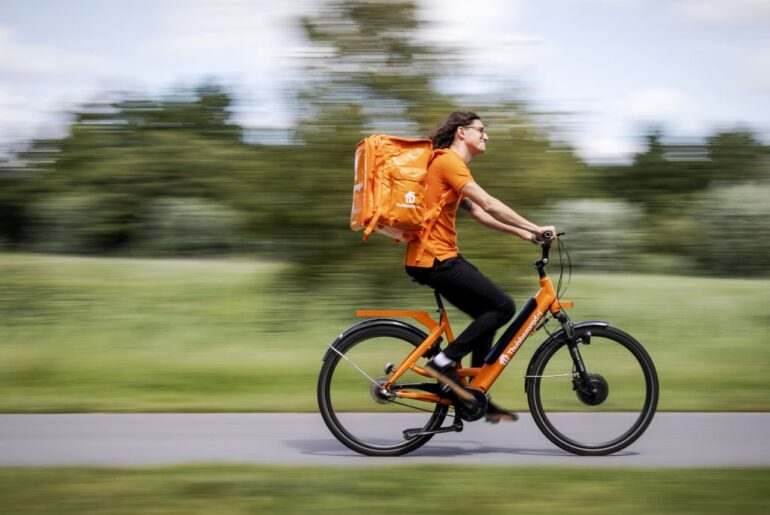
E-bikes have been becoming more popular. The electric powered devices are not just toys for children any longer, people use them and depend on them for daily use.
“I didn’t want too many restrictions on e-bikes, it’s how a lot of people get to work today. It’s a very important mode of transportation,” Goose Creek mayor Greg Habib said about the ordinance on its first reading. “I don’t think this ordinance inhibits that ability, and I think that’s very important.”
The new measure that is now law, states the bikes and e-scooters can’t exceed 25 miles-per-hour or one horse power which is the equivalent of 750-watts. The bikes can’t be driven on sidewalks but riders can travel on multi-use paths. Helmets are required for the children under the age of 16-years-old.
The bikes must use lighting visible from 500-feet while riding at night. Both e-bikes and e-scooters can travel on city owned roads where the speed limit does not exceed 30 miles-per-hour.
There are some differences on the e-scooter side of the plan. E-scooters which are mostly the type riders stand on are allowed on sidewalks but have to yield to pedestrians and the scooters can’t carry multiple riders.
No helmets are required on e-scooters they can go just as fast as most e-bikes. That is one of the sticking points for an e-bike enthusiast and businesses owner in Goose Creek.
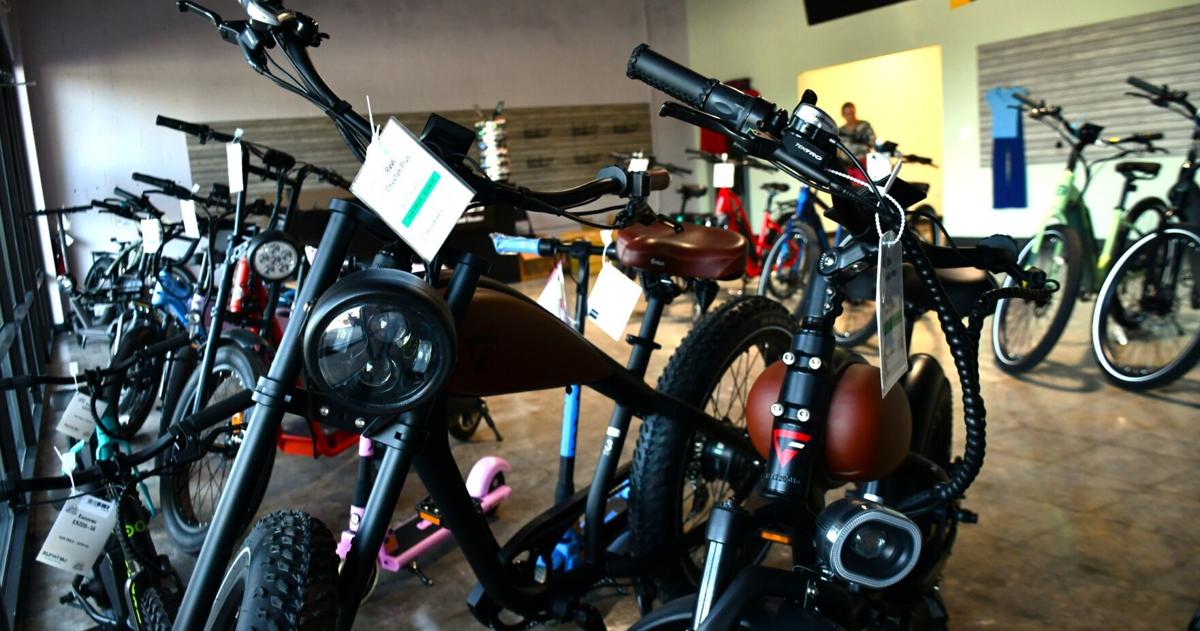
“They require anyone under the age of 16 to wear a helmet on and e-bike but not if they are riding an electric scooter. I think it should have been for both,” said Edie May, Owner of It’s Electric, an e-bike shop on College Park Road. She was asked by the city to be involved in the wording of the ordinance and to offer insight when needed.
“I think those scooters go ridiculously fast and there are no requirements for children to wear helmets and I don’t agree with that. I questioned them about that and the reason was they didn’t want to go against some of the state’s regulations.”
May also had some issues with the no sidewalks part of the law for e-bikes. While the city is expanding its network of multiuse paths, there is not enough at the moment. This as both the main roads in the city, Highway 176 and Highway 52 have drivers that exceed 50 to 60 miles-per-hour.
The e-bikes are limited to 30 or less. For those who depended on the bikes for their main mode of transportation are corralled to certain areas to ride legally.
“I would say that a large percentage of my people that come in here are people who can’t drive cars and they have to get to work and they have to get to school or they have to go to the grocery store,” noted May. “For whatever reason, it’s not always because they did something wrong. It may be because of a handicap that they can’t drive a car or they can’t afford one.”
Another issue that May brought to light has to do with the speed regulation. Consumers can now buy bikes that are 2,000 to 3,000 watts. The city ordinance states that anything over 750 will be considered a moped and will be registered as such.
Although some riders are taking advantage of a poorly kept secret about some tweaks that can be made and can make the bike illegal and dangerous.
“A lot of the electric bikes you can go in and easily hack them and make them go faster,” she said. “The kids know about it. They come to us, their parents bring in the bikes and ask us if we can make this go faster. We say no, we do not hack them, we do not allow that to happen, not here not in my shop.”