Image Credit: Toyota.
Small electric cars have become much more important than their footprint suggests. In the United States, truly tiny EVs remain rare, but the compact end of the market is now where many of the smartest electric buys live. That matters because plenty of drivers do not need a three row SUV or a giant battery pack that turns every parking maneuver into a chore. They need something easier to place in traffic, easier to park, and easier to live with every day, while still offering enough range and charging speed to avoid feeling compromised.
This category also matters now because it has changed shape. A decade ago, the idea of a small EV usually meant a city car with modest range and obvious tradeoffs. Today, the best examples include compact hatchbacks, small crossovers, and a handful of true urban runabouts. Some now clear 300 miles on a charge. Some offer performance that would have sounded ridiculous in a small electric family car only a few years ago. Others win by being simple, stylish, and genuinely practical in places where large vehicles feel unnecessary.
That wider mix is exactly why this topic deserves a more careful look. A good small EV is not just one with the shortest body or the lowest price. It needs to make real sense in normal life. That means useful range, reasonable cabin packaging, charging hardware that does not feel outdated, and a size that still works for city driving without turning highway trips into a punishment. This list focuses on the small electric cars and compact EVs that best balance those demands in the current U.S. market, along with selected new U.S.-market arrivals already announced for 2026. In other words, these are not simply the smallest EVs. They are the small EVs most worth caring about.
What Makes A Small Electric Car Worth Buying Now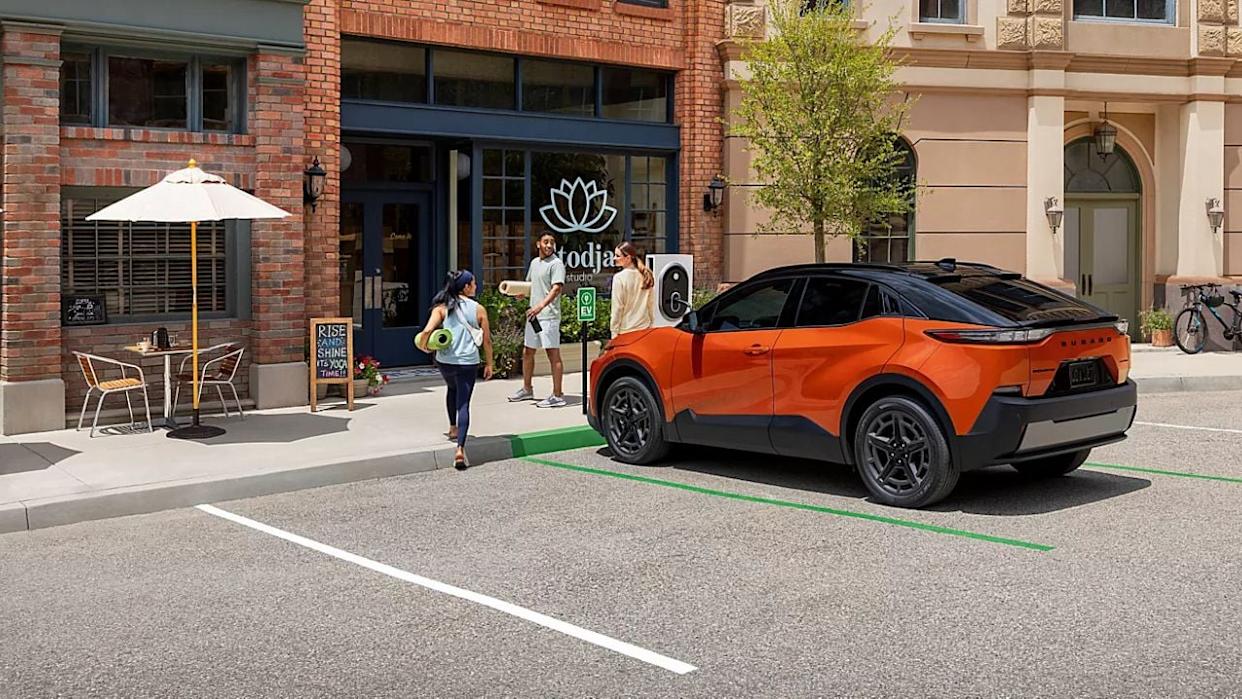
Image Credit: Subaru.
The point of a small EV is not just efficiency. It is usefulness. A compact electric car should save space and energy without making daily driving feel like a series of excuses. That is why this article favors models that combine manageable size with strong real world range, practical interiors, modern charging, and a clear role in the market. Some of these cars lean toward urban use. Some stretch into compact crossover territory. Some prioritize premium polish while others focus on straightforward value. All of them stay small enough by American standards to feel friendlier in dense traffic and tight parking than the larger EVs now dominating showroom floors.
Another reason this category deserves attention is that it now includes very different answers to the same problem. One buyer may want the smallest possible footprint and a playful city friendly character. Another may care more about long range and an easier transition from a compact gas crossover. A third may want premium design in a vehicle that still fits in a narrow garage. That is why the picks below were chosen not only for dimensions, but for how well they translate their size into actual value. A small EV should make your life easier, not simply look clever in a brochure.
Fiat 500e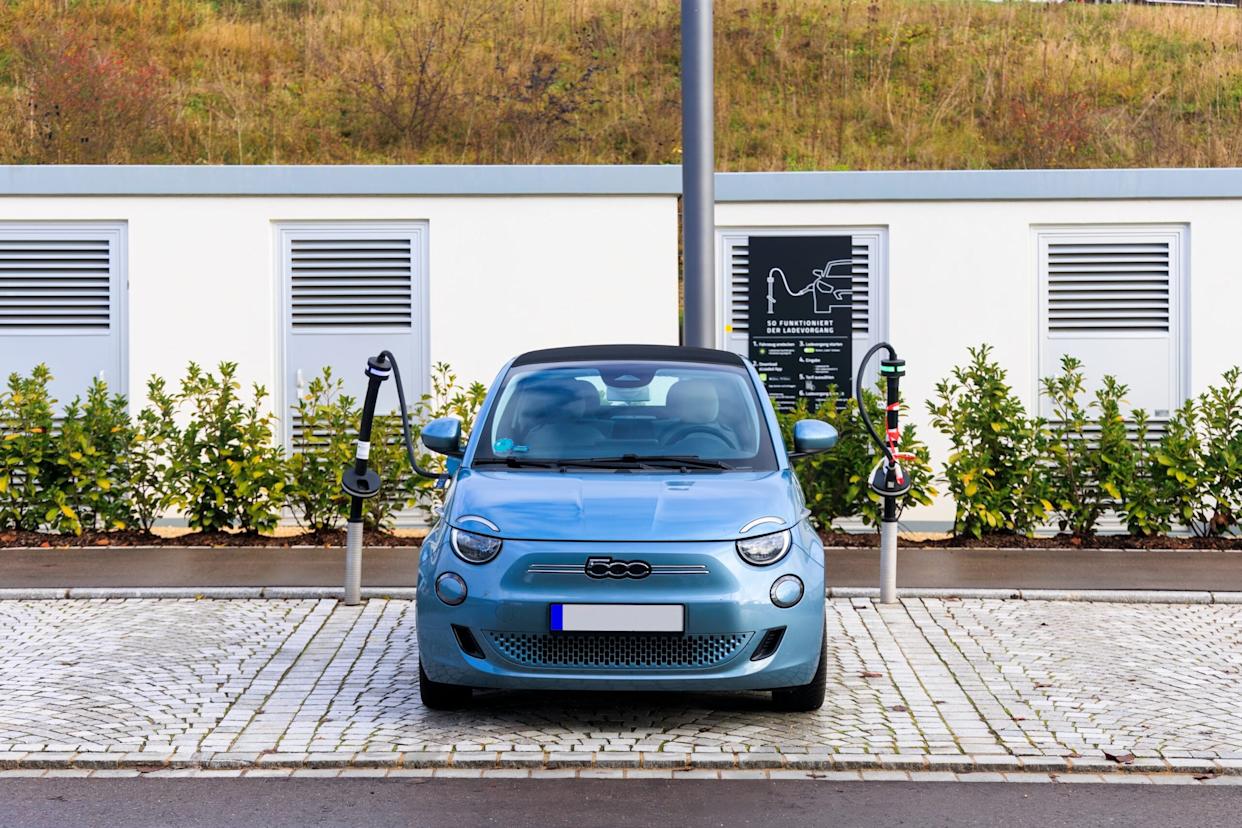
Image Credit: Werner Rebel / Shutterstock.
If the goal is to make daily city driving feel lighter, happier, and less like a chore, the Fiat 500e still makes one of the strongest emotional cases in the segment. It is the closest thing America gets to a true modern electric city car with real personality. Fiat’s current U.S. build-and-price tools list the 2025 500e from $30,500, and current U.S. government listings show a 42.2-kWh battery, an 87-kW motor, and an electric-only range of 141 to 149 miles depending on configuration. Those are not big numbers, but they are the right kind of numbers for the vehicle’s mission.
What strengthens its case is how honestly the car matches its purpose. This is not a small EV pretending to be a long range road trip machine. It is a compact two door hatch built for dense urban environments, short commutes, and buyers who value style as much as simple usability. The footprint is tiny by U.S. standards, which makes parking almost laughably easy, and the design remains one of the few genuinely charming shapes in the current EV market. For city dwellers who can charge at home and do not need crossover room, the Fiat still feels like the most natural small EV of them all.
Nissan LEAF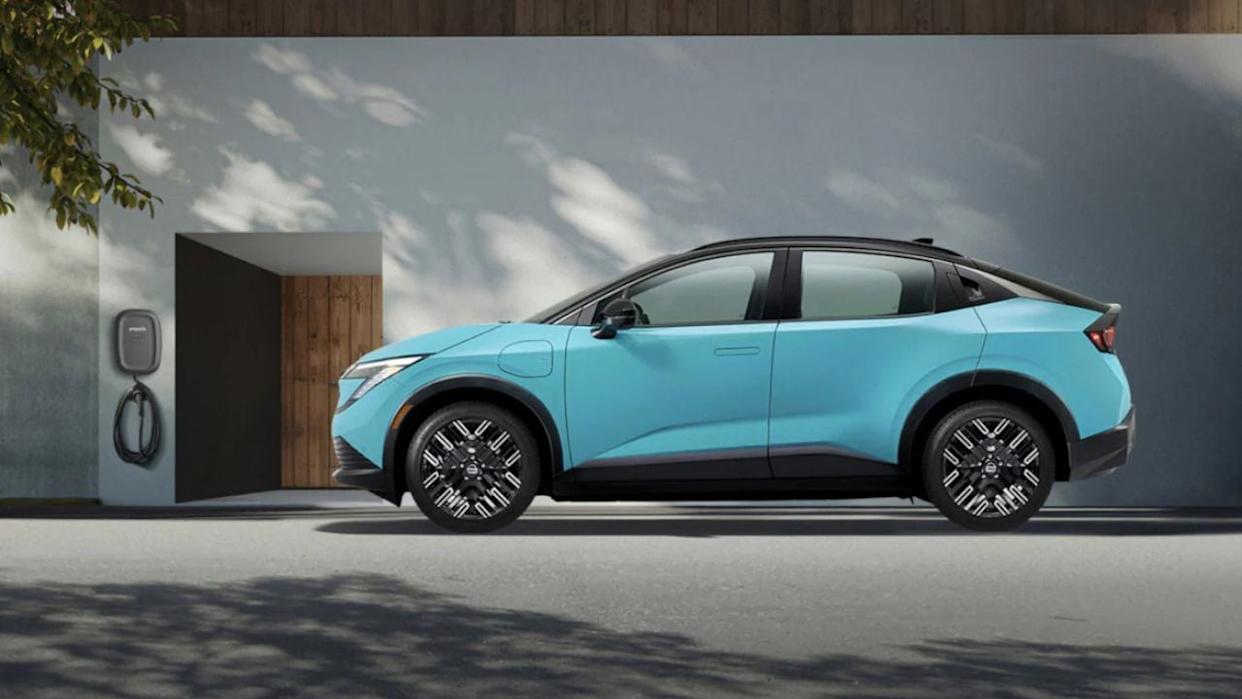
Image Credit: Nissan.
The new 2026 Nissan LEAF takes one of the most familiar names in electric driving and finally gives it the shape American buyers seem to want. Instead of the old tall hatchback silhouette, the latest LEAF becomes a small electric crossover with much stronger range and a more modern design. Nissan prices the 2026 LEAF from $29,990, and the longest-range S+ trim reaches up to 303 miles. The same trim uses a 75-kWh liquid-cooled battery and a 214-horsepower motor, which makes the new LEAF much more competitive than the old car at exactly the moment it needed to be.
That combination matters because it turns the LEAF from a budget-minded EV into one of the most rational small electric choices on sale. The size stays manageable, the range is now fully road-trip worthy, and Nissan has moved to NACS for fast-charging access. In practical terms, this is one of the easiest small EVs for a broad audience to understand. It is compact enough for everyday use, roomy enough for normal family life, and far more capable on a long highway day than earlier LEAF generations ever managed. For many buyers, this will be the small EV that finally makes the category feel complete.
Subaru Uncharted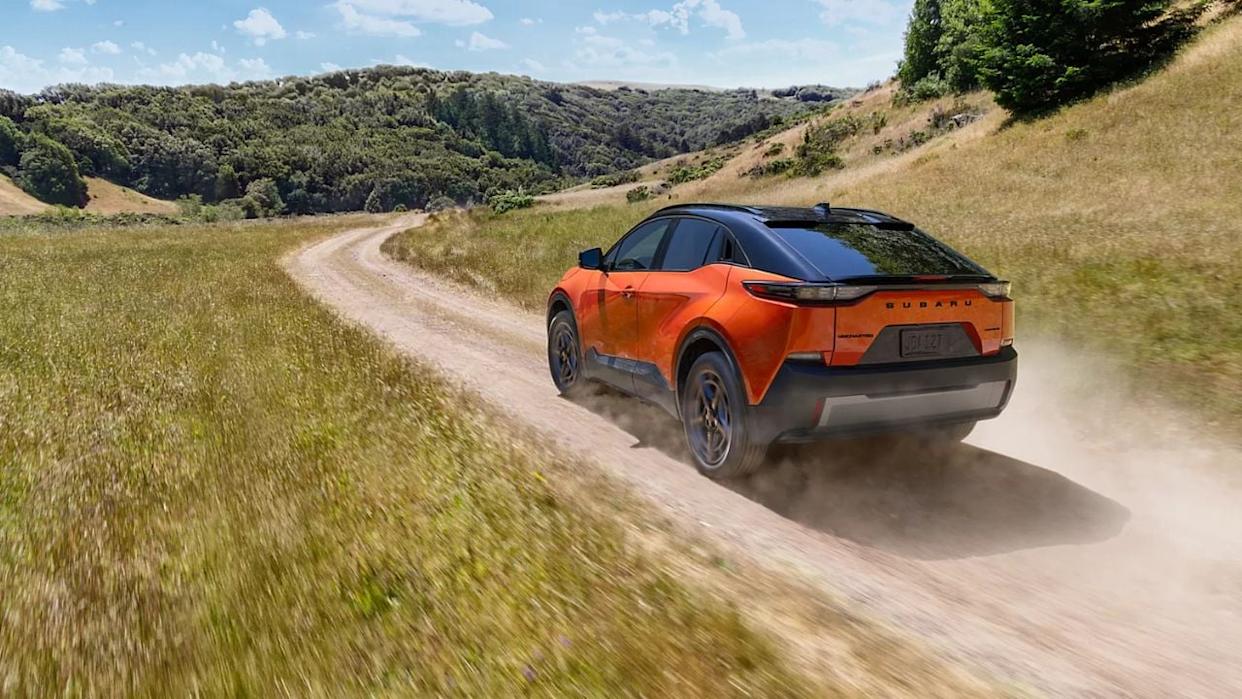
Image Credit: Subaru.
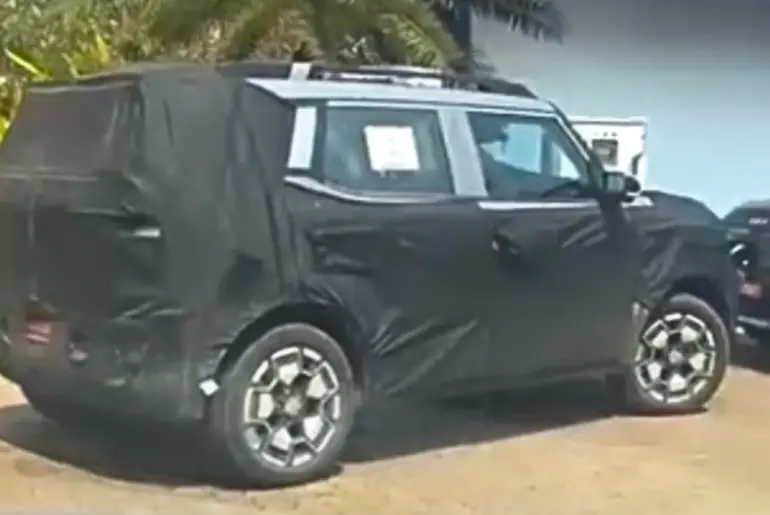
Subaru’s Uncharted is one of the more interesting arrivals in the category because it recognizes that a small EV can still feel adventurous without growing into a bulky SUV. The 2026 Uncharted starts at $34,995 in Premium front-wheel-drive form. Subaru says that version offers more than 300 miles of range and 221 horsepower, while the all-wheel-drive Sport and GT models climb to 338 horsepower and more than 285 miles of range. The car also keeps 8.2 inches of ground clearance, which gives it a distinctly Subaru interpretation of small EV usefulness.
What makes the Uncharted stand out is that it feels right sized instead of downsized. The fastback profile helps it avoid the visual bulk of many electric crossovers, yet it still offers real family practicality and quick charging from 10 to 80% in about 28 minutes. This is not the most luxurious choice in the group, and it is not the most charming either. It earns its place because it offers one of the clearest real world balances: compact dimensions, strong range, useful ground clearance, and an available all-wheel-drive setup that supports the brand’s identity. For buyers who want a small EV that still feels ready for weather, weekend gear, and imperfect roads, it makes a lot of sense.
Toyota C-HR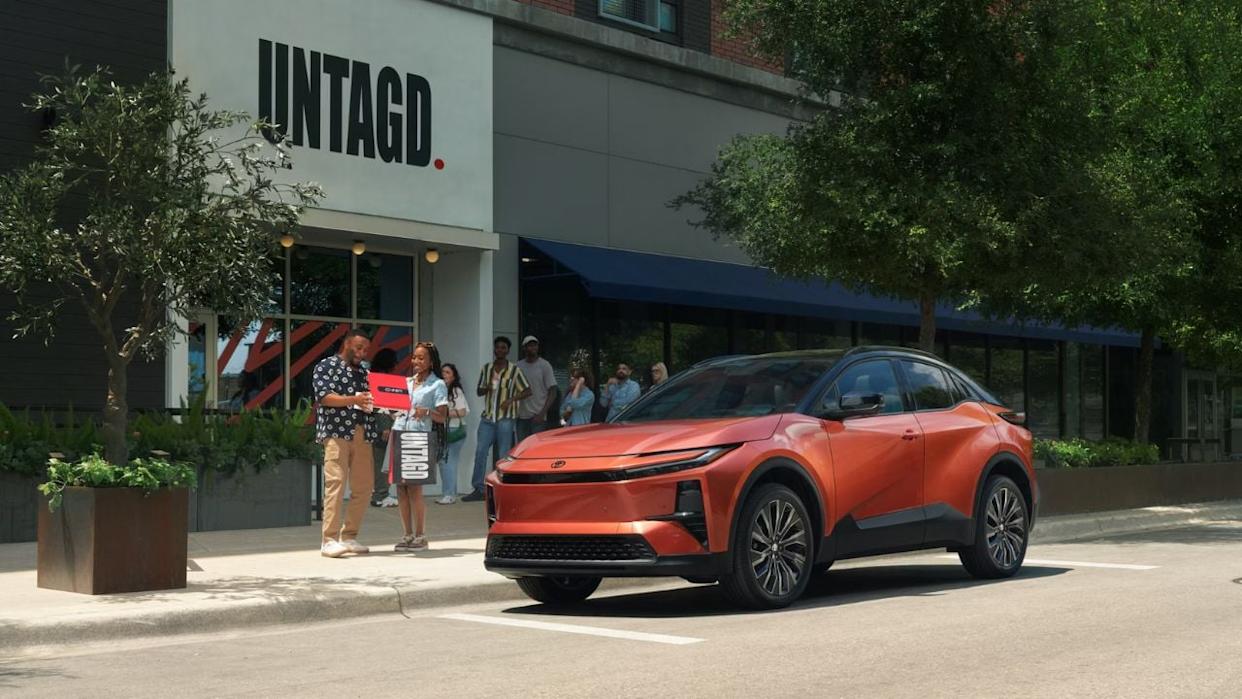
Image Credit: Toyota.
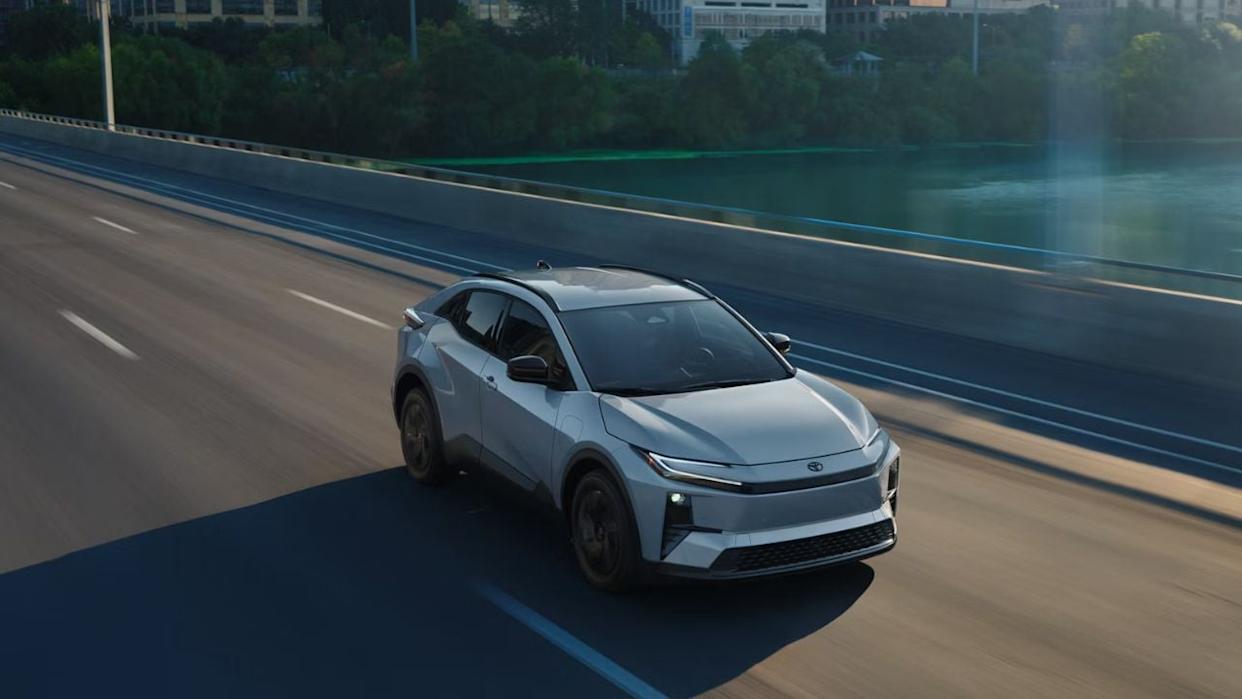
Toyota’s return to the C-HR name is one of the more dramatic reinventions in the current EV market. The old gas crossover was small and quirky. The new 2026 electric C-HR is far more serious. Toyota starts it at $37,000, gives it dual motors and standard all-wheel drive, and quotes 338 net combined horsepower. The newest U.S. figures also put range at 287 miles for the SE trim, with Toyota claiming 0 to 60 mph in 4.9 seconds. Those are not small-car compromise numbers. They are genuinely strong numbers in a compact package.
That is what makes the C-HR so compelling here. It delivers the footprint and style of a compact electric crossover, but with enough power and range to feel like a real step up from the usual entry-level EV formula. It also carries Toyota’s reputation for usability and broad appeal, which matters for readers who want practical reassurance rather than novelty alone. Rear-seat space is not the car’s strongest point, and the styling is more daring than some buyers may want. Even so, this is one of the clearest examples of a small EV that feels current, confident, and genuinely exciting rather than simply affordable.
Volvo EX30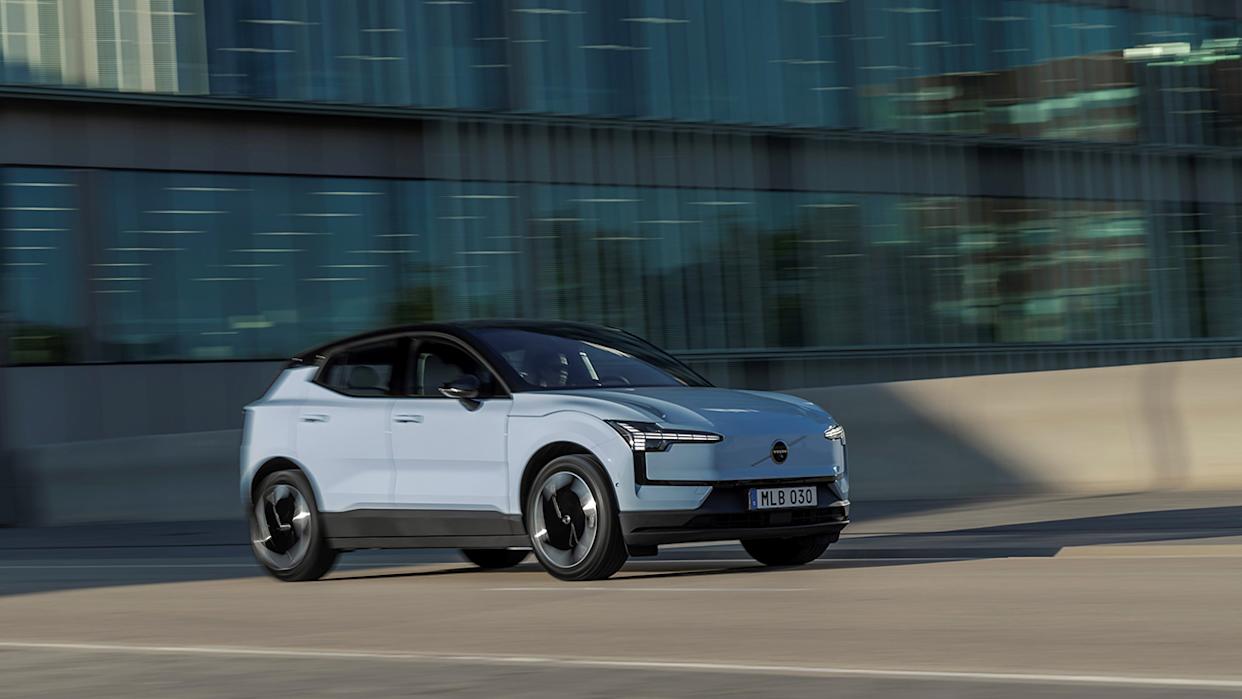
Image Credit: Volvo.
Volvo went after the small EV idea with an unusual amount of seriousness, and the EX30 is better for it. Volvo describes it as its smallest SUV, and in the U.S. market it starts at $40,345. The Single Motor Extended Range version reaches up to 261 miles, while the Twin Motor Performance offers as much as 422 horsepower and a 0 to 60 mph time as quick as 3.4 seconds. That is an extraordinary spread for one compact electric SUV. It means the EX30 can serve either as a tidy premium commuter or as a very fast small crossover depending on how the buyer configures it.
What really strengthens the EX30’s case is the way it uses its footprint. The exterior stays compact and city friendly, but the interior design feels polished and modern enough to support the price. Volvo also keeps the charging story competitive with a 10 to 80% time of roughly 28 minutes. The EX30 is not the cheapest option in this article, and it is not the roomiest. It belongs because it offers one of the strongest premium small EV experiences currently available. Buyers who want compact size without giving up design quality or performance will likely find this Volvo one of the smartest answers in the category.
MINI Countryman SE ALL4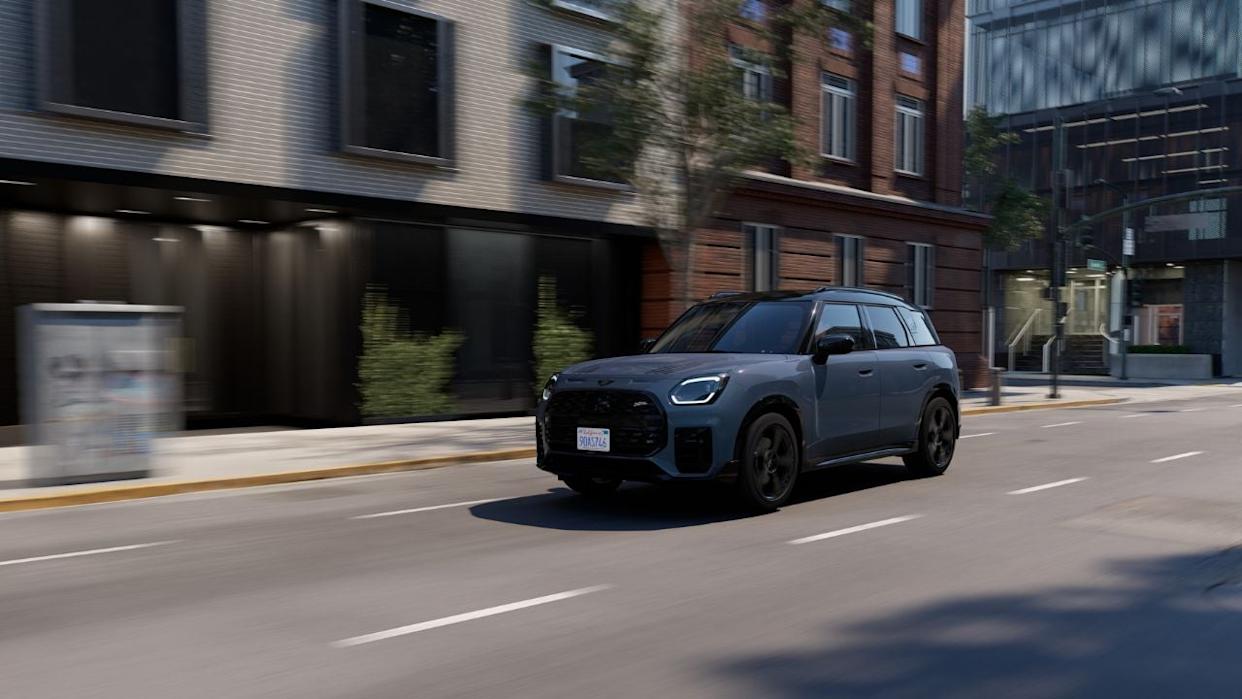
Image Credit: BMW.
The all-electric MINI Countryman SE ALL4 sits at the outer edge of what counts as small here, but it still makes the cut because it turns compact premium crossover design into something much more distinctive than the norm. MINI’s current U.S. page lists the 2027 Countryman SE ALL4 from $45,200, with 308 horsepower, 364 lb-ft of torque, up to 212 miles of range, and a 0 to 60 mph time of 5.4 seconds. Those numbers do not make it the range leader in the article, but they do make it one of the most characterful entries.
That character matters because buyers shopping small premium EVs often want more than a transportation appliance. They want something that feels special every time they walk up to it. The Countryman delivers that through design, quick performance, and an interior that feels more playful than the usual minimalist EV formula. It also gives buyers standard all-wheel drive, which helps justify its role as a small all-season electric crossover rather than a pure city toy. The range is modest compared with the best in the class, so buyers who cover huge distances regularly may want more. For those who prioritize design, personality, and compact crossover usability, though, this MINI makes a very persuasive case.
Kia Niro EV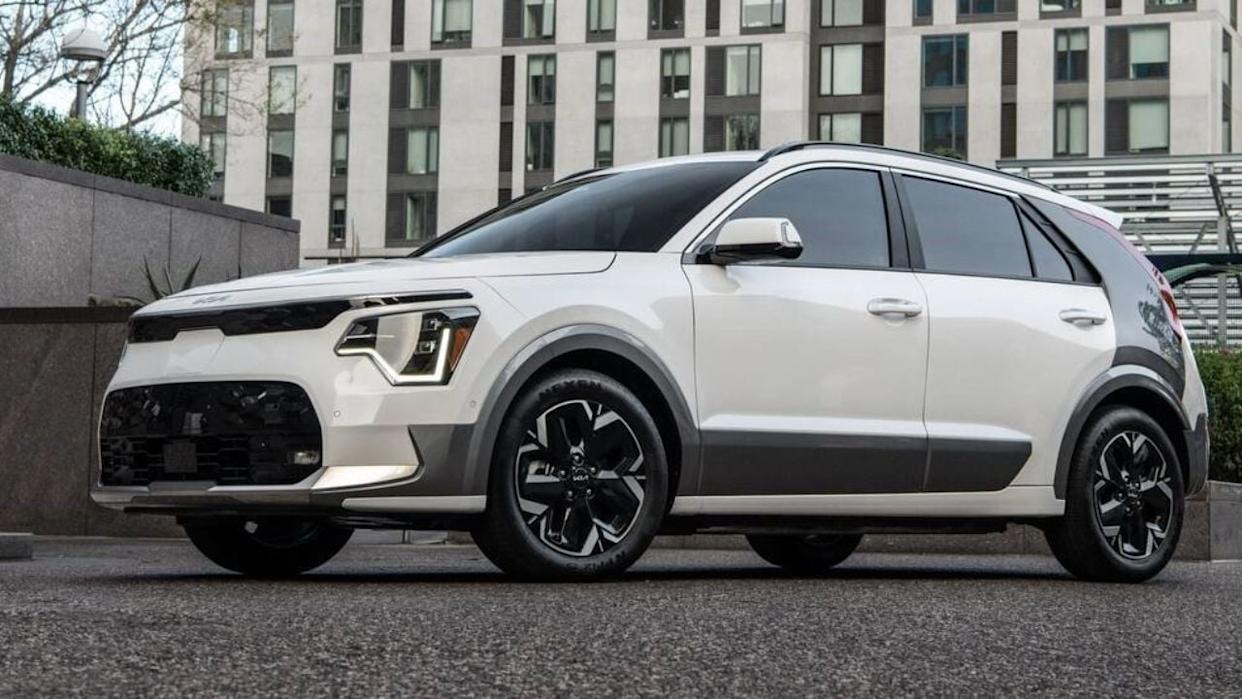
Image Credit: Kia.
The Niro EV remains one of the most grounded and sensible small electric crossovers in the market, and that is exactly why it deserves attention. Kia prices it from $39,600 and gives it 201 horsepower, 188 lb-ft of torque, and an EPA-estimated 253 miles of range. None of those figures are the most dramatic in this article, but together they create a vehicle that feels carefully judged for normal life. The size is easy, the shape is practical, and the cabin packaging makes very good use of the exterior footprint.
That practical balance is the Niro EV’s real strength. It does not try to overwhelm buyers with performance claims or futuristic styling. Instead, it focuses on being the kind of small electric crossover that can replace a compact gas SUV without demanding a major lifestyle rewrite. That matters for a broad audience. Buyers who want an EV that feels familiar, efficient, and easy to understand may find the Niro EV more appealing than flashier alternatives. It is not the newest answer in the category, and some competitors now offer more range or faster charging. Even so, it remains one of the strongest examples of how a small electric car can simply do its job well.
Small EVs Make The Most Sense When They Solve Real Problems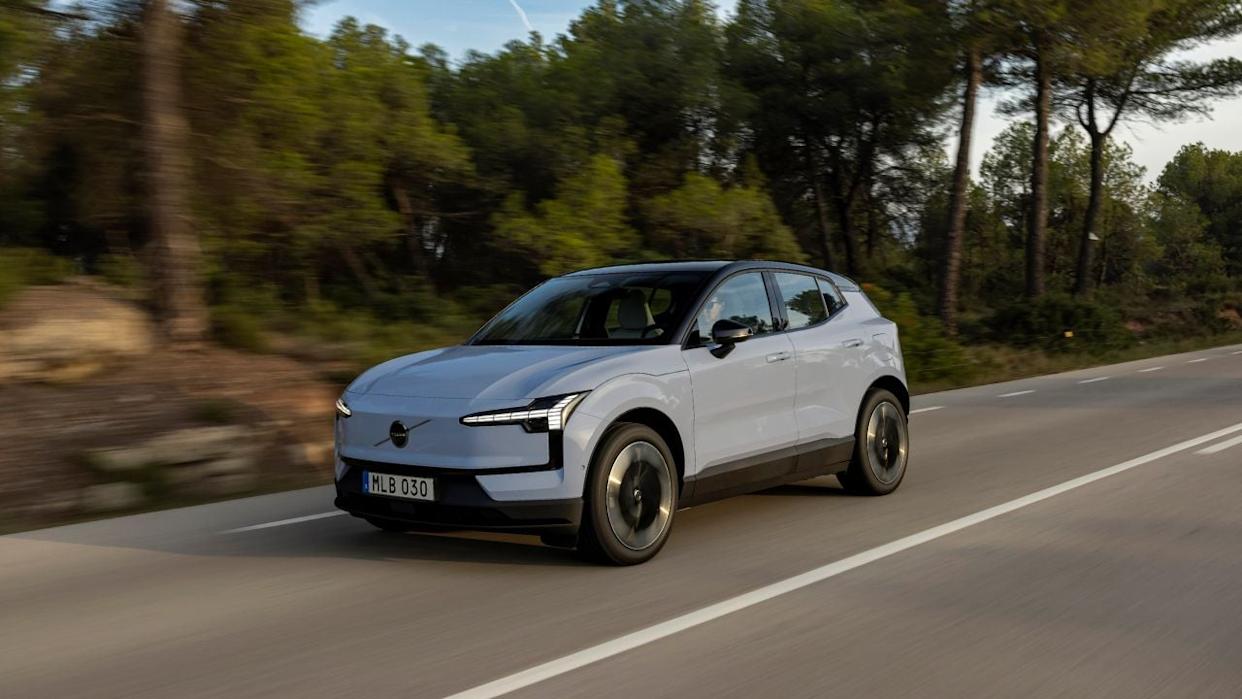
Image Credit: Volvo.
The best small electric cars are not just the smallest ones. They are the models that use their compact size to make everyday life easier while still offering enough range, comfort, and charging speed to feel complete. That is why this list spans several different personalities. The Fiat 500e is the true urban specialist. The LEAF and Uncharted feel like some of the smartest all-around compact choices. Toyota’s C-HR and Volvo’s EX30 bring more edge and more ambition. MINI offers character, and the Niro EV stays focused on practical daily use.
That wider point matters because the small EV market has finally grown up. It no longer revolves around one type of car or one type of buyer. It now includes city cars, compact crossovers, sporty small SUVs, and practical hatchback-like runabouts, all trying to solve the same basic problem in slightly different ways. The strongest choice depends less on the headline number and more on what kind of life the car is meant to fit. That is the real measure of a good small EV, and it is also why this category has become one of the most useful corners of the electric market.
Read More