Electric vehicle prices in the United States continued to decline in February, narrowing the cost gap with traditional gasoline powered cars and signaling an increasingly competitive market as automakers adjust pricing and incentives.
According to new data reported by Kelley Blue Book and highlighted by Electrek, the average transaction price for a new electric vehicle in February 2026 fell to about $55,300. That figure represents a 0.6 percent drop compared with January and a 1.4 percent decline from the same month a year earlier.
While the change may appear modest, it continues a broader trend that analysts say is steadily bringing EVs closer to price parity with gasoline powered models.
The Shrinking Price Gap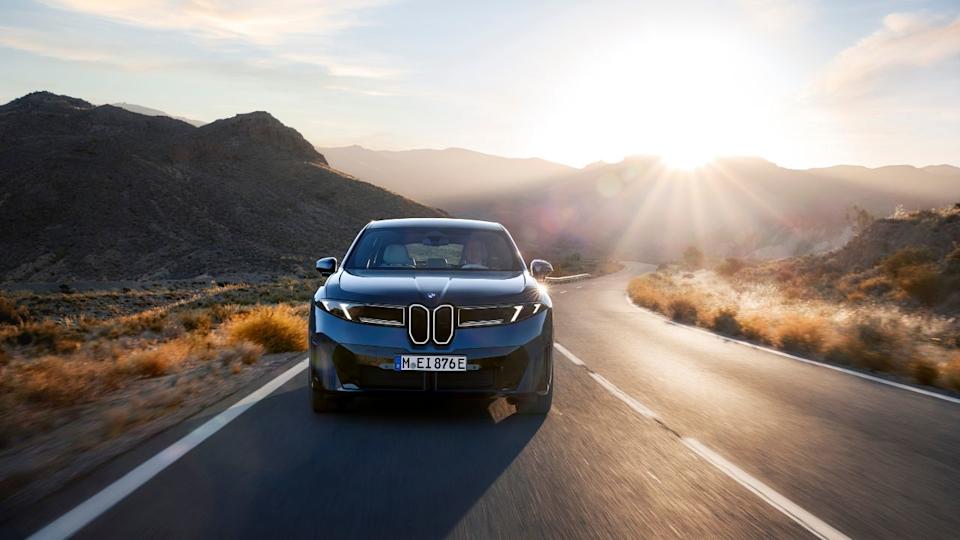
Photo Courtesy: BMW.
The same report found that the average price gap between electric vehicles and gas-powered cars shrank to roughly $6,500 in February. That is one of the smallest differences seen in years and reflects a combination of falling EV prices and rising prices for conventional vehicles.
Industry watchers say the narrowing gap is significant because price remains one of the biggest barriers for consumers considering a switch to electric transportation. If the cost difference continues to shrink, EVs should become more appealing to a wider pool of buyers who may have previously viewed them as too expensive.
A major factor behind the price shift is the growing use of incentives from automakers. According to the data cited by Electrek from Kelley Blue Book, incentives on electric vehicles climbed to about 14.2 percent of the average transaction price in February.
That represents a noticeable increase from the roughly 12.4 percent incentive levels seen earlier.
These incentives include discounts, financing offers, and other promotions designed to keep showroom traffic moving as competition in the EV space intensifies.
Mixed Signals
Image Credit: Hyundai.
At the same time, the broader EV market showed signs of slowing demand during the month. Kelley Blue Book estimates cited by Electrek suggest total electric vehicle sales in the United States declined by around 26 percent year over year in February.
The drop highlights the uneven pace of EV adoption as the market transitions from early adopters to more price sensitive mainstream buyers.
One notable exception in the pricing trend involved Tesla, which saw its average transaction price rise slightly. The company’s average EV price reached approximately $53,821 during February, moving higher even as sales declined.
Tesla’s estimated U.S. sales fell to about 38,500 vehicles during the month, according to the Kelley Blue Book data cited by Electrek. That marks a year over year decrease of roughly 8.9 percent.
Despite the sales slowdown, Tesla’s pricing movement stands in contrast to many other manufacturers that have been leaning heavily on incentives and discounts to maintain demand.
Across the broader market, however, automakers appear to be adjusting pricing strategies as new electric models arrive and competition intensifies. Traditional manufacturers are launching more affordable EVs, while price reductions and incentives help reduce the upfront cost for buyers.
What This Means for the Future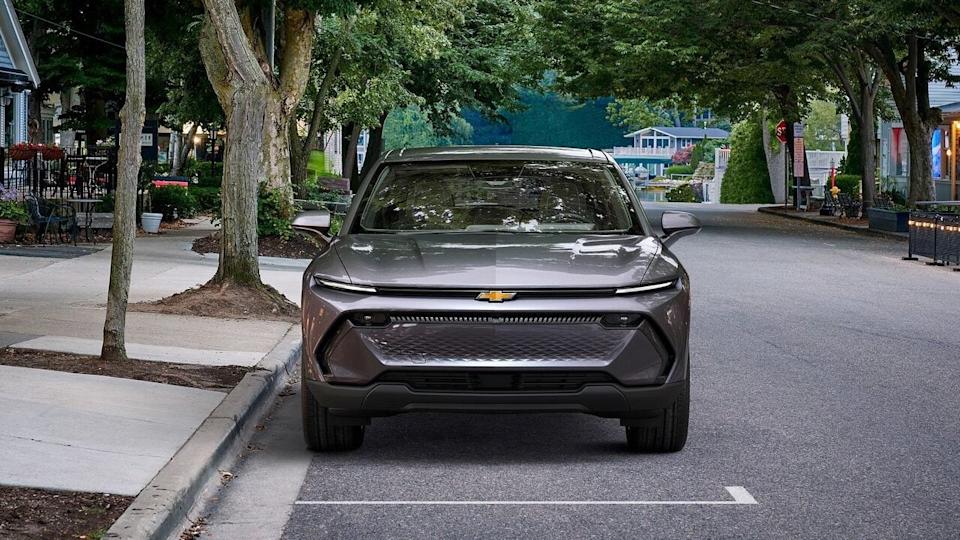
Image Credit: Chevrolet.
The narrowing price gap between EVs and gasoline vehicles is especially important at a time when fuel prices, government policies, and consumer preferences continue to shape the automotive landscape.
Analysts say the long-term trajectory still points toward lower EV costs as battery production scales up and supply chains mature. Battery packs remain the most expensive component of electric vehicles, but technological improvements and manufacturing expansion are gradually reducing those costs.
For consumers weighing their next vehicle purchase, the February data offers another sign that EVs are slowly moving closer to the financial territory long dominated by gas-powered cars.
If current pricing trends continue, industry observers believe the cost difference could shrink even further in the coming years, finally making EVs an increasingly realistic option for mainstream car buyers.
Sources: Electrek
Read More
These are the Best Cars to Buy in 2026, According to Consumer Reports
Sorta Forgotten Gems: Do You Remember These Incredible Cars From the 1960s?