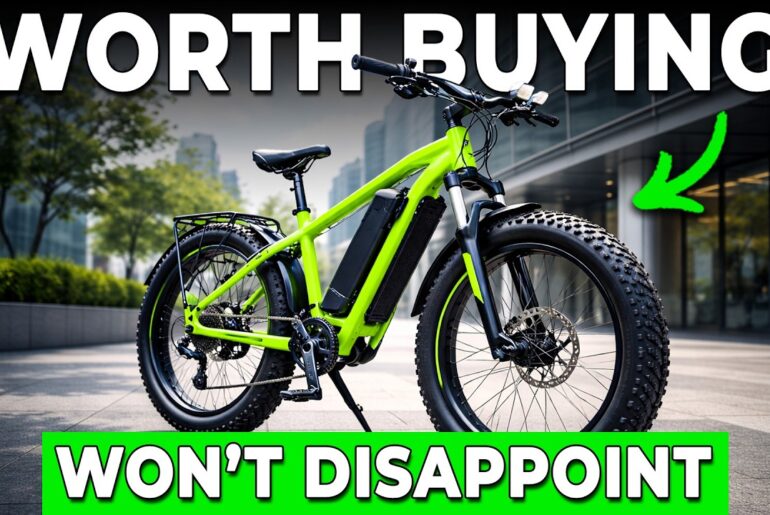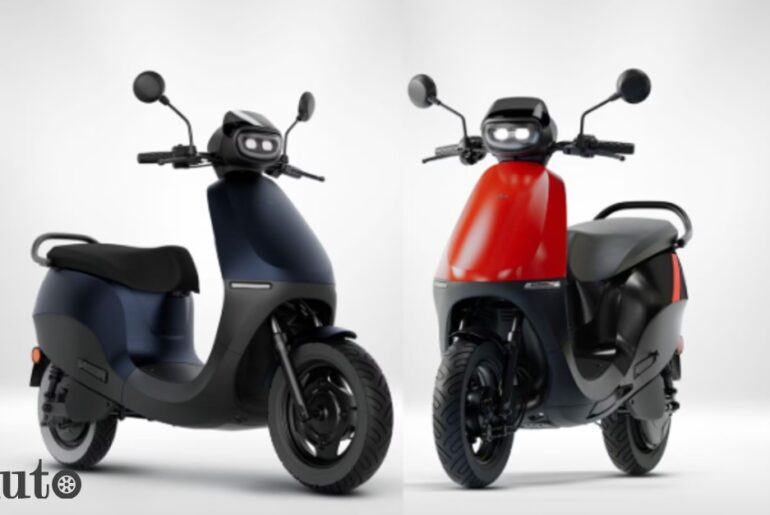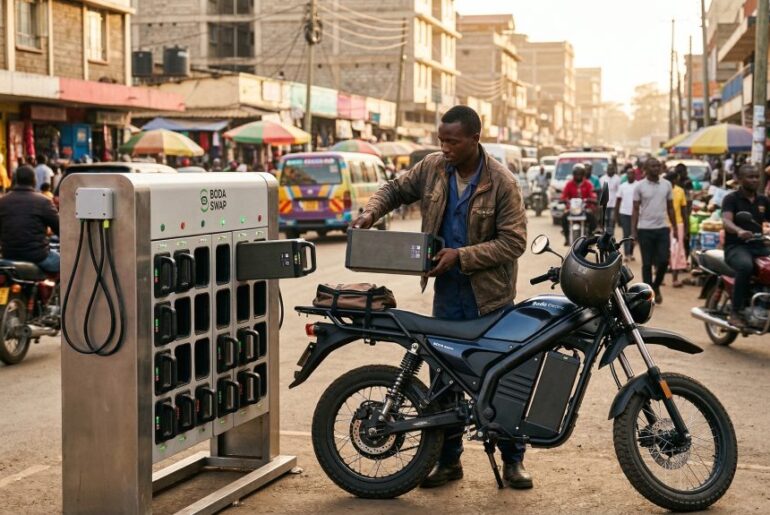
Electric bicycles have become part of everyday life, helping people commute, reduce emissions and expand mobility for riders of all ages.
Used responsibly, they are a valuable transportation tool. But e-bike technology has moved faster than our laws.
In January, each of us convened public forums on e-bike safety and heard a consistent message from medical professionals, law enforcement, parents, youth and researchers: e-bikes are not the problem.
More than 80% of electric devices parked at schools in our region do not comply with California’s legal e-bike classifications. They are more like e-mopeds and e-motos which can reach top speeds of 38 miles.
Outdated rules and growing confusion about today’s more powerful devices are fueling this problem.
At our forums, doctors described a rise in serious injuries that look more like motorcycle crashes. Police explained how difficult it is to tell whether a device is a legal e-bike or something closer to a motorized vehicle. Parents shared stories of unknowingly purchasing bikes marketed as “legal” that were unsafe for their children.
These are not isolated anecdotes. They reflect a broader trend across California.
This is a multi-faceted problem that requires multiple solutions. One is to change legislation in order to close a loophole in state law.
While e-bikes are limited to 750 watts, the law does not specify whether that refers to continuous or peak power.
As a result, many bikes sold as compliant can actually deliver far higher bursts of power and reach dangerous speeds, particularly in the hands of young or inexperienced riders.
Assembly Bill 1557 closes this loophole by clarifying that the 750-watt limit applies to maximum motor power. The bill does not ban e-bikes or target responsible riders. It simply draws a clear, enforceable line between an electric bicycle and a motorized vehicle.
Research from the Mineta Transportation Institute supports what communities are seeing firsthand: excessive power, higher speeds and consumer confusion are driving preventable injuries. AB 1557 is a common-sense step to keep e-bikes safe, accessible and clearly defined.
Sen. Catherine Blakespear has authored SB 1167, which expressly states that misrepresenting faster electric vehicles as e-bikes is false advertising that can be prosecuted.
To protect our adolescents, school districts should create clear e-bike policies.
The Menlo Park City School District offers a strong model. Its policy prohibits students under the age of 16 from bringing any Class 2 or Class 3 e-bike, as well as electric motorcycles, scooters and skateboards onto campus. Only unmodified, properly labeled Class 1 pedal-assist e-bikes are permitted.
Any e-bike or e-moto found in violation is locked and held by the school until it can be retrieved by a parent or guardian. The district will partner with law enforcement only when required by law.
This approach is about prevention, not punishment. Clear guidelines give administrators, parents and students shared expectations and reduce the likelihood of tragedy.
Parents also have a critical role to play. They must research before purchasing (or allowing the purchase of) e-bikes for their children.
Today’s throttle-enabled, high-speed vehicles function like motorcycles, despite being sold alongside bicycles. Many families are unknowingly purchasing e-motos without realizing just how powerful they have become.
Families can make safer choices by purchasing Class 1 pedal-assist e-bikes that require pedaling, are capped at 20 miles per hour and comply with power limits.
Just as we would not hand car keys to our middle schoolers, we must be mindful of the speed and force that we are giving them with Class 2 and Class 3 vehicles.
As makes and models are constantly changing, do your homework before walking into a retailer or purchasing a bike online.
Parents must ensure their children wear helmets and follow basic traffic rules, and all adolescents should consider completing the free online California Highway Patrol Bicycle Safety Course.
As elected officials, part of our responsibility is to introduce legislation that fills gaps in our communities, like Assembly Bill 1557.
Just as important is our obligation to use our platform to educate and inform our constituents – especially when it comes to the safety of our children.
Assemblymember Diane Papan, D-San Mateo, represents the 21st Assembly District. Sen. Josh Becker, D-Menlo Park, represents the 13th Senate District.