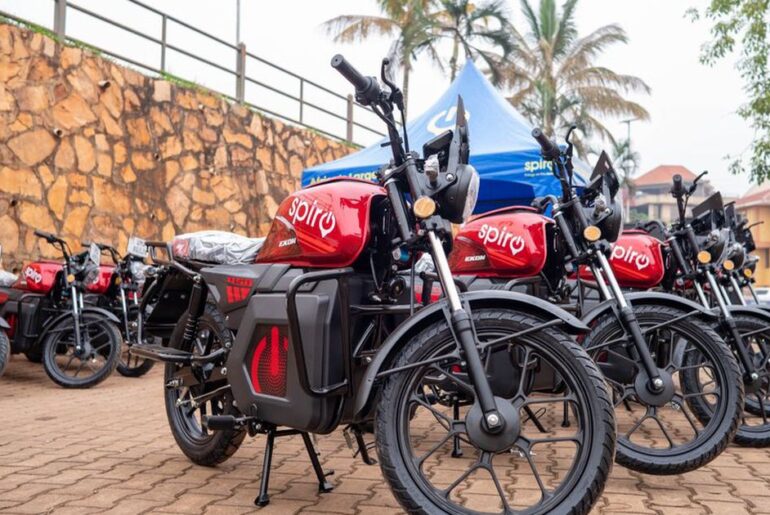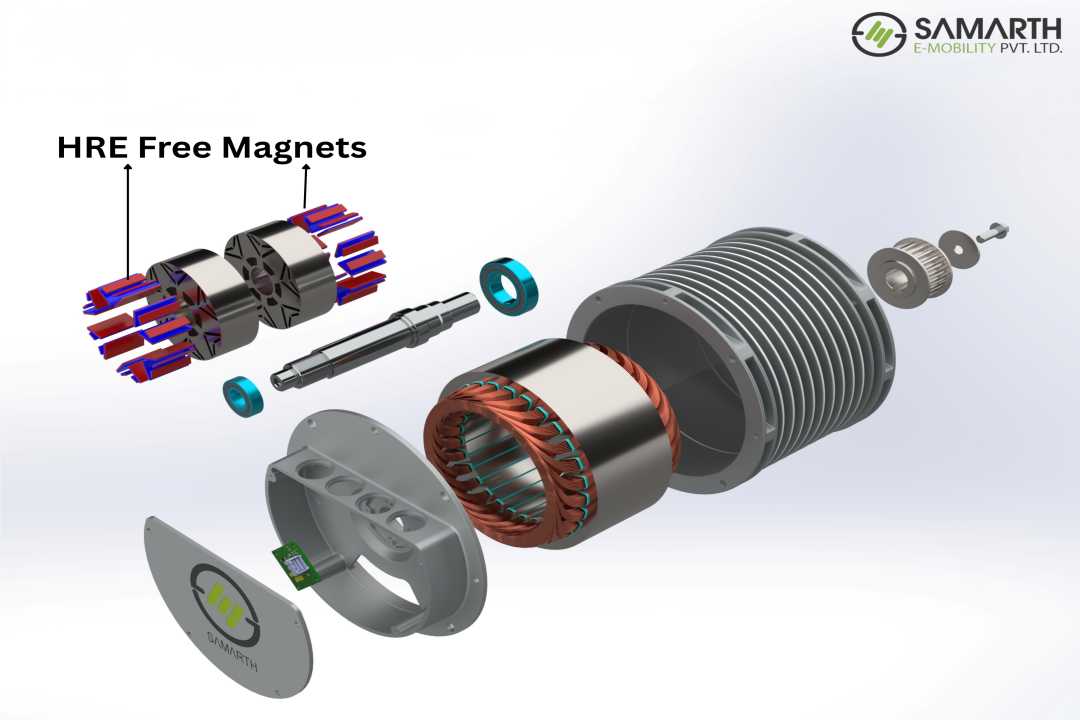
Samarth E-Mobility Pvt Ltd has announced the development of a fully indigenous electric vehicle technology platform designed and manufactured entirely in India. The integrated platform brings together several key EV components engineered in-house and will serve as the foundation for the company’s upcoming electric motorcycle.
The technology platform incorporates a range of essential electric vehicle systems including the battery pack, battery management system (BMS), electric motor, motor controller, power control module, DC-DC converter and an onboard fast charger capable of delivering approximately 1500 watts of charging capacity. The system also includes a digital instrument cluster and a proprietary operating system developed by the company.
The platform has already achieved key validation milestones. The battery pack has undergone testing and homologation at the National Automotive Test Tracks (NATRAX), while the company’s internally developed battery management system has been evaluated and validated by the International Centre for Automotive Technology (ICAT).
The development represents a major step in Samarth E-Mobility’s strategy to build domestic intellectual property in electric mobility while reducing dependence on imported components within the EV value chain. The company has spent the past three years developing the platform at its research and development facility in Kalol, Gujarat. The project has focused on building complete in-house engineering capabilities covering hardware design, software integration and system validation.
Priyank Rakholiya, Co-founder of Samarth E-Mobility, said the transition toward electric mobility in India requires deep technological development rather than simple assembly-based manufacturing. He noted that the company’s engineering teams have developed the entire EV technology stack internally, allowing greater control over performance, safety and reliability.
Mr Rakholiya added that the platform will power the company’s upcoming electric motorcycles, which are aimed at riders seeking high-performance and technologically advanced alternatives to traditional internal combustion engine motorcycles. To validate the technology, Samarth E-Mobility conducted extensive testing under real-world conditions. The vehicles completed more than 51,000 kilometres of road testing and over 3,400 kilometres of intensive durability trials, along with dynamometer-based performance testing.
The company’s engineering team, consisting of more than 100 specialists, is also working on advanced technologies such as rare-earth-free electric motors and proprietary battery management systems. Supporting the product development effort is Samarth E-Mobility’s manufacturing facility in Chhatral, Gujarat.
The facility spans over 150,000 square feet and has the capacity to produce more than 45,000 electric two-wheelers per month, with an annual output potential exceeding 500,000 units. Samarth E-Mobility plans to launch its first electric motorcycle brand later this year, targeting the 125cc–200cc motorcycle segment with electric alternatives designed specifically for Indian riding conditions.