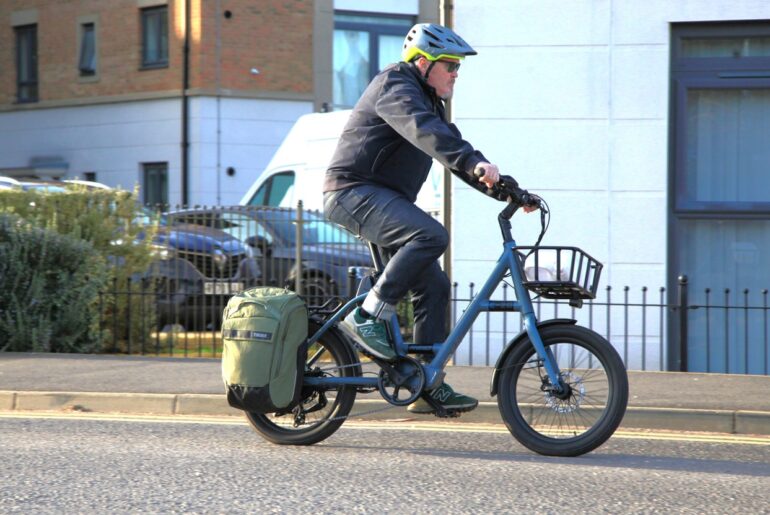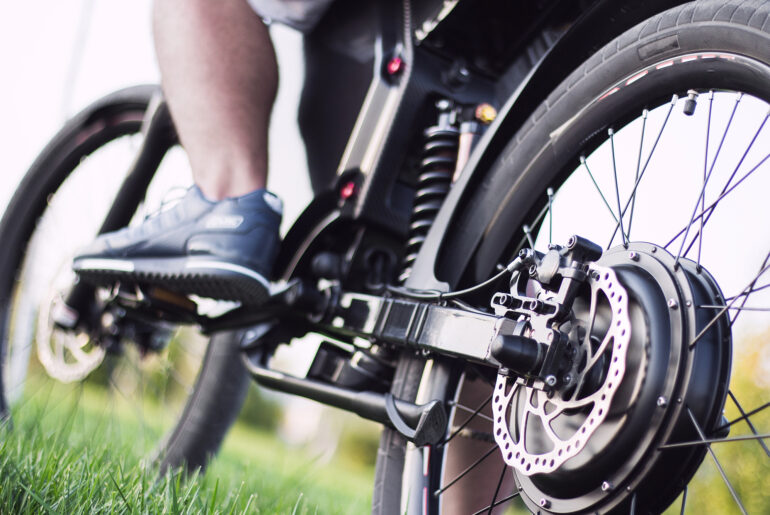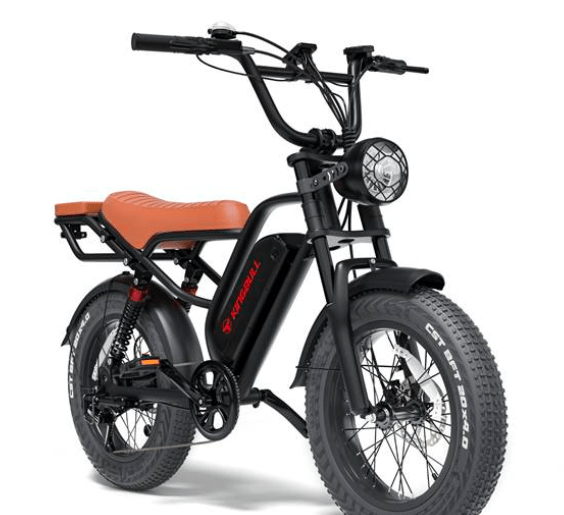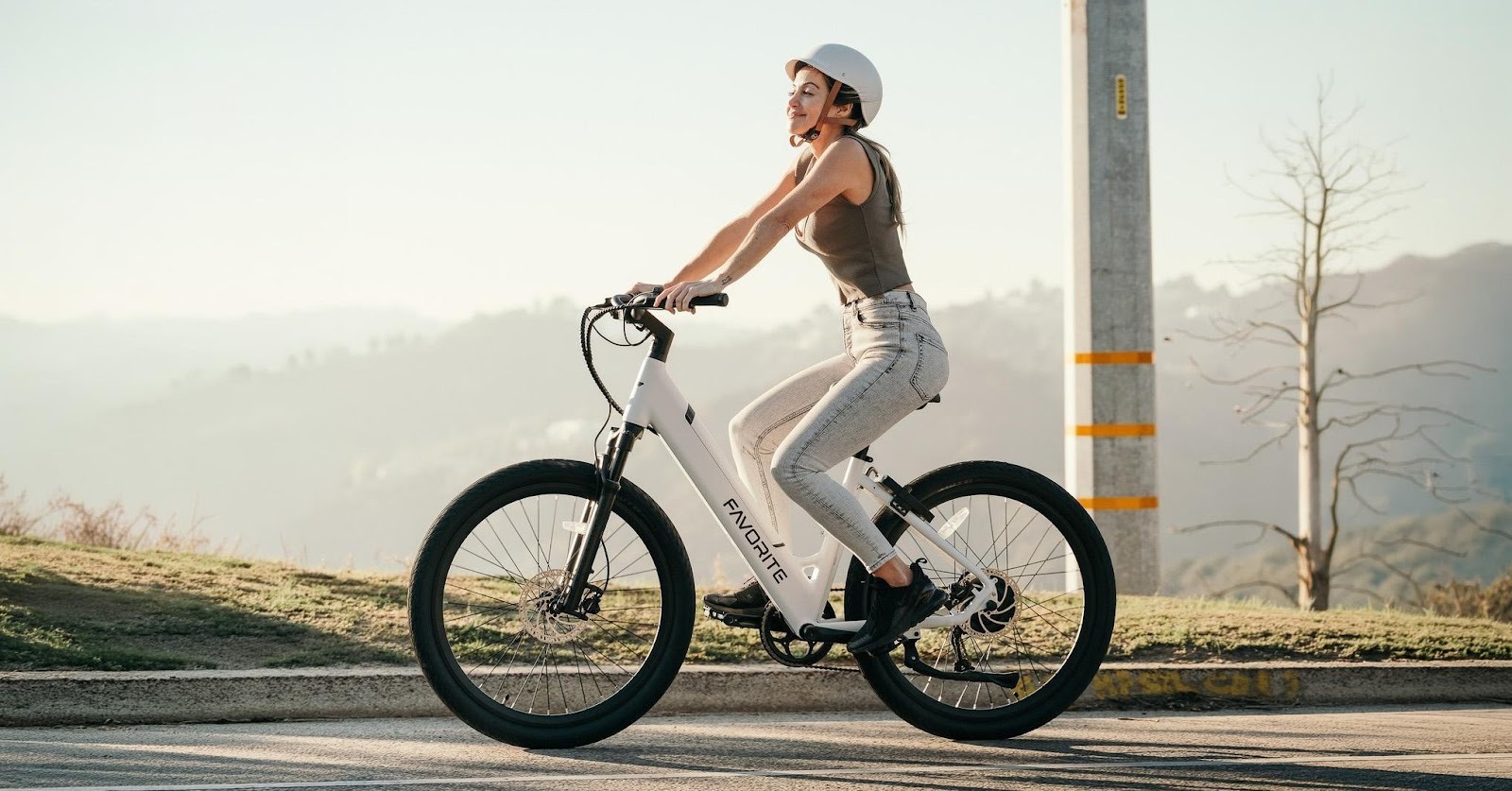
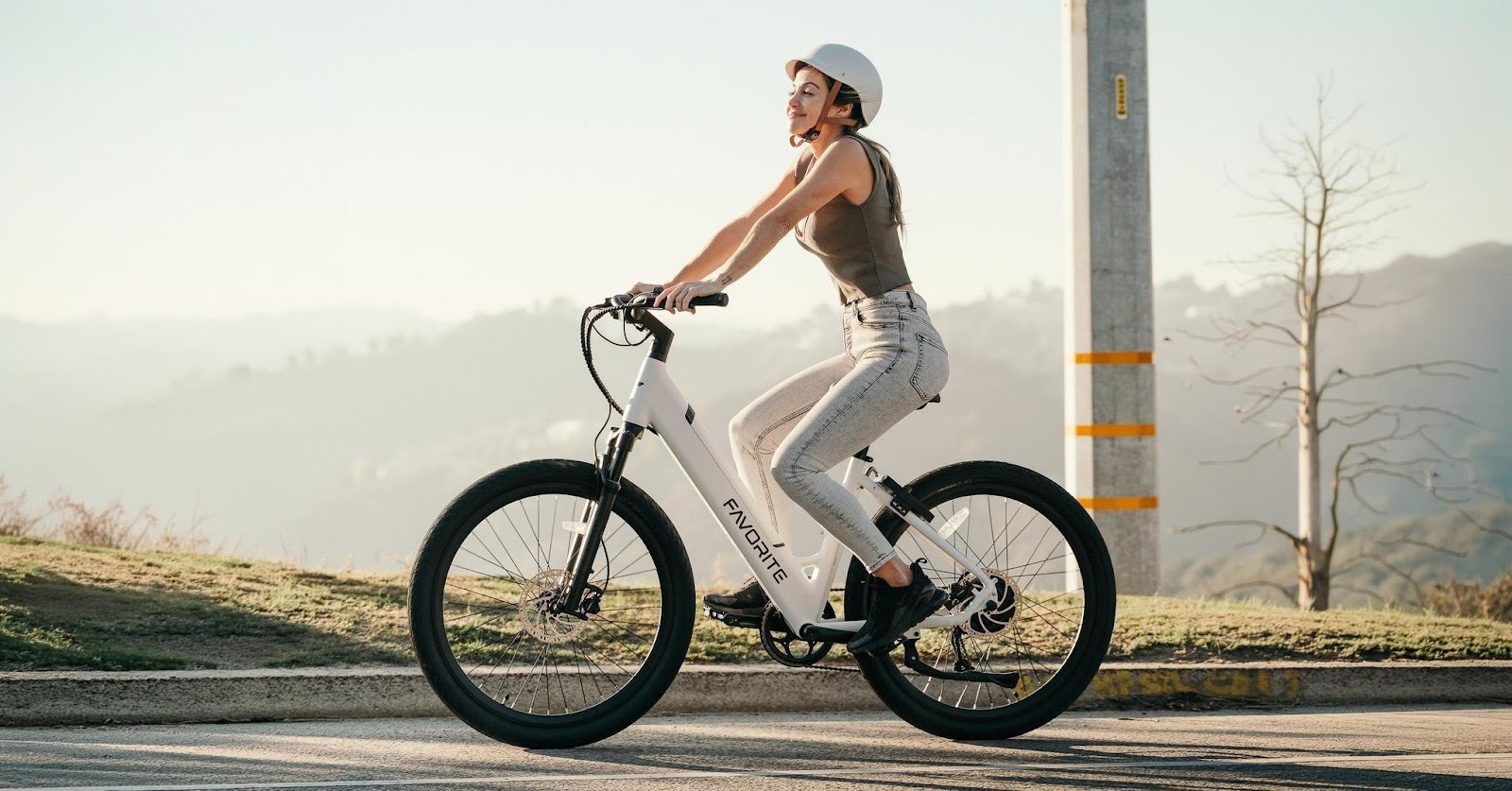
Electric bikes have quietly transformed from a niche gadget into a mainstream fitness tool. Once dismissed as “cheating,” e-bikes are now embraced by athletes, weekend warriors, and anyone looking to stay active without the joint-pounding impact of traditional exercise. As more riders discover the health benefits, e-bikes are reshaping how we think about outdoor fitness.
A Real Workout, With Smart Assistance
The biggest misconception about e-bikes is that they do all the work. Research from Brigham Young University found that e-bike riders achieve roughly 94% of the heart rate elevation of traditional cyclists — while covering significantly more distance. The pedal-assist system doesn’t replace your effort; it extends it. Riders climb steeper hills, tackle longer routes, and ultimately spend more time moving.
A separate study published in the journal Transportation Research found that e-bike owners ride an average of 9.4 kilometers per trip, compared to 4.8 kilometers for traditional cyclists. More distance means more calories burned, more cardiovascular benefit, and more time outdoors.
For older adults or those recovering from injuries, this matters enormously. An e-bike lets you maintain cardiovascular fitness without overloading knees, hips, or ankles. It’s exercise that adapts to your body, not the other way around. Physical therapists are increasingly recommending e-bikes as a low-impact rehabilitation tool for patients recovering from joint surgery or managing chronic conditions like arthritis.
Outdoor Recreation, Reimagined
E-bikes have also opened up trail riding and outdoor exploration to a broader audience. Routes that once required elite-level fitness are now accessible to intermediate riders. National parks and recreation areas across the U.S. are updating their policies to welcome e-bikes on paved and certain unpaved trails — a shift that reflects growing demand from riders of all ages and fitness levels.
Brands like FavoriteBikes have responded to this demand with models specifically designed for versatile outdoor use — combining comfortable geometry, long-range batteries, and durable components suited to both city commutes and weekend trail rides. Their lineup of electric bikes for adults includes options with 60+ mile range and UL-certified safety standards, making day-long adventures entirely practical without compromising on safety.
Battery Range and Fitness Planning
One often-overlooked advantage of modern e-bikes is how battery range enables better fitness planning. With ranges exceeding 50-60 miles on a single charge, riders can plan longer loops through parks, coastal paths, or mountain trails without worrying about running out of power halfway through.
This changes the psychology of exercise. Instead of dreading a grueling uphill return trip, riders can focus on enjoying the ride. Many fitness-focused riders use lower assist levels on flat terrain and save higher levels for challenging climbs — effectively customizing their workout intensity in real time.
The Numbers Tell the Story
E-bike sales in the U.S. have outpaced traditional bicycles in revenue since 2023. The fitness angle is a major driver — gyms are even adding stationary e-bike classes to their schedules. Meanwhile, outdoor recreation spending hit $1.1 trillion in 2024, with cycling as one of the fastest-growing segments.
The demographics are shifting too. According to the National Bicycle Dealers Association, the fastest-growing segment of e-bike buyers is adults aged 45-65 — people who want to stay active but need equipment that works with their bodies rather than against them.
Getting Started
If you’re considering an e-bike for fitness, look for a few key features. Multiple pedal-assist levels let you dial effort up or down depending on your goals for that ride. A battery range that matches your typical route ensures you won’t be stranded. And UL safety certification — which covers the electrical system, battery, and charger — provides peace of mind that your investment meets rigorous safety standards.
Start with shorter rides at higher assist levels and gradually reduce assistance as your fitness improves. Many riders report that within a few weeks, they’re using less assist and covering more ground than they ever did on a traditional bike.
The best part? You’ll actually want to ride it. And that’s the only fitness hack that truly works.