Donut Lab’s Solid-State Claim Sparks Early Criticism
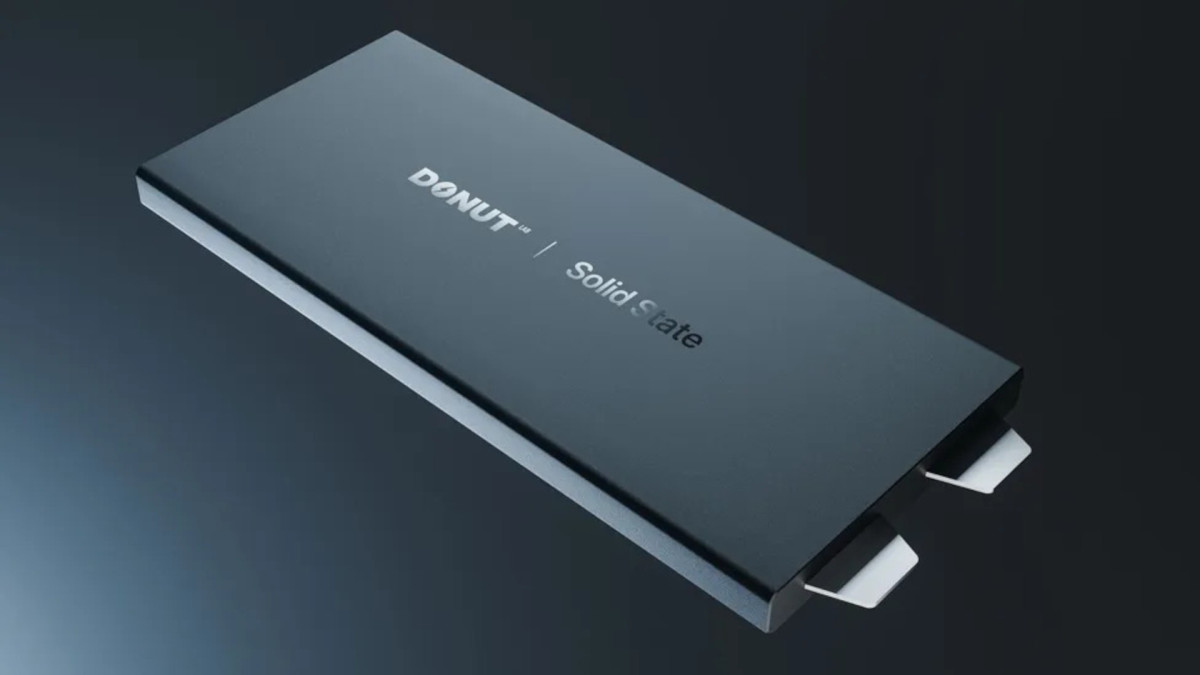
Earlier this year, Finnish startup Donut Lab grabbed headlines after claiming it had developed the first production-ready solid-state EV battery capable of charging in about five minutes. The announcement quickly drew criticism, with some industry observers accusing the company of exaggerating or making misleading claims about its technology.
Those accusations softened after an independent test showed the battery could charge to about 80 percent in 4.5 minutes, backing up the company’s fast-charging claims. But skeptics soon raised a new concern, suggesting the technology might actually be a supercapacitor rather than a true battery. Those allegations ultimately prompted Donut Lab’s latest test, designed to prove the device behaves like a real battery when left idle.
New Self-Discharge Test Targets Supercapacitor Claims
To address the criticism, Donut Lab worked with the Finnish Technical Research Centre (VTT) to test how much energy its battery loses when sitting unused. A cell was charged to around 50 percent and left idle for 240 hours (10 days) while its voltage was continuously monitored at temperatures between 22°C and 28°C.
The results showed the battery retained 97.7 percent of its charge, losing just 2.3 percent over the entire test period. Most of the drop occurred in the first hour due to voltage relaxation, a common effect after charging. Over the remaining nine days, voltage declined only slightly, suggesting the technology behaves like a battery rather than a supercapacitor, which would typically lose charge much faster.
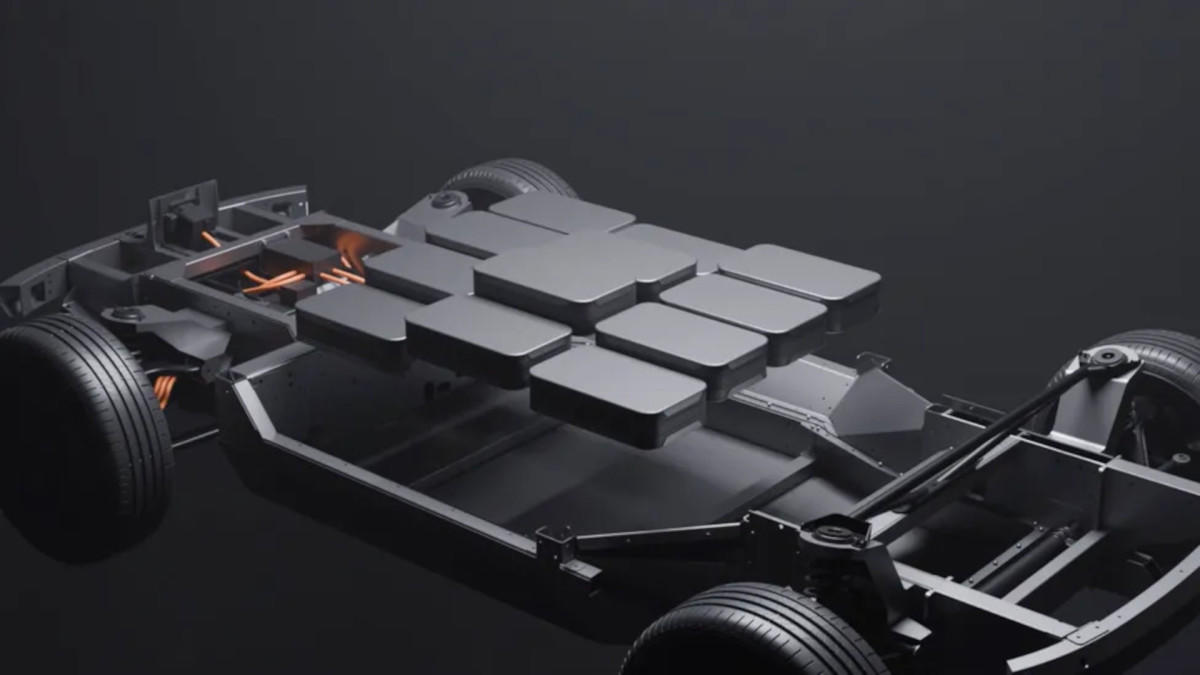 Why Solid-State Batteries Are The EV “Holy Grail”
Solid-state batteries are widely considered the holy grail of EV development because they promise improvements in nearly every area that matters to drivers. Most notably, they could enable extremely fast charging, potentially allowing electric vehicles to recharge in minutes instead of hours.
The technology could also deliver a longer lifespan, a greater range, and improved safety. Some developers believe future solid-state packs could last decades with minimal degradation while enabling vehicles to travel over 600 miles per charge. With these advantages in mind, automakers and battery manufacturers worldwide are investing heavily in the race to commercialize the technology.
JEFF KOWALSKY/AFP via Getty Images
(JEFF KOWALSKY/AFP via Getty Images)Progress Continues Even If Solid-State Takes Time
Despite the hype, many experts believe mass-market solid-state batteries are still several years away. Scaling production, controlling costs, and ensuring long-term durability remain major technical challenges before the technology can be widely deployed.
Meanwhile, improvements in current lithium-based batteries continue to deliver meaningful gains in charging speed and performance. Even with EV demand cooling slightly in some markets, the long-term shift toward electrification remains strong. With fuel prices often volatile, advances in battery technology suggest the industry is steadily moving closer to a tipping point for broader EV adoption.
This story was originally published by Autoblog on Mar 11, 2026, where it first appeared in the News section. Add Autoblog as a Preferred Source by clicking here.