

On the Dash:
New-vehicle prices are rising above long-term averages, but most volume is in segments below the $50,000 industry average.
EV prices are moderating while incentives are increasing, creating opportunities for dealers to promote EV adoption.
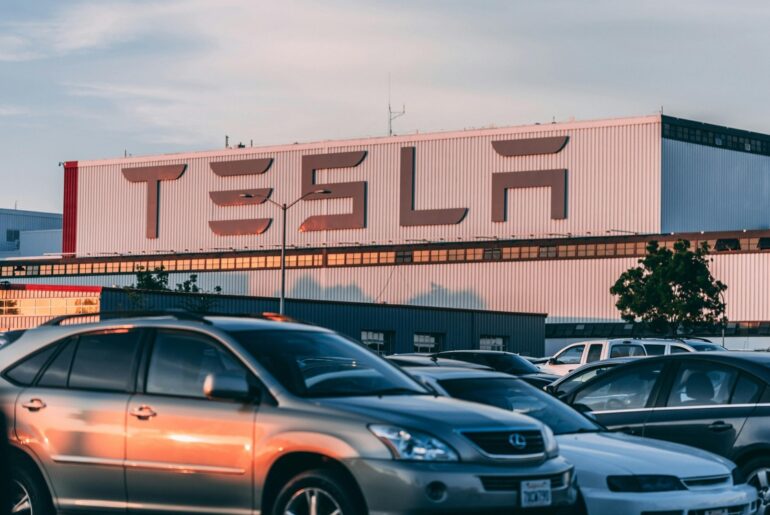
Tesla sales show relative strength amid broader EV declines, indicating brand-specific demand resilience.
According to a recent Kelley Blue Book report, new-vehicle prices accelerated in February as market sales rebounded from a slow January.
Average transaction prices (ATP) rose modestly month over month and jumped notably year over year, while sales incentives increased slightly from January but remained near year-ago levels.
The February ATP for a new vehicle was $49,353, up 3.4% from one year earlier and 0.3% from January. Over the past three years, the average annual ATP increase has been 0.9%, making February’s gain well above recent averages. The average new-vehicle MSRP was $51,440, marking the 11th consecutive month above $50,000 and up 3.5% from a year ago. Incentives averaged 6.9% of ATP, up from 6.5% in January, with luxury vehicles and compact SUVs receiving the largest packages and high-performance cars and full-size SUVs receiving the lowest.
Segment Performance:
Midsize SUVs: ATP $50,148, up 3.5% year over year.
Compact SUVs: ATP $36,807, up 1.6% year over year.
Full-size pickups: ATP $66,157, up 2.9% year over year.
Subcompact SUVs: ATP $30,836.
Compact cars: ATP $27,341.
The top five segments average roughly $44,000; excluding expensive pickups, the average drops to about $39,000.
In February, EV ATPs decreased to $55,300, a 1.4% decline year-over-year and a 0.6% drop from January. Incentives for EVs grew to 14.2% of ATP, more than doubling the industry average. Tesla’s ATP increased by 3.0% to $53,821, despite an 8.9% decrease in sales to 38,500 units, still surpassing the overall EV market, which experienced approximately a 26% decline in sales year-over-year.
Erin Keating, executive analyst at Cox Automotive, suggested that the February price increase reflects normalization rather than price volatility, noting that most vehicle volumes remain below the $50,000 industry average.