A leading lawyer representing clients injured by electric hire bikes in London says “the law doesn’t do a good enough job” of protecting everyone who uses or interacts with them.
E-bikes have rapidly become a familiar sight on UK roads, with hire schemes such as Lime Bikes, and Forest Bikes, making cycling more accessible. However, these heavier, faster bikes have also led to a rise in serious collisions involving both riders and pedestrians.
Last year, a report by London Centric suggested that one in 10 Lime bikes may have dangerous mechanical issues, including in some cases malfunctioning brakes. While that report was fairly limited in that it only examined 50 e-bikes to come to the conclusion that 12 per cent should not be in use, the injury claims against Lime have once again brought the discussion around maintenance of hire bikes into the spotlight.
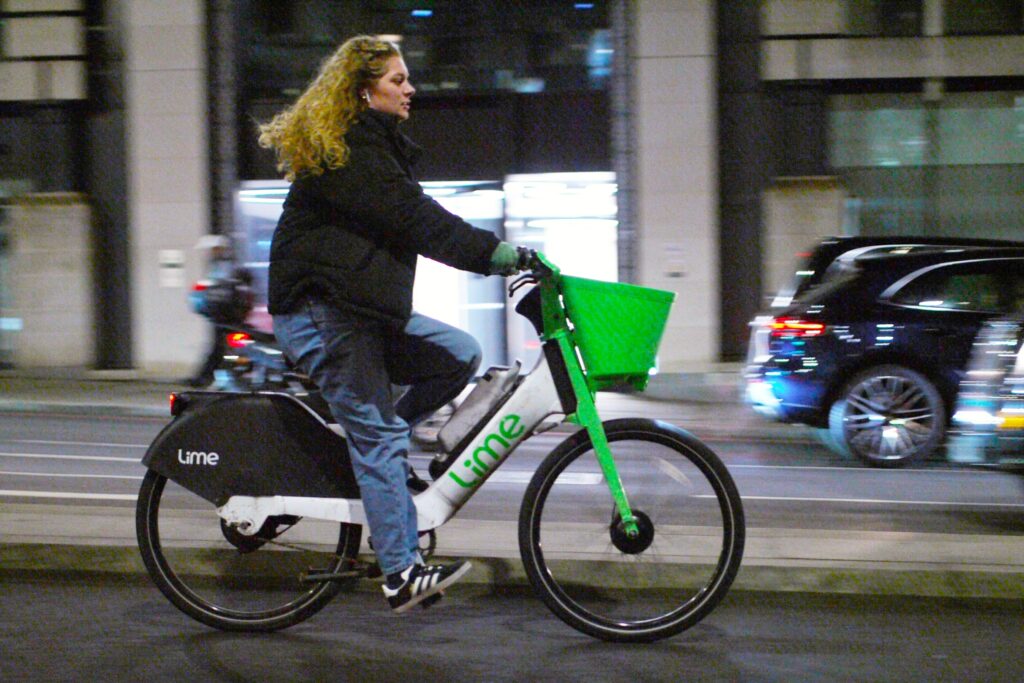
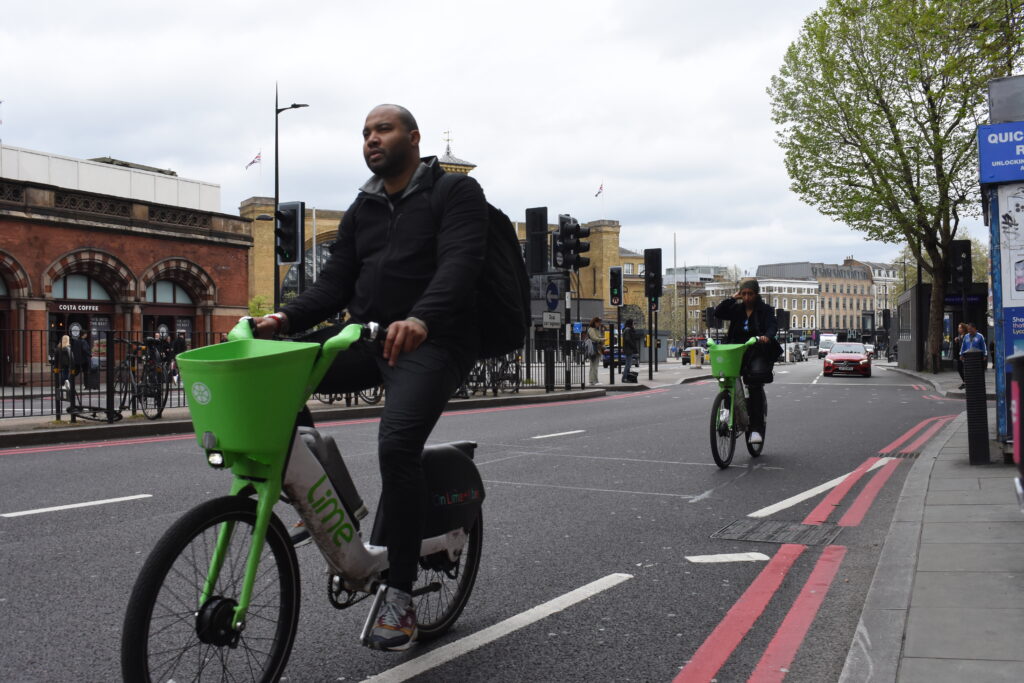 Lime Riders 1.JPG (Image Credit: Farrelly Atkinson)
Sam Collard, partner at Osbornes Law and lead solicitor for cycling accidents, told ebiketips that last year’s reporting led to a surge in injury enquiries to an unprecedented level that has sustained. Osbornes Law previously told The Standard that they were being approached by around 10 Lime bike cyclists a month, with roughly two of those cases severe enough to be taken on.
“There are a hell of a lot of Lime bikes,” Osborne says. “It’s inevitable that some will be defective, but I don’t know if there’s something more sinister.
“We’ve had cases of defects, one client had his seat fall off mid-ride. Wheels have locked, brakes don’t work. I know from these stories that Lime insist they maintain their fleet. [Defects] might be inevitable due to the size of the fleet, or a faulty inspection regime.”
“[The injuries] are a combination of the heavy weight of Lime compared to non-electric standard bikes, and then anyone can hire them, they’re not used to them. A relatively low speed accident where the bike lands on top of you is causing quite nasty injuries and broken limbs in some cases.”
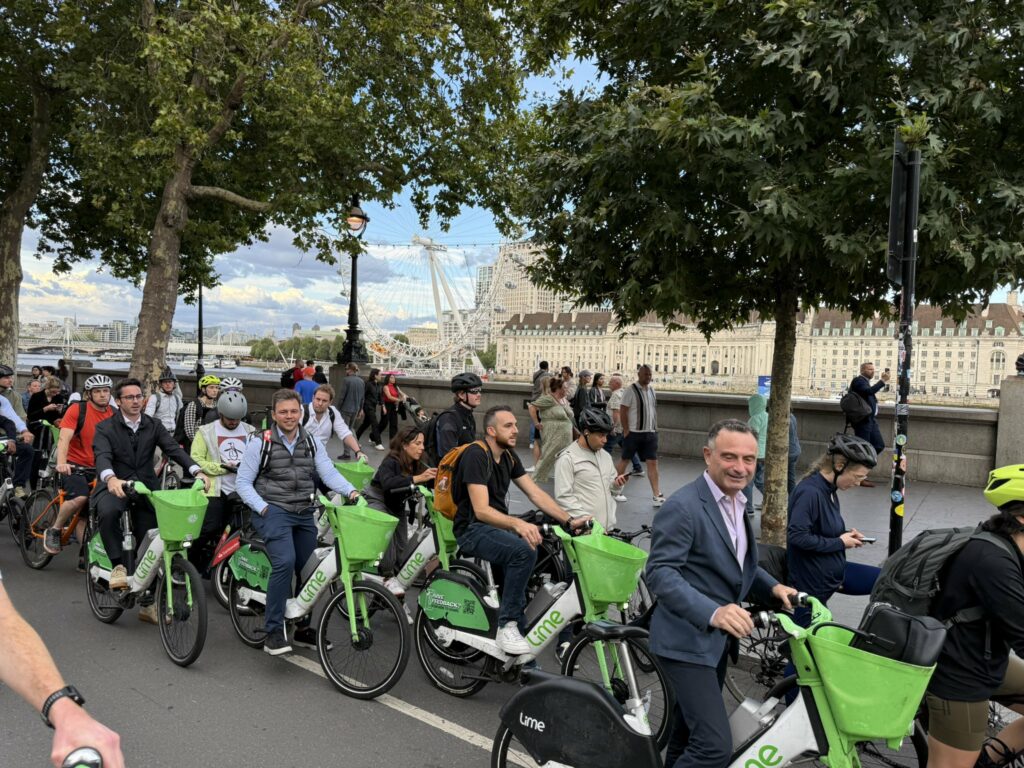 cyclists-london-during-tube-strike-3.jpg (Image Credit: Farrelly Atkinson)
However, whilst Collard suggested there could be shortcomings in the duty of care provided by the hire bike providers, the safety risks are being exacerbated by out-of-date legislation governing e-bike provisions. Last month, Transport for London announced new regulations aimed at tightening the rules around pedal cabs. This included each cab driver passing a safety test, and holding at least a driving theory test certificate. A new licensing system was also introduced coupled with fare caps.
Collard suggests that new legislation could codify a duty of care or certain safety precautions, identifying that whilst Lime offer third-party insurance to all e-bike users, other providers don’t.
“E-bikes are very new, the legislation we have doesn’t cope with them. You don’t need a special license or training but they’re very different and more powerful than normal bikes. We need more rules and legislation to provide better protection to both riders and other road users (other cyclists and pedestrians).
“We’re also seeing a surge in cases of pedestrians being hit by electric hire bikes and the law doesn’t do a good enough job of dealing with these cases.”
A Lime spokesperson previously told The Standard they “are saddened to hear about these incidents and our thoughts are with those impacted. Safety informs everything we do at Lime – from how we design and maintain our vehicles, to our rider education, and how we work with cities.
Osbornes Law are also the legal partner of the London Cycling Campaign, and Collard says that the sudden growth in Lime bike use is “something they’re adapting and getting used to,” identifying that the traditional cycling community may be distinct from the wider community of people using the electric hire bikes to commute around the city.
But he added that it’s not a contradiction working for cycling campaigners and taking legal action against hire bike providers, noting that “Most of our work with Lime Bikes is still to act on behalf of cyclists.
“The LCC’s campaigning for safer cycling is core to their mission, and their work with local councils is often specific to junctions that benefits everyone, regardless of whether they know the LCC or not.”
> Lime bike boss proposes adjusting traffic lights “to reward safe cyclists”