3 min readNew DelhiMar 10, 2026 10:31 AM IST
Under its upcoming policy for electric vehicles, the Delhi government is planning to extend the exemption of road tax and registration fees benefits, which are currently in place for battery electric vehicles (BEVs), for strong hybrid electric vehicles (HEVs) and plug-in hybrid electric vehicles (PHEVs) with an ex-showroom price of up to Rs 20 lakh, according to officials privy to the details.
But what are HEVs and PHEVs?
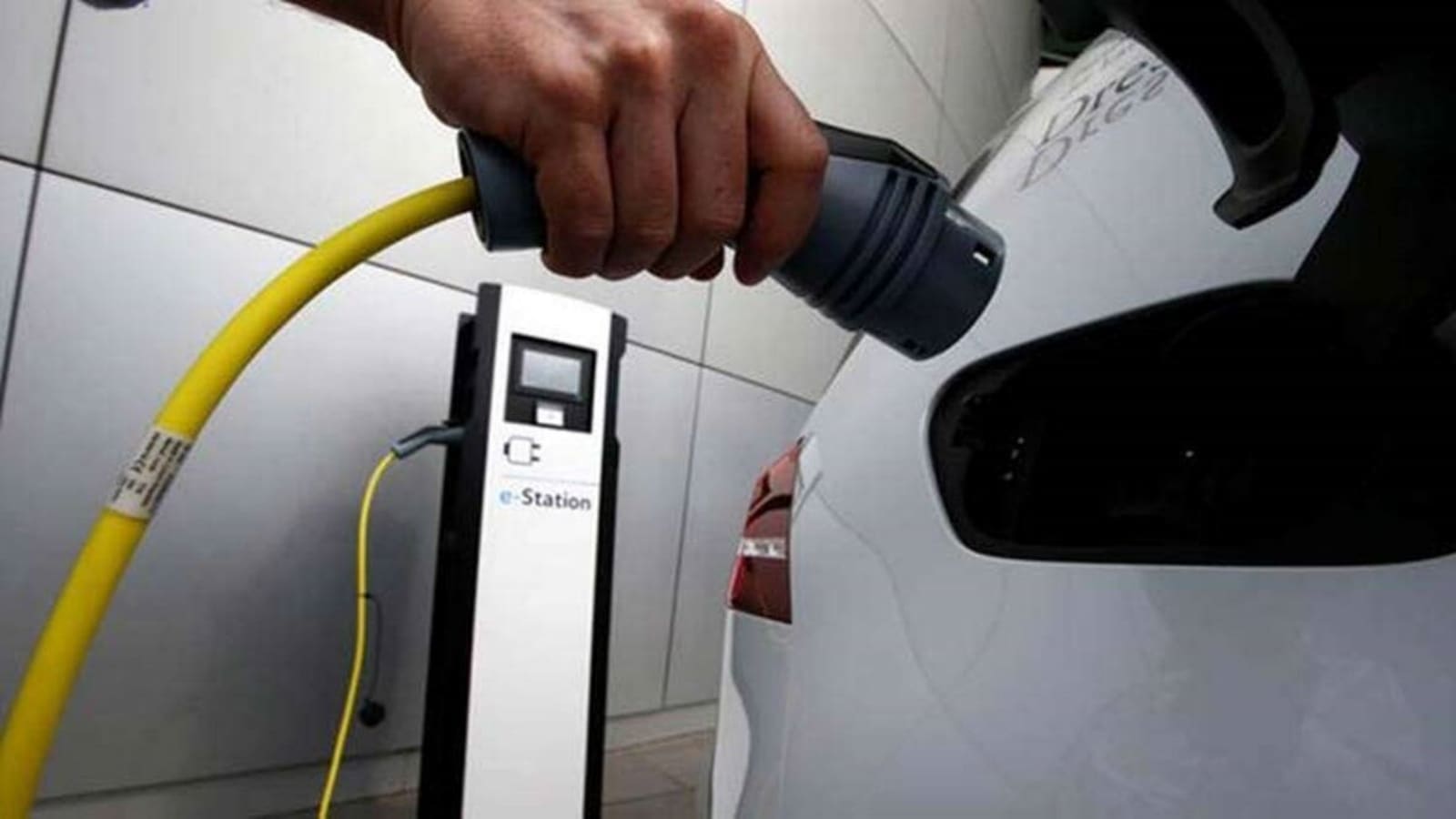
Strong hybrids and plug-in hybrids are vehicles that combine a conventional internal combustion engine with an electric motor and battery. However, the two differ in how the battery is charged and how far the vehicle can run on electricity. A strong or full hybrid vehicle can run on a petrol engine, an electric motor, or a combination of both. At low speed, for example while traversing through the city traffic, the vehicle can operate only on electric power for short distances. The battery is charged internally through regenerative braking, which recovers energy during braking, and by the engine itself.

An engine gives the best performance when a vehicle is driven at constant speed. The electric motor assists the engine in such vehicles, and helps run it at a constant speed. So these vehicles — while navigating the city traffic — typically offer higher fuel efficiency than conventional petrol or diesel vehicles. According to NITI Aayog’s e-Amrit portal, a PHEV starts in all-electric mode and makes use of electricity until the battery pack is depleted. Once the battery gets drained, the engine takes over, and the vehicle operates as a conventional, non-plug-in hybrid. HEVs and plug-in HEVs reduce emissions by about 30-40% compared to Internal Combustion Engine (ICE) vehicles, according to experts. However, considering that vehicular pollution is a major contributor to air pollution in the Capital, this is not a lot, experts say.
Moushumi Mohanty, Head of Electric Mobility at Delhi-based think tank CSE points out that this may be a bid by the government to expand the definition of electric vehicles from BEVs to HEVs and plug-in HEV, which will expand the subsidy bill of the government.
“This does not serve any policy objective since it is not encouraging the consumer to switch to an alternative fuel. The government policy should not be short sighted. Especially in a city like Delhi, these vehicles will continue to contribute to emissions like PM 2.5, PM 10,” says Shyamasis Das, Fellow , the Centre for Social and Economic Progress (CSEP).
Expand


Stay updated with the latest – Click here to follow us on Instagram
© The Indian Express Pvt Ltd