
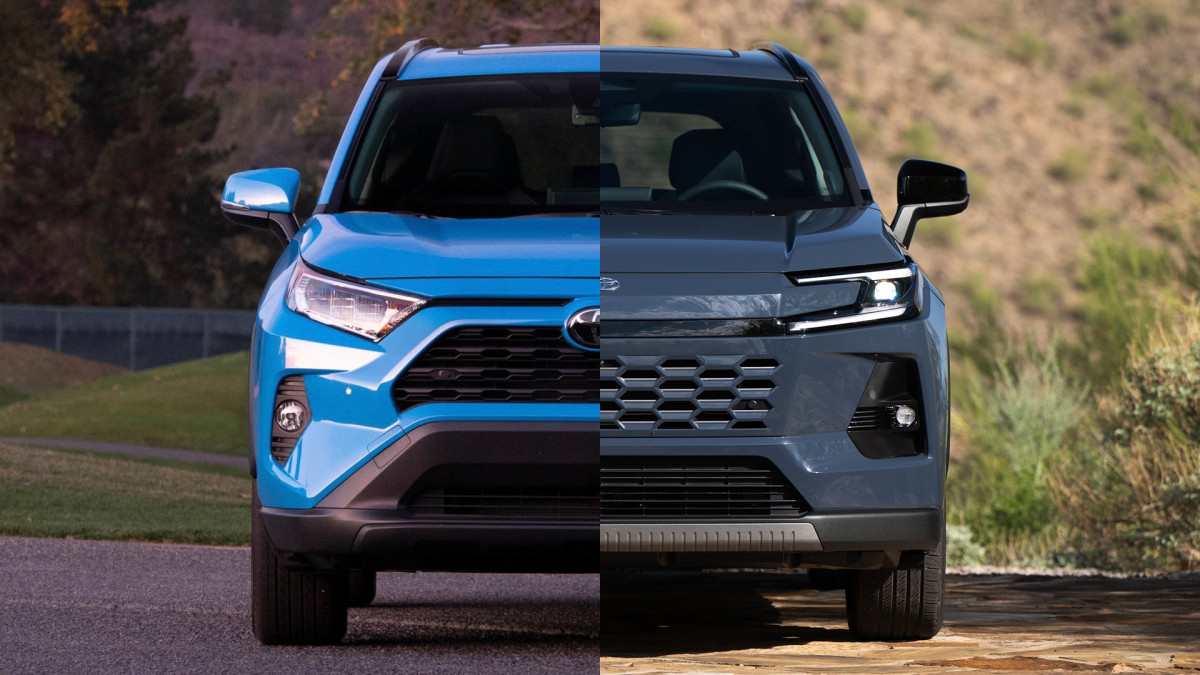
Two generations of America’s favorite crossover
The Toyota RAV4 is the Japanese manufacturer’s best-selling model in the United States. For most people, it strikes the perfect balance between practicality, comfort, performance, and value. If you’re looking to get a new or lightly used RAV4, you may be struggling to choose between the 2025 RAV4 and the all-new 2026 RAV4. As these represent two different generations of the crossover, they’re more different than you may think. Here’s everything you need to know.
Related: Toyota RAV4 Generations Overview: Evolution Of The Crossover Pioneer
Fifth Vs. Sixth Generations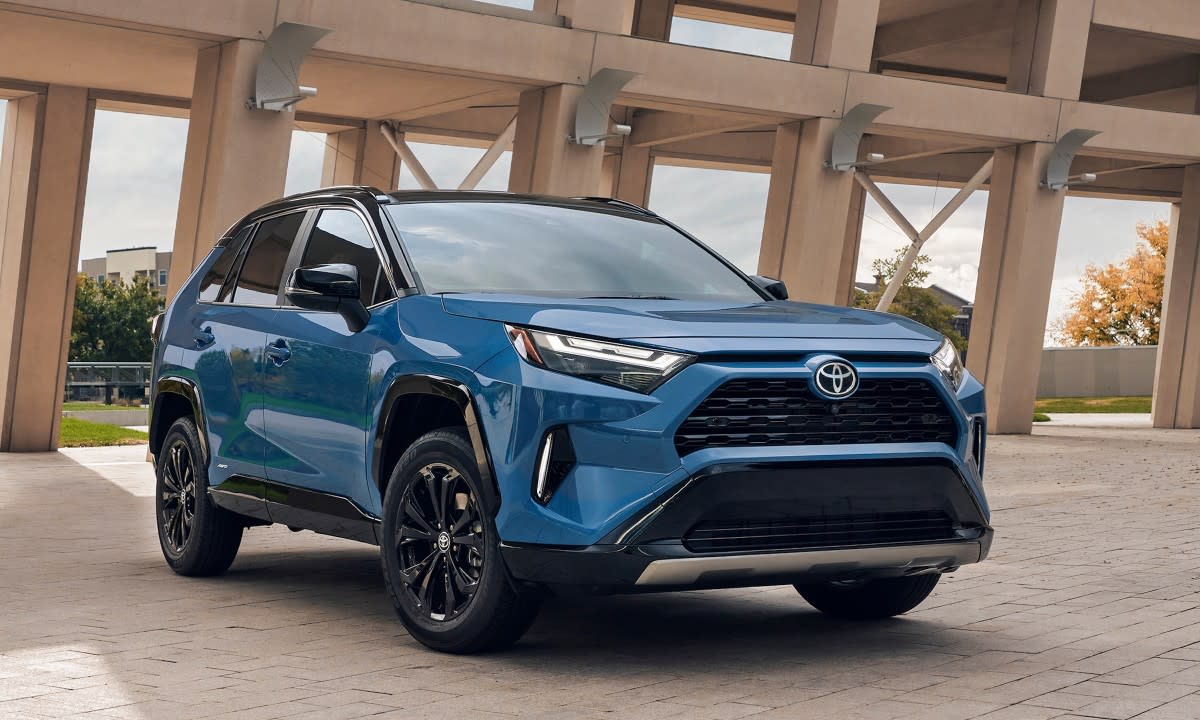
2025 Toyota RAV4 Hybrid
Toyota
View the 2 images of this gallery on the original article
The 2025 RAV4 was the last of the fifth-generation model, whereas the 2026 model is the first of the all-new sixth generation. This is the fundamental difference between the two. What hasn’t changed much is the size, as the new one is similar to the outgoing model. They both also ride on Toyota’s TNGA platform and derive power primarily from a 2.5-liter four-cylinder engine. Beyond these similarities, there’s a lot that has changed for 2026.
Design and Size: Sharper Looks, Same Footprint For New RAV4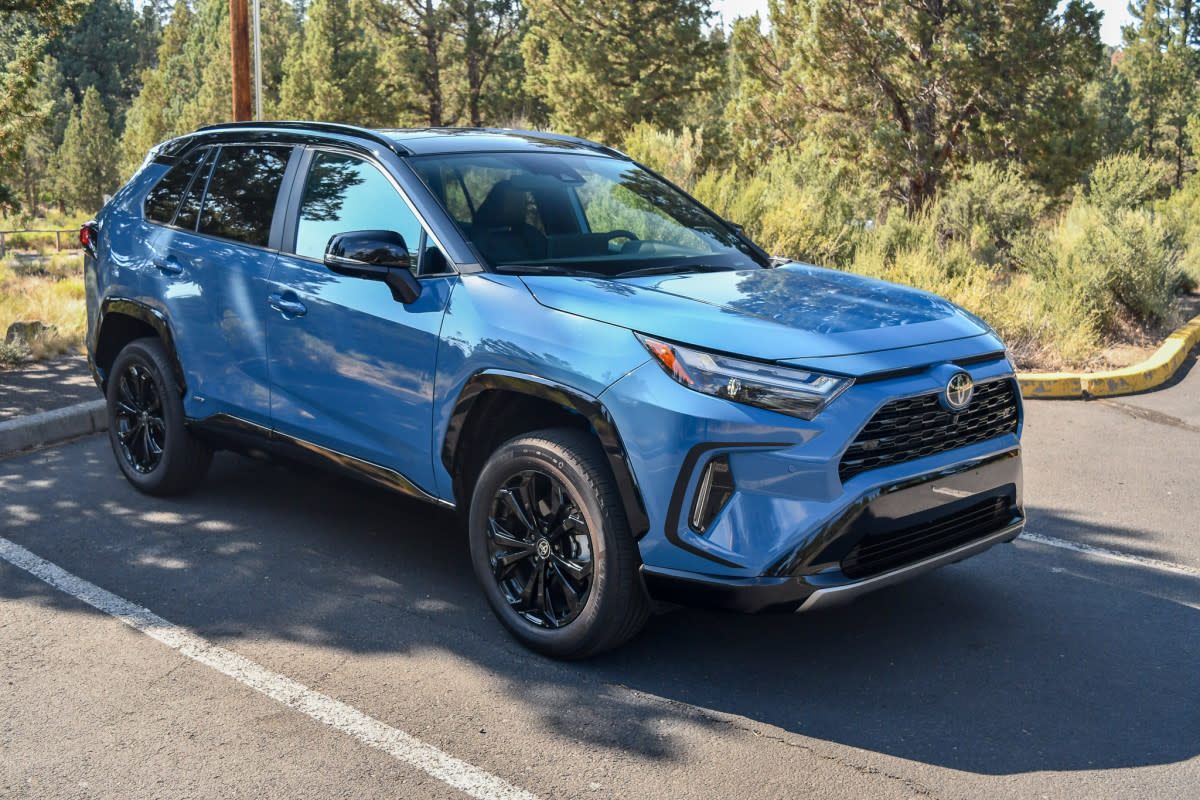
2025 Toyota RAV4 XSE
Kristen Brown
View the 4 images of this gallery on the original article
The 2025 Toyota RAV4’s redesign marked quite a change when it arrived in 2018. It’s much more angular and aggressive than the rather forgettable fourth-gen model, and still looks quite fresh today. The sixth-gen model gets a new grille, more distinctive trim options, wraparound headlights, and a neater rear fascia. Both share square wheel arches with rugged fenders, but most would agree the new one looks best.
As you can see, the dimensions are identical in most respects. The new RAV4 Woodland is slightly wider (182 inches) and taller (74 inches), though, being the most rugged derivative in the lineup. If the older RAV4 was the right size for your needs, the new one will be, too.
Interior Layout and Space: 2026 RAV4’s Tech Stands Out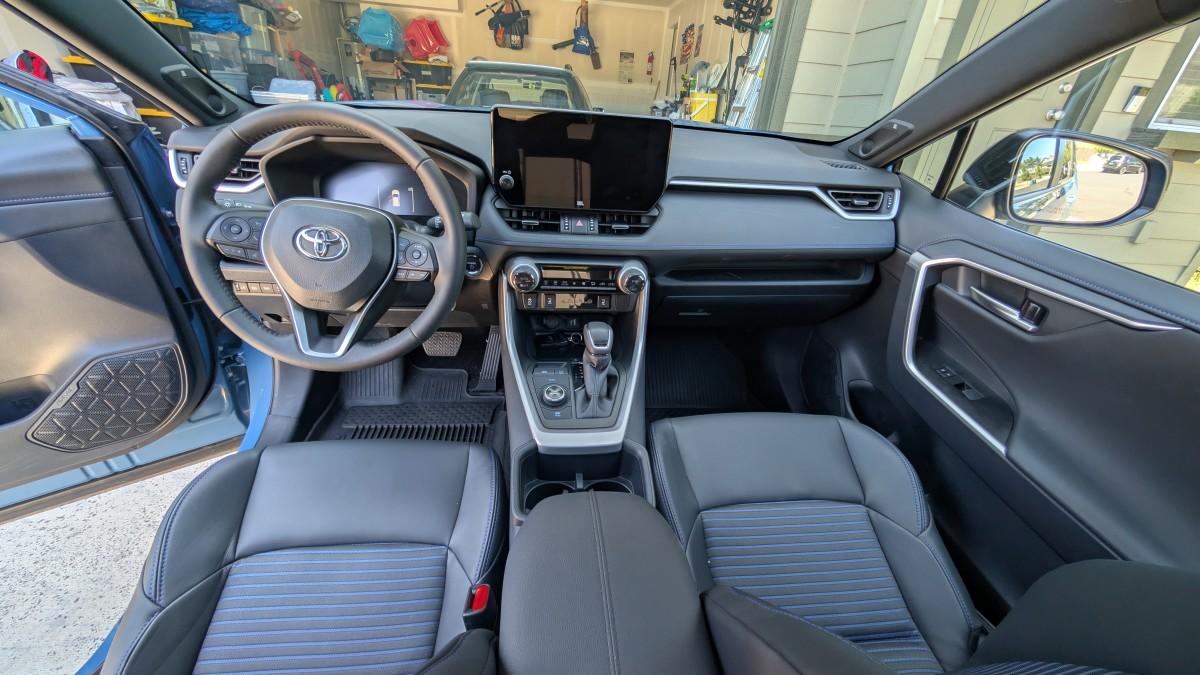
2025 Toyota RAV4 XSEKristen Brown
(Kristen Brown)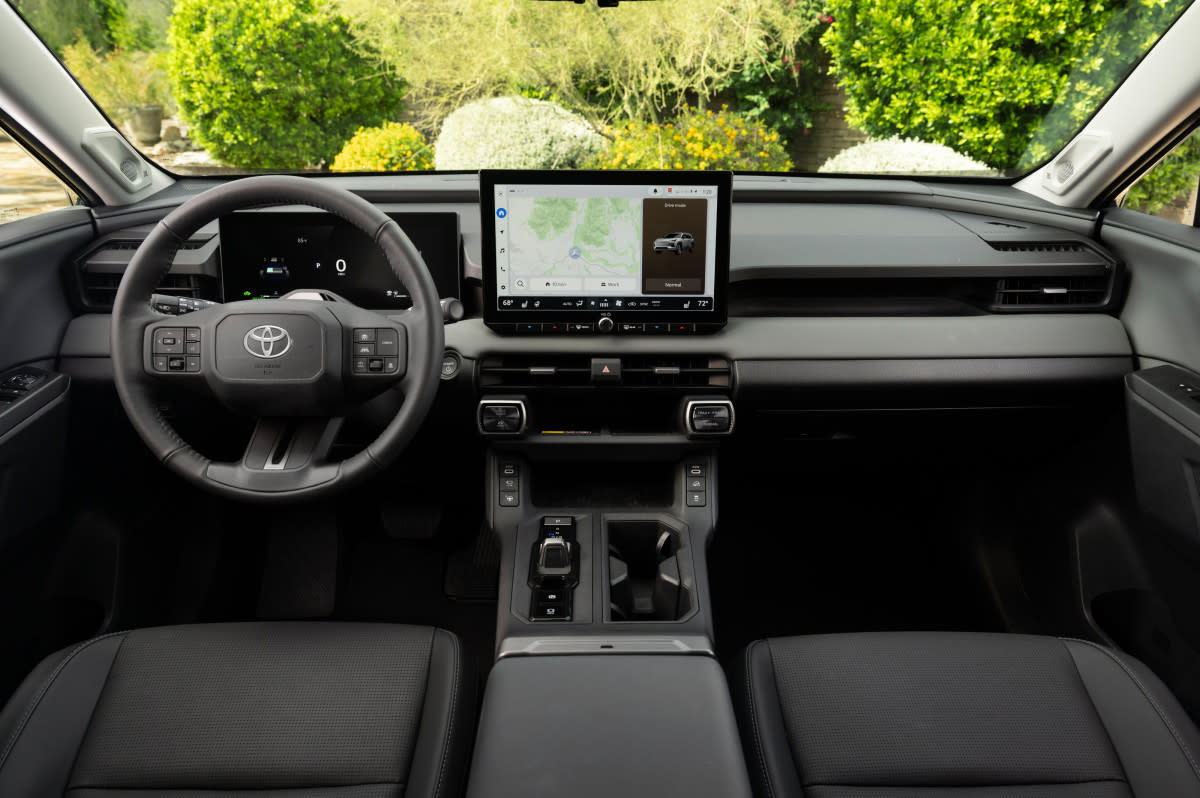
The 2025 and 2026 RAV4s both have straightforward interior designs with ample space and durable materials. In the older model, an eight-inch touchscreen is standard, making way for a 10.5-inch unit on upper trims. The lower-end models do feel rather basic, lacking items like a leather-wrapped steering wheel and featuring simple cloth seats.
The 2026 model leans deeper into tech with its standard 10.5-inch display or 12.9-inch unit on upper trims. All versions have a 12.3-inch digital gauge cluster, something that only the top 2025 Limited trim had. In our first drive of the 2026 RAV4, we commended the new multimedia system. The graphics look better, it loads up quickly, and it’s simple to operate. If you’re into tech, you’ll definitely prefer the 2026 model.
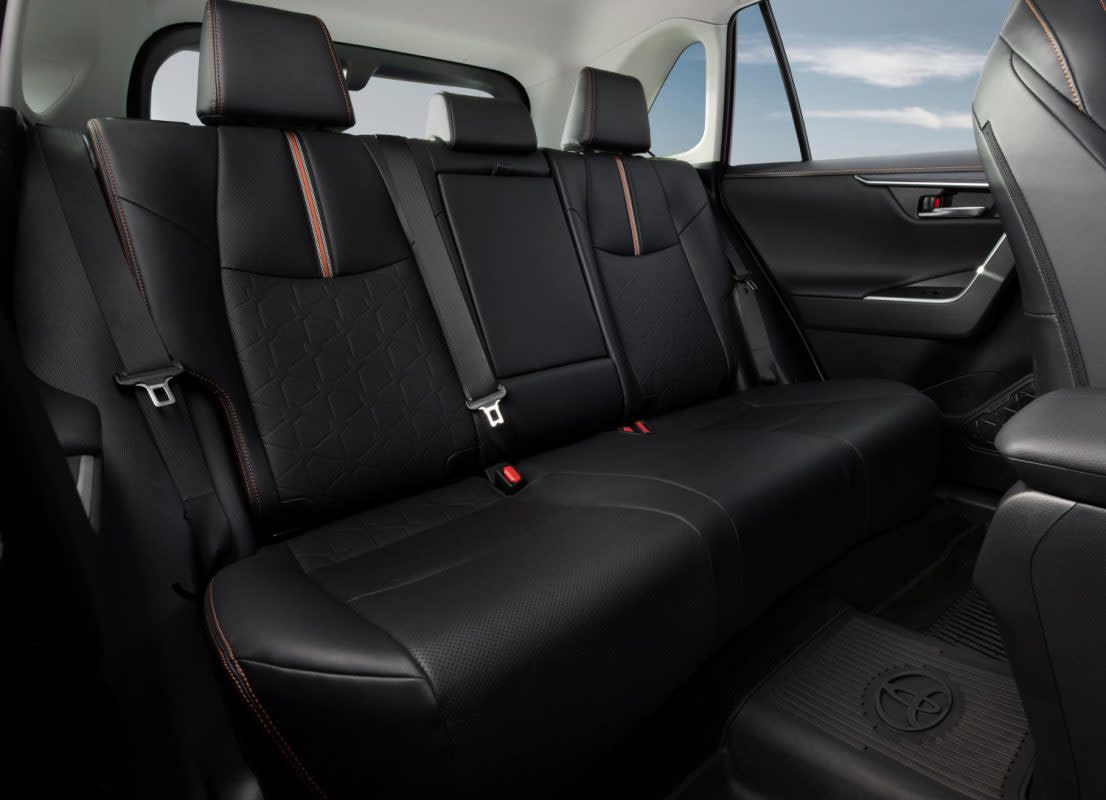
2025 Toyota RAV4 back seatToyota
(Toyota)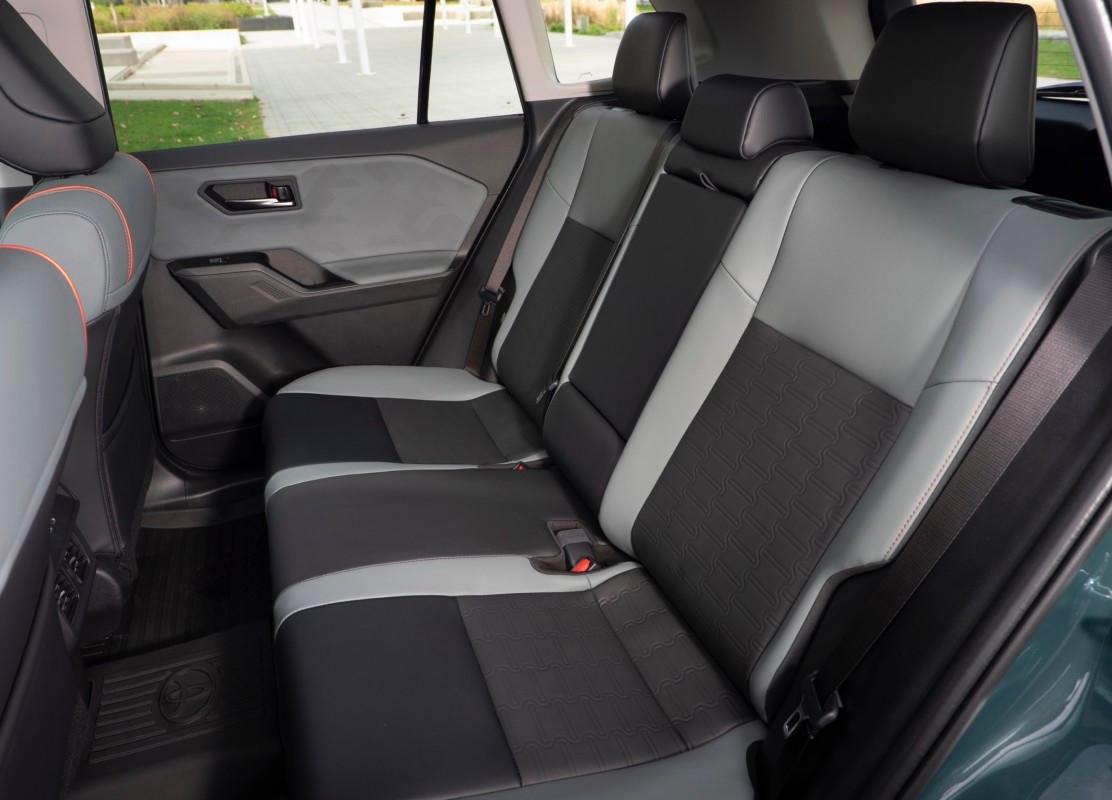
2026 Toyota RAV4 back seatToyota
(Toyota)
Given the similar exterior dimensions, it comes as no surprise to find that the two RAV4s have almost exactly the same amount of interior space. Headroom and legroom are much the same as before, which is no bad thing, as even taller passengers will be fine at the back.
Cargo space is 37.5 cubic feet in the 2025 model and 37.8 in the new one, a difference nobody will be able to pick up visually. However, the 2026 version does have a new rear seatback that folds flat, freeing up even more total cargo space (70.4 to 69.8 cubic feet), and the available hands-free power liftgate has an expanded detection area on the new RAV4.
Performance and Efficiency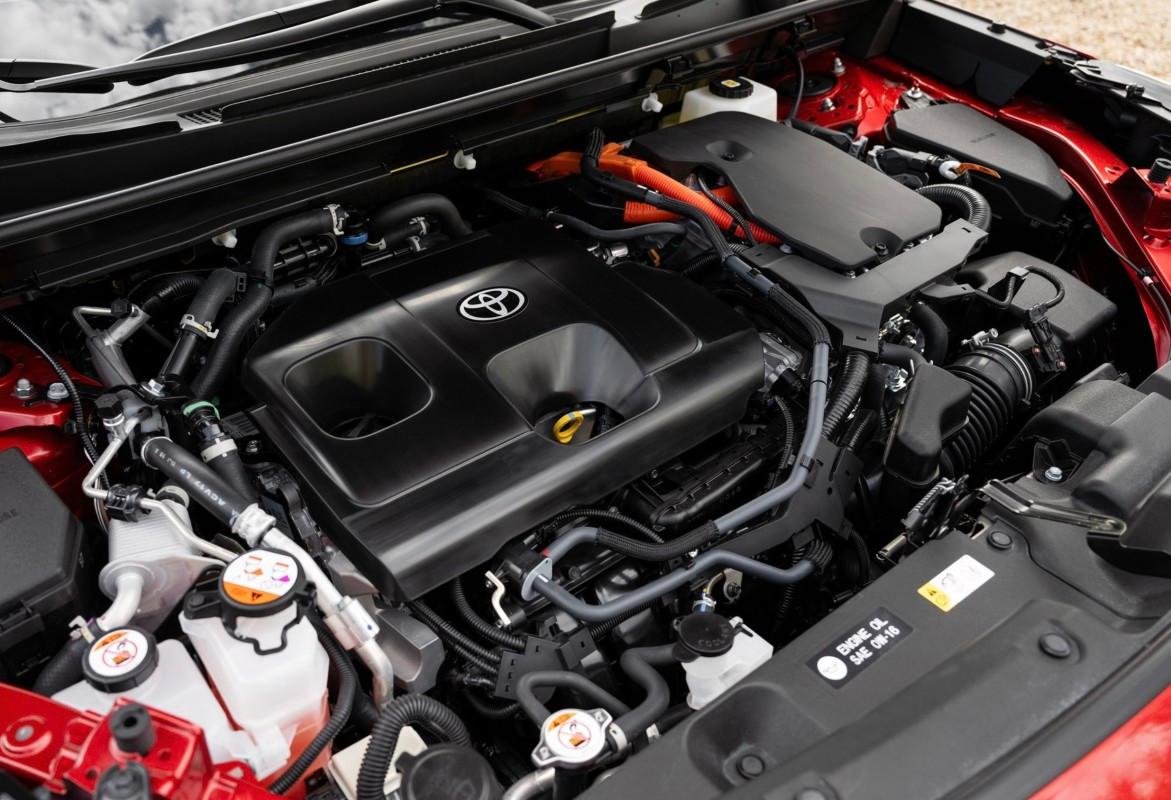
2026 Toyota RAV4Toyota
(Toyota)
If reliability matters more to you than efficiency and you aim to keep your RAV4 for a long time, you might prefer the 2025 model. It’s the only one with a non-hybrid powertrain as standard, which should simplify maintenance at higher mileage. However, hybrid and plug-in hybrid models are also available. The 2026 RAV4 drops the non-hybrid engine, so all variants are now hybrids or plug-in hybrids. Here’s how they match up.
Not only is the 2026 RAV4 more powerful, but it’s also 5 mpg more efficient on the combined cycle, when comparing FWD Hybrid models. The new RAV4 PHEV is also more efficient, and its all-electric range has increased from 42 to as much as 52 miles. There’s also a new GR Sport version of the RAV4 PHEV, which wasn’t available on 2025 models. This variant gets retuned steering that, together with its extra power, makes it even more enjoyable to drive.
Related: I Drove The 2026 Toyota RAV4 GR Sport Plug-In Hybrid, Here’s My First Drive Review
2026 RAV4 vs 2025 RAV4: Trims and Pricing
View the 3 images of this gallery on the original article
The 2025 RAV4 started at $28,850 when it was last on sale, while the RAV4 Hybrid was priced from $31,900 and the PHEV at $43,865. For the all-new RAV4, expect to pay $31,900, which is actually great value since it’s now standard with the hybrid. Surprisingly, the new PHEV is cheaper than before at $41,500.
In total, there were 17 variants of the 2025 RAV4 (including all trim and powertrain options), while the 2026 model is down to 13 variants, mainly because the non-hybrid model is gone. Trim levels are similar, with the main changes being the addition of Woodland and GR Sport variants for the 2026 PHEV.
Related: 2026 Toyota RAV4 PHEV Gets More Power — and a $3,000 Price Cut
Final Thoughts
Unless the thought of driving a hybrid puts you off, there’s no reason not to consider the newer 2026 RAV4. It’s got a fresh design, inside and out, and the hybrid powertrains are more powerful and efficient. The technology is more seamless without being overly complicated, and the greater distinction between the trim levels is appreciated, too.
All that being said, you can save thousands by going for a lightly used 2025 RAV4. There’s a reason it was still the best-selling crossover in its class at the end of its life, and resale values will be strong. But, if you can stretch to it, the 2026 RAV4 is well worth the upgrade.
Related: Toyota’s RAV4 Is So Popular It’s Becoming a Problem
This story was originally published by Autoblog on Mar 8, 2026, where it first appeared in the Features section. Add Autoblog as a Preferred Source by clicking here.