Horsepower is supposed to be one of the simplest specifications on a car. For decades, buyers have used it as a quick shorthand for performance. More horsepower generally meant a faster vehicle, and comparing engines across brands was usually straightforward. But as electrified powertrains have become more common, the way that number is calculated has become far less simple.
Hybrid and plug-in hybrid vehicles combine power from gasoline engines and electric motors, and the way those outputs are measured together can vary depending on regulatory standards and testing procedures. That means the number printed in a brochure or attached to a model name doesn’t always reflect a mechanical change under the hood. In some cases, the number itself can change even when the hardware remains identical.
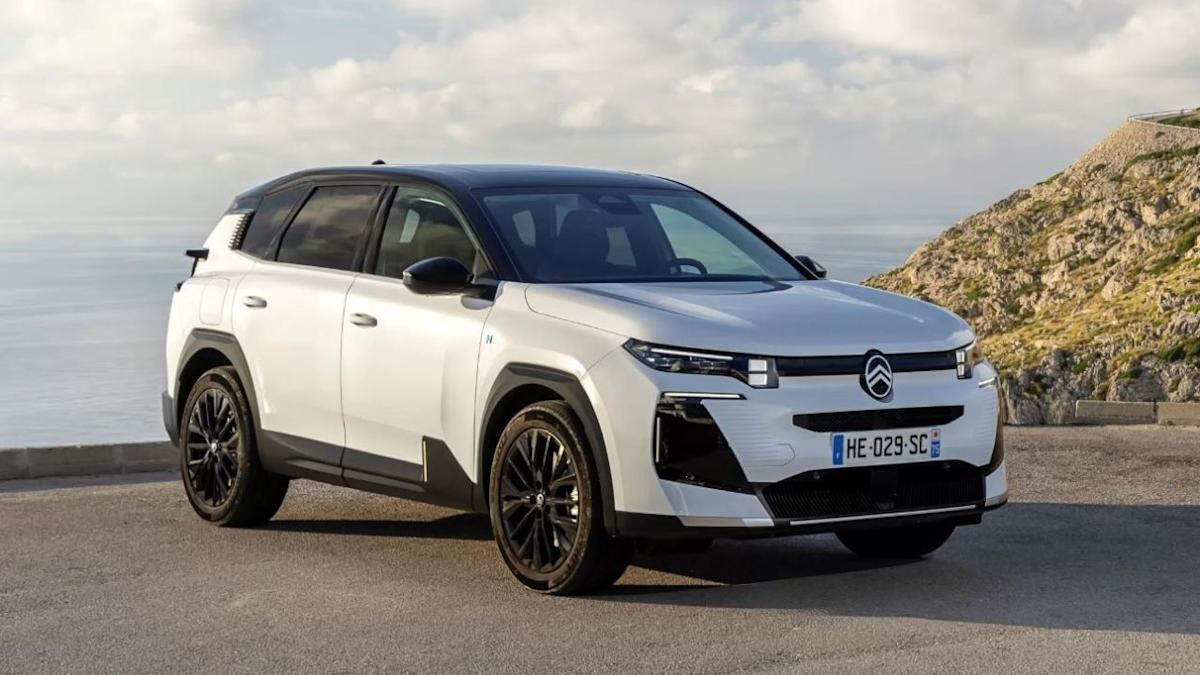
That is exactly what just happened with the Citroën C5 Aircross plug-in hybrid. Citroën recently updated the model’s designation from “195” to “225,” effectively adding 30 horsepower on paper even though the engine, electric motor, and battery system remain unchanged. While the C5 Aircross itself is not sold in the United States, the reason behind the change highlights a broader industry shift that affects how many electrified vehicles around the world report their power figures.
Why the Power Rating Changed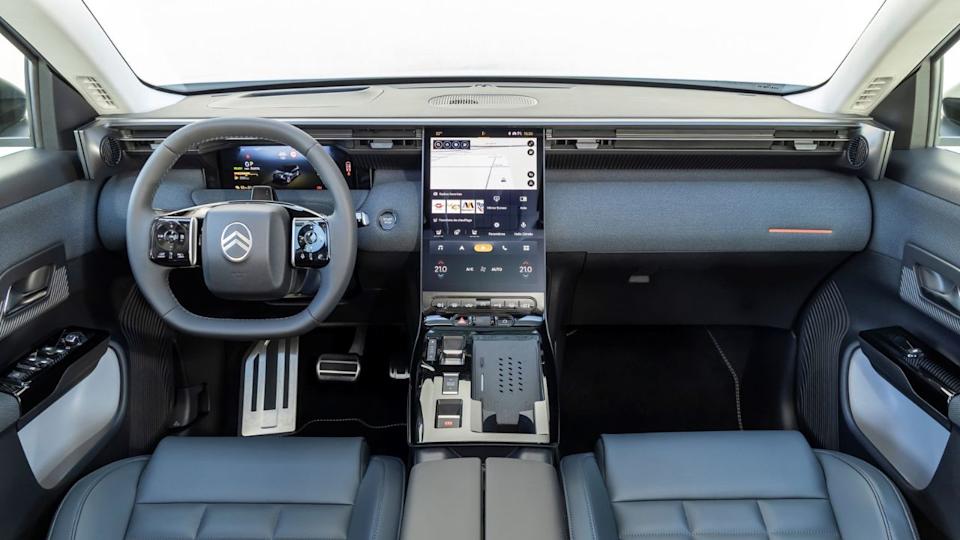
Photo Courtesy: Autorepublika.
Citroën says the new number is primarily the result of updated reporting requirements tied to upcoming Euro 7 emissions regulations, which are scheduled to take effect on November 29, 2026. The revised rules require manufacturers to report hybrid system power using a different measurement method.
Under the previous labeling, the model’s name referenced the system’s continuous output rating. The updated designation instead reflects the peak combined system output. As a result, the plug-in hybrid version is now marketed as the C5 Aircross Plug-in Hybrid 225.
Importantly, Citroën emphasizes that no technical changes were made to the powertrain itself. Performance figures, drivetrain layout, and torque remain the same, including the maximum combined torque rating of 300 Nm.
Powertrain and Electric Range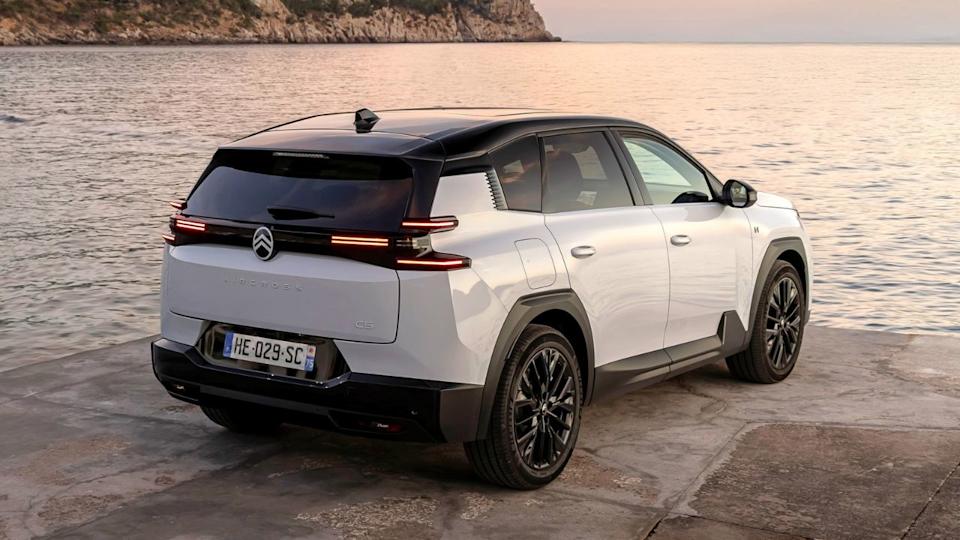
Photo Courtesy: Autorepublika.
The plug-in hybrid system combines a turbocharged 1.6-liter gasoline engine producing 150 horsepower and 300 Nm of torque with a single electric motor rated at 125 horsepower and 118 Nm. The electric motor is integrated into a seven-speed dual-clutch automatic transmission that sends power to the front wheels.
Energy comes from a battery pack with a total capacity of 21.5 kWh, of which 17.8 kWh is usable for driving. According to the WLTP testing cycle used in Europe, the vehicle can travel up to 50 miles in all electric mode before the gasoline engine engages.
Charging capability includes a standard 3.7 kW onboard charger, while an optional charger supports up to 7.4 kW for faster home or public charging.
Performance and Dimensions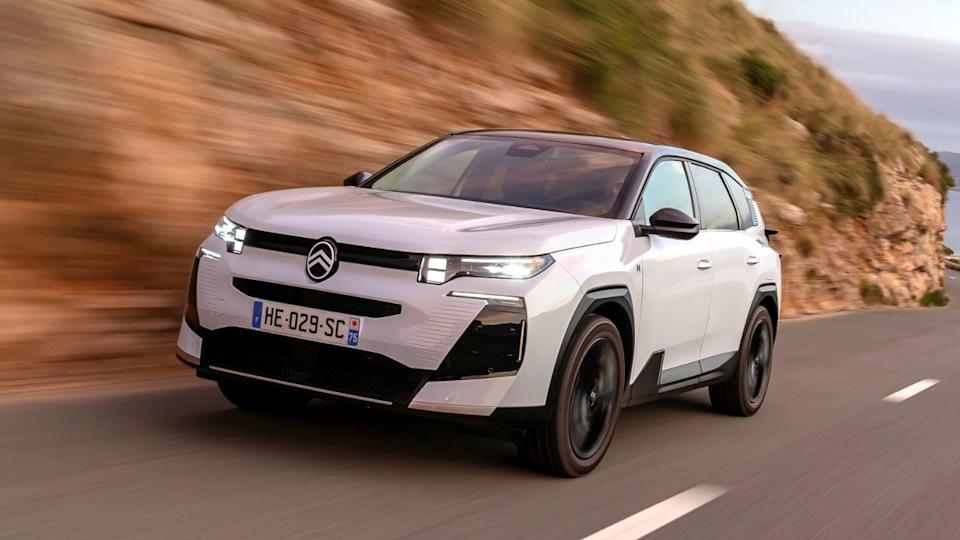
Photo Courtesy: Autorepublika.
Despite the revised power rating, the vehicle’s performance figures remain unchanged. Acceleration from 0 to 60 mph takes about 8.3 seconds, while the top speed reaches 140 mph. In electric-only mode, the maximum speed is limited to approximately 84 mph.
The crossover measures 183 inches in length, 74 inches in width, and about 66 inches in height, with a wheelbase of roughly 110 inches. Buyers can choose between 19-inch and 20-inch wheels depending on trim and market configuration.
Curb weight starts at around 4,300 pounds. Cargo capacity stands at 654 liters, or about 23 cubic feet, and expands to roughly 1,668 liters when the rear seats are folded. Models equipped with a spare wheel offer slightly less cargo volume at 565 liters. The fuel tank holds 55 liters, equivalent to about 14.5 gallons.
Pricing and Growing Competition
In Germany, the Citroën C5 Aircross Plug-in Hybrid 225 starts at about $42,000 based on current exchange rates. That price places it in a competitive segment where traditional European brands are increasingly facing pressure from new entrants.
Chinese automakers, in particular, are expanding rapidly in Europe with aggressively priced electrified vehicles. One example cited in the report is the hybrid Haval H6, rated at 243 horsepower and offered in Germany from about $31,000.
As electrification spreads and regulatory pressure increases across Europe, manufacturers are adjusting both powertrain technology and how they communicate performance figures. In the case of the C5 Aircross plug-in hybrid, the change is mostly about labeling rather than mechanical upgrades, but it still highlights how evolving regulations can reshape even the way automakers name their cars.
This article originally appeared on Autorepublika.com and has been republished with permission by Guessing Headlights. AI-assisted translation was used, followed by human editing and review.
Read More
12 Pickup Trucks That Are Totally Worth the Money
SUVs That Will Last at Least 15 Years (No Problem!)
This article originally appeared on Guessing Headlights: This SUV’s Power Rating Just Jumped by 30 HP Without Any Mechanical Changes