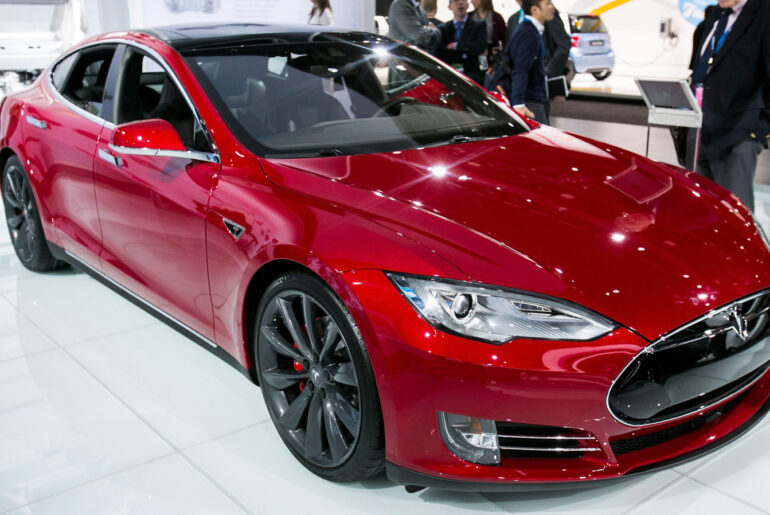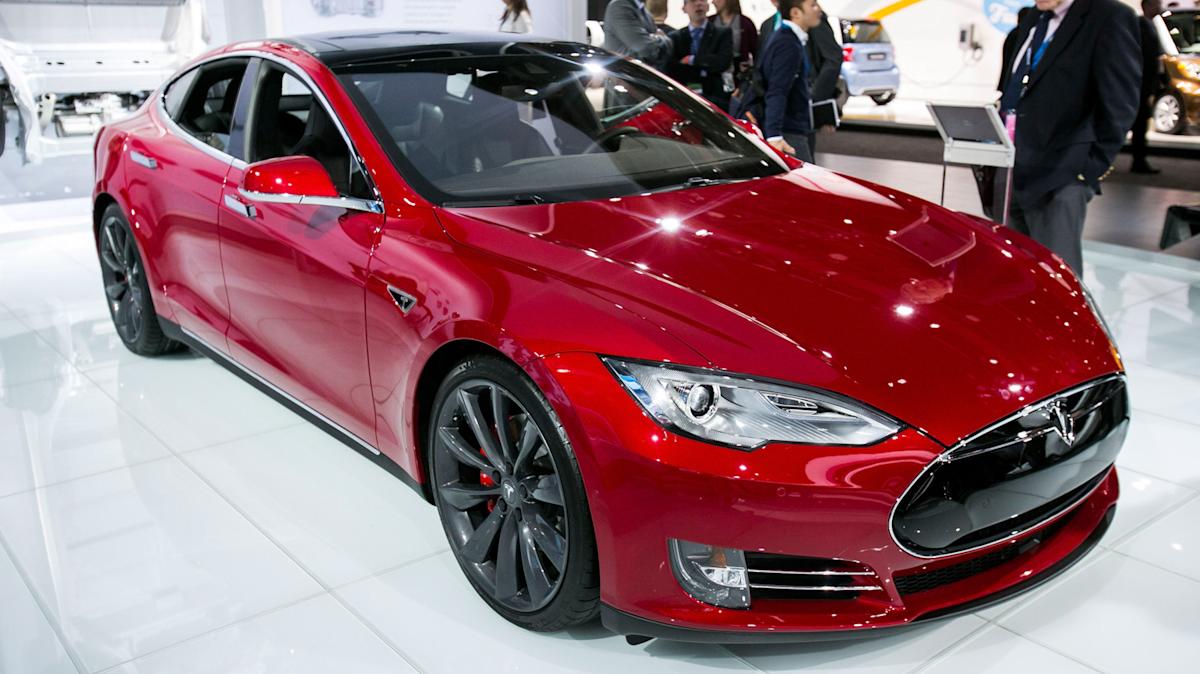
While 2025 saw Tesla sales still dropping all around the world, just a decade prior the automaker was riding high, even among ratings from Consumer Reports. In fact, the 2015 Tesla Model S P85D, exceeded a perfect score from the independent nonprofit organization, with a 103 out of 100.
No matter how well reviewed, a car shouldn’t be able to achieve such a score. This left Consumer Reports looking to reconfigure its rating process. The results were retuned to bring the car back within the normal scale, with Consumer Reports admitting it had to alter its scoring process, as the Tesla had broken the system.
While the Model S P85D certainly had its strong points, it wasn’t flawless, and Consumer Reports admitted as much. The Tesla was criticized for its sticker price of $127,820, considering its cabin didn’t compete well with similarly priced options in material quality. In addition, it offered a stiffer ride and more noise than the base model, which could be had for over $35,000 less in some cases.
Read more: The Ten Dumbest Automotive Design Mistakes
How does the Consumer Reports rating system work, and what was missing from the P85D score?
An illustration of a user inputting feedback into a digital survey – Summit Art Creations/Shutterstock
A handful of categories together currently make up a vehicle’s overall score from Consumer Reports. The first is derived from over 50 hands-on tests, run at a large dedicated installation in Connecticut. Included are evaluations of braking performance, efficiency, ride quality, and range (for EV vehicles). Consumer Reports also looks at data provided by the Insurance Institute for Highway Safety, which rates vehicles’ protections in crash tests and adds bonus points for models that feature extensive driver assistance technology, such as blind-spot monitoring, as standard equipment.
The last two categories, reliability and owner satisfaction, are formed entirely by reports from Consumer Reports members. The organization routinely sends out surveys in which firsthand experiences are compiled to form a better picture of a car’s real-world driving experience.
So what didn’t the 2015 Model S P85D score include? At the time, owner survey results on reliability weren’t factored into the overall rating. This is significant because at the time, members’ scores said the Model S had only average dependability. Certainly not a view that supports the better-than-perfect mark the P85D originally received.
So what was so great about the Tesla Model S P85D?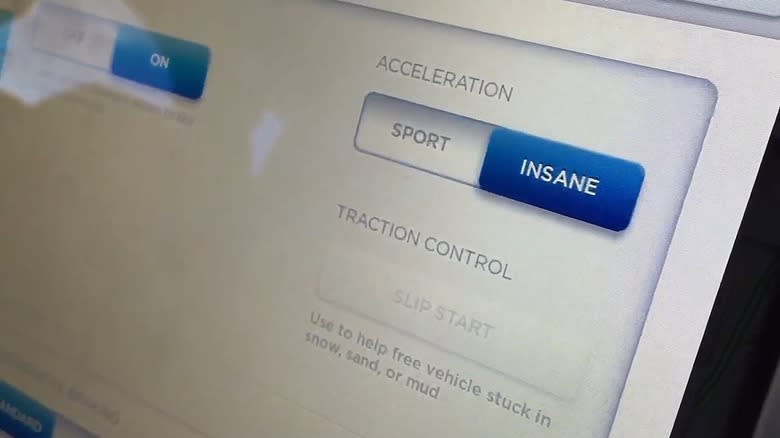
A closeup of the Tesla Model S P85D “Insane” acceleration mode – Daniel Sparks/YouTube
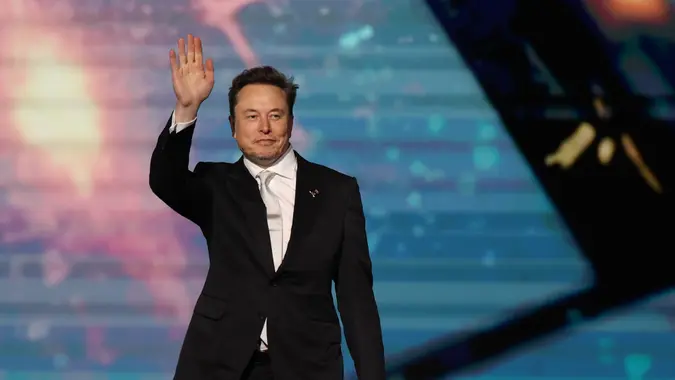
Although CEO Elon Musk has become a polarizing figure, many consider the Tesla Model S the most important car of the 21st century. And by extension, that’s true of the even-more-potent P85D, which helped redefine what an electric vehicle could do. During testing, Motor Trend achieved a 3.1-second 0-60 mph run. For comparison, that was better than a 2015 Porsche 911 Turbo Coupe. Back then, that made the P85D the world’s quickest four-door sedan, with reviewers using words like “brutal,” “forceful,” and “explosively quick” to describe its acceleration capabilities.
Tesla also leaned hard into the P85D’s performance angle, going as far as creating a special “Insane” driving mode. The model achieved this using a 221-horsepower electric motor in the front of the car, and a 470-hp motor in the back. Combined, the P85D provided a total of 691 horsepower and 687 pound-feet of torque. And even with this explosive power, this Tesla gets an 87 miles per gallon gasoline equivalent (MPGe) EPA estimate.
Fast-forward to today, and fans of this groundbreaking EV have been met with some sad news. Tesla is killing the Model S and Model X so the company can use the factory space to build Optimus robots
But the initial rating debacle doesn’t minimize the impressive leap in technology seen from the first Model S to the 2015 P85D. Jake Fisher, auto test director at Consumer Reports, acknowledged the challenges of scoring this Tesla, stating per TheTruthAboutCars, “It doesn’t fit in the rest of the automotive marketplace.” Nevertheless, a milestone was achieved.
Want more like this? Join the Jalopnik newsletter to get the latest auto news sent straight to your inbox, and add us as a preferred search source on Google.
Read the original article on Jalopnik.