Automakers are somewhat chasing their tails right now, with the planned electric vehicle revolution having failed to take off. Not only are they range-challenged, but they’re also prohibitively expensive for many buyers, a fact not helped by the Trump administration cutting tax breaks for new machines at the end of 2025. As a result, many manufacturers are trying to find alternative ways of offering efficient cars and trucks to help get their balance sheets back in order.

Base Trim Engine
1.5L Inline-4 Plug-in Hybrid
Base Trim Transmission
Single Speed Automatic
Base Trim Drivetrain
Front-Wheel Drive
Base Trim Horsepower
149 hp
Base Trim Torque
294 lb-ft
Fuel Economy
43/42 MPG
Infotainment & Features
8 /10
Conventional hybrids have seen a sharp rise in popularity, though another, lesser-used propulsion method looks to be making a return. Extended-range electric vehicles are essentially full EVs that also contain an internal combustion engine, though it instead primarily functions as a generator to boost the electric motors rather than directly drive the wheels. The first model to use this format is a bit of a used bargain these days.
This piece explores the technical makeup and used value of the 2011-2019 Chevrolet Volt, an extended-range electric vehicle that took a different approach to EV technology. We also investigated how reliable and cheap it is to run the model.
The Chevy Volt Is An Affordable EREV Proposition In 2026
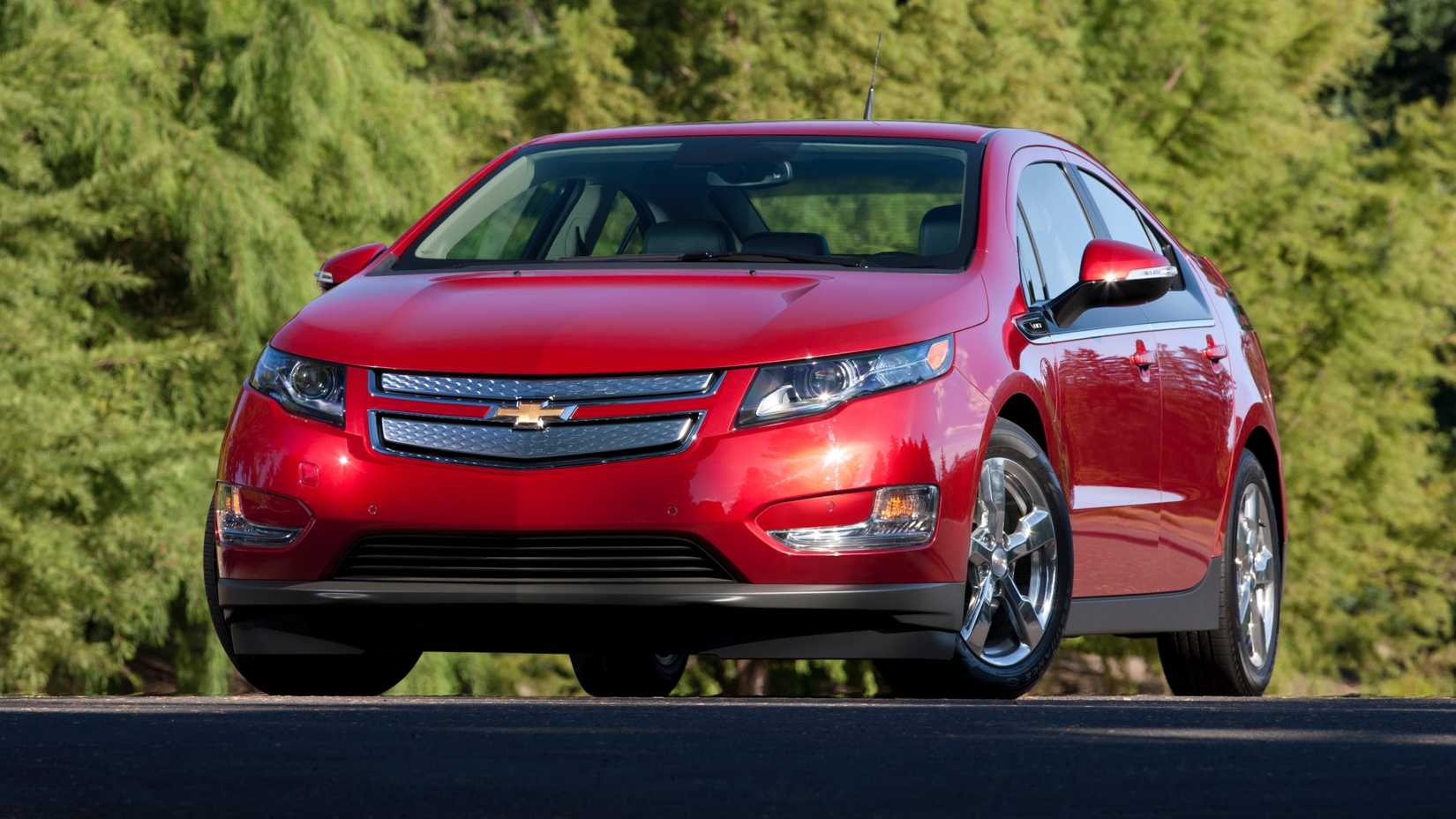
2013 Chevrolet Volt Exterior Front 3/4Chevrolet
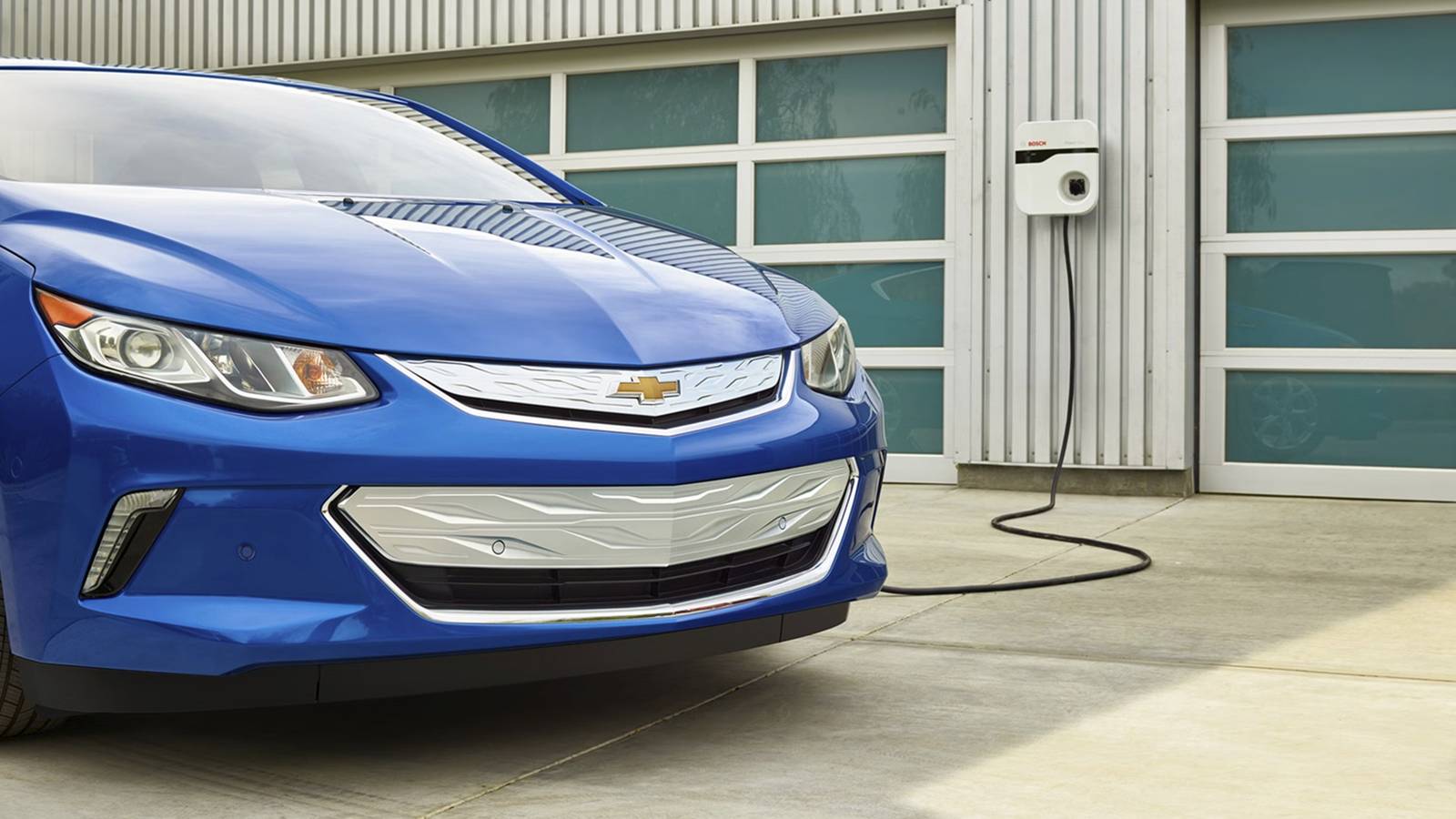
The vehicle in question is the Chevrolet Volt, which was produced in two generations between 2011 and 2019. The idea of an EREV was pretty novel when the concept version first broke cover in 2007, though General Motors continued to hone the new technology and unleash a production version of the car for the 2011 model year. While it was known as the Chevrolet Volt for the US market, it was rebadged as the Opel or Vauxhall Ampera in Europe, and the Holden Volt in Australasia. It wasn’t exactly a cheap vehicle when it was new, as the 2011 Volt came strapped with a base MSRP of $42,280.
In today’s money, this translates to a hefty $58k. Fortunately, time and depreciation have worked their magic, as CarBuzz’s Marketplace reports that the average used value of the first-generation Volt currently sits at just $8,139. In reality, that kind of money will get you a tidy example with pretty low mileage for its age. If you don’t mind having a more worn-out specimen as a bit of a throwaway, functional Volts can be had for comfortably under $5k.
The Upgraded Second-Gen Version Is Also Pretty Cheap
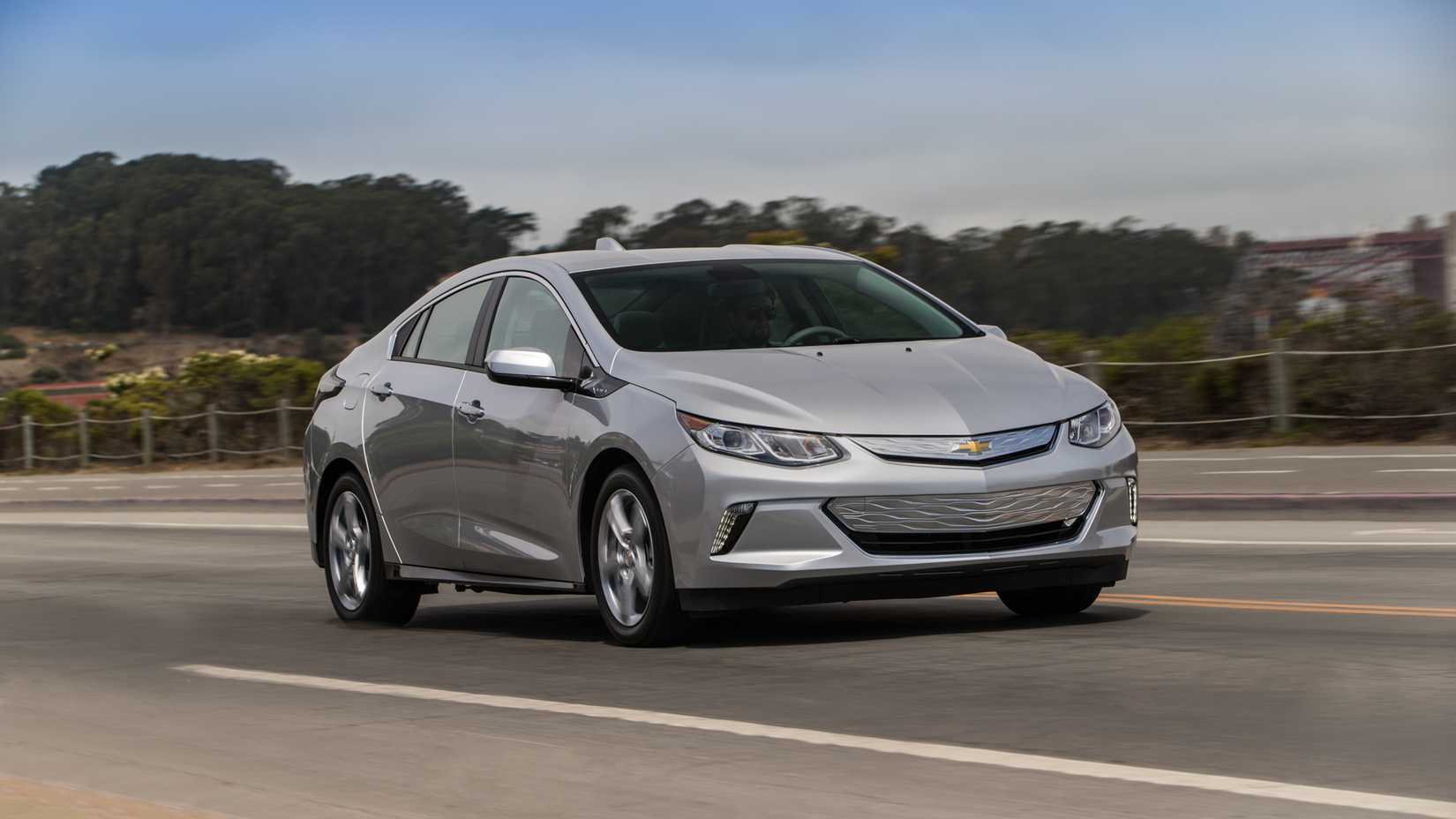
2017 Chevrolet VoltChevrolet
Should you have a little more cash to burn on a used Volt, perhaps the second-gen car will interest you. Aside from a restyled interior and exterior, the newer variant was also graced with a more powerful and extra-efficient powertrain, which allowed for both more electric-only range, and total mileage when the ICE was engaged. CarBuzz’s Marketplace values the later model at an average of $12,360, though this price will get you a later 2018 or 2019 model with decent mileage. Opt for an older second-gen example, such as a silver 2017 offering sold through Cars.com, and you can get an even better bargain. It is up for just $9,995 as of March 2026, and packs a clean title and just over 73,000 miles on the odometer.
With no proper EREV options on sale in the US at the time of writing, the Volt stands alongside the BMW I3 as one of the only options should you fancy one. The new cars are likely to cost $40k at a minimum, such as in the case of the upcoming Nissan Rogue EREV, making the Volt a bit of a bargain.
Discussion
What’s holding you back from buying your first electric vehicle?
The number of EVs on the market continues to grow with better products being produced as time goes by. There’s also a wider range of electric vehicles now, from sedans to trucks and SUVs. There are, however, challenges to owning one with worries about driving range and charging speed along with their higher price being the most-often cited reasons for now going electric. What’s holding you back from buying your first electric vehicle?
The Volt Boasts Impressive Efficiency
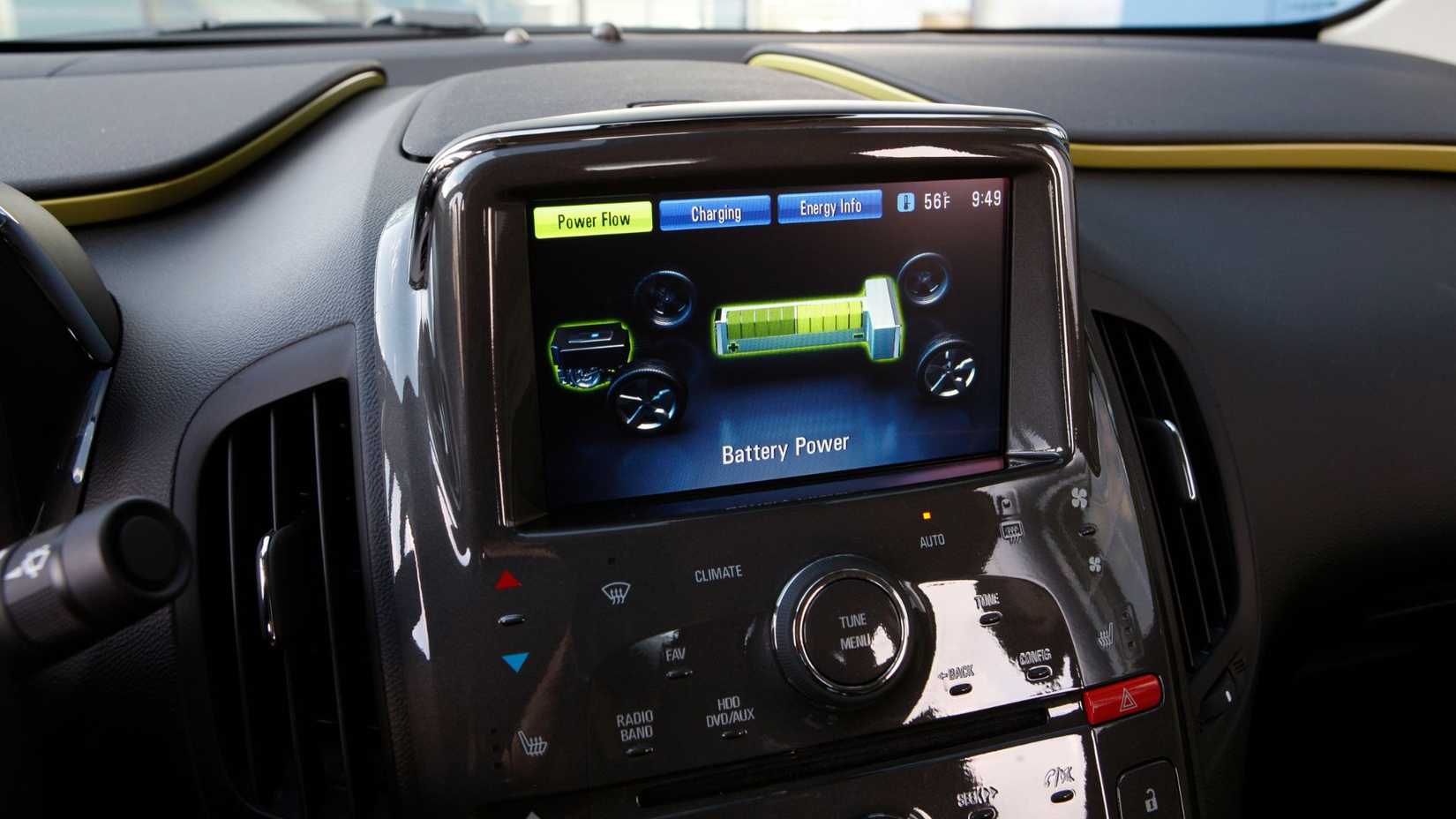
The infotainment system of the 2010 – 2015 Chevrolet VoltChevrolet
The Volt stands apart from traditional hybrid models thanks to its EREV powertrain. The first-gen model comes with a dual-motor electric setup, which gets its power from a series of batteries. Early 2011-2012 specimens got a 16 kWh unit, while 2013-2014 versions got a larger 16.5 kWh component. In 2015, the battery was enlarged once more to 17.1 kWh. The car could travel up to 38 miles on electric power only in its most potent configuration, with this range increasing to 380 miles with the engine added to the equation.
2011-2019 Chevrolet Volt
Powertrain
Dual electric motors, 1.4-1.5L NA I4
Transmission
1-Speed Auto
Power
149-181 hp
Torque
273-294 lb-ft
0-60 mph
8.4-8.8 seconds
Average MPG (MPGe)
37-42 (98-106)
Electric Only Range
38-53 miles
Average Used Value
$8,139-12,360
The unit was a 1.4-liter inline-four, which could work in a couple of different ways. It could act simply as a generator by charging the batteries, but at higher speeds, a mechanical clutch assembly meant it could assist the motors in driving the wheels. Aside from boosting power slightly, this also increased rolling efficiency by 10-15%, affording it a greater range. Like traditional EVs, the Volt also came with a handy regenerative braking feature, which used power garnered from normally wasted kinetic energy through braking to top up the batteries. The upside of these elements was a practical hatchback that produced a potent 149 horsepower and 273 lb-ft of torque. Expect between 36 and 40 MPG with the gas engine running, with this figure growing to 98 if you factor in the EV-only range, or MPG-e.
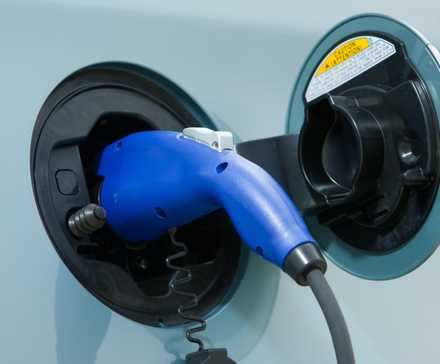
If you fancy saving some gas, the Volt’s batteries could also be charged using a standard electric generator or home output.
Chevy Enhanced These Elements For The Follow-Up
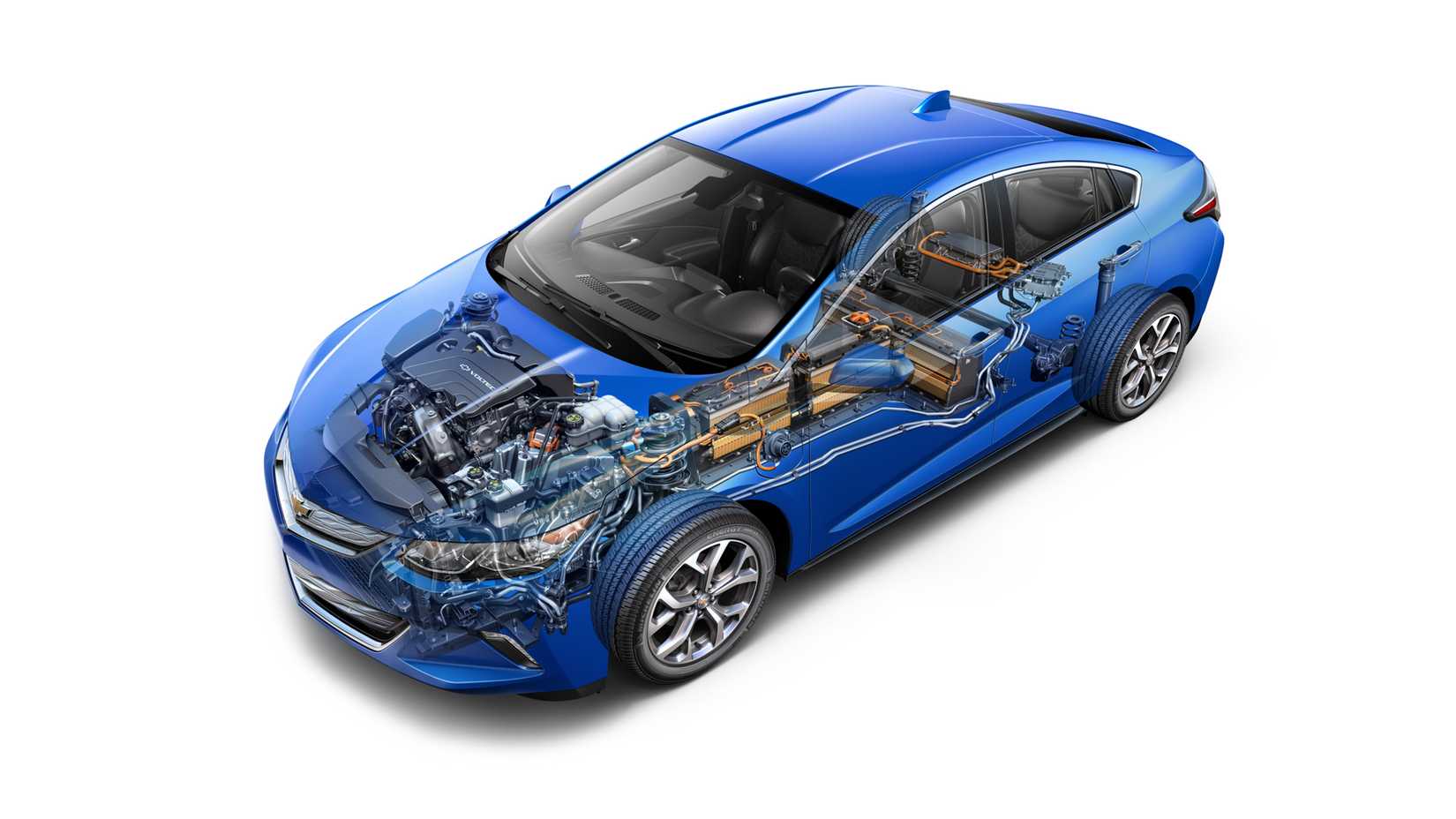
2017 Chevrolet Volt powertrain diagramChevrolet
Having performed solidly from a sales standpoint, given the fresh design philosophy, GM felt that further ground could be made with an improved second album. Introduced in 2016, the second-gen Volt was afforded a more efficient 18.4 kWh battery pack and twin-electric motor package. In total, the new components shaved around 130 pounds from the parts used in the first-gen Volt. Alongside this, a more refined 1.5-liter ICE was brought in to replace its slightly smaller predecessor. The upshot of the changes was an improved average MPG figure of 42, with MPG-e up to 106. The car could also travel 53 miles on electric juice only, a decent improvement on its forerunner.
The car was more powerful too, with 181 hp and 294 lb-ft now at its disposal. Notably, the second-gen Volt was more affordable to run as the engine could now be run on standard gas, rather than the premium stuff needed with the previous powerplant.
Related
Best EV Lease Deals For February 2026
Want electric power to start off the year? These automakers have the best electric car deals right now.
Chevy’s EREV Shouldn’t Cost A Fortune To Maintain
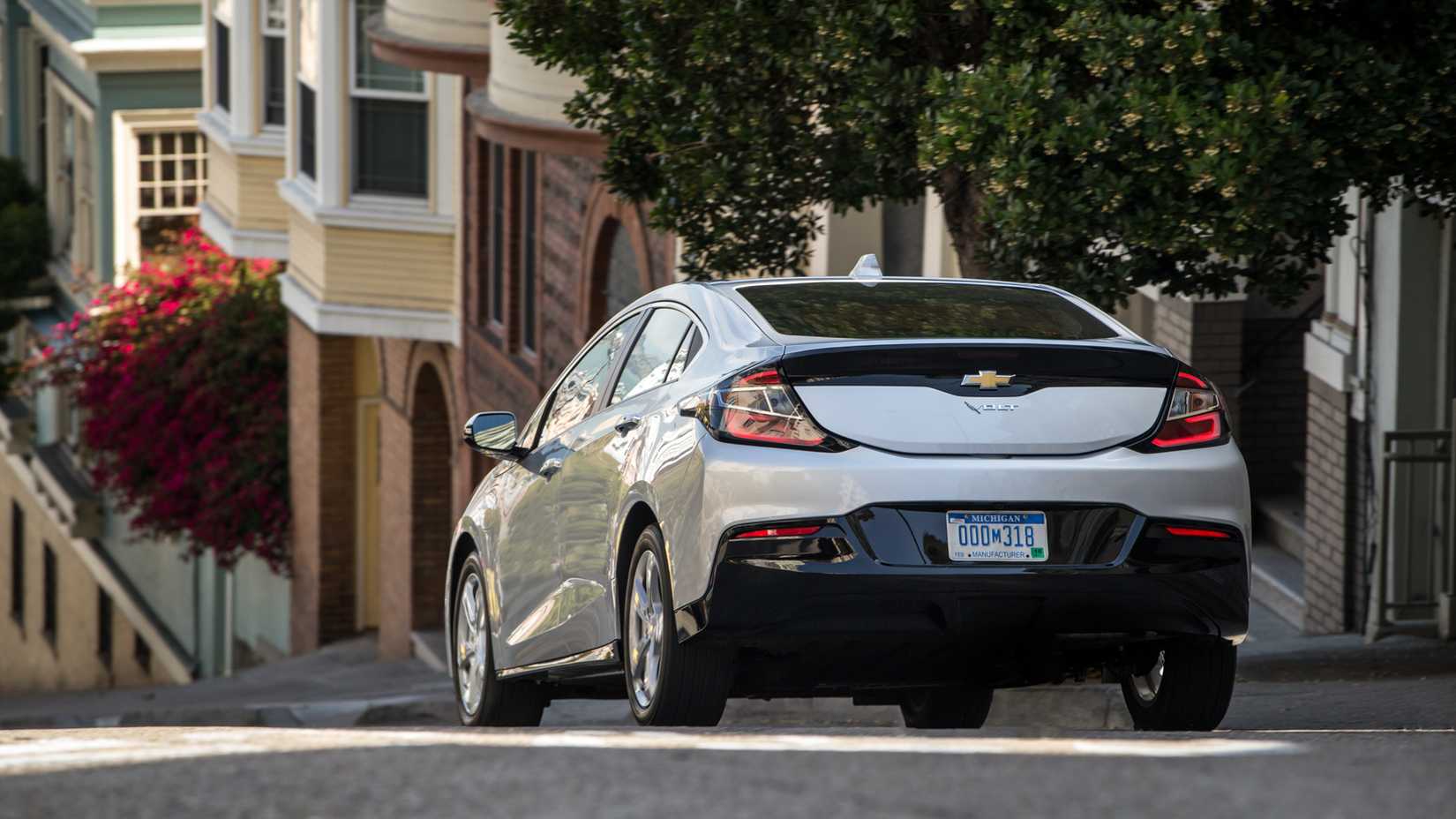
2017 Chevrolet VoltChevrolet
If you’re interested in taking advantage of the efficiency the Volt offers, then you’ll be happy to learn that you won’t need to be a millionaire to run one on an everyday basis. Many of the vehicle’s parts are borrowed from other GM products, making them plentiful and affordable to get a hold of. RepairPal estimates that you’ll only have to spend around $550 a year on keeping the car running at its best, while the problems reported are also pretty minor.
2011-2019 Chevrolet Volt Reliability
1 Year Maintenance Estimate
$550
Common Issues
Faulty front electric window mechanism wiring
Failed windshield wiper pump
Various minor HVAC faults
Two drivers reported that the wiring for their front electric windows had to be replaced due to getting tangled and damaged, while a further couple had to replace the windscreen washer pump on their Volts due to them prematurely failing. Keep your used Volt serviced properly, and you shouldn’t have much other than the usual serviceable items to concern yourself over.

Related
What 10-Year-Old Used EVs Sell For In 2025
Buying a new EV can be a strain on your bank account, so this is how much a ten-year-old used example will cost on the secondhand market.
The Volts EREV Tech Failed To Catch On
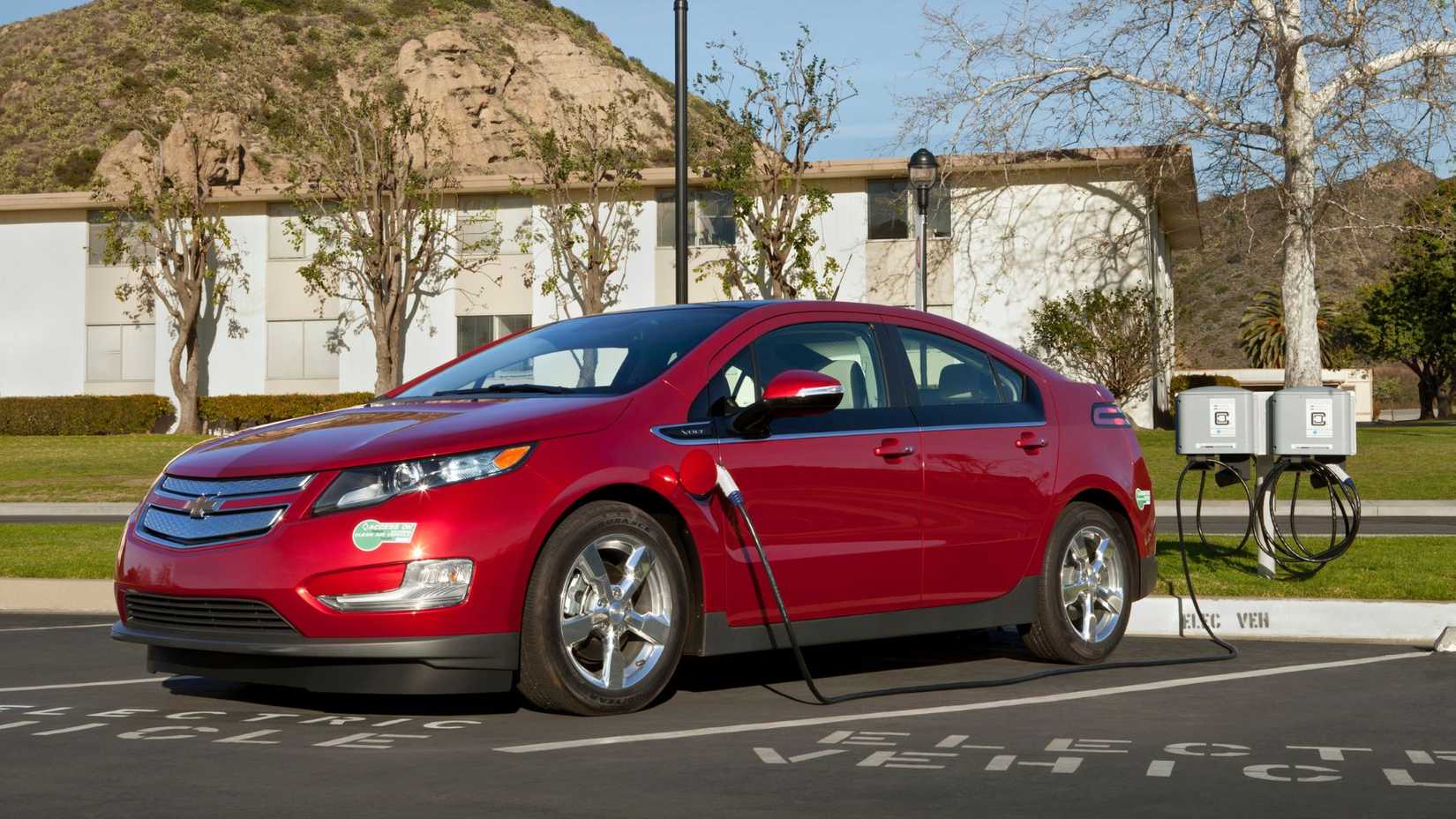
Front 3/4 profile view of the 2010 – 2015 Chevrolet Volt chargingChevrolet
While the Volt took care of one of the biggest problems that EVs faced, not many were convinced by the machine. While sales remained consistent in the mid-20,000 range in the first couple years of the second-gen Volt, these figures dropped sharply in the following couple of years. Having dropped to just over 18,000 in 2018, GM announced the car would be dropped so that it could focus on future SUVs and all-electric models instead, with hatchbacks and sedans like the Volt also becoming less desirable in the eyes of the American public.
Related
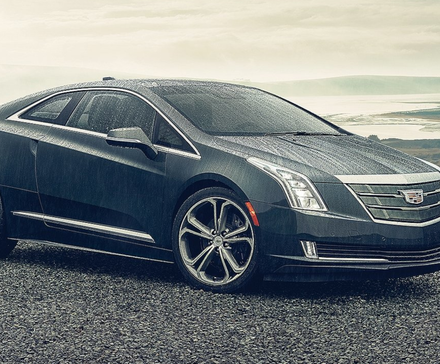
A Used Cadillac ELR Is Now An Amazing Used Bargain
The luxury eco-car is well worth a look.
EREV Is Making A Return, In A Big Way
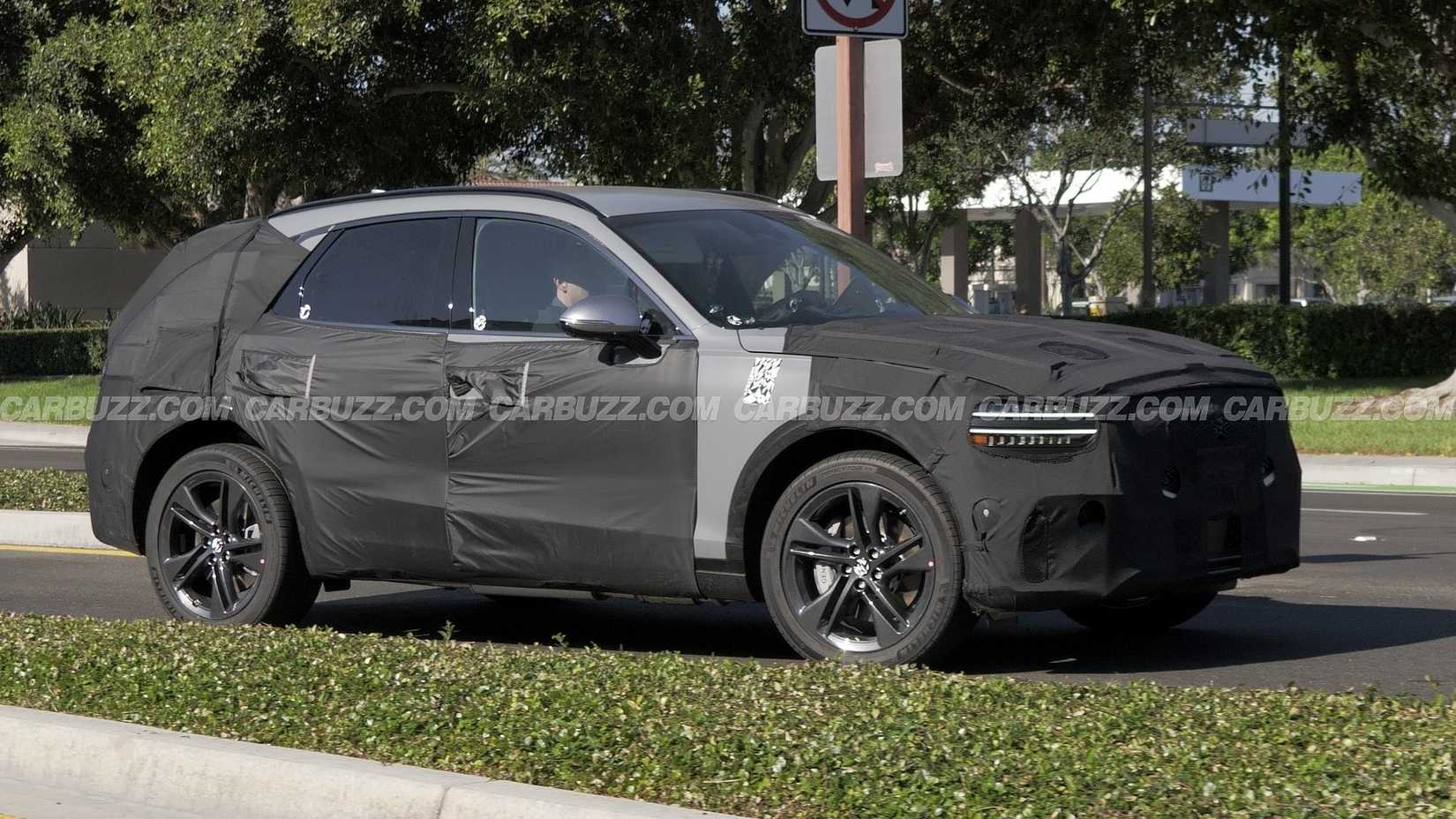
Genesis GV70 EREV PrototypeCarBuzz/Valnet
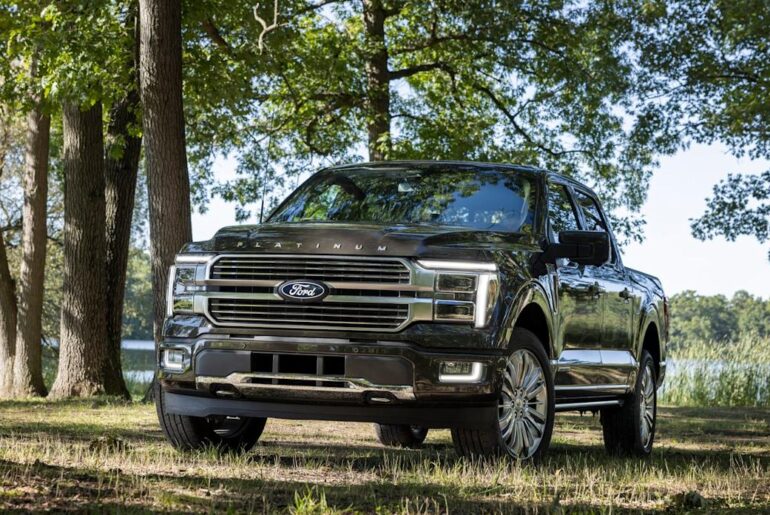
With the benefit of hindsight, it seems the Volt was simply ahead of its time. A range of manufacturers are developing EREVs at the moment, with two of the most high-profile upcoming vehicles being the Ford F-150 EREV and Ram 1500 EREV. Hyundai is also plowing ahead with various EREV offerings alongside sister brand Genesis, as are Audi and BMW. Two of the biggest problems with EVs remain their limited range, as well as the lack of accompanying infrastructure, and EREVs neatly overcome both of these setbacks.
EVs still look to be the future, but for now, EREVs look set to finally have their day in the sun. It’s just a shame the innovative Volt didn’t get to bask in the glory.
Sources: Chevrolet, RepairPal.