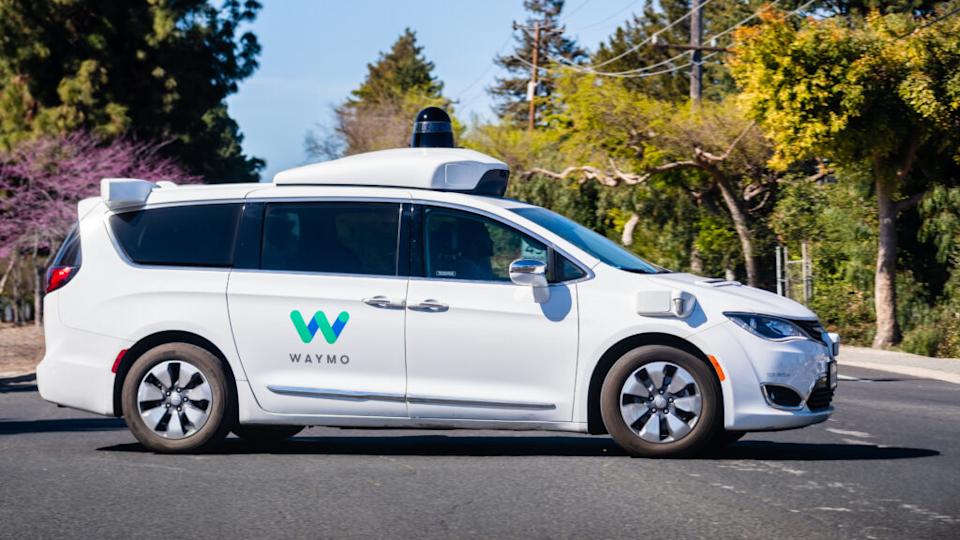

Alphabet Inc.-backed Waymo announced that it is now operating in 10 cities as the global robotaxi race heats up.
The company announced on February 25 that it was rolling out its autonomous ride-hailing service in four new cities: Dallas, San Antonio, Houston and Orlando, taking the total number of cities it operates in to 10.
“Waymo is serving more riders than ever, as we are on track to serve over one million rides per week by the end of this year,” Tekedra Mawakana, co-CEO of Waymo, said in the official statement released by the company.
The company last reported having 450,000 rides per week. The same statement also shared that the company had recorded over 200 million autonomous miles driven by its self-driving system.
Don’t Miss:
However, despite its growth, Waymo has been under scrutiny by the authorities after multiple incidents involving its autonomous vehicles. A Waymo “Ojai” Robotaxi crashed into several parked vehicles in California.
A Waymo robotaxi also collided with a child in Santa Monica in a school zone. NHTSA has said that it is investigating over 3,000 Waymo autonomous vehicles following these incidents.
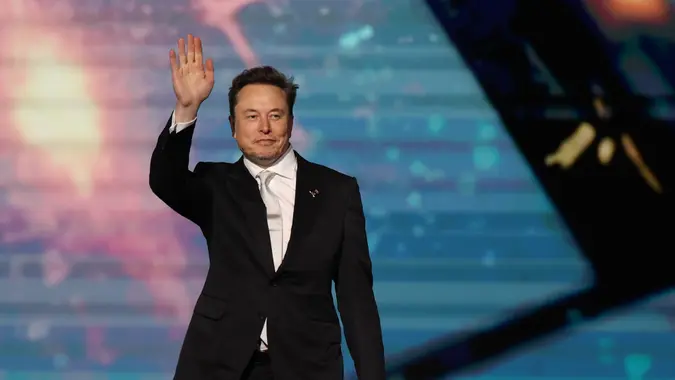
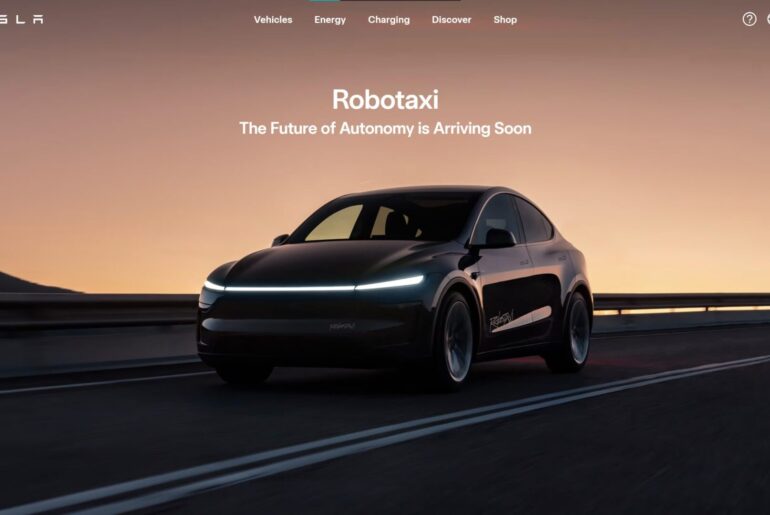
Waymo’s rival Tesla Inc. has also been accelerating its robotaxi and autonomous vehicle efforts, as the Elon Musk-led automaker recently unveiled the company’s Cybercab, which will command a price tag of $30,000 or less and is set to enter ramped-up production in April this year.
The Cybercab was also spotted testing on a highway in Chicago, signalling positive shifts in the company’s AV efforts. However, challenges remain in Tesla’s Robotaxi roadmap after the service in Austin reported 5 additional crashes in January, taking the total number of reported incidents to 14 since mid-2025.
Trending: Own the Characters, Not Just the Content: Inside a Fast-Growing Pre-IPO IP Company
Musk has also touted Tesla having the largest autonomous fleet in the future, but the company’s self-driving efforts have also faced criticism from investors like Ross Gerber of investment firm Gerber Kawasaki.
Meanwhile, Waymo also faces competition from Baidu Inc.-backed Robotaxi company Apollo Go on a global level, as the Chinese company announced it had reached the 300,000 robotaxi rides per week milestone amid an expansion of the service into South Korea.
Baidu also reported that it had surpassed the 20 million lifetime robotaxi rides milestone during the company’s earnings call on Thursday. The company also reported 3.4 million fully driverless rides in Q4, up more than 200% YoY.
Apollo Go has announced partnerships with Uber Technologies Inc. and Lyft Inc. to offer its services in London, with trials touted to begin this year.
See Also: 1.5 Million Users Are Already Working Inside This AI Platform — Investors Can Still Get In
Analysts from investment bank Jeffries published a new report comparing the services offered by the two companies in Austin. The analysts reported that while the Tesla Robotaxi was cheaper compared to Waymo and Uber rideshare, the wait times, as well as the availability of the service, lagged in comparison.
The analysts also found that while Waymo rides were completely autonomous, only two of the 15 Tesla Robotaxis were unsupervised, while the rest featured onboard safety drivers.
Waymo, for its part, also had its drawbacks, requiring human intervention on one occasion, while it also took suboptimal routes, which resulted in longer driving times.
Photo courtesy: Shutterstock
Up Next: Transform your trading with Benzinga Edge’s one-of-a-kind market trade ideas and tools. Click now to access unique insights that can set you ahead in today’s competitive market.
Get the latest stock analysis from Benzinga:
This article Tesla Robotaxi Rival Waymo Now Operates In 10 Cities, Touts 200 Million Autonomous Miles Driven: Here’s How Other Companies Fair originally appeared on Benzinga.com

!['[He] keeps selling his promises'](https://www.evshift.com/wp-content/uploads/2026/03/1772916131_GettyImages-2215639409-770x515.jpg "‘[He] keeps selling his promises’")